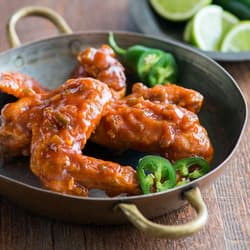
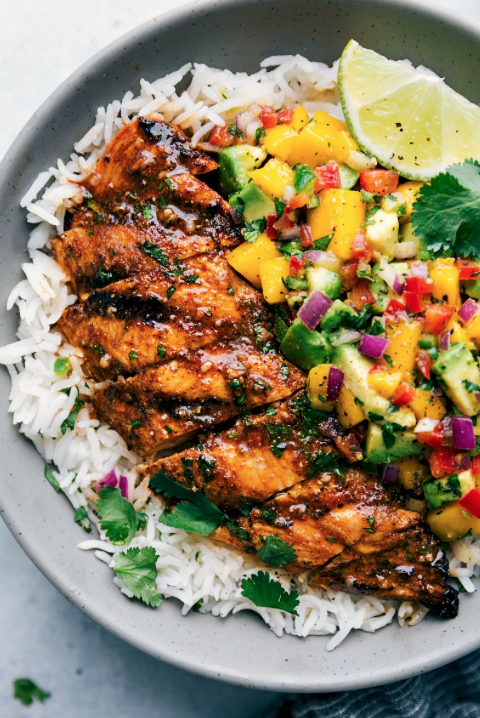
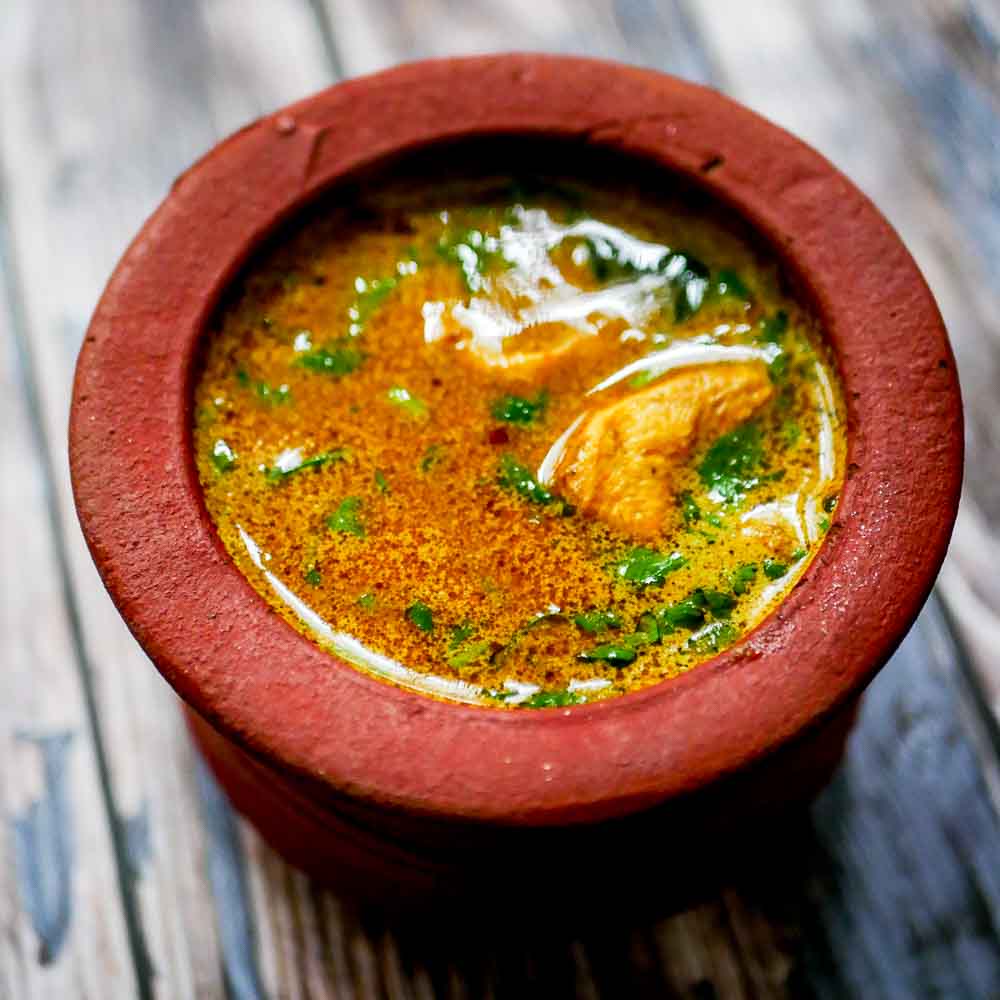
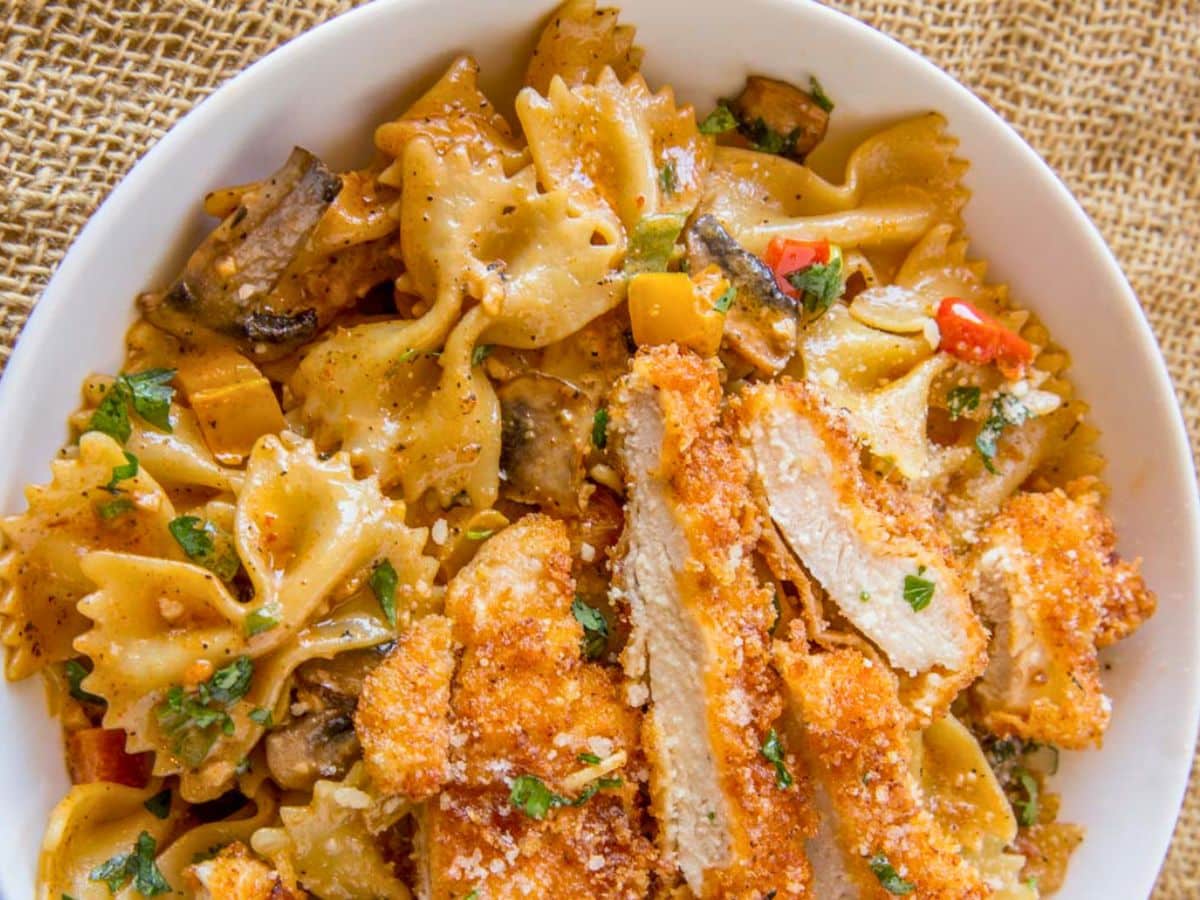
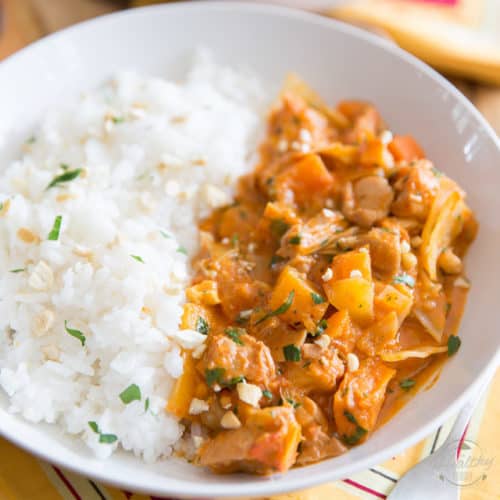
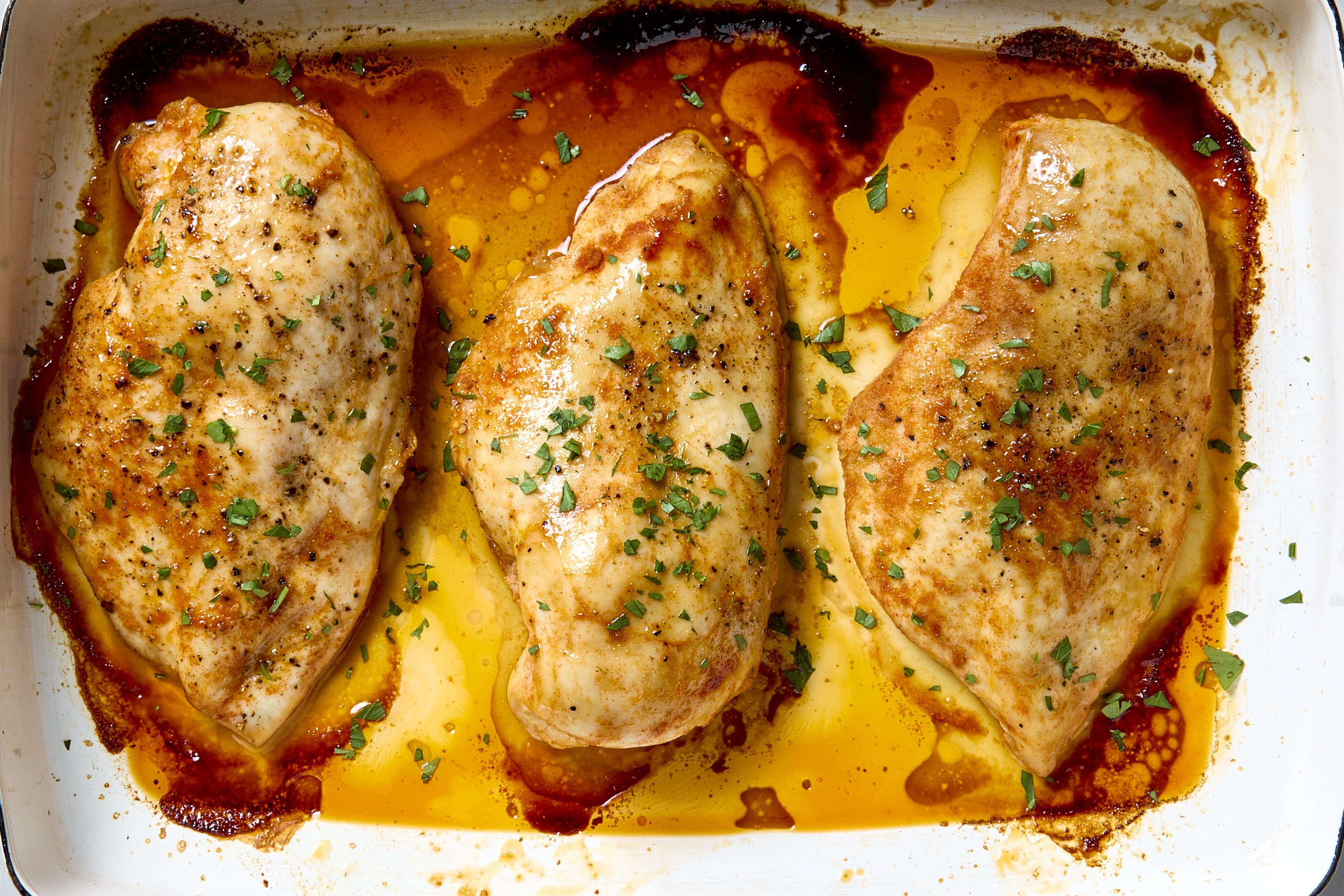
Craving that bold, sticky chicken you love from Korean street stalls, but dont have hours to spend in the kitchen? Youre in the right place. This Korean spicy chicken recipe blends gochujang, garlic, and a pinch of honey to give you restaurantlevel heat in under 30minutes. Lets dive straight into the delicious details.
Why It Rocks
What makes gochujang the heart of Korean spicy chicken?
Gochujang isnt just a chili paste; its a fermented superstar. The slow fermentation creates a deep umami base, while the chilies bring the kick youre after. Because its also a bit sweet, it balances the heat perfectly, giving that glossy glaze you see in Korean fried chicken joints.
Health perks vs. risks of a spicy chicken diet
Spicy foods can crank up your metabolism and flood your body with vitaminB6 and protein from the chicken. On the flip side, gochujang can be salty and the capsaicin may irritate sensitive stomachs. The trick is moderationadd a splash of honey or a squeeze of lime to soften the heat if you need to.
Core Ingredients
Essential pantry list
Heres everything youll need for an easy Korean spicy chicken recipe:
- 2lb chicken thighs or drumettes, bonein (skin on for extra crisp)
- 3Tbsp gochujang (look for a brand that lists fermented soy as the first ingredient)
- 1Tbsp gochugaru (Korean chili flakes) optional for extra heat
- 2Tbsp soy sauce (or tamari for a glutenfree version)
- 1Tbsp honey or brown sugar
- 3cloves garlic, minced
- 1tsp ginger, grated
- 1Tbsp sesame oil
- 1Tbsp rice vinegar
- 2Tbsp neutral oil (vegetable or canola) for searing
- Sliced scallions and toasted sesame seeds for garnish
Can I swap gochujang with other chili pastes?
If you cant find gochujang, blend equal parts Sriracha and miso paste, then add a pinch of sugar. The result wont be 100% authentic, but itll still deliver that sweetspicy glaze.
Ingredient sourcing where to buy authentic Korean products
Most Asian supermarkets stock gochujang in the refrigerated aisle. Online Korean markets like Maangchis shop also ship worldwide. Look for jars with a thick, glossy texture thats a sign of proper fermentation.
StepbyStep
How to marinate the chicken for maximum flavor?
Combine gochujang, soy sauce, honey, garlic, ginger, sesame oil, and rice vinegar in a bowl. Toss the chicken pieces until theyre fully coated, then let them rest for at least 30minutes (or up to 2hours in the fridge). The acid in the vinegar helps tenderize the meat while the honey locks in moisture.
Whats the ideal pansear technique?
Heat 2Tbsp oil in a large skillet over mediumhigh heat. When the oil shimmers, add the chicken in a single layer. Dont overcrowd the pan you want a nice sizzle. Cook each side for about 3minutes until golden brown.
How to finish with that glossy, sticky coating?
After the chicken is seared, push it to the side and pour the remaining marinade into the skillet. Let it simmer, stirring occasionally, until it thickens (roughly 2minutes). Return the chicken to the sauce, toss to coat, and cook for another minute so the glaze adheres.
Serving suggestions
Serve the chicken over steamed jasmine rice, with a side of kimchi, and sprinkle sliced scallions and toasted sesame seeds on top. A quick cucumber pickles salad adds a refreshing crunch to balance the heat.
Delicious Variations
Korean Fried Chicken vs. Spicy Chicken StirFry
Traditional Korean fried chicken (yangnyeomtongdak) uses a doublefry method for extra crispiness, then tosses the pieces in a gochujang glaze. The stirfry version skips the deep fry, making it lighter while still delivering the same fiery flavor.
Korean spicy chicken stir fry (DakGalbi)
If youre in the mood for a onepan dinner, add sliced sweet potatoes, rice cakes, and cabbage to the skillet after the chicken is browned. The vegetables soak up the sauce, turning the dish into a hearty, communal meal.
Maangchis twist
Maangchis recipe adds a drizzle of perilla oil and a handful of fresh perilla leaves right before serving. The nutty aroma elevates the dish from comfort food to something truly special.
Common Mistakes
Why is my sauce watery?
Often this happens when you use too much gochujang or the pan isnt hot enough. Increase the gochujang proportion, raise the heat slightly, and if needed, whisk in a teaspoon of cornstarch mixed with water to thicken.
Chicken turns dry what went wrong?
Overcooking is the usual culprit. Stick to bonein thigh pieces, which stay juicy longer, and keep the total cooking time under 15minutes after adding the sauce.
Too spicy? How to tame the heat
Add a splash of milk or a spoonful of coconut sugar to the glaze. Both will mellow the heat without sacrificing the sweetspicy balance.
Nutrition Snapshot
| Serving Size | Calories | Protein | Fat | Carbs |
|---|---|---|---|---|
| 1piece (150g) | 350kcal | 30g | 12g | 30g |
These numbers are approximations based on standard ingredient amounts. For precise data, consult the USDA nutrient database.
Safe handling of raw chicken
Keep raw chicken refrigerated at 4C or below, wash your hands and surfaces thoroughly, and cook the meat to an internal temperature of 75C. The FDA foodsafety guidelines provide detailed steps for avoiding crosscontamination.
RealWorld Test
My first attempt what I learned
The first time I tried this recipe, I used too much oil, which made the glaze greasy. I cut the oil in half and let the sauce reduce a bit longer, and the result was a perfect, clingy coating.
Reader submissions best tweaks
One fellow homechef added a dash of toasted sesame oil right at the end for an extra burst of aroma. Another swapped honey for maple syrup, giving the dish a subtle earthiness that pairs well with the peppery gochujang.
Sources & Authority
Primary recipe inspirations
The structure of this guide draws from popular Korean food blogs like RasaMalaysia, SaltedMint, and YejisKitchen, as well as Maangchis wellresearched tutorials.
Scientific and cultural references
For deeper insight into the health impacts of capsaicin, see studies from the Korean Food Foundation and peerreviewed nutrition journals. Their findings support the modest metabolismboosting benefits mentioned earlier.
Enjoy cooking, and remember: the best dish is the one that brings a smile to your face and maybe a few happy tears for the spice. Feel free to experiment with the heat level, share your twists, and keep the conversation going. Happy eating!
FAQs
Can I substitute chicken thighs with chicken breast?
Yes, but chicken breast can dry out faster. If you use it, marinate longer (1‑2 hours) and cook just until it reaches an internal temperature of 75 °C.
What if I can’t find gochujang?
Mix equal parts Sriracha and miso paste, then add a pinch of sugar. It won’t be identical, but it will give a similar sweet‑spicy glaze.
How do I make the sauce thicker without over‑cooking?
Stir a teaspoon of cornstarch mixed with cold water into the simmering glaze; it will thicken in about a minute.
Is it possible to make this recipe gluten‑free?
Swap regular soy sauce for tamari or a certified gluten‑free soy sauce, and ensure your gochujang doesn’t contain wheat.
Can I double the recipe for a larger crowd?
Absolutely—just increase all ingredients proportionally and use a larger skillet or divide the chicken into two batches to avoid overcrowding.