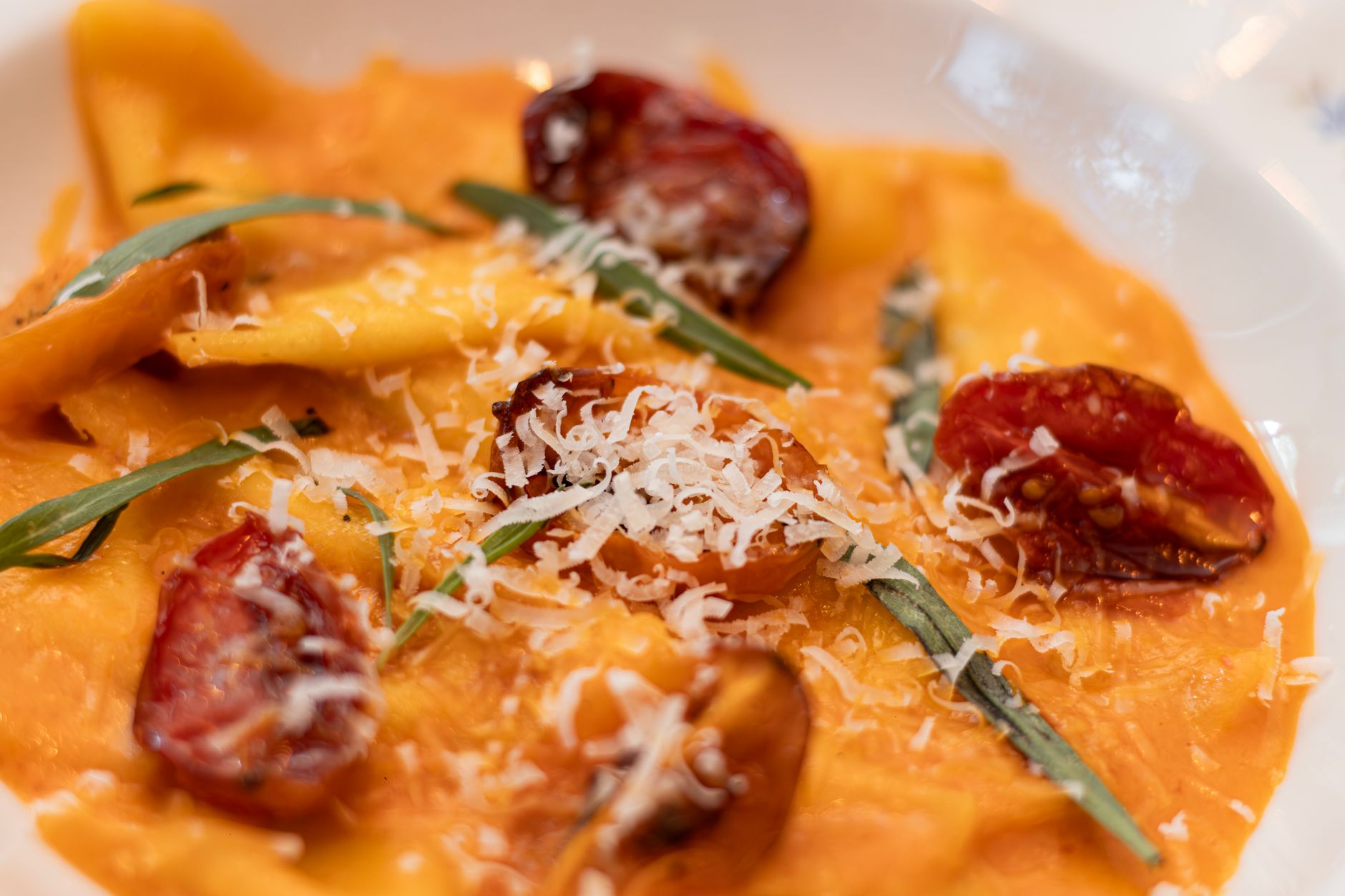
Why Butternut Squash Ravioli with Brown Butter Sage Sauce
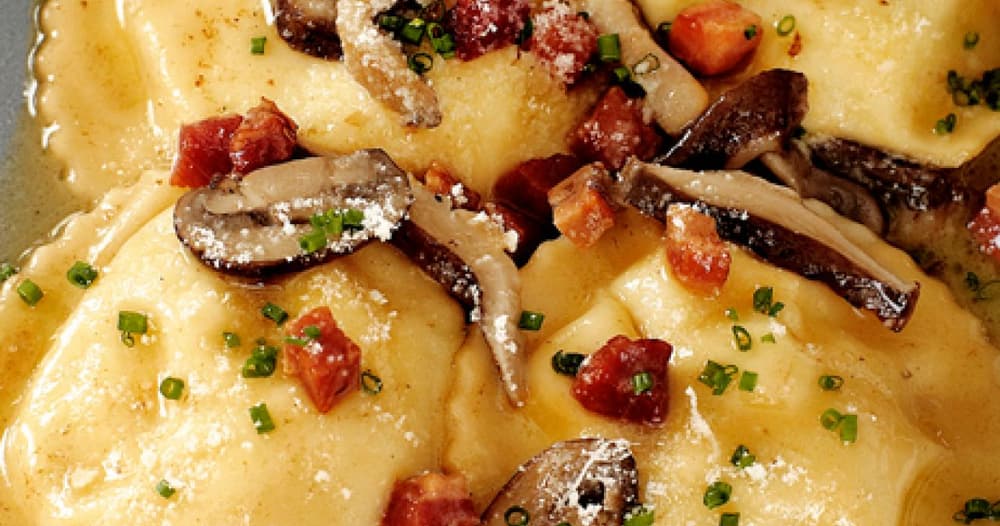
The first bite brings creamy squash, nutty browned butter, and crisp sage together in one delicate pasta parcel. Butternut Squash Ravioli with Brown Butter Sage Sauce is a comforting Italian-inspired meal made from roasted squash, fresh pasta, Parmesan, and a handful of simple seasonings.
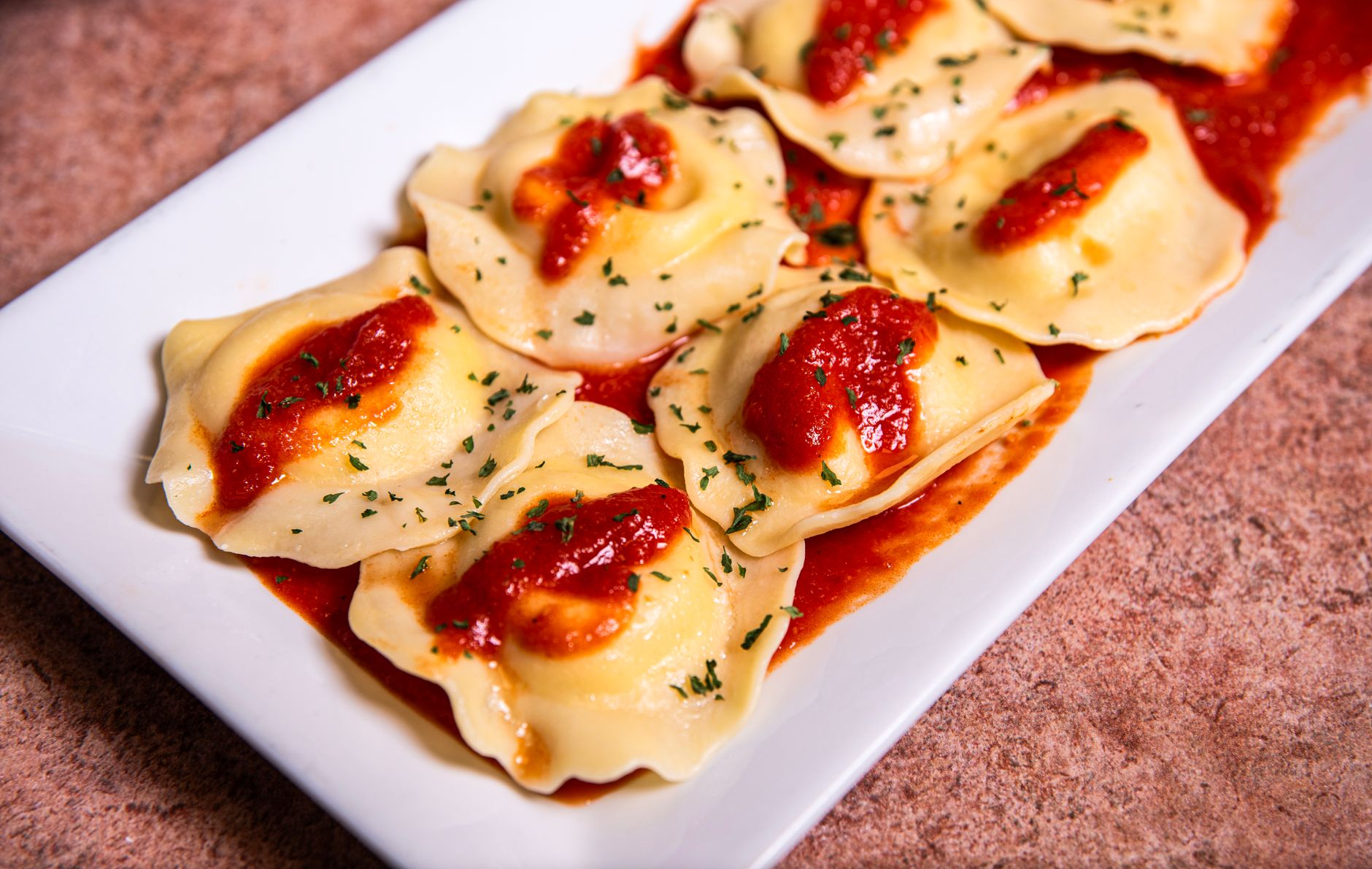
Butternut squash ravioli is made by filling thin sheets of fresh pasta with smooth roasted squash, Parmesan, nutmeg, salt, and pepper. The ravioli are boiled until tender, then served with butter browned alongside sage and garlic. The finished dish tastes rich, earthy, lightly sweet, and balanced by a little lemon zest.
This recipe makes about 30 to 36 ravioli, enough for four moderate servings. It takes some time, but the filling can be prepared ahead, and the pasta dough is forgiving once it has rested properly.

Health Benefits & Nutrition
Butternut squash provides naturally sweet flavor along with fiber, potassium, and carotenoids. Roasting concentrates its flavor, so you do not need much added sugar or heavy seasoning in the filling.
- Fiber from squash: The squash and pasta contribute dietary fiber, which adds substance and can help make the meal more satisfying.
- Vitamin-rich vegetables: Butternut squash contains beta-carotene, which the body can convert to vitamin A. Vitamin A supports normal vision and immune function.
- Protein and calcium: Eggs, Parmesan, and butter-based pasta provide protein, while Parmesan contributes calcium.
- Moderate ingredient list: The dish uses a short list of recognizable ingredients, making it easy to adjust the salt, butter, and cheese to suit your table.
These ravioli are naturally vegetarian, but they contain wheat, eggs, and dairy. Use gluten-free pasta only with a tested gluten-free ravioli dough, since ordinary substitutions can make the dough crack or become difficult to seal. Anyone managing an allergy, food intolerance, or medically restricted diet should check every ingredient and ask a qualified dietitian or doctor for personal guidance.
Ingredients & Preparation
Recipe Card
| Prep time | 1 hour 30 minutes |
|---|---|
| Cook time | 20 minutes |
| Total time | 1 hour 50 minutes |
| Servings | 4 |
| Calories | Approximately 620 per serving |
| Diet tags | Vegetarian |
Calories are approximate estimates. The final amount varies with the size of the ravioli, how much filling is used, and how much butter remains in the pan.
Full ingredient list
- 1 small butternut squash
- 7 ounces "00" flour or all-purpose flour, about 1 1/2 cups
- 3 ounces semolina flour, about 1/2 cup, plus extra for dusting
- 3 large eggs
- 1/2 cup finely grated Parmesan cheese
- 1 small pinch freshly grated nutmeg
- 1 1/2 teaspoons kosher salt, divided, plus more for pasta water
- 1/2 teaspoon freshly ground black pepper
- 2 to 3 tablespoons all-purpose flour, as needed for the filling
- 1 1/2 sticks unsalted butter, 12 tablespoons
- 2 fresh sage sprigs
- 1 garlic clove, unpeeled and lightly crushed
- Finely grated lemon zest, for serving
Equipment needed
- Rimmed baking sheet and parchment or foil
- Food processor or potato ricer
- Mixing bowl and bench scraper
- Stand mixer with a pasta attachment or a hand-cranked pasta machine
- Rolling pin, ravioli cutter, or sharp knife
- Large pot, slotted spoon, and wide skillet
- Clean kitchen towels and a pasta-drying rack or lightly floured tray
Tips for choosing quality ingredients
Choose a squash that feels heavy for its size and has firm, unblemished skin. A small squash is easier to roast evenly, but the filling only needs about two packed cups of cooked flesh. Save any extra squash for soup, mash, or a grain bowl.
Fresh sage should have soft, aromatic leaves without black edges. Unsalted butter gives you better control over the sauce, while freshly grated Parmesan melts more smoothly than pre-shredded cheese. "00" flour produces a silky pasta, but regular all-purpose flour works well when that is what you have.
Step-by-Step Instructions
1. Roast the squash and make the filling
Heat the oven to 350°F. Line a baking sheet, place the whole squash on it, and roast for 60 minutes, or until a knife slides easily through the thickest part. Cool for 15 minutes, then cut it in half and remove the seeds.
Scoop 2 packed cups of flesh into a food processor. Add Parmesan, nutmeg, 1/2 teaspoon salt, and black pepper. Process on high for 45 seconds, scraping once, until smooth. Add 2 tablespoons flour and process for 15 seconds. If the mixture still slowly spreads when placed on a spoon, add the remaining 1 tablespoon flour.
The filling should hold a soft mound rather than look like loose purée. The first time I made these, I used squash that was unusually wet and skipped the extra flour. The ravioli opened in the pot, so I now test the filling before rolling every sheet.
2. Mix and rest the pasta dough
Place the "00" flour, semolina, eggs, and 1 teaspoon salt in a stand mixer bowl. Mix with a dough hook on low speed for 2 minutes, then knead on medium-low for 6 minutes. The dough should feel firm and slightly tacky, not wet.
Alternatively, mix the ingredients by hand for 3 minutes, then knead on a lightly floured surface for 8 minutes. Wrap the dough tightly and rest it at room temperature for 30 minutes. Resting relaxes the gluten and makes the sheets much less likely to spring back.
3. Roll the pasta sheets
Cut the dough into four pieces and keep three covered. Flatten one piece and pass it through the pasta machine at the widest setting twice, folding it in half after the first pass. Continue through progressively narrower settings, passing each setting once, until the dough is about 1/16 inch thick and slightly translucent.
Cut long sheets into manageable lengths of about 18 inches. Dust both sides lightly with semolina, but avoid heavy flouring because excess flour prevents the edges from sticking. Keep finished sheets under a clean towel while you roll the remaining dough.

4. Fill and shape the ravioli
Lay one pasta sheet on a lightly semolina-dusted surface. Place 1 teaspoon of filling every 2 inches along the lower half of the sheet, leaving at least 1 inch between the filling and the edges. Brush the exposed pasta lightly with water, fold the upper half over, and press around each mound to remove air.
Cut into individual ravioli with a cutter or knife. Press the edges firmly with your fingertips, then seal again with the tines of a fork if desired. Transfer the ravioli to a semolina-dusted tray in one layer. Repeat with the remaining dough and filling.
Do not trap large air pockets inside the ravioli. When pressed, a finished piece should feel filled but not ballooned. Air expands in boiling water and is one of the quickest ways to split a seam.
5. Boil the ravioli and make the sauce
Bring a large pot of water to a rolling boil. Add enough salt to make the water taste pleasantly seasoned. Cook the ravioli in batches for 3 to 4 minutes, until they float and the edges feel tender when pressed. Lift them out with a slotted spoon and reserve 1/2 cup pasta water.
While the ravioli cook, melt the butter in a wide skillet over medium heat. Add the sage and crushed garlic. Cook for 4 to 5 minutes, swirling the pan occasionally, until the butter turns golden brown and smells nutty. Remove the garlic and sage when the sage leaves become crisp.
Add the ravioli and 2 tablespoons pasta water to the skillet. Toss gently for 30 seconds. The sauce should cling to the pasta, while the butter makes a quiet sizzle rather than smoking. Finish with lemon zest and serve immediately.
Variations & Substitutions
- Use pumpkin: Replace the squash with 2 cups of well-drained pumpkin purée. Stir in 3 tablespoons flour instead of 2, since canned pumpkin is often softer. Taste before adding more seasoning.
- Add amaretti-style sweetness: Mix 2 tablespoons finely crushed plain amaretti cookies into the squash filling. Reduce the flour by 1 tablespoon if the mixture becomes too firm.
- Make it egg-free in the sauce: The pasta itself contains eggs, but the sauce does not need them. Keep the butter and sage sauce unchanged for an egg-containing vegetarian dish.
- Use pecorino: Substitute finely grated Pecorino Romano for Parmesan at a 1:1 ratio. Because Pecorino is saltier, reduce the added filling salt to 1/4 teaspoon initially.
- Try a brown butter walnut topping: Add 1/3 cup chopped walnuts to the skillet during the final 2 minutes of browning. Watch closely because nuts can scorch quickly.
- Make smaller ravioli: Use 3/4 teaspoon filling per piece and boil for 2 to 3 minutes. Smaller pieces are especially useful as a first course.
For another simple Italian meal, pair the homemade-pasta theme with Pasta pomodoro for two. Its bright tomato sauce offers a lighter contrast to the squash and butter here.
Storage & Shelf Life
Store cooked ravioli and sauce in separate airtight containers in the refrigerator for up to 3 days. Reheat gently in a skillet with 1 to 2 tablespoons water over medium-low heat for 3 to 5 minutes. Avoid vigorous stirring, which can tear the pasta.
Uncooked ravioli freeze well. Arrange them in a single layer on a semolina-dusted tray and freeze for 1 hour. Once firm, transfer them to a freezer bag or container and freeze for up to 2 months. Cook directly from frozen, adding about 2 minutes to the boiling time.
Discard ravioli with a sour or unpleasant smell, slimy filling, mold, or cracked packaging that has allowed freezer burn and moisture inside. Do not leave cooked pasta at room temperature for more than 2 hours.
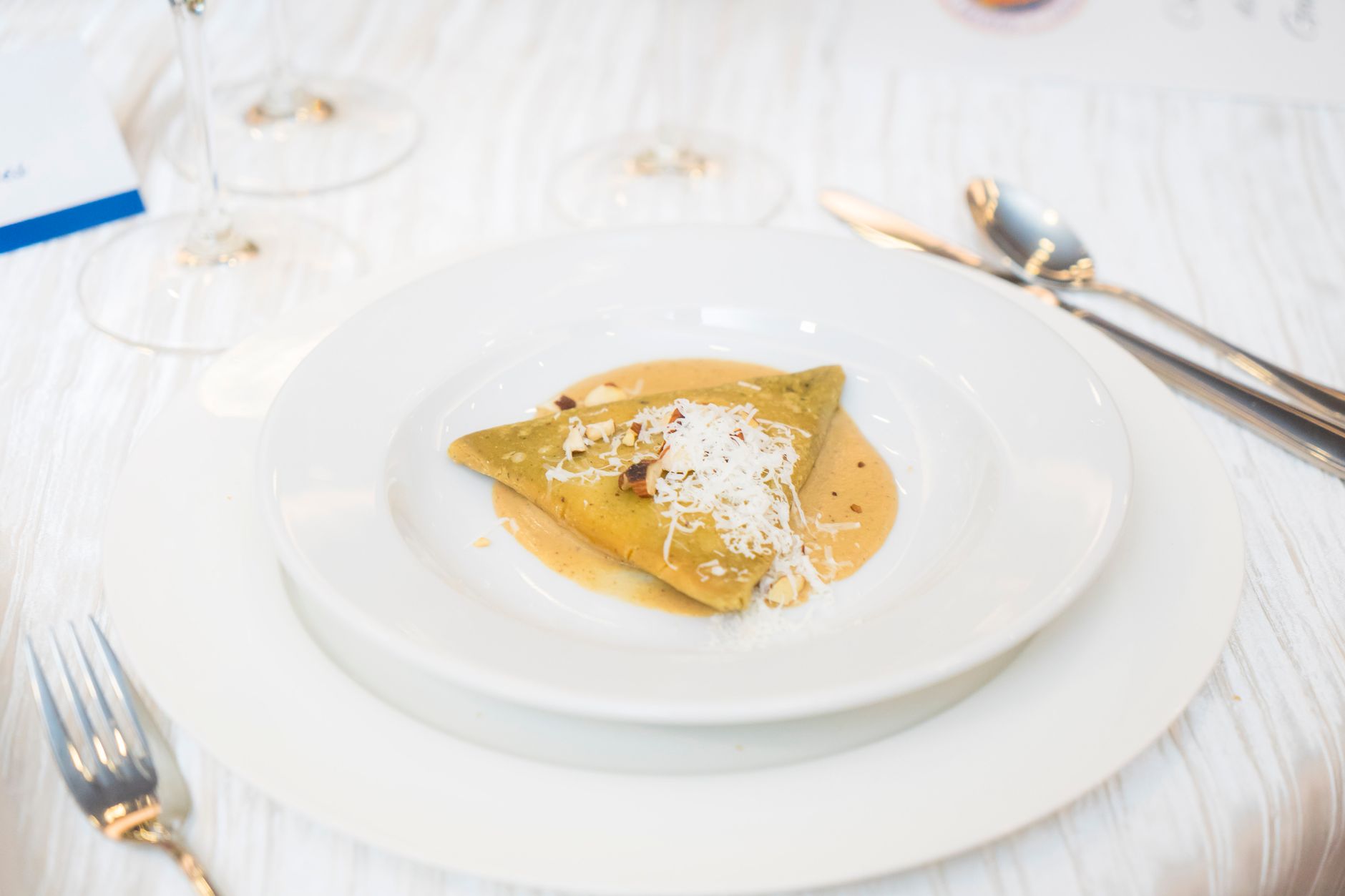
Pro Tips
- Control squash moisture: Roasting the squash whole keeps the flesh flavorful, but some squash releases more water than others. If the purée looks glossy and loose, add flour gradually rather than all at once.
- Keep pasta edges clean: Flour prevents sealing, while water helps the dough bond. Use a dry brush to remove loose semolina before moistening the edges.
- Use smaller filling portions: One level teaspoon is usually enough. Overfilled ravioli look attractive before cooking but are harder to seal securely.
- Brown butter by aroma and color: The milk solids first foam, then turn amber. When the pan smells like toasted nuts and the foam begins to settle, remove it from the heat briefly to prevent burning.
- Balance the richness: Lemon zest adds aroma without making the sauce watery. If you want more acidity, add only a few drops of lemon juice at the end.
- Prevent sticking: Keep shaped ravioli in a single layer on semolina. Do not stack them, and do not leave them on a wet surface.
- Use pasta water sparingly: Start with 2 tablespoons. Add more only if the butter does not coat the ravioli smoothly.
Questions & Answers
When is the best time to eat Butternut Squash Ravioli With Brown Butter Sage Sauce?
The best time to eat this ravioli is immediately after it is tossed with the warm brown butter sauce. Freshly cooked pasta has the best texture, and the sauce is most aromatic while the sage is crisp. For a dinner party, shape the ravioli ahead, refrigerate them briefly or freeze them, then boil them just before serving.
Can I make the ravioli filling ahead of time?
Yes, the filling can be made up to 2 days ahead and refrigerated in an airtight container. Let it sit at room temperature for about 15 minutes before filling the pasta so it is easy to portion. If the mixture releases moisture overnight, stir it well and add a small amount of flour only if it has become loose.
Why did my ravioli open while boiling?
Ravioli usually open because air or excess flour is trapped along the seam. Press outward from the filling to remove air, lightly dampen the pasta edges, and seal firmly before cutting. Do not boil too many pieces at once, since crowding causes them to bump together and can damage delicate seams.
Can I use store-bought pasta sheets?
Yes, fresh store-bought pasta sheets can save time. Choose sheets labeled for lasagna or filled pasta, then roll them thinner if needed. Keep them covered so they do not dry out. Avoid wonton wrappers for this recipe because their flavor and texture are different, although they can work for a quick, nontraditional version.
How do I know when brown butter is ready?
Brown butter is ready when it turns golden amber, the milk solids collect as small brown specks, and the aroma smells nutty. The butter will foam first, so watch the color underneath the foam. Remove the skillet from heat as soon as it reaches that stage because it can go from browned to burnt in less than a minute.
Can I make this recipe without a pasta machine?
Yes, you can roll the dough by hand with a rolling pin. Divide it into four pieces and roll each one until thin enough to see the outline of your hand beneath it. Work patiently, turning the dough often. Hand-rolled sheets may be slightly thicker, so boil the ravioli for an extra minute if needed.
What should I serve with squash ravioli?
Serve the ravioli with a crisp green salad, roasted broccoli, or sautéed greens. Keep side dishes lightly dressed because the brown butter sauce is rich. A simple Orzo salad recipe 1944175 can also work when you need a fresh, make-ahead side for a larger meal.
More Recipes You Will Love
If you enjoy homemade pasta with a simple sauce, try Pasta pomodoro for two. Its tomato, garlic, and basil flavors are bright and direct, making it a useful weeknight alternative to filled pasta.
For a cooler side dish, make the Orzo salad recipe 1944175. The fresh vegetables and tangy dressing balance rich main dishes and travel well for lunches or gatherings.
Conclusion
Butternut Squash Ravioli with Brown Butter Sage Sauce rewards a little patience with tender pasta, creamy roasted squash, and a deeply nutty finish. The key details are a firm filling, well-sealed edges, and close attention to the butter as it browns. Make the ravioli ahead when you can, then cook them fresh for the best texture. If you try the recipe, leave a rating or share how your batch turned out.
FAQs
When is the best time to eat Butternut Squash Ravioli With Brown Butter Sage Sauce?
The best time to eat this dish is during cool-weather dinners, especially in fall or winter when butternut squash is in season. Its creamy filling and nutty brown butter make it a satisfying main course for a relaxed meal with family or guests. Because the full recipe takes about 1 hour 50 minutes, it also suits weekend cooking or a special occasion.
Can I make butternut squash ravioli ahead of time?
Yes, the filling can be made a day ahead and kept covered in the refrigerator. Roast the squash, mash or process it with Parmesan, nutmeg, and salt, then chill it until firm. Make the pasta dough and assemble the ravioli shortly before cooking so the dough does not dry out and crack.
How do I store and reheat leftover ravioli?
Store cooked ravioli in an airtight container in the refrigerator for up to two days. To reheat, warm them gently in a pan with a little butter, or briefly drop them into simmering water until heated through. Avoid high heat, which can make the pasta tough and dry out the filling.
Can I freeze uncooked butternut squash ravioli?
Yes, uncooked ravioli freeze well. Arrange them in a single layer on a floured tray, freeze until firm, then transfer them to a sealed bag. Cook them straight from frozen in boiling salted water, allowing a few extra minutes beyond the usual cooking time.
Why is my butternut squash ravioli filling watery?
A watery filling usually means the squash was not roasted long enough or was not drained well. Roast the squash until tender and slightly caramelized, then let it cool and press out excess moisture before mixing in Parmesan and seasonings. Chilling the filling also makes it easier to spoon and seal without leaking.