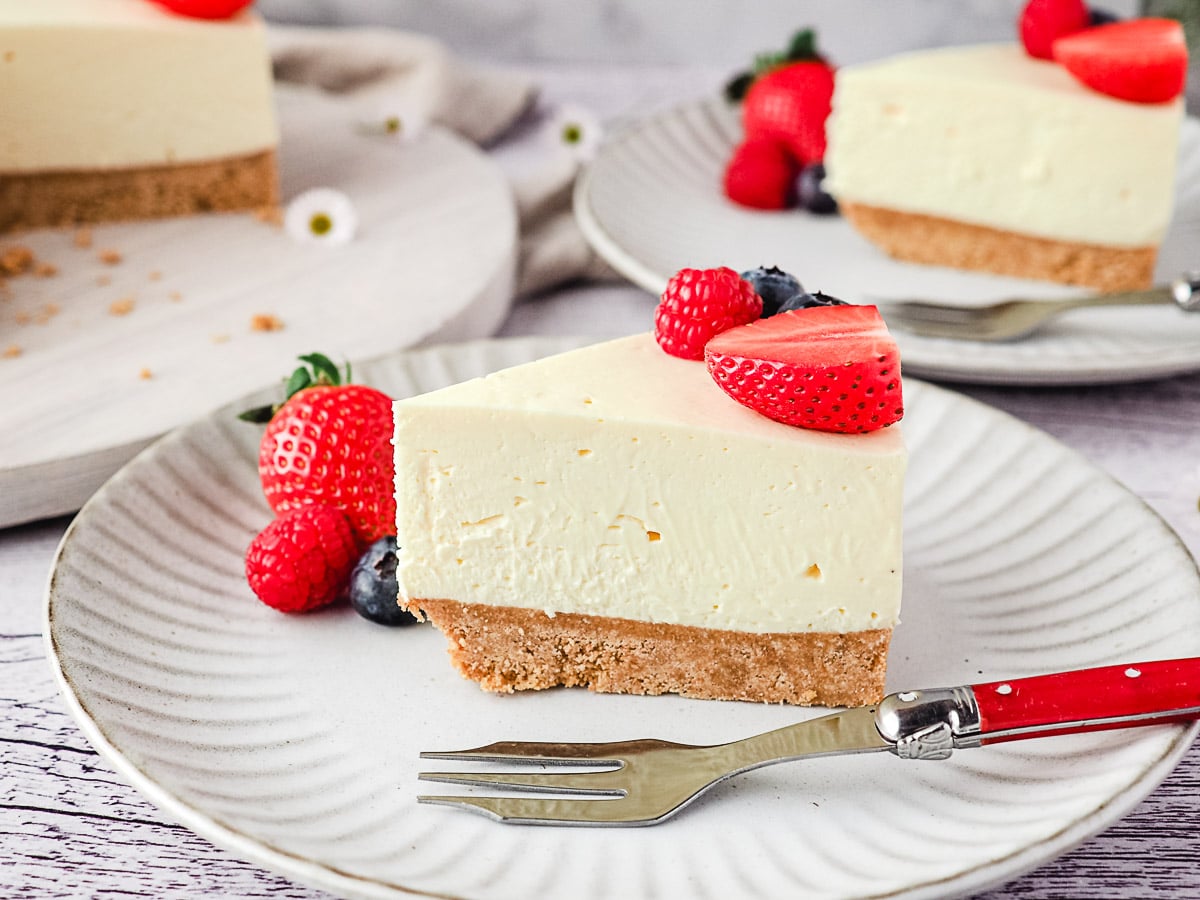
Why Buttercake with Macerated Strawberries and a Butter Soak
A warm butter aroma rises from these small golden cakes as the syrup sinks into every crumb. The strawberries turn glossy and tangy beside them, creating a dessert that feels special without complicated decorating.
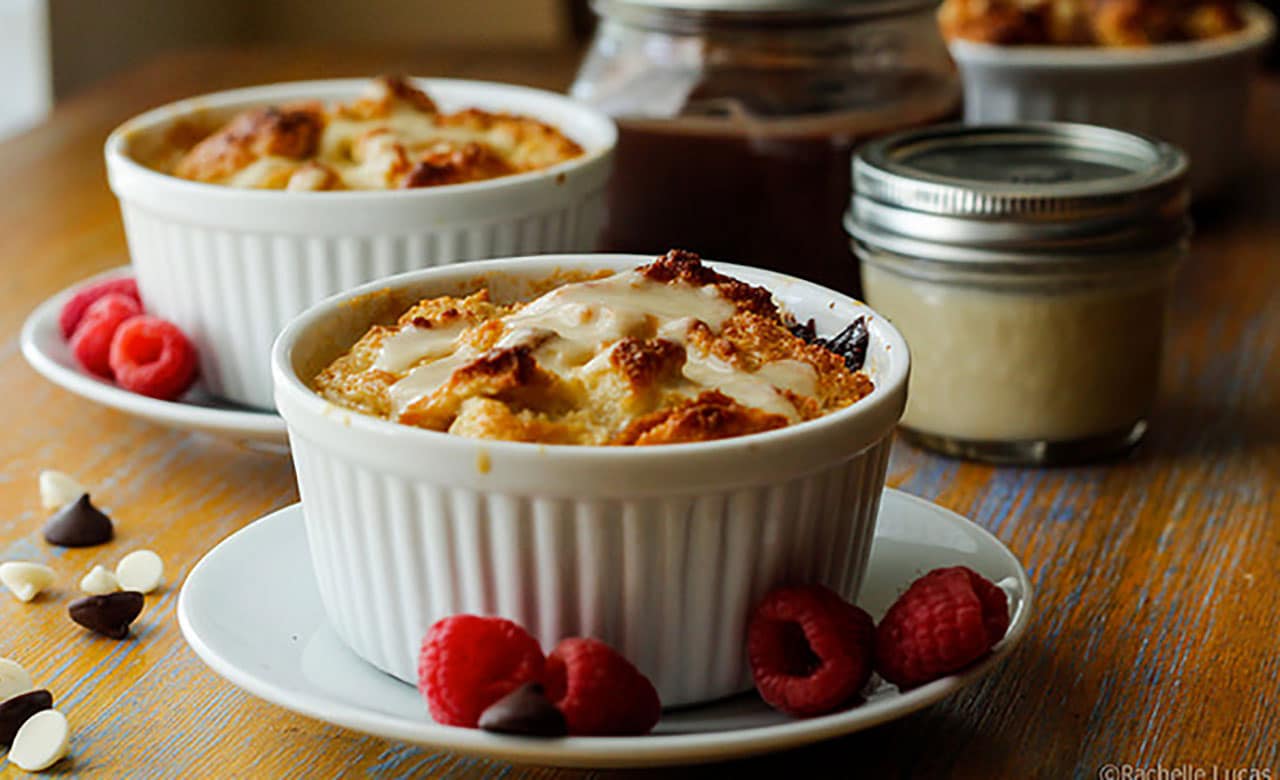
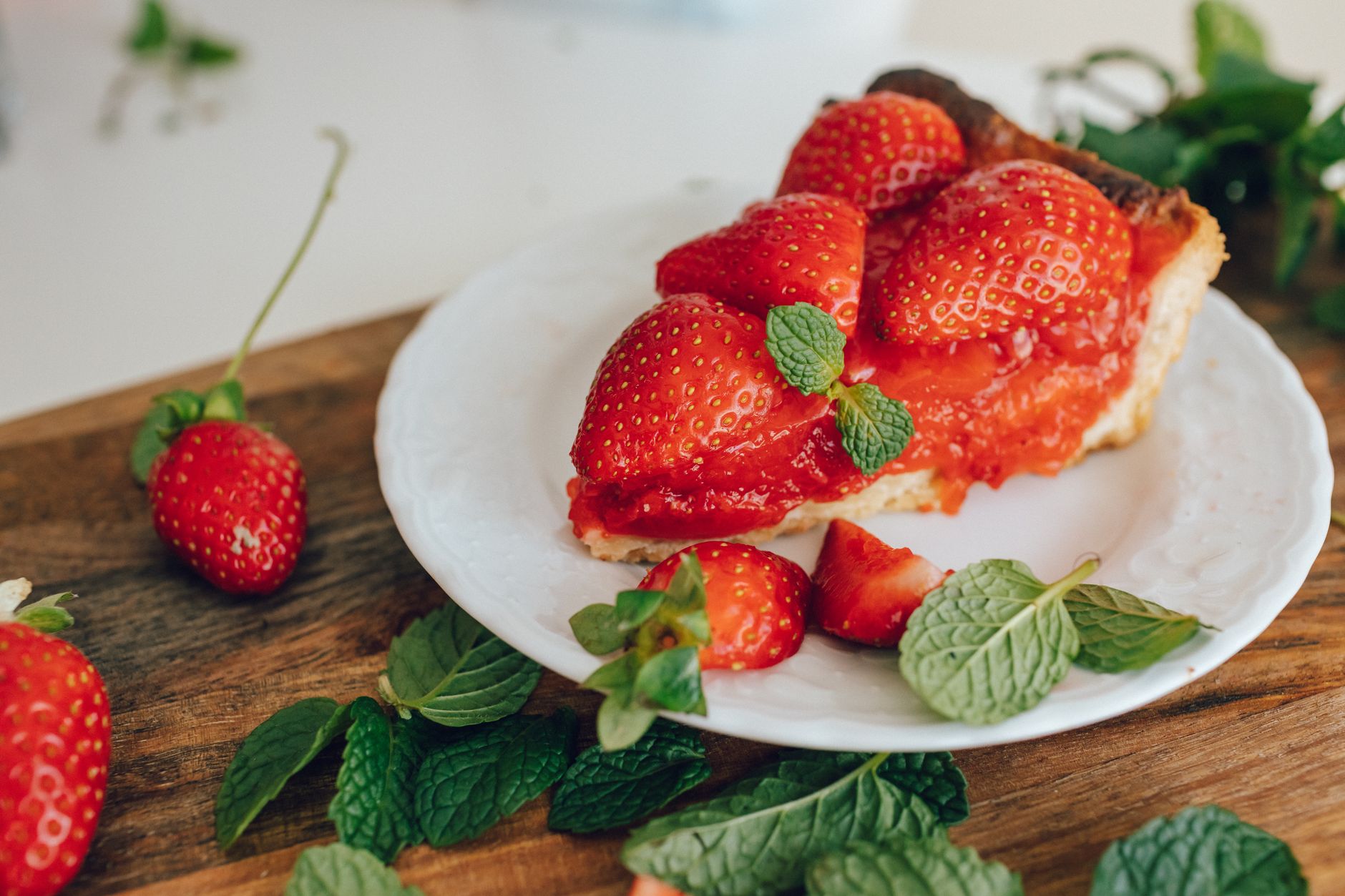
Buttercake with Macerated Strawberries and a Butter Soak is a tender mini Bundt cake finished with vanilla butter syrup, sweetened strawberries, and whipped cream. The cakes bake with lightly crisp edges, while the soak keeps the centers moist. A short rest lets the syrup absorb before serving.
I like making this recipe in a six-cavity mini Bundt pan because every cake gets plenty of browned ridges. You can also bake the batter as one larger Bundt cake, but the baking time will be longer and the doneness cue matters more than the clock.

Health Benefits & Nutrition
This is a rich dessert, so it is best enjoyed as an occasional treat rather than an everyday food. Its main ingredients are butter, cream cheese, sugar, flour, eggs, and strawberries.
- Strawberries add fruit and freshness. They provide vitamin C, water, and a little dietary fiber. Their natural acidity also balances the buttery cake.
- Eggs contribute protein. The eggs help bind the batter and give the cakes structure as they bake.
- Cream cheese adds richness and calcium. The amount in each serving is modest, but it contributes to the soft texture and creamy flavor.
- Portion size is easy to manage. Baking six individual cakes gives you a clear serving size, especially when the dessert is served with whipped cream.
The approximate nutrition is about 692 calories per mini cake before accounting for any extra chocolate or whipped cream. Values vary with the brands used and the amount of topping added. This recipe contains wheat, dairy, and eggs. Anyone managing an allergy, diabetes, or another medical condition should choose portions and substitutions with advice from a qualified health professional.
Ingredients & Preparation
Recipe Card
| Prep time | 1 hour 58 minutes, including cooling and soaking |
|---|---|
| Cook time | 27 minutes |
| Total time | 2 hours 25 minutes |
| Servings | 6 mini cakes |
| Calories | Approximately 692 per serving |
| Diet tags | Vegetarian dessert |
Full Ingredient List
- Nonstick cooking spray, for the pan
- 4 ounces cream cheese, softened to room temperature
- 1/2 cup light brown sugar
- 12 tablespoons unsalted butter, softened and divided
- 1 1/4 cups plus 1 tablespoon granulated sugar, divided
- 1 tablespoon plus 1 teaspoon vanilla extract, divided
- 2 large eggs
- 1 1/2 cups all-purpose flour
- 1/2 teaspoon kosher salt
- 1/2 teaspoon baking powder
- 1/4 teaspoon baking soda
- 1/2 cup water
- 2 cups strawberries, hulled and sliced
- Juice of 1/2 lemon, about 1 tablespoon
- Fresh whipped cream, for serving
- Melted chocolate, for serving, optional
Equipment Needed
- Six-cavity nonstick mini Bundt pan
- Stand mixer or hand mixer with a paddle or beater attachment
- Small saucepan
- Mixing bowls
- Toothpick or wooden skewer
- Large piping bag or sturdy food-safe plastic bag
- Wire cooling rack
Tips for Choosing Quality Ingredients
Use unsalted butter so the salt level stays easy to control. Soft butter should give slightly when pressed, but it should not look oily or melted. For the best batter texture, soften the cream cheese and butter at room temperature for about 45 to 60 minutes.
Choose strawberries that smell sweet and look bright red beneath the leaves. Smaller berries often have stronger flavor, but any ripe berry works. If the fruit is very sweet, the lemon juice keeps the topping lively rather than heavy.
Pure vanilla extract gives the syrup a rounded flavor, although a good vanilla paste can also be used. Avoid packing the flour into the measuring cup. Spoon it in and level it with a knife for lighter cakes.
Step-by-Step Instructions
1. Prepare the pan and batter base
Set the oven to 325°F and lightly coat all six cavities of the mini Bundt pan with nonstick spray. Pay special attention to the center tubes and deep grooves. In a mixer bowl, beat the cream cheese, brown sugar, 8 tablespoons of softened butter, and 3/4 cup granulated sugar on medium speed for 3 to 4 minutes.
The mixture should look pale, smooth, and fluffy. The first time I made these, I rushed this step and ended up with a denser crumb. Give the butter mixture the full mixing time, scraping the bowl once or twice.
2. Add the eggs and dry ingredients
Mix in 1 tablespoon vanilla extract on low speed. Add the eggs one at a time, beating for about 20 seconds after each addition. Scrape the sides of the bowl before adding the flour.
Whisk the flour, kosher salt, baking powder, and baking soda in a separate bowl. Add the dry mixture to the mixer in two additions on low speed. Stop mixing as soon as no dry streaks remain, usually after 30 to 45 seconds.
Overmixing can make the small cakes chewy instead of tender. The finished batter will be thick and scoopable, not pourable.
3. Fill and bake the mini Bundt cakes
Spoon the batter into a large piping bag or sturdy plastic bag. Snip off the corner and pipe the batter evenly into the six cavities, filling each about two-thirds full. Tapping the pan gently on a towel helps settle the batter into the ridges.
Bake at 325°F for 25 to 27 minutes. The cakes are ready when the tops are golden, the edges look set, and a toothpick inserted into the thickest part comes out with a few moist crumbs. You should also notice a warm butter-and-vanilla aroma. Avoid waiting for a completely dry toothpick, which can mean the cakes have gone too far.
4. Make the butter soak
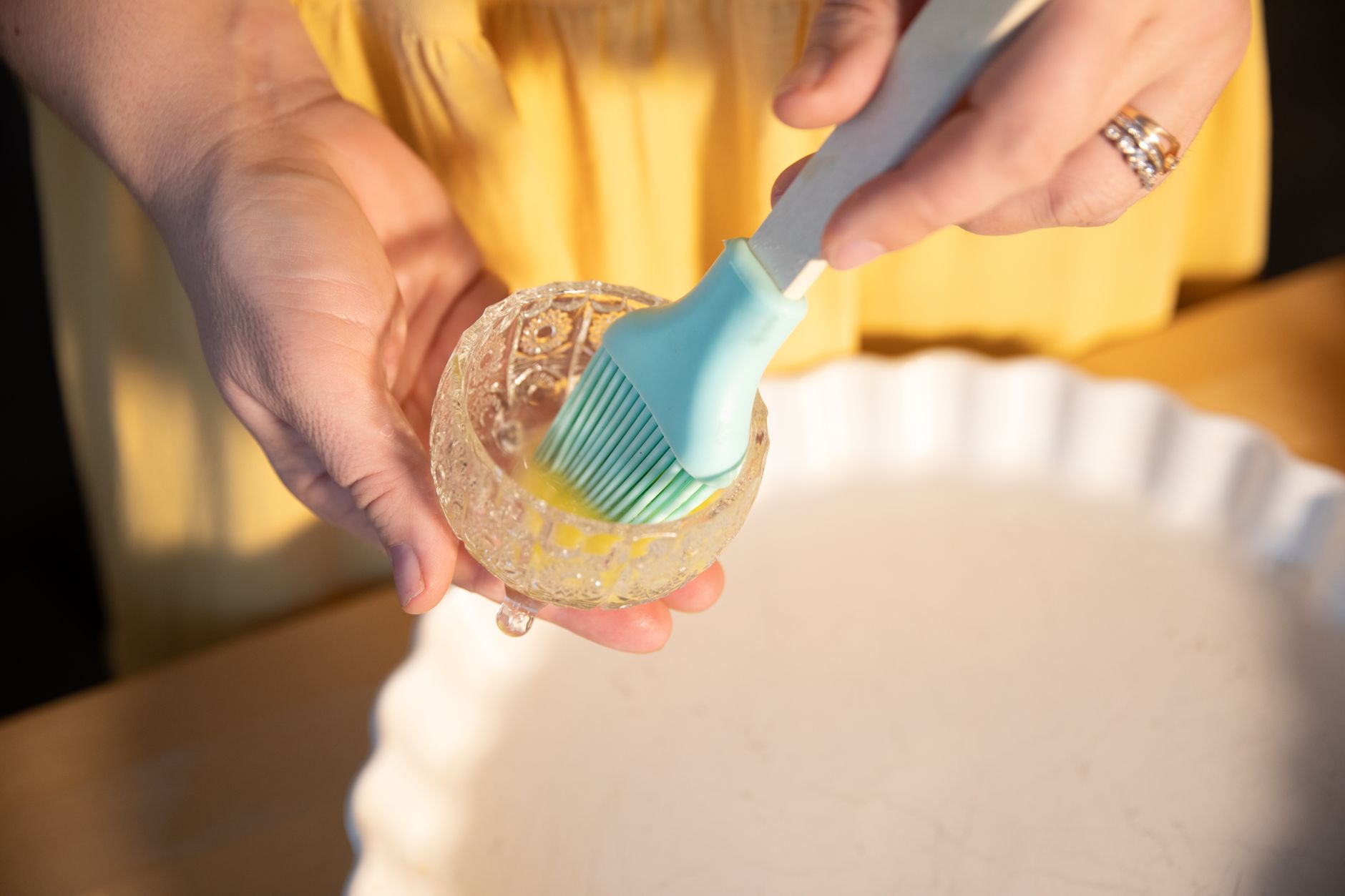
While the cakes bake, place the remaining 4 tablespoons butter, 1/2 cup granulated sugar, 1/2 cup water, and the remaining 1 teaspoon vanilla in a small saucepan. Warm over medium-low heat for 3 to 5 minutes, stirring occasionally.
The syrup is ready when the butter has melted and the sugar has dissolved. It should look translucent and lightly glossy, not thick like caramel. Do not boil it hard. A vigorous boil can reduce the liquid too much before it has a chance to soak into the cakes.
5. Soak, cool, and serve
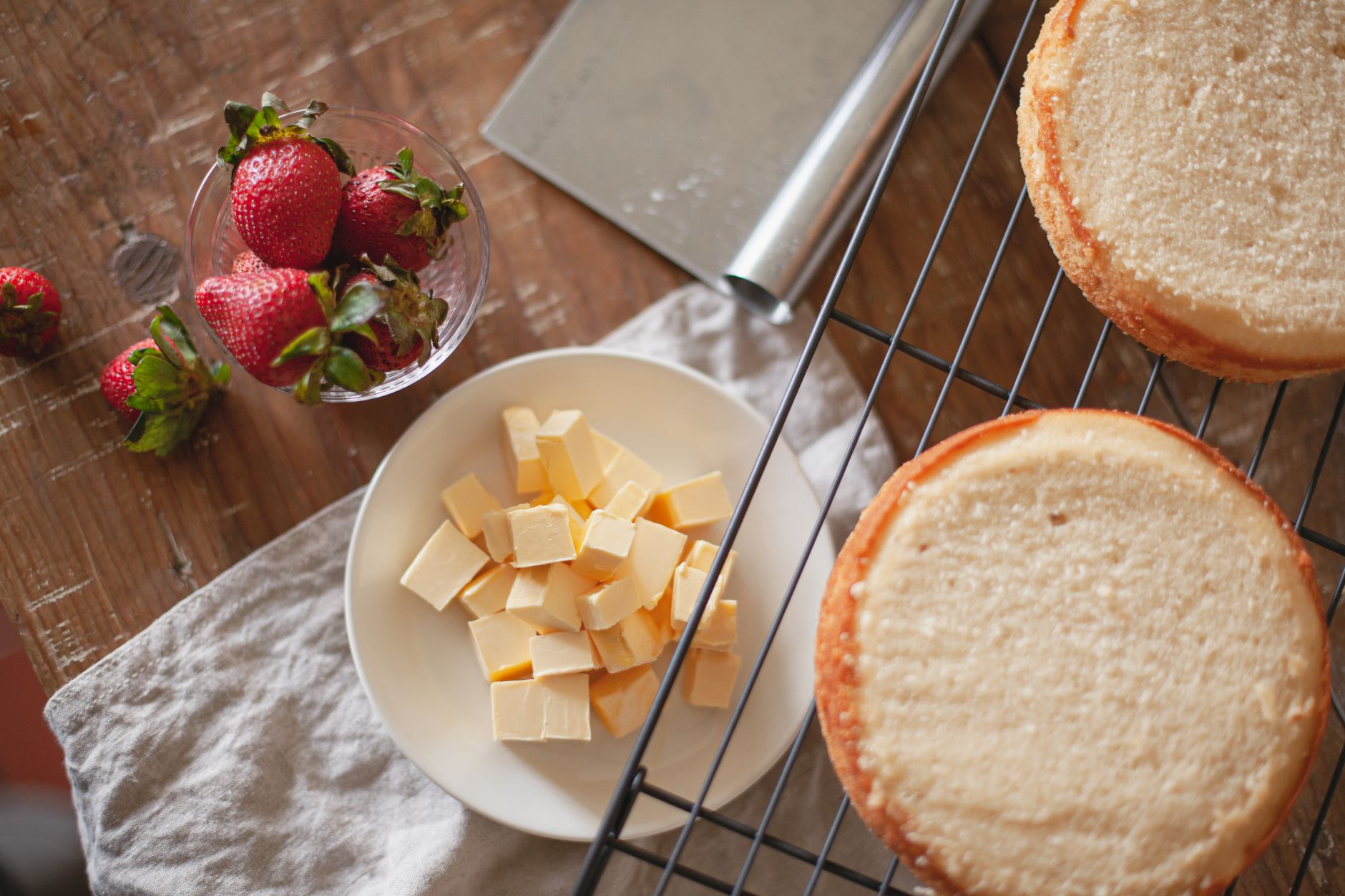
Transfer the baked cakes to a cooling rack while they remain in the pan. Use a toothpick to poke holes across the top and sides of each cake. Spoon the warm syrup over the cakes in stages, pausing briefly if the liquid begins to pool.
Let the cakes absorb the soak for 20 minutes, then carefully loosen the edges and turn them out. Cool completely, which takes about 45 minutes to 1 hour. Toss the sliced strawberries with the lemon juice and 1 tablespoon granulated sugar. Let them stand for 15 to 20 minutes, until glossy and juicy.
Serve each cake with the macerated berries, whipped cream, and a thin drizzle of melted chocolate if desired.
Variations & Substitutions
- One large Bundt cake: Use a 10- to 12-cup Bundt pan and increase the baking time to approximately 45 to 55 minutes. Begin checking at 45 minutes. Make the same quantity of syrup, but add it gradually.
- Raspberry topping: Replace half or all of the strawberries with raspberries. Use 2 cups of berries and the same 1 tablespoon lemon juice. Raspberries soften faster, so macerate them for only 10 minutes.
- Orange-vanilla version: Replace the lemon juice with 1 tablespoon orange juice and add 1 teaspoon finely grated orange zest to the strawberries. Keep the syrup quantities unchanged.
- Gluten-free cakes: Substitute 1 1/2 cups of a cup-for-cup gluten-free flour blend containing xanthan gum. The texture may be slightly more delicate, so cool the cakes fully before turning them out.
- Without cream cheese: Use 4 ounces softened mascarpone in the batter. It creates a similarly rich crumb, though the cakes may taste a little less tangy.
- Chocolate finish: Skip the melted chocolate for a cleaner fruit flavor, or drizzle about 1 tablespoon per serving. Dark chocolate works especially well with the tart strawberries.
Storage & Shelf Life
Store the cooled cakes in an airtight container at room temperature for up to 2 days if they are not topped with fruit or whipped cream. Keep the macerated strawberries refrigerated in a covered container and use them within 2 days.
Once assembled with berries or whipped cream, refrigerate the dessert and eat it within 24 hours. The fruit releases more liquid over time, which can soften the cake surface.
To freeze the cakes, cool them completely and wrap each one tightly in plastic wrap. Place the wrapped cakes in a freezer bag or airtight container for up to 2 months. Thaw them overnight in the refrigerator, then bring them to room temperature before serving. Do not freeze the fresh strawberry topping or whipped cream.
Discard the dessert if you notice mold, a sour fermented smell, slimy fruit, or an unusually sticky cake surface. When in doubt, do not taste it to test freshness.
Pro Tips
Grease the pan immediately before filling it. Nonstick spray works best when it reaches every narrow groove, but excessive spray can leave a greasy film on the finished crust. A light, even coat is enough.
Room-temperature ingredients combine more evenly than cold ones. If you forget to soften the cream cheese, cut it into small cubes and let it stand for 15 minutes. Do not microwave it until warm, because melted spots can loosen the batter.
Pipe the batter rather than dropping large spoonfuls into the pan. Piping helps it reach the central tube and outer ridges without trapped air pockets. If you use a spoon, press the batter firmly into the grooves with the back of the spoon.
Pour the soak slowly. My best result came from spooning a little syrup over each cake, waiting 30 seconds, then adding the rest. The first time I poured it all at once, some syrup ran around the pan instead of entering the holes.
Macerate the strawberries shortly before serving. The sugar draws out juice quickly, while the lemon keeps the flavor bright. For cleaner plating, spoon the berries on top rather than pouring all their liquid over the cake.

Questions & Answers
When is the best time to eat Buttercake With Macerated Strawberries And A Butter Soak?
The best time to eat it is after the cakes have cooled completely and the strawberries have rested for 15 to 20 minutes. This gives the syrup time to settle into the crumb and lets the fruit become glossy without turning mushy. Serve the cake at room temperature with chilled whipped cream.
Can I make the cakes ahead of time?
Yes, you can bake and soak the cakes one day ahead. Cool them fully, cover them, and store them at room temperature for up to 2 days. Prepare the strawberries on the day of serving when possible. Add whipped cream and fruit shortly before bringing the dessert to the table.
Why did my mini Bundt cakes stick to the pan?
Sticking usually means the grooves were not coated thoroughly or the cakes were turned out too soon. Spray the pan shortly before filling it, including the center tubes. Let the baked cakes rest in the pan for 20 minutes after soaking, then loosen the edges gently before inverting.
Can I use frozen strawberries?
Fresh strawberries are best for this topping, but frozen berries can work in a cooked sauce. Thaw and drain them, then warm them briefly with the sugar and lemon juice. Do not macerate frozen berries as if they were fresh, because they tend to release too much water and become soft.
How do I know the butter soak is ready?
The soak is ready when the butter melts, the sugar dissolves, and the liquid looks clear and glossy. This usually takes 3 to 5 minutes over medium-low heat. It does not need to boil. If sugar crystals remain on the bottom, stir gently for another minute before removing the pan from the heat.
Can I make this recipe without a mini Bundt pan?
Yes, use a standard 10- to 12-cup Bundt pan or a loaf pan. A large Bundt cake usually needs 45 to 55 minutes at 325°F, while a loaf may need approximately 55 to 70 minutes. Check the center with a toothpick and add the soak gradually after baking.
What can I serve instead of whipped cream?
Serve the cakes with lightly sweetened mascarpone, vanilla ice cream, or plain Greek-style yogurt. Mascarpone gives the richest texture, while yogurt adds gentle tang. Keep the topping unsweetened or only lightly sweetened because the cake and syrup already provide plenty of sweetness.
More Recipes You Will Love
If you enjoy tender cakes with creamy toppings and bright fruit, try these Blueberry crumble cheesecake muffins. They have a soft cheesecake center and a crisp, buttery topping.
For another fruit-forward dessert, make this Blueberry cake with lemon mascarpone cream. The lemon cream brings the same fresh contrast that makes the strawberries work so well here.
Conclusion
Buttercake with Macerated Strawberries and a Butter Soak brings together crisp cake edges, a moist vanilla center, juicy berries, and soft cream. The process is simple, but the timing matters: cream the butter mixture fully, pour the syrup slowly, and let the cakes cool before serving. Make the recipe for a small celebration or an easy weekend dessert. If you try it, share how you served yours and leave a rating or comment.
FAQs
When is the best time to eat Buttercake With Macerated Strawberries And A Butter Soak?
The best time to eat Buttercake With Macerated Strawberries And A Butter Soak is after the cakes have rested and the butter syrup has soaked into the crumb. Serve it as a dessert after a meal or with afternoon coffee, while the strawberries are glossy and the whipped cream is cold.
How should I store leftover Buttercake With Macerated Strawberries And A Butter Soak?
Store leftover Buttercake With Macerated Strawberries And A Butter Soak covered in the refrigerator. Keep the cakes and strawberries separate until serving so the cake stays tender, and add fresh whipped cream just before eating. Because the dessert contains dairy and eggs, do not leave it at room temperature for long periods.
Can I bake Buttercake With Macerated Strawberries And A Butter Soak as one large Bundt cake?
Yes, you can bake the batter as one large Bundt cake instead of six mini cakes. Grease the pan well, then bake until a toothpick inserted into the thickest part comes out clean, which takes longer than the 27 minutes listed for the mini cakes. Let the cake cool before adding the butter syrup.
Can I replace the cream cheese in Buttercake With Macerated Strawberries And A Butter Soak?
Replacing the cream cheese will change the texture, so the cake may turn out drier or less rich. Cream cheese adds moisture and a tender crumb, so any substitute will need careful testing. Check the cakes for doneness early to avoid overbaking.
Why is my Buttercake With Macerated Strawberries And A Butter Soak dry?
A dry Buttercake With Macerated Strawberries And A Butter Soak is usually overbaked or overmixed. Check the cakes at the low end of the baking time and remove them once a toothpick comes out clean. Mix the flour only until combined, and spoon the butter syrup over the cakes while they are still warm.