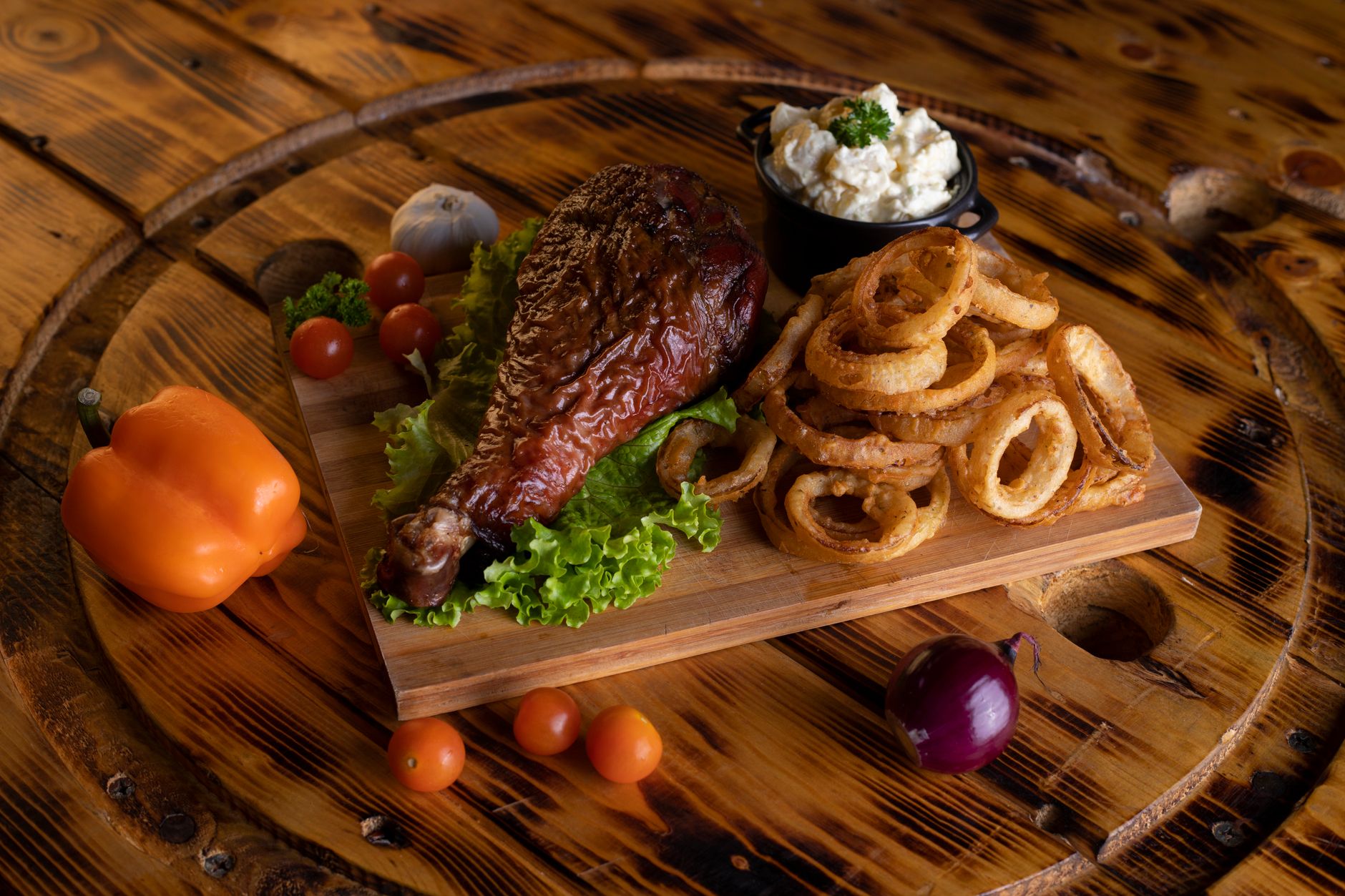
Why Brown Sugar Soy Turkey Legs?
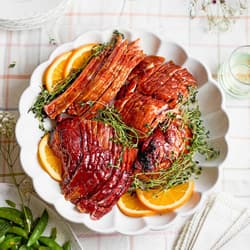
The glaze bubbles into a glossy, mahogany coating while ginger, garlic, and orange fill the kitchen with a warm citrus aroma. Brown Sugar Soy Turkey Legs offer tender dark meat, crisp edges, and plenty of sauce without the stress of roasting a whole bird.
Brown Sugar Soy Turkey Legs are turkey drumsticks brined with orange juice, ginger, pepper, and salt, then slowly roasted and brushed with a sweet-salty soy glaze. The covered roasting stage keeps the meat juicy, while repeated glazing creates caramelized edges and a bold, savory finish. This recipe makes eight generous legs.
I like serving them at Friendsgiving, Thanksgiving, or any casual gathering where guests can pick up a drumstick and eat comfortably. The legs can also roast while you finish side dishes, which makes them much easier to manage than a whole turkey.
Health Benefits & Nutrition
Turkey legs provide substantial protein, which helps make this dish filling. Dark turkey meat also contains iron, zinc, selenium, and several B vitamins. The meat is richer and more flavorful than turkey breast, so a modest portion can still feel satisfying.
Orange juice contributes bright acidity and vitamin C, while ginger, garlic, scallions, and jalapeño add flavor without needing extra fat. The aromatics are mainly used for seasoning, but they also make the brine and glaze taste layered rather than simply sweet.
The main nutritional consideration is sodium. Soy sauce, fish sauce, Worcestershire sauce, and the brine all contribute salt. Use low-sodium soy sauce if you prefer, and avoid adding extra salt to the finished dish. The brown sugar glaze also makes this a rich recipe, so pair it with unsalted vegetables, rice, or a crisp salad.
As a rough estimate, one turkey leg with glaze contains about 820 calories, 94 grams of protein, 34 grams of carbohydrates, and 32 grams of fat. The actual amount varies with the size of the legs, how much glaze remains in the pan, and how much skin you eat. Anyone managing sodium intake or following a medically prescribed diet should adjust the recipe with guidance from a qualified healthcare professional.
Ingredients & Preparation
Recipe Card
| Prep time | 8 hours 10 minutes, including brining |
|---|---|
| Cook time | 2 hours |
| Total time | 10 hours 10 minutes |
| Servings | 8 turkey legs |
| Calories | Approximately 820 per serving |
| Diet tags | High-protein, dairy-free |
Full ingredient list
- 1 quart water, for heating the brine
- 1 cup kosher salt
- 1/2 cup thinly sliced fresh ginger
- 1/4 cup whole black peppercorns
- 4 whole star anise, optional
- 1 quart orange juice, divided
- 2 quarts cold water
- 8 uncooked turkey legs
- 2 cups packed light brown sugar
- 1 cup water, for the glaze
- 1 cup soy sauce
- 1/4 cup fish sauce or Worcestershire sauce
- 1 bunch scallions, about 8, thinly sliced with whites and greens separated
- 4 garlic cloves, minced
- 2 jalapeños, minced
- 1 cup water, for the roasting pan
Equipment needed
- Medium saucepan
- Large food-safe container or brining bag
- Large rimmed baking sheet or roasting pan
- Aluminum foil
- Small saucepan
- Pastry brush or large spoon
- Instant-read thermometer
- Tongs
Tips for choosing quality ingredients
Choose turkey legs that are similar in size so they finish cooking together. Very large drumsticks may need extra time, while smaller ones can become tender sooner. Look for plump legs with intact skin and no excessive liquid in the package.
Fresh ginger gives the brine a cleaner, warmer aroma than powdered ginger. Use fresh orange juice if convenient, but refrigerated store-bought juice works well too. For the glaze, regular soy sauce gives the fullest flavor; low-sodium soy sauce produces a milder, more flexible result.
Fish sauce adds a deeper savory note, but Worcestershire sauce is a useful substitute with a slightly tangier finish. I have tried using only soy sauce, and the glaze tasted flatter, so keep one of these additional savory ingredients if possible.
Step-by-Step Instructions
1. Make the brine and chill the turkey for 8 hours
Bring 1 quart water to a boil in a medium saucepan. Add the kosher salt, sliced ginger, black peppercorns, and star anise if using. Reduce the heat to low and simmer for 10 minutes, until the brine smells peppery and fragrant.
Pour the hot mixture into a large food-safe container. Stir in 1 quart orange juice and 2 quarts cold water. Let the liquid cool until it is no longer hot, then add the turkey legs. Cover and refrigerate for 8 to 18 hours. Do not leave the turkey in the brine longer than 18 hours, or the texture can become overly salty.
2. Prepare the pan and roast the legs covered at 400°F for 40 minutes
Heat the oven to 400°F. Line a large rimmed baking sheet or roasting pan with foil. Remove the legs from the brine and discard the liquid. Pat the turkey dry with paper towels, then arrange the legs in a single layer.
Mix the remaining 1 cup orange juice with 1 cup water and pour it into the pan around the turkey. Cover the pan tightly with foil. Roast for 40 minutes. The covered pan should smell citrusy and savory, and the liquid should be gently steaming when you lift the foil.
3. Cook the brown sugar-soy glaze for 10 minutes
While the turkey roasts, add the brown sugar and 1 cup water to a small saucepan over medium heat. Stir occasionally until the sugar dissolves and the mixture begins to bubble, about 6 minutes.
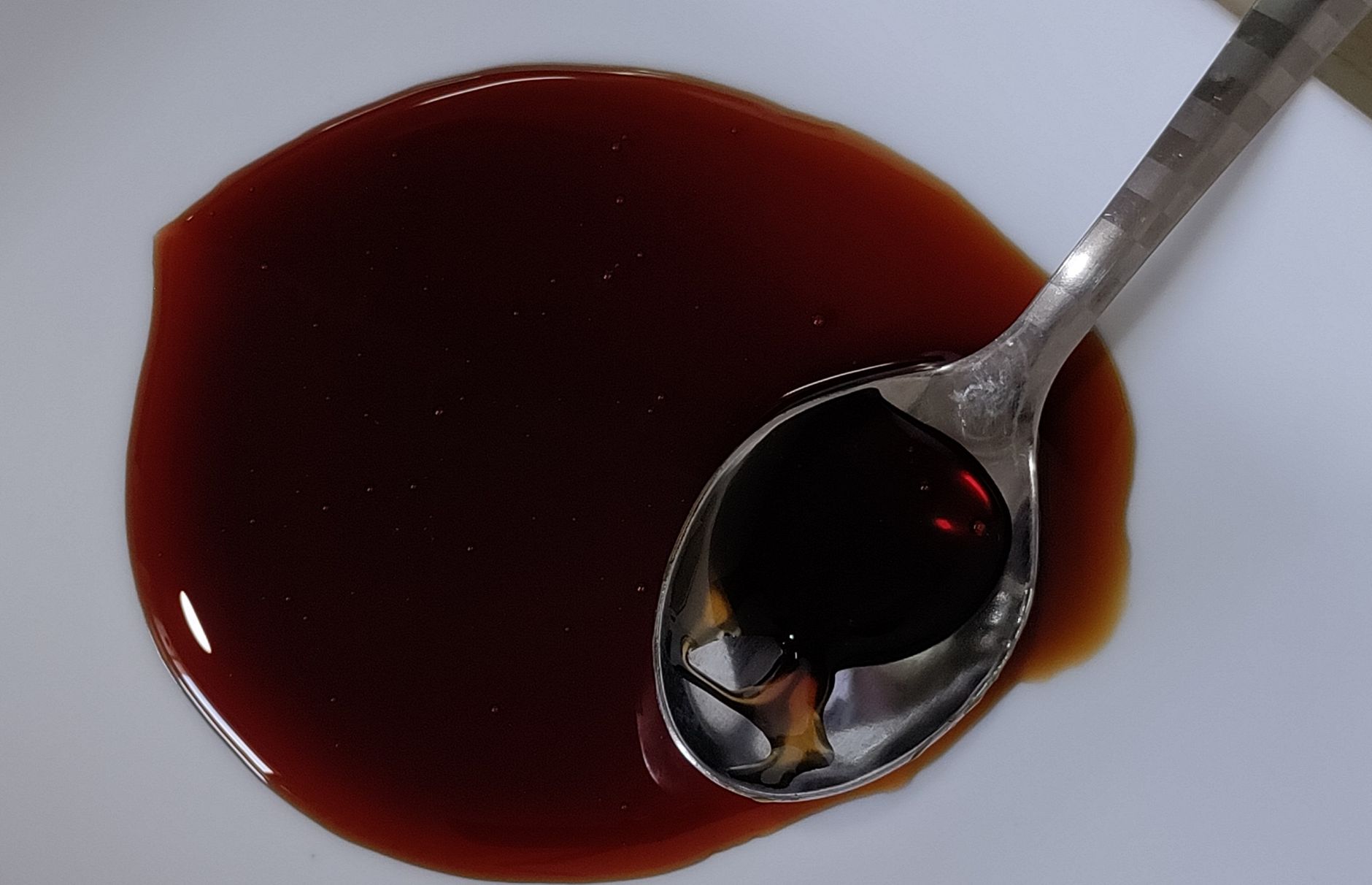
Reduce the heat to low. Carefully add the soy sauce in four additions, pausing between each addition because the syrup will hiss and release hot steam. Stir in the fish sauce or Worcestershire sauce, scallion whites, garlic, and jalapeños. Simmer gently for 4 minutes, then remove the pan from the heat.
The first time I made this glaze, I poured in all the soy sauce at once. It foamed aggressively and splattered the stovetop. Adding it gradually keeps the process much safer.
4. Glaze and roast uncovered at 400°F for 20 minutes
Remove the foil from the roasting pan. Brush the turkey legs generously with half of the warm glaze, turning them with tongs so the skin is coated on all sides. Return the pan to the 400°F oven and roast uncovered for 20 minutes.
The skin should begin turning deep golden brown, and the glaze should cling instead of running off like a thin sauce. If the surface darkens too quickly, loosely cover the legs with foil while they finish cooking.
5. Baste again and finish roasting for 40 minutes
Brush the legs with the remaining glaze, turning them once more to coat the exposed sides. Continue roasting uncovered at 400°F for 40 minutes, or until the thickest part of each leg reaches at least 165°F on an instant-read thermometer.
For especially large legs, continue roasting in 10-minute increments until they reach temperature. The meat should feel tender when pierced, the skin should look glossy and caramelized, and the pan juices should sizzle around the edges. Rest the turkey for 10 minutes before scattering the scallion greens over the top.
Variations & Substitutions
- Less spicy: Omit the jalapeños completely, or use one seeded jalapeño for a mild pepper flavor. The glaze remains balanced without them.
- Extra citrus: Replace 1/2 cup of the orange juice in the final glaze mixture with pineapple juice. It adds sweetness and acidity, but do not replace all the orange juice because the citrus aroma becomes less noticeable.
- Low-sodium version: Use low-sodium soy sauce and reduce the brine salt to 3/4 cup. Keep the brining time to 8 hours and avoid adding salt elsewhere.
- Worcestershire substitute: Replace the 1/4 cup fish sauce with 1/4 cup Worcestershire sauce. Do not use both at the full amount, or the finished glaze may become too salty.
- Boneless turkey: Use about 4 pounds of boneless turkey thighs instead of drumsticks. Brine for 6 to 8 hours, then begin checking the meat after 50 minutes of total roasting.
- More aromatic brine: Add two lightly crushed garlic cloves or two strips of orange zest to the brine. Avoid adding extra salt-based seasonings.
Storage & Shelf Life
Refrigerate cooked turkey legs within two hours of serving. Place them in a shallow airtight container and keep them refrigerated for up to 4 days. Store any extra glaze separately if it has not touched raw turkey; glaze that has contacted raw poultry should be heated thoroughly before reuse.
To freeze the cooked legs, cool them completely, wrap each one tightly in foil, and place the wrapped portions in a freezer bag. Freeze for up to 2 months for the best texture. Thaw overnight in the refrigerator, then reheat covered at 325°F until the thickest part reaches 165°F.
Discard leftovers that smell sour, feel unusually slimy, or show mold or other discoloration. Do not taste food to check whether it is safe. Reheat only the portion you plan to eat, since repeated heating dries the meat and reduces quality.
Pro Tips
Cool the brine before adding the turkey. A warm brine can raise the poultry’s temperature and create an unsafe holding environment. Using cold water and orange juice also brings the mixture to a usable temperature quickly.
Dry the legs thoroughly after brining. Excess surface moisture causes steaming and makes it harder for the glaze to cling. A short pat-down with paper towels makes a noticeable difference to the final skin.
Keep the glaze warm, not boiling, while the turkey roasts. If it becomes too thick to brush, loosen it with 1 to 2 tablespoons of water over low heat. A thin coating applied several times caramelizes more evenly than one heavy layer.
Protect the pan from stubborn caramelized sugar by lining it with foil and adding the orange-water mixture before roasting. The liquid also creates steam during the covered stage, which helps soften the meat around the bone.
Use an instant-read thermometer in the thickest part of the meat without touching the bone. Temperature matters more than color near the bone, where turkey can remain pink even after it is safely cooked.
For easier serving, let the legs rest before transferring them to a platter. I found that moving them immediately caused some of the glaze to slide off. Ten minutes gives the coating time to set while the juices settle.
Questions & Answers
When is the best time to eat Brown Sugar Soy Turkey Legs?
The best time to eat these turkey legs is immediately after a 10-minute rest. The glaze is still glossy, the skin is at its crispest, and the meat remains juicy. They are especially suited to holiday dinners, backyard gatherings, and buffet-style meals where guests can serve themselves without carving a whole turkey.
Can I brine the turkey legs overnight?
Yes, brine the turkey legs overnight for 8 to 18 hours. Keep the container covered in the refrigerator throughout the brining period. Do not exceed 18 hours, because the salt can dominate the flavor and affect the meat’s texture.
How do I know when turkey legs are fully cooked?
Turkey legs are fully cooked when the thickest part reaches at least 165°F. Insert the thermometer into the meat without touching the bone. Large legs may require extra roasting time, so rely on the internal temperature rather than the scheduled cooking time alone.
Why did my glaze become hard or grainy?
The glaze may become hard or grainy if the sugar gets too hot or cools completely before brushing. Keep it over low heat or rewarm it with a tablespoon of water. Stir gently rather than vigorously once the soy sauce has been added, which helps maintain a smooth texture.
Can I make these turkey legs ahead of time?
Yes, cook the turkey legs up to 2 days ahead and refrigerate them in a covered container. Reheat them at 325°F with a few tablespoons of water in the pan, covered with foil. Brush with a little reserved glaze during the final 10 minutes to refresh the surface.
What should I serve with glazed turkey legs?
Serve them with steamed rice, roasted sweet potatoes, green beans, coleslaw, or a crisp cucumber salad. Choose sides with little added salt because the glaze is already savory. A sharp vinegar dressing also cuts through the brown sugar and rich dark meat.
Can I cook this recipe on a grill?
Yes, finish the brined legs over indirect medium heat at about 350°F to 375°F after cooking them covered in the oven. Brush with glaze during the final 20 to 30 minutes, turning often. Avoid high direct heat because the brown sugar can burn before the meat is tender.
More Recipes You Will Love
For another easy meal-planning idea, browse the Best smoothies for diabetics. The collection offers lighter breakfast and snack inspiration for days when a rich dinner is not on the menu.
If your gathering includes warm, soothing foods and drinks, you may also find What causes a sore throat useful for general food and comfort information. For the main meal, pair these glazed legs with simple vegetables and a bright salad.
Leftover turkey also works well shredded over rice or tucked into a sandwich. Add a little extra glaze and crunchy slaw for a quick second-day lunch.
Conclusion
Brown Sugar Soy Turkey Legs bring together tender dark meat, aromatic brine, and a glossy glaze with just the right balance of sweet, salty, spicy, and tangy flavors. The covered roast keeps the turkey moist, while the final uncovered cooking creates caramelized edges. Brine the legs ahead, use a thermometer, and let them rest before serving. If you make this recipe, please leave a rating or comment and share how you served it.
FAQs
When is the best time to eat Brown Sugar Soy Turkey Legs?
Brown Sugar Soy Turkey Legs are best eaten warm, within a few hours of leaving the oven, when the glaze is glossy and the edges are crisp. They suit Thanksgiving, Friendsgiving, and casual holiday gatherings because guests can eat them by hand. Serve them with rice or a crisp salad to balance the rich glaze.
Can you make Brown Sugar Soy Turkey Legs ahead of time?
Yes, you can prepare Brown Sugar Soy Turkey Legs partly in advance. The legs can be brined ahead in the refrigerator, and the glaze can be made and chilled before roasting. Cooked legs should be refrigerated within two hours and reheated until hot throughout before serving.
Can you skip fish sauce in Brown Sugar Soy Turkey Legs?
Yes, you can skip fish sauce in Brown Sugar Soy Turkey Legs without ruining the recipe. The ingredient list allows Worcestershire sauce as a substitute, and omitting both will make the glaze sweeter and slightly less savory. Taste the glaze before brushing it on and add a little extra soy sauce if needed.
How do you keep turkey legs from drying out?
To keep turkey legs from drying out, roast them covered during the first stage and check doneness with an instant-read thermometer. Dark meat is typically most tender when cooked to about 175°F, which is above the USDA minimum of 165°F. Brush the legs with glaze repeatedly during the final stage so the surface stays moist.
How long do leftover turkey legs last in the fridge?
Leftover turkey legs keep for three to four days in the refrigerator when stored in an airtight container. Cool them within two hours of cooking before refrigerating. Reheat until steaming hot, and freeze extra portions if you need them to last longer.