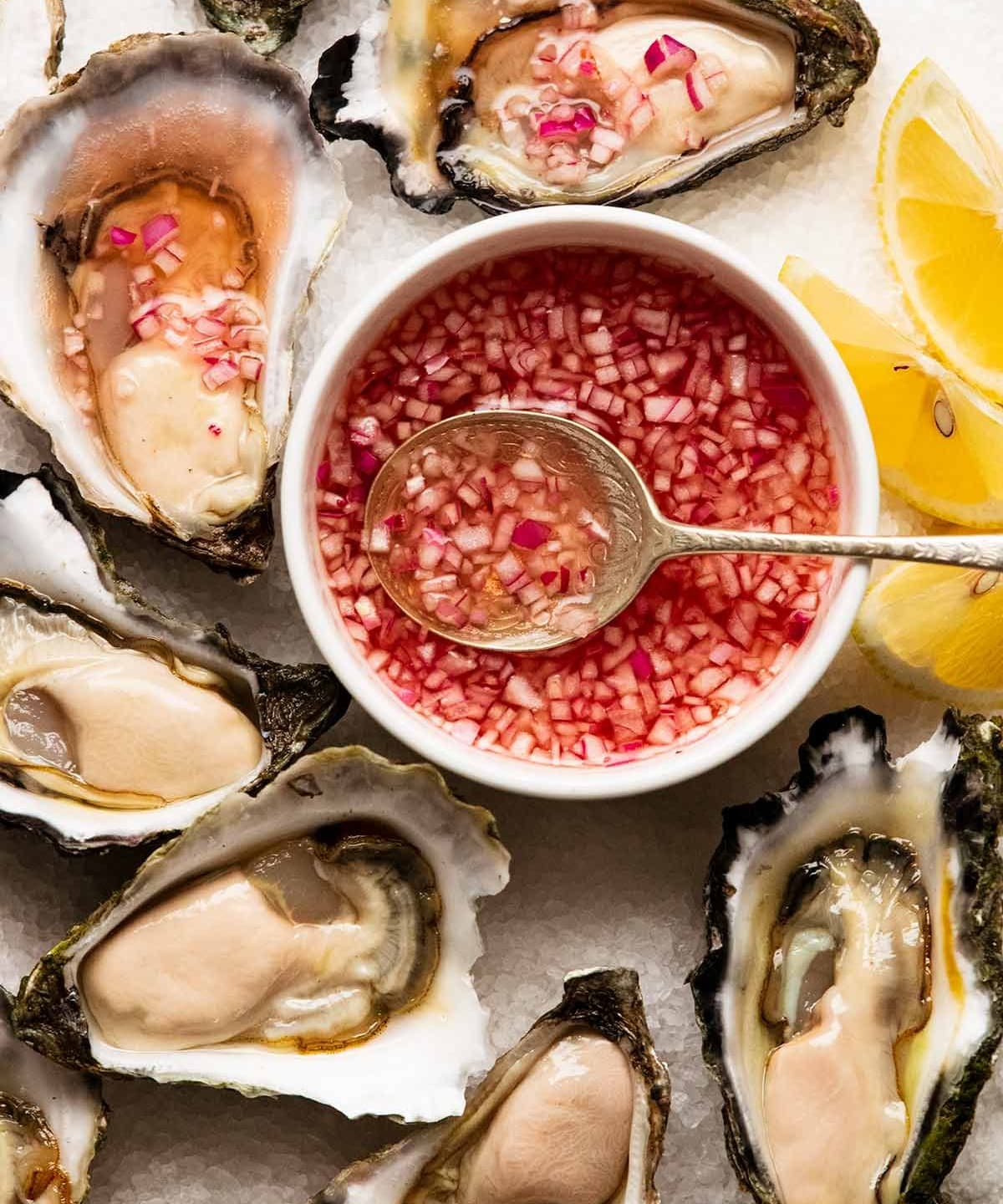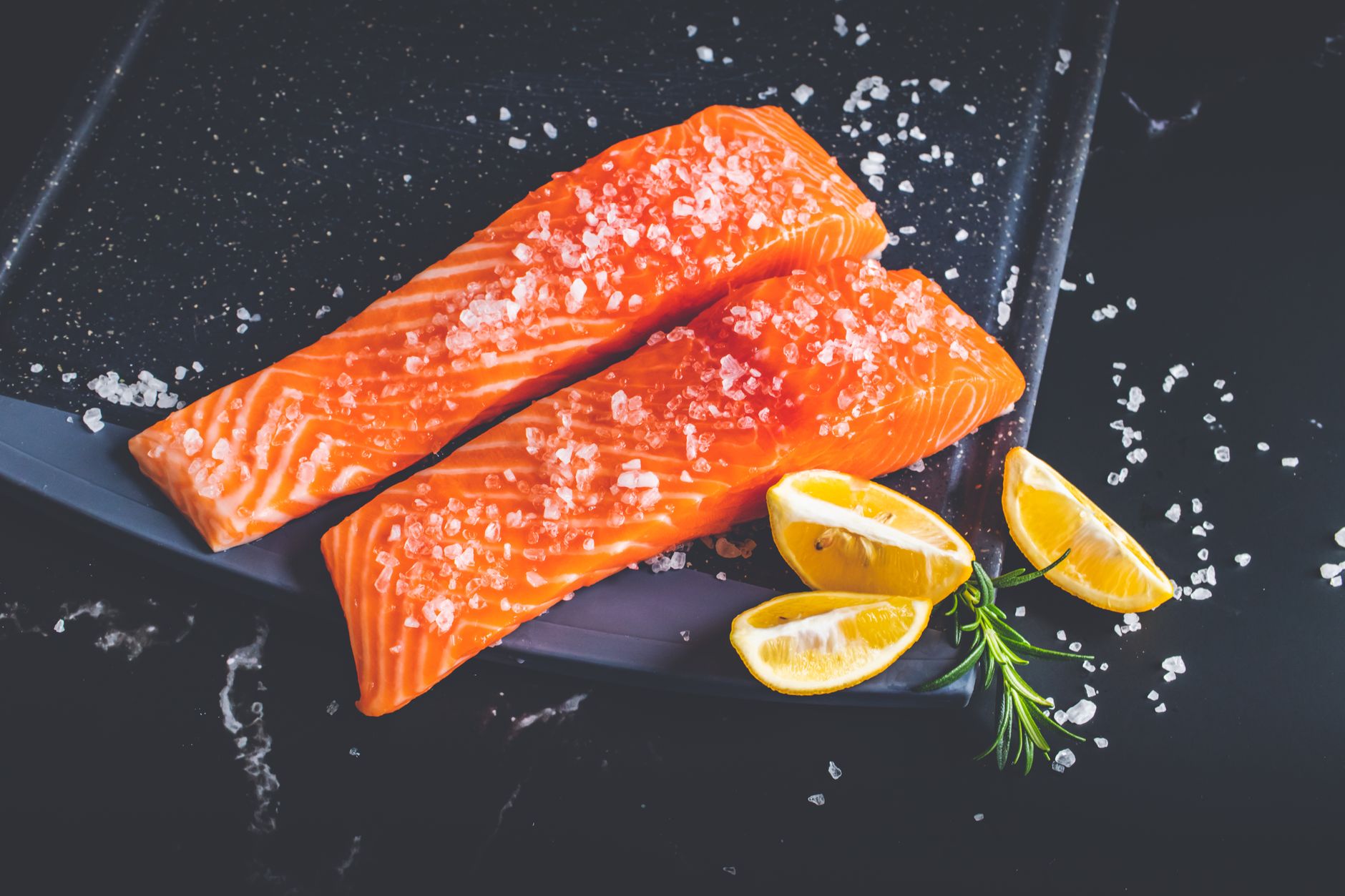
Why Broiled Sockeye Salmon With Citrus Glaze Recipe?
The sizzling aroma of broiled sockeye salmon paired with a tangy citrus glaze transforms a simple seafood dinner into a delightful feast. This recipe highlights the rich, vibrant color and firm texture of sockeye salmon, which roasts under the broiler to create a caramelized surface with a juicy interior. The citrus glaze adds a refreshing brightness that perfectly balances the natural earthiness of this wild-caught fish. Whether you‘re looking to impress guests or enjoy a nutritious home-cooked meal, this Broiled Sockeye Salmon With Citrus Glaze Recipe offers a straightforward and flavorful way to elevate seafood night.
Health Benefits & Nutrition
Sockeye salmon is a nutritional powerhouse, rich in essential nutrients that support overall health. It provides a significant amount of omega-3 fatty acids, which are proven to reduce inflammation and support heart health according to the American Heart Association. The high-quality protein in sockeye aids muscle repair and growth, while its generous vitamin D content boosts bone strength and immunity. Additionally, this fish is low in mercury, making it a safer choice during pregnancy and for those mindful of contaminant exposure.
Keep in mind that people with seafood allergies should avoid this dish. If you are on blood thinners, consult your healthcare provider before increasing omega-3 intake.
Ingredients & Preparation
Recipe Card
| Prep Time | Total Time | Servings | Calories (per serving) | Diet Tags |
|---|---|---|---|---|
| 15 minutes | 1 hour 18 minutes | 4 to 6 | 169 kcal | Gluten-Free, Paleo, Low Carb |
Full Ingredient List
- 1 side of sockeye salmon, skin-on, 1½ to 2 pounds, pin bones removed
- ⅓ cup dark brown sugar
- 2 tablespoons fresh lemon zest
- 1½ teaspoons kosher salt
- ½ teaspoon freshly ground black pepper
Equipment Needed
- Half sheet pan
- Aluminum foil
- Small food processor or spice grinder
- Instant-read thermometer
- Oven with broiler setting
Tips for Choosing Quality Ingredients
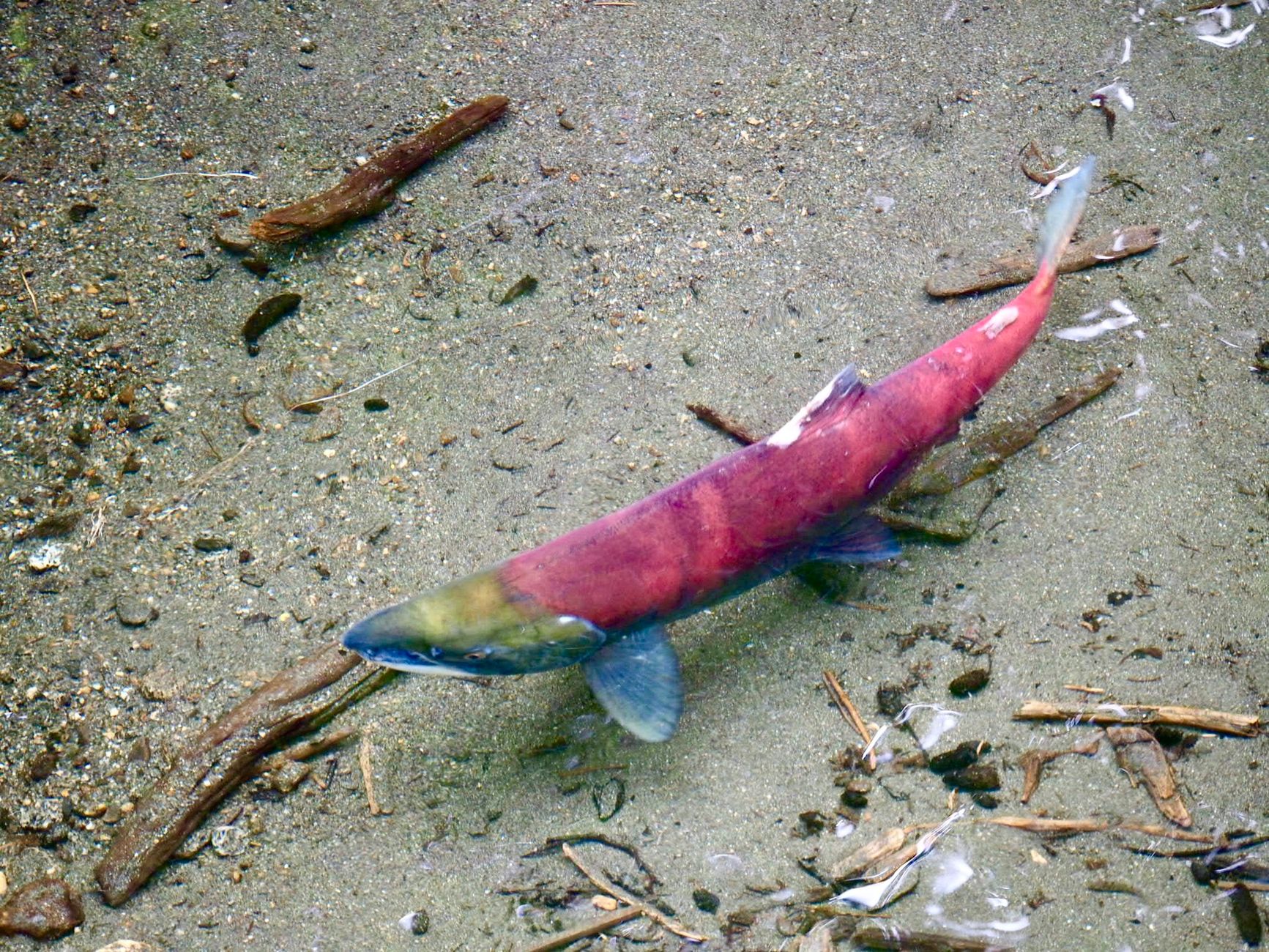
Opt for wild-caught sockeye salmon as it tends to have richer flavor and a firmer texture than farmed varieties. The fish should have vibrant reddish-orange flesh, moist appearance, and a fresh, oceanic scent. When selecting lemons for zest, choose firm, thin-skinned lemons for maximum zest oils and fragrance. Using freshly ground black pepper and kosher salt ensures the glaze stays balanced and flavorful.
Step-by-Step Instructions
Step 1: Prepare Your Salmon and Broiler
Position an oven rack about 3 inches from the broiler element. Line a half sheet pan with aluminum foil. Place the sockeye salmon skin-side down on the lined pan. This setup guarantees even heat and easy cleanup.
Step 2: Make the Citrus Glaze
Combine ⅓ cup dark brown sugar, 2 tablespoons lemon zest, 1½ teaspoons kosher salt, and ½ teaspoon freshly ground black pepper in a small food processor. Pulse on high for 1 minute until the mixture is finely ground and well blended, which helps the flavors infuse evenly into the salmon.
Step 3: Apply Glaze and Marinate
Evenly spread the citrus glaze over the fish’s surface. Allow the salmon to rest at room temperature for 45 minutes. This step lets the sugars and zest penetrate the fish, creating a sweet and zesty crust when broiled.
Step 4: Broil to Perfection
Turn on the oven’s broiler to high for 2 minutes to preheat. Slide the salmon into the oven and broil undisturbed for 6 to 8 minutes. Use an instant-read thermometer to check the thickest part of the fish; it should reach an internal temperature of 131°F for medium-rare doneness with a tender, juicy texture.
Step 5: Rest and Serve
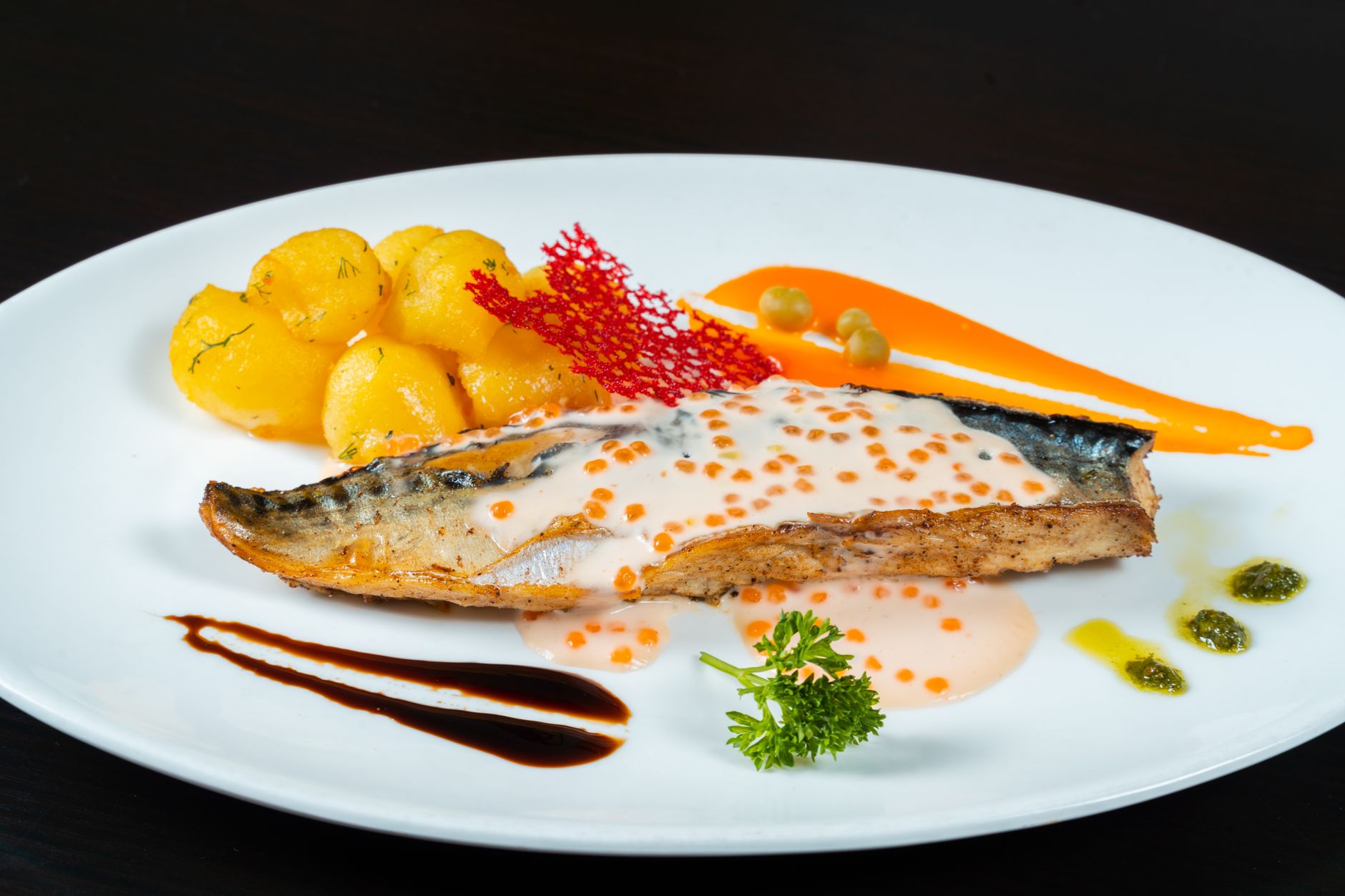
Remove the salmon from the oven and let it rest uncovered for 8 to 10 minutes. Resting allows the juices to redistribute throughout the fish, keeping it moist and flavorful. Serve immediately, perhaps with lightly sautéed greens or a crisp salad.
Variations & Substitutions
- Glaze Swaps: Replace lemon zest with a mix of orange and lime zest for a sweeter, more complex citrus flavor.
- Spice It Up: Add ¼ teaspoon cayenne pepper to the glaze for a subtle kick of heat.
- Alternative Fish: Substitute sockeye with steelhead or coho salmon if unavailable; adjust broiling time by 1–2 minutes depending on thickness.
- Gluten-Free Option: Naturally gluten-free; ensure your brown sugar is unprocessed without additives.
Storage & Shelf Life
Refrigeration: Store cooked sockeye salmon in an airtight container in the refrigerator for up to 3 days. Always cool the salmon to room temperature within two hours before refrigerating.
Freezing: You can freeze cooked salmon for up to 2 months. Wrap it tightly in plastic wrap and foil or use a vacuum sealer to prevent freezer burn. Thaw overnight in the fridge before reheating gently.
Signs of Spoilage: Pulled-apart or mushy texture, sour or off smell, discoloration, or sliminess indicate the salmon has gone bad. Discard if any of these signs appear.
Pro Tips
- Remove pin bones carefully with fish tweezers to avoid an unpleasant surprise while eating.
- Apply the citrus glaze evenly, ensuring you coat every inch of the salmon‘s surface for a uniform caramelization.
- For even cooking, allow the salmon to come to room temperature before broiling.
- Use an instant-read thermometer; overcooking sockeye can dry it out quickly because it is leaner than other salmon types.
- To prevent staining your hands from lemon zest, zest lightly or wear gloves if preferred.
When is the best time to eat Broiled Sockeye Salmon With Citrus Glaze Recipe?
This dish is ideal for dinner or a special weekend lunch where you want to enjoy fresh flavors with minimal fuss. It shines during warmer months when light, citrus-accented seafood matches seasonal produce beautifully. Serve promptly after broiling for best texture and flavor.
Can I prepare the citrus glaze ahead of time?
Yes, you can prepare the glaze mixture up to a day in advance. Store it in an airtight container at room temperature. However, zest is freshest within 24 hours, so adding it just before use ensures maximum aroma.
What side dishes complement this salmon recipe?
Light and crisp greens like arugula or a citrusy quinoa salad work well. Roasted asparagus or almond green beans add pleasant texture. For a starch, try garlic mashed potatoes or wild rice.
Can I use frozen sockeye salmon?
Absolutely. Thaw frozen salmon overnight in the refrigerator before cooking. Pat it dry thoroughly to ensure a nice glaze crust forms during broiling.
Is the brown sugar necessary in the glaze?
Brown sugar caramelizes to create a crisp, golden glaze that balances the citrus’s tang. You can reduce it slightly if you prefer less sweetness but omitting it entirely will affect the glaze’s texture and color.
How do I know when the salmon is perfectly cooked?
Use an instant-read thermometer to check the internal temperature at the thickest part. Aim for 131°F for medium-rare or up to 140°F if you prefer it more done. The flesh should flake easily without drying out.
Can I broil this recipe without a food processor?
Yes, you can finely grate lemon zest and combine it with sugar, salt, and pepper manually. Use a whisk or fork to mix thoroughly. The texture won’t be as smooth but will still impart great flavor.
More Recipes You Will Love
If you enjoy vibrant seafood dishes, try the flavorful Crab stuffed piquillo peppers for an elegant appetizer bursting with sweet crab and smoky peppers. For a Mediterranean touch, the Red snapper livornese recipe2 offers tender fish steeped in a tangy tomato and olive sauce that’s perfect for family dinners.
Conclusion
This Broiled Sockeye Salmon with Citrus Glaze Recipe combines a balance of sweet, tangy, and savory flavors to highlight the natural qualities of sockeye salmon. The quick broiling technique locks in moistness while delivering a golden, caramelized finish that your taste buds will love. Try this recipe to bring a bright, healthy, and memorable seafood dish to your table. Feel free to share your results or variations in the comments below — your feedback brightens our cooking community!
FAQs
When is the best time to eat Broiled Sockeye Salmon With Citrus Glaze Recipe?
The best time to enjoy this salmon dish is during dinner, as it makes a wholesome, satisfying meal. It's also perfect for special occasions or weekend meals when you want to impress with minimal effort.
Can I use a different type of salmon for this Broiled Sockeye Salmon With Citrus Glaze Recipe?
Yes, while sockeye salmon is preferred for its rich flavor and texture, you can substitute with other wild-caught salmon varieties such as coho or king salmon. However, flavor and cooking times may slightly differ.
How should I store leftovers from the Broiled Sockeye Salmon With Citrus Glaze Recipe?
Store leftovers in an airtight container in the refrigerator for up to 2 days. Reheat gently to preserve moisture and flavor, preferably in a low-temperature oven or microwave with a cover to avoid drying out.
Is this Broiled Sockeye Salmon With Citrus Glaze Recipe suitable for special diets?
Yes, this recipe is gluten-free, paleo-friendly, and low carb, making it suitable for many special diets. Always check individual ingredients for compatibility with specific dietary needs.
What side dishes pair well with Broiled Sockeye Salmon With Citrus Glaze Recipe?
Light, fresh sides like steamed vegetables, quinoa, wild rice, or a crisp green salad complement the citrus glaze and enhance the overall meal without overpowering the salmon’s flavor.