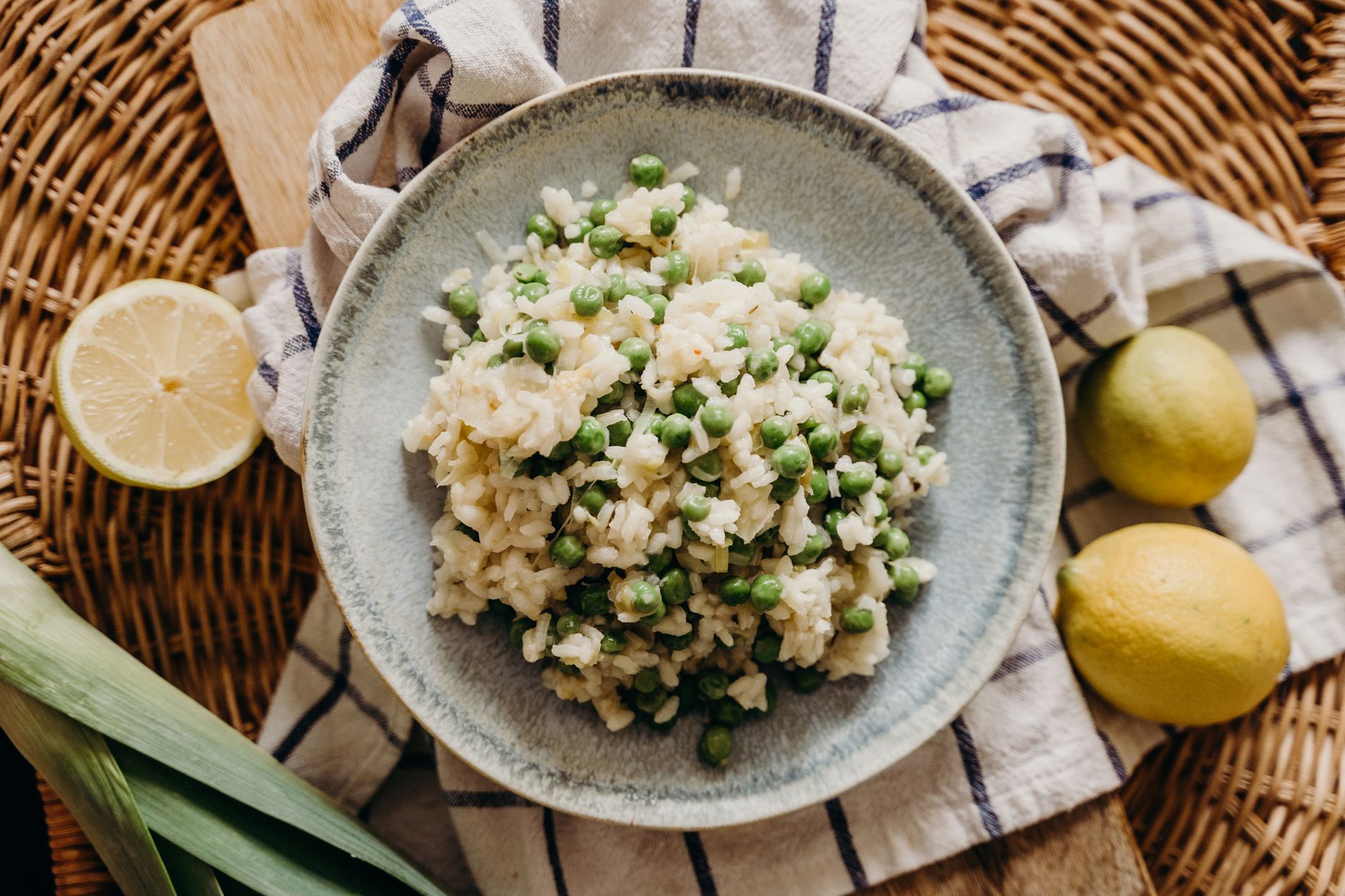
Why Braised Veal Cheeks With Coconut Risotto Recipe
The veal turns spoon-tender while the coconut risotto stays creamy, fragrant, and lightly sweet.
This Braised Veal Cheeks With Coconut Risotto Recipe pairs slowly cooked veal with a rich red-wine and soy braising liquid, then serves it over Arborio rice finished with coconut milk. The cheeks need gentle oven time, but the method is straightforward: sear the meat, build a savory braise, cook until tender, and finish the risotto just before serving. Fresh papaya, tomato, mint, and cilantro brighten the plate.
The first time I made this dish, I rushed the searing and used a pan that was not hot enough. The cheeks steamed instead of developing a proper brown crust. A strong sizzle and deep mahogany color are the cues you want before adding them to the braising pot.

Health Benefits & Nutrition
Veal cheeks provide protein and several nutrients found in red meat, including iron, zinc, and vitamin B12. These nutrients support normal energy metabolism and blood-cell function, although individual nutritional needs vary.
Coconut milk adds richness and contributes fat that helps carry the dish’s aromas. The rice supplies carbohydrates for energy, while papaya, tomato, mint, and cilantro add freshness, color, and small amounts of vitamins and plant compounds.
This is a substantial dinner because it contains meat, rice, butter, coconut milk, bacon, and wine. An approximate serving contains 900 to 1,050 calories, 55 to 65 grams of protein, 65 to 75 grams of carbohydrates, and 45 to 55 grams of fat. The exact amount depends on the size of the cheeks, how much braising liquid remains, and the brands used.
Soy sauce makes the recipe high in sodium and may contain wheat. Use gluten-free tamari if needed. The wine is cooked, but cooking does not guarantee that all alcohol disappears. Anyone avoiding alcohol, managing sodium intake, or following a medically restricted diet should choose suitable substitutions and ask a doctor or dietitian for personal guidance.
Ingredients & Preparation
Recipe Card
| Prep time | 1 hour |
|---|---|
| Cook time | 3 hours 30 minutes |
| Total time | 4 hours 30 minutes |
| Servings | 4 |
| Calories | Approximately 980 per serving |
| Diet tags | High-protein, contains dairy, contains soy, gluten-free with tamari |
Full Ingredient List
- 8 veal cheeks
- Salt and freshly ground black pepper, for seasoning
- Vegetable oil, as needed for searing
- 2 slices bacon, chopped
- 1 onion, chopped, plus 1/2 onion, finely diced
- 1 carrot, peeled and chopped
- 1 stick ginger, chopped
- 4 cups red wine
- 3/4 cup soy sauce
- Skin from 1 whole pineapple
- 4 cups veal stock
- 3 tablespoons butter, divided
- 1 cup Arborio rice
- 2 1/2 cups chicken broth
- 1 can coconut milk
- 1/2 cup diced papaya
- 1 tomato, diced
- 2 sprigs mint, chopped
- 2 sprigs cilantro, chopped
- Parsnip chips or fried shallots, for serving, optional
Equipment Needed
You will need a large skillet for searing, a heavy oven-safe Dutch oven, a medium saucepan for the risotto, a wooden spoon, tongs, a ladle, a fine-mesh strainer, and a sharp knife. Use a wide saucepan for the rice so the liquid evaporates evenly and the grains cook at a steady pace.
Tips for Choosing Quality Ingredients
Ask your butcher for evenly sized veal cheeks with any tough outer membrane trimmed. Consistent pieces finish at roughly the same time. Choose a dry red wine that you would be happy to drink, since its flavor concentrates in the braising liquid.
Look for firm papaya with a little fragrance near the stem. Very soft fruit breaks apart when folded into the rice. Full-fat coconut milk gives the risotto the smoothest texture; shake the can before opening so the cream and liquid are evenly combined.
Use fresh ginger rather than powdered ginger. The fresh root gives the braise a clean, warm aroma that powdered spice cannot provide. If pineapple skin is unavailable, scrub the pineapple thoroughly before peeling and use only clean skin.
Step-by-Step Instructions
1. Heat the oven and sear the veal
Set the oven to 300°F. Pat the veal cheeks dry, then season all sides with salt and freshly ground black pepper. Heat a large skillet over medium-high heat for about 2 minutes. Add enough vegetable oil to coat the base and heat for 30 seconds.
Place the cheeks in the skillet without crowding them. Sear for 3 to 4 minutes per side, turning with tongs until every surface is deeply browned. Work in batches if necessary. The meat should hiss when it touches the pan, and the browned fond should smell nutty rather than scorched.
2. Build the braising liquid
Place the chopped bacon in a heavy Dutch oven over low heat. Cook for 6 to 8 minutes, stirring occasionally, until the fat renders and the bacon is lightly golden. Add the chopped onion, carrot, and ginger. Cook over medium heat for 4 minutes, stirring until the onion softens.
Pour in the red wine and soy sauce. Add the pineapple skin and raise the heat to medium-high. Bring the mixture to a full simmer for 5 minutes, scraping the browned bits from the bottom. Add the veal stock and return the liquid to a simmer.
3. Braise the cheeks until tender
Return the seared cheeks to the Dutch oven. The liquid should come about two-thirds of the way up the meat. Cover the pot and place it in the 300°F oven for 2 1/2 hours.
Check the pot after 2 hours. The cheeks are ready when a fork slides into the thickest part with very little resistance and the meat feels soft rather than springy. If the liquid is boiling hard, reduce the oven to 285°F. A gentle occasional bubble gives a more even texture than vigorous boiling.
Remove the cheeks from the liquid and keep them warm. Strain the braising liquid into a saucepan, discarding the vegetables, bacon, ginger, and pineapple skin. Skim excess fat from the surface, then keep the liquid warm over low heat.

4. Cook the coconut risotto
About 35 minutes before serving, melt 2 tablespoons of butter in a medium saucepan over medium heat. Add the finely diced onion and cook for 2 minutes. Reduce the heat to low, add the Arborio rice, and stir for 1 minute so every grain is coated and lightly glossy.
Add 1 1/4 cups of chicken broth. Stir steadily until most of the liquid is absorbed, about 8 to 10 minutes. Add the remaining 1 1/4 cups broth and continue stirring for another 8 to 10 minutes.
Pour in the coconut milk and cook for 5 to 8 minutes, adding warm braising liquid a ladleful at a time. The rice is ready when the grains are tender but retain a small firm center, and the mixture flows slowly when you tilt the pan. The first time I made it, I added all the braising liquid at once and ended up with loose rice. Small additions give you much better control.
5. Finish and plate the dish
Remove the risotto from the heat and fold in the remaining 1 tablespoon butter, diced papaya, diced tomato, chopped mint, and chopped cilantro. Taste and adjust the seasoning carefully because the soy sauce and reduced braising liquid are already salty.
Spoon the risotto into four warm bowls. Place 2 veal cheeks over each portion and spoon a little strained braising liquid around the rice. Finish with parsnip chips or fried shallots, if using. Serve immediately while the risotto is loose and creamy.
Variations & Substitutions
Alcohol-free braise: Replace the 4 cups red wine with 3 cups additional veal stock plus 1 cup unsweetened red grape juice. Add 1 tablespoon red wine vinegar near the end of cooking to restore some acidity. The final sauce will be sweeter, so taste before adding any extra seasoning.
Gluten-free version: Replace the 3/4 cup soy sauce with 3/4 cup gluten-free tamari. Check the veal stock, chicken broth, bacon, and fried shallots for gluten-containing additives if strict avoidance is necessary.
Pork cheek alternative: Substitute 8 pork cheeks by weight for the veal cheeks. Keep the oven at 300°F, but begin checking them after 3 hours because pork cheeks can vary in thickness.
Less rich risotto: Use light coconut milk instead of full-fat coconut milk and reduce the butter to 2 tablespoons total. The rice will be slightly less creamy, but the herbs and fruit will taste brighter.
Fruit variation: Replace the papaya with 1/2 cup diced ripe mango. Add it off the heat, just as you would the papaya, so the pieces stay intact.
Storage & Shelf Life
Cool the veal, sauce, and risotto separately within 2 hours of cooking. Transfer them to shallow airtight containers and refrigerate at 40°F or below for up to 3 days. Keep the garnishes separate so the fried shallots or parsnip chips remain crisp.
Freeze the braised cheeks and strained sauce together for up to 3 months. Cool them completely first, then pack them in a freezer-safe container with as little air as possible. The risotto can also be frozen, but its texture may become softer. Thaw everything overnight in the refrigerator.
Reheat the cheeks and sauce gently in a covered saucepan over low heat until steaming hot throughout. Reheat the risotto with a splash of chicken broth or water, stirring over medium-low heat. Discard leftovers with a sour smell, slimy surface, unusual discoloration, or mold. Do not taste food to decide whether it is safe.
Pro Tips
Dry the cheeks thoroughly. Surface moisture prevents browning. Patting the meat dry also helps the seasoning cling evenly.
Do not crowd the skillet. Leave space around each cheek so steam can escape. If the pan temperature drops, remove the meat and let the oil heat again before continuing.
Keep the braising liquid below a boil. A hard boil can make the exterior tighten before the connective tissue softens. The best cue is a few lazy bubbles around the edges of the pot.
Strain before finishing the sauce. Removing the cooked aromatics creates a smoother liquid for spooning around the risotto. The pineapple skin contributes aroma and acidity, but it is fibrous and should not remain in the finished dish.
Use warm liquid for the risotto. Warm broth and braising liquid keep the rice cooking steadily. Cold liquid repeatedly lowers the temperature and can leave the outside of the grains soft before the centers are done.
Season in stages. The soy sauce is salty at the start, and the braising liquid becomes more concentrated as it cooks. Taste the risotto only after the coconut milk and braising liquid have been incorporated.
Serve the risotto promptly. Arborio rice continues absorbing liquid after it leaves the heat. If it tightens before plating, stir in 1 or 2 tablespoons of warm broth to loosen it.

Questions & Answers
When is the best time to eat Braised Veal Cheeks With Coconut Risotto Recipe?
The best time to eat this dish is immediately after the risotto is finished. The veal can rest briefly in warm braising liquid, but the rice becomes thicker as it stands. Plate the cheeks first, then loosen the risotto with a little warm broth if serving is delayed by more than 5 minutes.
Can veal cheeks be prepared one day ahead?
Yes, veal cheeks can be braised one day ahead and refrigerated in their strained sauce. Chill them promptly, then remove any solidified fat before reheating gently. Make the coconut risotto on the day of serving because freshly cooked rice has a smoother, more fluid texture.
How do you know when veal cheeks are done?
Veal cheeks are done when a fork slides into the thickest part with almost no resistance. They should look moist and yield easily when pressed with tongs. If they still feel springy after 2 1/2 hours, cover the pot and continue braising in 20-minute increments.
Can the recipe be made without a Dutch oven?
Yes, use a deep oven-safe casserole with a tight-fitting lid. Sear the cheeks in a skillet, then transfer them to the casserole with the simmering braising liquid. Cover tightly with foil and the lid, and check the liquid level halfway through cooking.
Why is my risotto too thick?
Risotto is usually too thick because it has rested too long or absorbed liquid too quickly. Stir in warm chicken broth, 1 tablespoon at a time, until it flows slowly from a spoon. Avoid adding cold liquid, which can cool the rice and interrupt cooking.
What can replace pineapple skin?
Use two wide strips of lemon peel or orange peel if pineapple skin is unavailable. Remove only the colored outer peel and avoid most of the white pith, which can taste bitter. The flavor will be more citrus-forward, but the braise will still have lift.
What should be served with this dinner?
Serve the veal and risotto with a simple crisp vegetable side. Oven roasted yellow squash works well because its mild sweetness echoes the coconut and papaya without competing with the sauce. A bitter green salad or lightly dressed herbs also balance the richness.
More Recipes You Will Love
For another comforting dinner with a creamy texture, try this Cream of mushroom casserole recipe 1916460. Its earthy mushroom flavor makes it a cozy choice for a quieter weeknight meal.
If you prefer a lighter vegetable side, make these Oven roasted yellow squash. Roast the squash while the veal rests, then finish it with herbs and a little lemon.
You can also pair this meal with simple roasted carrots, sautéed greens, or a sharp cucumber salad. Keep the side dishes fresh and lightly seasoned so the coconut risotto remains the centerpiece.
Conclusion
Braised Veal Cheeks With Coconut Risotto Recipe rewards patience with tender meat, a deeply savory sauce, and creamy rice brightened by tropical fruit and herbs. Sear the cheeks well, keep the braise gentle, and add liquid gradually to the risotto. Those three details make the biggest difference. If you make this dinner, leave a rating or comment and share any substitutions that worked well in your kitchen.
FAQs
When is the best time to eat Braised Veal Cheeks With Coconut Risotto Recipe?
The best time to eat Braised Veal Cheeks With Coconut Risotto Recipe is a relaxed weekend dinner or a special occasion, since the full recipe takes about 4 hours 30 minutes. The risotto tastes best right after it finishes cooking, when the rice is creamy and the veal is still warm. Start the braise in the afternoon so the meat is ready when guests arrive.
Can I make Braised Veal Cheeks With Coconut Risotto Recipe ahead of time?
Yes, Braised Veal Cheeks With Coconut Risotto Recipe can be made a day ahead. Cool the braised cheeks in their liquid, refrigerate them in a covered container, and reheat them gently before serving. Cook the risotto fresh, or partially cook the rice and finish it with warm broth and coconut milk just before plating, since rice thickens as it sits.
What can I substitute for red wine or soy sauce in Braised Veal Cheeks With Coconut Risotto Recipe?
You can replace the red wine with additional veal stock mixed with a splash of red wine vinegar for acidity, though the flavor will be lighter. Gluten-free tamari works in the same amount as soy sauce for a wheat-free version. Choosing a low-sodium soy sauce or tamari helps reduce the overall sodium content of the dish.
How do I store and reheat leftover Braised Veal Cheeks With Coconut Risotto Recipe?
Store leftover Braised Veal Cheeks With Coconut Risotto Recipe in separate airtight containers in the refrigerator for up to 3 days. Reheat the veal gently in its braising liquid over low heat, and loosen the risotto with a splash of warm broth or water, stirring until creamy. Freezing is not recommended for the risotto, because the rice can turn grainy when thawed.
How do I keep coconut risotto creamy without it turning gluey?
To keep coconut risotto creamy, stir it often and add warm liquid one ladle at a time, letting each addition absorb before the next. Cook the Arborio rice until just tender with a slight bite, then stir in butter and coconut milk off the heat. Serve immediately, because risotto thickens quickly as it cools.