Managing blood sugar while keeping up with your nutrition can feel like a balancing act. Protein plays a key role here, helping control appetite and supporting stable glucose levels. Choosing the best protein powder for diabetics means looking beyond just protein contentyou want low sugar, minimal carbs, and ingredients that complement your health goals. Ready to explore the options that keep your blood sugar steady and plate flavorful?
Why It Matters
How does protein impact blood sugar levels in diabetics?
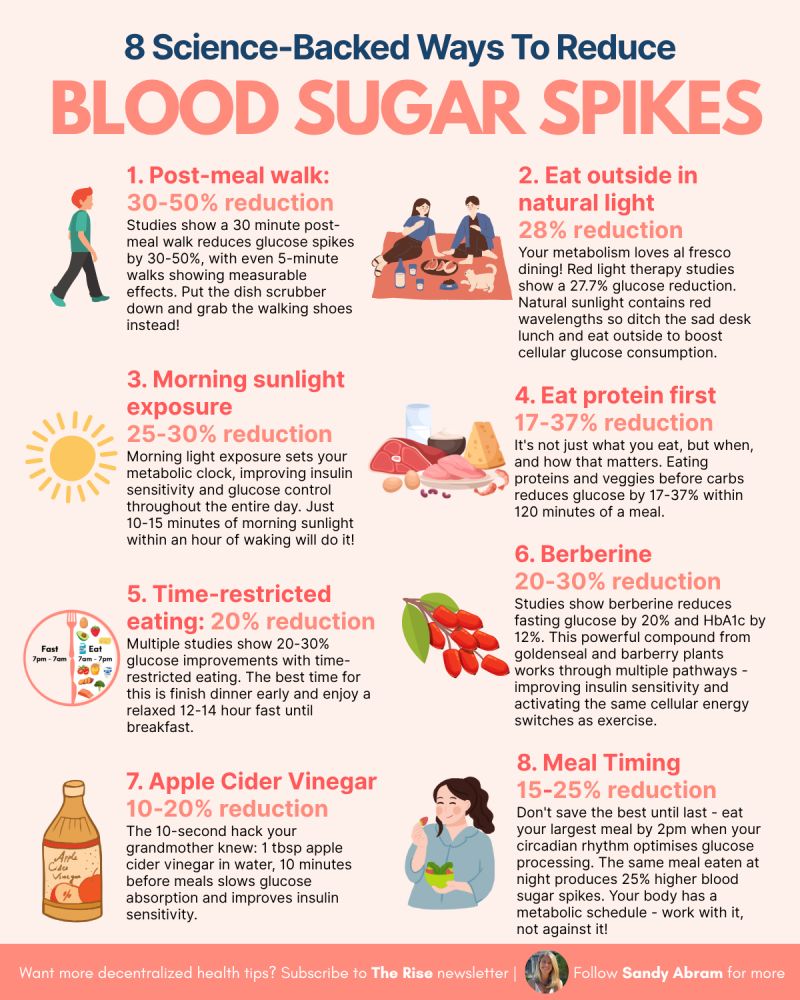
Protein slows the digestion of carbohydrates and can reduce spikes in blood sugar after meals. When consumed properly, it also promotes satiety, helping curb unwanted snackinga crucial factor for blood sugar control. For diabetics, choosing protein with low glycemic impact supports better glucose management and overall metabolic health.
What makes a protein powder "diabetic-friendly"?
Diabetic-friendly protein powders combine a few important traits: low sugar, minimal carbs, and ingredients that do not trigger insulin spikes. They avoid added sugars and artificial sweeteners that might affect glucose levels. Additionally, they often contain fibers or other nutrients that support digestion and glucose regulation.
Differences between whey, plant-based, and other proteins
Whey protein isolates are popular due to their complete amino acid profile and quick absorption. However, some people find plant-based options like pea or brown rice protein gentler on digestion, with a lower impact on blood glucose. Certain blends offer the best of both worlds, pairing plant proteins with seeds or nuts for balanced nutrition.
Key Ingredients to Look For
Best protein sources for diabetics
Whey isolate is top-notch for its high protein content and low lactose, generally causing minimal blood sugar response. Plant proteins such as pea, hemp, and brown rice provide fiber and antioxidants that benefit diabetic bodies. Consider powders with minimal fillers and blends with fiber-rich ingredients to enhance glucose control.
Why low sugar and carbs matter
Labels can be tricky. Aim for protein powders with less than 2 grams of sugar and total carbs under 5 grams per serving. Avoid powders sweetened with maltodextrin or dextrose, which can raise blood sugar rapidly.
Ingredients to avoid
Artificial sweeteners, sugar alcohols like sorbitol, and unnecessary fillers can cause digestive discomfort or blood sugar issues. Look for natural sweeteners like stevia or monk fruit if sweetness is desired.
| Prep time | Total time | Servings | Calories | Diet tags |
|---|---|---|---|---|
| 5 minutes | 5 minutes | 1 shake | 150 kcal | Low-carb, Gluten-free, Vegan option |
Usage Tips
How to prepare shakes without spiking blood sugar
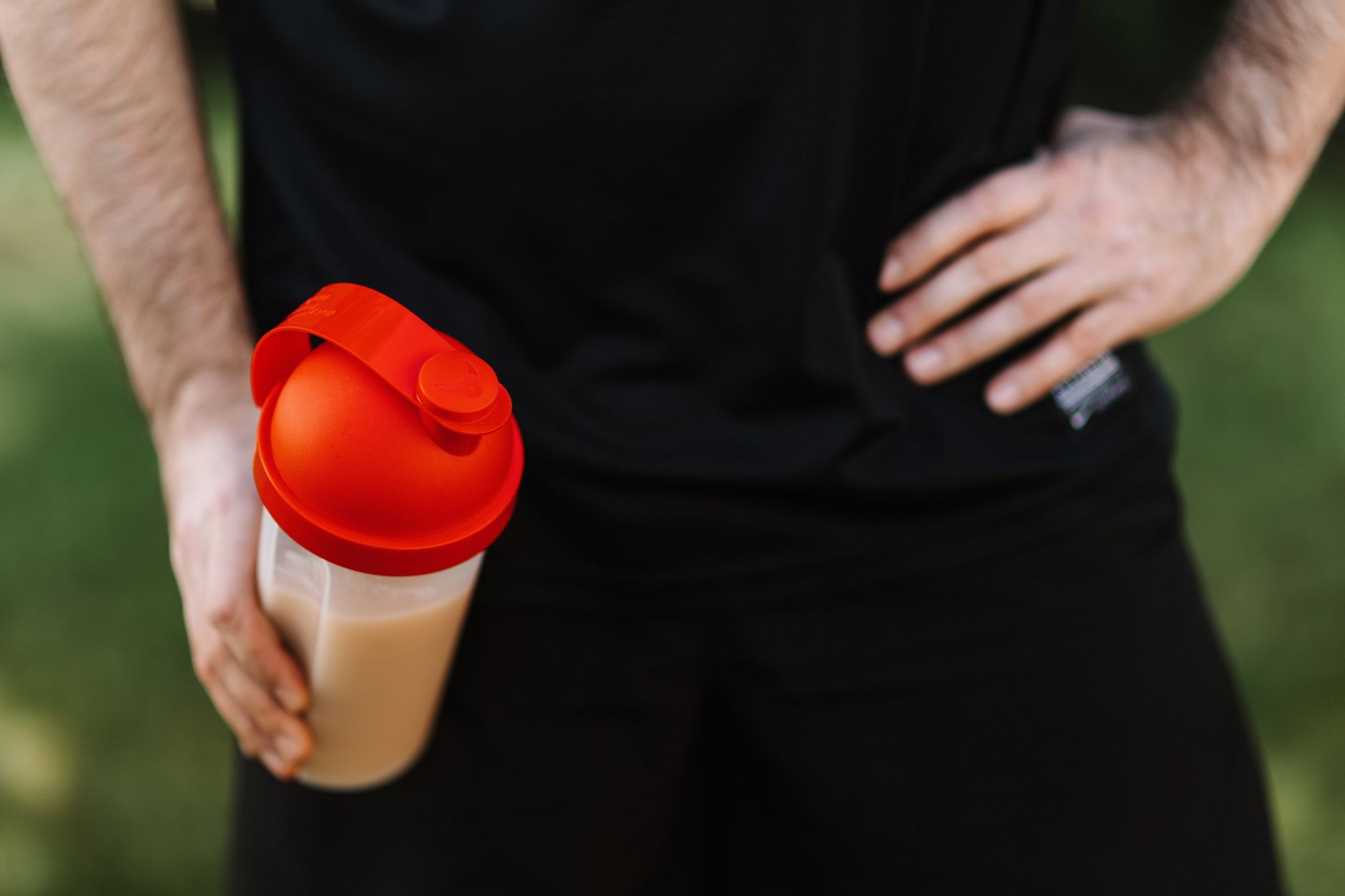
Blend your protein powder with unsweetened almond milk or water instead of fruit juices. Add a small handful of leafy greens or a tablespoon of ground flaxseed for extra fiber. Avoid adding sugars or sweetened ingredients that cause blood sugar spikes.
Best times to consume protein powder
Protein shakes work well as meal replacements, especially breakfast or a mid-afternoon snack to prevent highs and lows. Post-workout is another excellent time, supporting muscle repair without disrupting glucose balance. Consuming before bed may also aid overnight muscle maintenance.
Common mistakes to avoid
- Choosing powders with hidden sugars or high carb counts.
- Using too large portions, which can overwhelm your system.
- Relying solely on protein powder without whole food variety.
These pitfalls can cause unexpected blood sugar changes and digestive discomfort.
Variations for Specific Needs
Best protein powders for type 2 diabetes
For type 2 diabetes, powders with added fibers and low glycemic index are preferred. Pea protein and whey isolate often top the list here. Research suggests a high-protein diet diabetes type 2 can improve insulin sensitivity.
Options for diabetic women
Women may look for protein powders with added calcium and iron, supporting bone health and energy. Certain plant-based powders include these nutrients naturally or as fortifications.
Weight loss vs. weight gain
For weight loss, low-calorie powders with fiber help curb hunger. For weight gain, opt for powders with healthy fats or combine with calorie-dense but low-sugar ingredients like nut butters.
Sugar-free and allergy-friendly powders
Many brands now offer vegan, gluten-free, and soy-free protein powders tailored for people with allergies and sensitivities, perfect for diabetics needing clean labels.

Serving Ideas
Easy weight loss shake recipe
- 1 scoop diabetic-friendly protein powder (pea or whey isolate)
- 1 cup unsweetened almond milk
- cup frozen spinach
- 1 tbsp ground flaxseed
- Ice cubes as desired
Blend on high for 45 seconds until creamy. The spinach adds antioxidants while flaxseed provides fiber to slow sugar absorption.
Creative diabetic smoothie bowl
- 1 scoop protein powder
- cup Greek yogurt (unsweetened)
- cup fresh berries (low glycemic index)
- 1 tbsp chia seeds
- Sprinkle of cinnamon
Blend all ingredients and pour into a bowl. Top with sliced almonds and a few pumpkin seeds for crunch.
Pairing tips
Pair your protein shake with fresh vegetables or a small serving of nuts for balanced nutrition. Try hot roasted veggies alongside your shakelearn How to grill vegetables on the grill to add variety without extra carbs.
Storage Tips
How to store protein powder
Keep your protein powder in a cool, dry place, tightly sealed to prevent clumping and spoilage. Avoid humidity and sunlight. Most powders stay fresh up to 12 months unopened, and up to 6 months after opening if properly sealed.
Making shakes ahead
Prepare shakes fresh when possible. If needed, store them in an airtight container in the fridge for up to 24 hours. Shake well before drinking to recombine settled ingredients.
Adding protein to hot recipes
Avoid boiling protein powder to preserve its quality. Instead, stir it into foods after cooking or add to warm, not boiling, liquids. This keeps proteins intact and flavors bright.

Pro Tips
- Balancing flavors: Add vanilla extract or a pinch of cinnamon to mask chalkiness instead of artificial flavors.
- Extraction tips: Use cold liquids for creamier texture and avoid a gritty mouthfeel.
- Handling clumps: Blend on high speed for 45 seconds or use a shaker bottle with a wire whisk ball.
- Pair with fiber: Blend your protein powder with oats or chia seeds to slow sugar absorption further.
When is the best time to drink the best protein powder for diabetics?
The ideal times are right after workouts, between meals, or as a meal replacement to maintain steady blood sugar. Drinking during these windows supports muscle repair and avoids sudden glucose spikes commonly seen after carb-heavy meals.
Can diabetics safely consume whey protein powder?
Yes, whey protein isolate is generally safe and beneficial for diabetics. It has a low glycemic index and supports muscle maintenance. However, watch for added sugars and lactose content if sensitive. Always check your blood sugar response when trying a new product.
Is sugar-free protein powder really better for diabetes?
Sugar-free powders, especially those sweetened with natural non-caloric sweeteners, can help avoid blood sugar spikes. However, some artificial sweeteners may cause digestive or insulin responses in sensitive people. Choose natural sweeteners like stevia where possible.
Which protein powder brands do diabetics recommend on Reddit?
Popular brands often mentioned include Naked Nutritions whey isolate, Orgains plant-based powders, and NOW Sports pea protein. These brands provide low-sugar, clean ingredient lists preferred by many diabetic users discussing real experiences online.
How much protein powder should a diabetic take daily?
A general guideline is 2030 grams per serving, 12 times daily depending on activity level and dietary protein needs. This supports muscle preservation and satiety without excessive calorie intake. Consult your healthcare provider for personalized dosing.
What is the best protein for diabetics to gain weight safely?
Whey protein blended with healthy fats like MCT oil or nut butters provides calories without harmful sugars. Look for powders that also include fiber to maintain glucose control while supporting lean weight gain.
What if my blood sugar spikes after using protein powder?
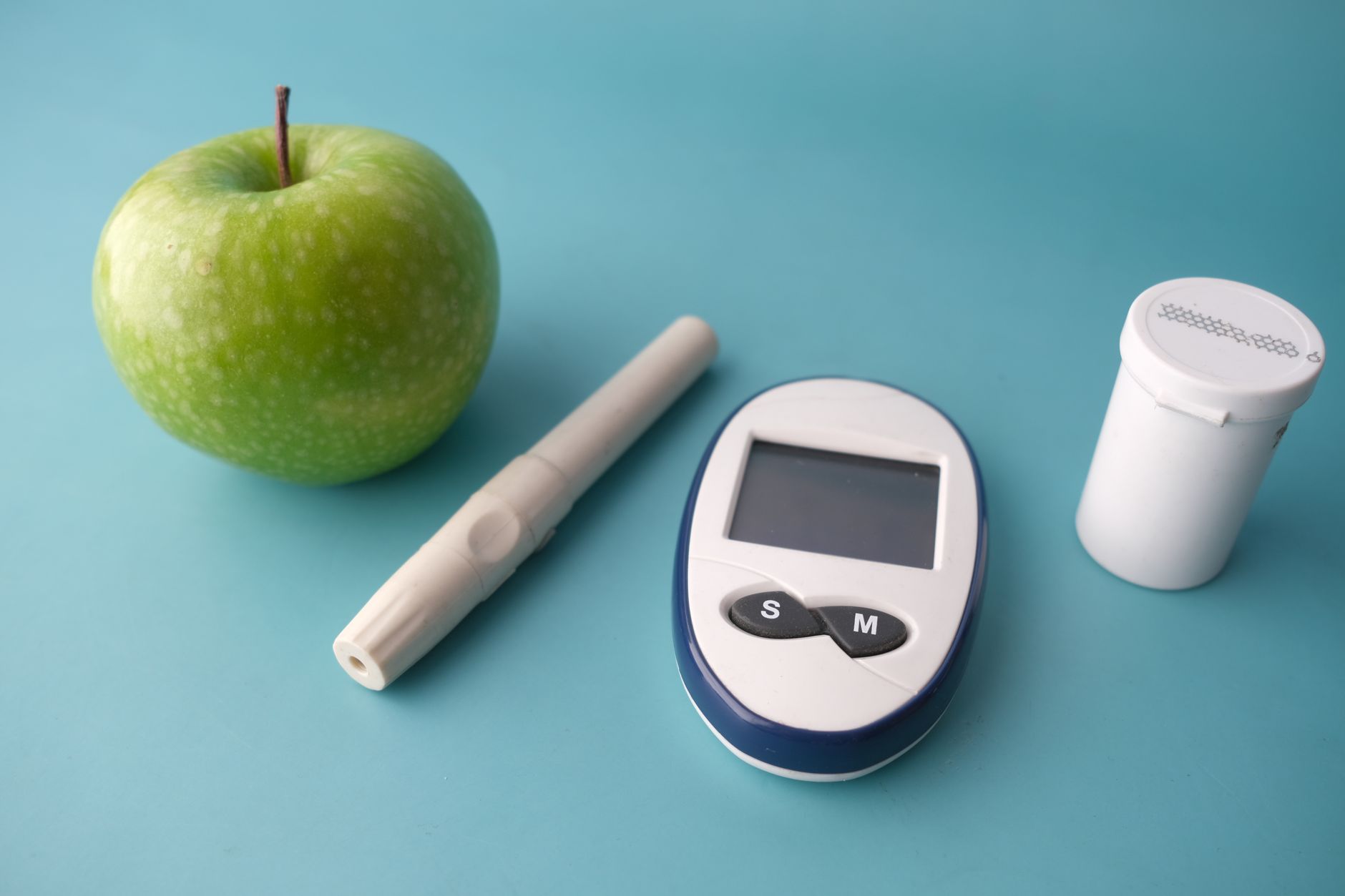
Check the ingredient list for hidden sugars or carbs. Consider testing your body‘s response with a glucose monitor. Try switching to a different protein source or pairing your shake with fiber-rich foods to blunt the spike.
How to handle digestive issues from protein powders?
Start with smaller servings to assess tolerance. If dairy-based powders cause bloating, switch to plant-based powders like pea or hemp. Adding digestive enzymes can also help with absorption and comfort.
Tips to avoid chalky or unpleasant protein shakes?
Use cold liquids and blend thoroughly for at least 45 seconds. Adding natural flavor enhancers like cocoa powder, cinnamon, or vanilla extract can improve taste. Mixing with unsweetened yogurt also creates creamier shakes.

More Recipes to Try
If you like adding protein to your meals, check out this Indian beef curry recipe easy for a flavorful, protein-rich dinner option that fits well into a balanced diabetic diet.
Also explore How to grill vegetables on the grill to complement your protein shakes with crisp, nutrient-dense sides full of fiber and vitamins.
Wrapping Up
Finding the best protein powder for diabetics means blending taste, nutrition, and steady blood sugar. Experiment with powders and recipes that fit your lifestyle and preferences. Feel free to save this guide and share your favorite diabetic-friendly shakes or protein powder experiences belowyour insights might inspire others managing the same health journey.
FAQs
When is the best time to drink best protein powder for diabetics?
The best times to drink protein powder for diabetics are right after workouts, between meals, or as meal replacements. These timings help maintain steady blood sugar levels while supporting muscle repair and preventing glucose spikes.
Can diabetics safely consume whey protein powder?
Yes, whey protein isolate is safe and beneficial for most diabetics due to its low glycemic index and complete amino acid profile. However, watch for added sugars or lactose if sensitive and monitor blood sugar response.
Is sugar-free protein powder better for diabetes management?
Sugar-free powders sweetened with natural non-caloric sweeteners like stevia can help avoid blood sugar spikes. Be cautious of artificial sweeteners that may cause digestive issues or insulin responses in sensitive individuals.
How much protein powder should a diabetic consume daily?
Generally, 20–30 grams per serving, one to two times daily, depending on activity and overall protein needs, is recommended. Always consult a healthcare professional for personalized guidance.
What should I do if my blood sugar spikes after using protein powder?
Check the ingredient list for hidden sugars or carbs, test your blood sugar response, and consider switching protein types. Pairing shakes with fiber-rich foods may also help reduce spikes.