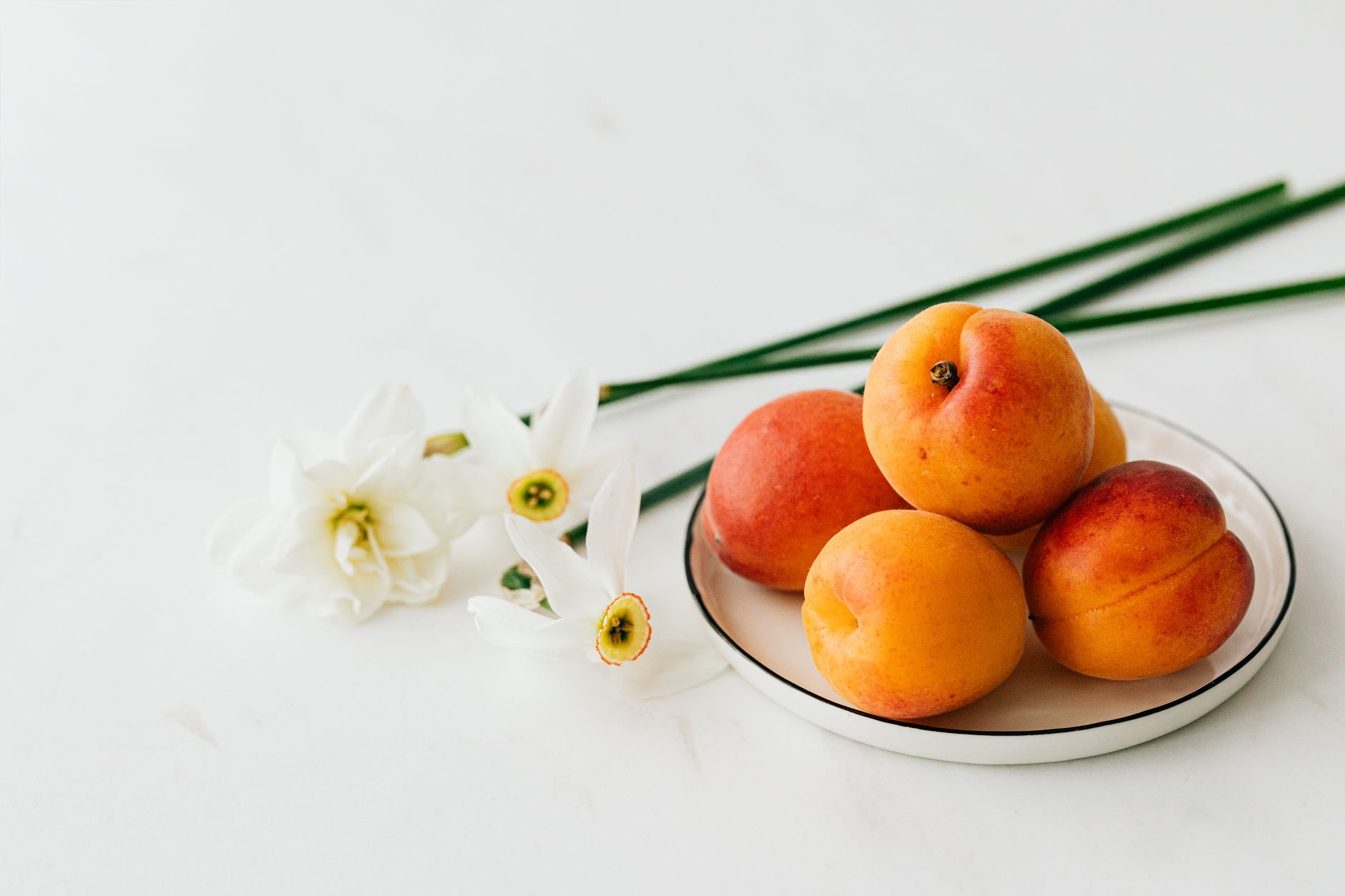
Why Apricot Butter Recipe is a Must-Try
The rich aroma and smooth texture of apricot butter bring a wonderful twist to your breakfast or snack time. This luscious spread combines the natural sweetness of apricots with the creamy depth of butter, delivering a silky experience that’s hard to resist. Apricot butter recipe captures the tangy brightness and velvety richness perfectly, making it an easy way to elevate your toast, pancakes, or even desserts. With just a few ingredients, you can whip up a spread that tastes indulgent but feels homemade and fresh every time.
Health Benefits & Nutrition
Apricots are a great source of vitamins A and C, which support healthy skin and immune function. When combined with butter, you get a satisfying dose of healthy fats that are essential for brain health and hormone regulation. Butter also provides fat-soluble vitamins like K2, essential for bone metabolism. Interestingly, a small amount of butter helps your body absorb carotenoids found in apricots more effectively, according to a study in the Journal of Nutrition. However, if you have dairy allergies or are watching cholesterol intake, moderate use is advised. This recipe fits well into a balanced diet when enjoyed in reasonable portions.
Ingredients & Preparation
Recipe Card
| Prep Time | 5 minutes |
|---|---|
| Total Time | 5 minutes |
| Servings | 6 |
| Calories (per serving) | 200 |
| Diet Tags | Gluten-Free, Vegetarian |
Full Ingredient List
- 1/4 pound (4 oz) unsalted butter, softened to room temperature
- 1/2 cup quality apricot preserves
- 1/8 teaspoon kosher salt
Equipment Needed
- Electric mixer with paddle attachment (or a sturdy hand mixer)
- Mixing bowl
- Rubber spatula
- Measuring cups and spoons
- Air-tight jar or container for storage
Tips for Choosing Quality Ingredients
Start with high-quality unsalted butter—ideally grass-fed—to achieve a creamy texture and rich flavor. Choose apricot preserves that contain real fruit pieces and minimal added sugars or artificial ingredients for the best natural taste. Kosher salt enhances flavor without overpowering, so stick to a fine or flaky variety for easy incorporation.

Step-by-Step Instructions
Step 1: Soften Butter (5 minutes)
Let the unsalted butter sit at room temperature until it‘s soft but not melting, about 5 minutes. This will make blending with preserves easier.
Step 2: Combine Ingredients (3 minutes)
Place the softened butter, apricot preserves, and kosher salt into the bowl of your electric mixer fitted with the paddle attachment.
Step 3: Mix on Medium Speed (2 minutes)
Whip the mixture on medium speed for 2 minutes until it becomes smooth, creamy, and evenly blended. Scrape down the sides with a spatula halfway through.
Step 4: Adjust Texture (Optional, 1 minute)
If you prefer a lighter texture, whip for an additional minute on high speed until fluffy. For thicker spread, stop as soon as ingredients are well combined.
Step 5: Serve or Store
Serve apricot butter immediately at room temperature, or transfer to an airtight container and refrigerate.
Variations & Substitutions
- Use honey instead of apricot preserves: For a more natural sweetener and floral aroma, swap preserves with an equal amount of local honey.
- Try stone fruit blends: Mix equal parts peach or cherry preserves to create unique apricot butter twists.
- Dairy-free version: Substitute vegan butter to accommodate lactose intolerance or a plant-based diet while keeping the creamy texture.
- Add warm spices: Sprinkle cinnamon or nutmeg into the mixer for a seasonal flavor boost.

Storage & Shelf Life
Refrigerate apricot butter in a sealed container to maintain freshness. It will stay good for up to 10 days when chilled properly. Avoid leaving it out at room temperature for extended periods to prevent spoilage.
If you want to store apricot butter longer, freezing is a great option. Place it in a freezer-safe container and freeze for up to 3 months. Thaw overnight in the fridge before serving. Signs of spoilage include off smells, discoloration, or mold growth—discard immediately if noticed.
Pro Tips
- Make sure your butter is at just the right softness—not melted—to get that ultra creamy texture without separation.
- Use a paddle attachment instead of whisks; it blends butter and preserves evenly without adding too much air.
- If the mixture looks too thick, add a teaspoon of warm water or fresh apricot juice to loosen it gently.
- To avoid staining your hands or utensils, use spatulas and avoid overmixing, which can create a sticky mess.
- For enhanced flavor, consider lightly toasting nuts and folding them in after mixing.
Step-by-step blending tips for perfect apricot butter:
When mixing your apricot butter recipe, whip at medium speed for best emulsification. Scraping down the sides frequently ensures even flavor throughout every spoonful.
When is the best time to eat Apricot Butter Recipe?
Apricot butter shines bright as a morning companion, smeared on warm toast or croissants. Its creamy texture and fruity sweetness also make it delightful in afternoon tea sandwiches or as a dessert topping. You can enjoy it anytime you crave a rich, tangy spread that feels both indulgent and comforting.
Can I make apricot butter recipe ahead of time?
Yes! It actually benefits from resting in the fridge for a few hours, allowing the flavors to meld fully. Just bring it to room temperature before spreading to regain its creamy consistency.
Is apricot butter recipe suitable for kids?
Absolutely. It contains familiar, natural ingredients and mild sweetness. However, ensure kids don’t consume it in excess due to its sugar and fat content.
How do I avoid my apricot butter from separating?
Ensure the butter is softened but not melted before mixing. Using a paddle attachment and avoiding over-whipping prevents separation and maintains a consistent, smooth texture.
Can I use fresh apricots instead of preserves?
Fresh apricots work but require cooking down into a thick jam first, which increases prep time. Using apricot preserves gives you a quick and consistent texture for the butter.
Is this recipe gluten-free?
Yes, all ingredients in this apricot butter recipe are naturally gluten-free, making it safe for those with gluten sensitivities.
What other fruits pair well with apricot butter?
Peach, mango, and raspberry preserves add lovely complementary notes. You can create blends for diverse flavors that suit your taste preferences.
How can I reduce calories in apricot butter recipe?
Use light or whipped butter options and lower sugar preserves, or reduce the portion size to manage calorie intake while still enjoying the spread’s creamy goodness.
More Recipes You Will Love
If you enjoy the silky sweetness of apricot butter, you might also appreciate our Coconut Simple Syrup Recipe for a tropical twist on your beverages and desserts. For those looking to add protein to their diet alongside delightful flavors, don’t miss out on the Best Protein Powder for Diabetics to Gain Weight guide.
Try incorporating this apricot butter into your recipes or enjoy it solo to elevate simple dishes into something luscious and memorable.
Conclusion
This apricot butter recipe is a simple yet luxurious way to add a golden, creamy touch to your food. With a handful of quality ingredients and minimal effort, you get a spread bursting with sweet and tangy flavors. This easy recipe can turn everyday meals into something special. Feel free to customize it to your taste and share your experience below—your feedback helps others discover new favorite dishes!
FAQs
When is the best time to eat Apricot Butter Recipe?
The best time to eat apricot butter recipe is during breakfast or snack time. It complements toast, pancakes, and even desserts perfectly, adding a creamy, fruity twist anytime you want a flavorful spread.
How long does apricot butter last when stored properly?
When stored in an airtight container in the refrigerator, apricot butter can last up to two weeks. Always use a clean spoon to avoid contamination and check for any off smells or mold before use.
Can I use apricot butter in baking?
Yes, apricot butter can add moisture and a sweet, fruity flavor to baked goods like muffins or quick breads. Use it as a filling, glaze, or mix it into batter to enhance taste and texture.
Is apricot butter suitable for gluten-free diets?
Apricot butter is naturally gluten-free, especially when made with pure butter and apricot preserves without additives. It’s a safe and tasty option for those avoiding gluten.
Can I substitute apricot preserves with fresh apricots in this recipe?
While fresh apricots can be used, apricot preserves provide sweetness and a smooth texture that fresh fruit alone may not. If using fresh apricots, you may need to cook them down with sugar to achieve similar consistency.