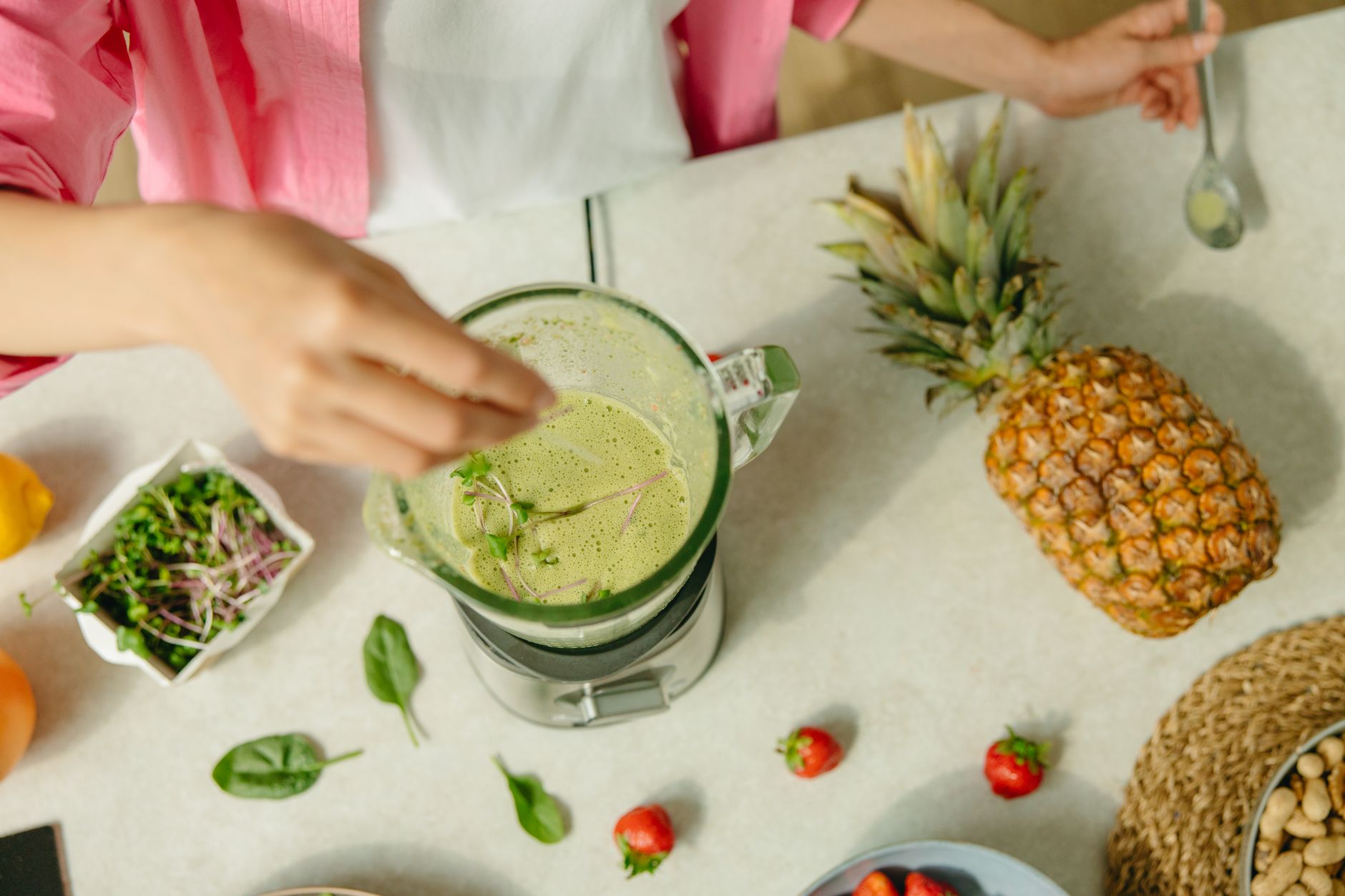
The aroma of freshly blended fruits swirls through the kitchen, vibrant hues of green and red sparkling in your glass. These American Diabetes Association smoothie recipes offer more than just flavorthey bring a thoughtful balance of nutrients aimed to support blood sugar control. Smoothies like these are smart, simple choices, blending fiber-rich veggies, low-sugar fruits, and protein-packed additions to keep your energy steady and your taste buds delighted.
Why These Smoothies Work
What Makes ADA Smoothies Different?
American Diabetes Association smoothie recipes focus on ingredients with a low glycemic index, high fiber content, and moderate protein. This trio helps to slow sugar absorption, preventing sharp spikes in blood glucose. Unlike regular smoothies that sometimes overload on sweet fruits or sugary yogurts, these recipes emphasize balance.
Incorporating vegetables, nuts, seeds, and plant-based proteins creates a creamy yet nutrient-dense blend. For example, spinach contributes fiber and antioxidants without excess carbs, while chia seeds add omega-3s and slow digestion further.
How Do These Smoothies Support Blood Sugar Control?
Fiber-rich ingredients and protein both delay gastric emptying. This keeps blood sugar from rising too quickly after drinking. Additionally, healthy fats from nuts or seeds promote satiety, reducing cravings later in the day. These recipes follow the type 2 diabetes nutritional guidelines outlined by the ADA emphasizing steady glucose management without sacrificing flavor.
Which Ingredients Are Key in ADA Smoothies?
- Low-Glycemic Fruits: Berries, green apples, and pears are favored for their modest sugar levels.
- Leafy Greens: Spinach and kale add volume, vitamins, and fiber without taste overload.
- Plant-Based Proteins: Pea protein or Greek yogurt (unsweetened) sustain fullness and balance carbs.
- Healthy Fats: Flaxseeds, chia seeds, or a tablespoon of nut butter provide flavor and slow sugar release.
- Liquid Bases: Unsweetened almond, soy, or oat milk, chosen for low sugar and carb counts.
Ingredients & Recipe Card
| Prep time | Total time | Servings | Calories | Diet tags |
|---|---|---|---|---|
| 10 minutes | 10 minutes | 2 | 220 | Low sugar, Gluten-free, Vegetarian |
Core Ingredients & Their Roles
- 1 cup unsweetened almond milk low in carbs, creamy base
- cup frozen mixed berries low glycemic fruit, powerful antioxidants
- 1 cup fresh spinach high fiber, adds earthy freshness
- 2 tbsp chia seeds healthy omega-3 fats, fiber
- medium green apple, chopped natural sweetness with fiber
- cup plain Greek yogurt (unsweetened) boosts protein, creamy texture
- 1 tsp cinnamon can help improve insulin sensitivity, according to studies
- Ice cubes as needed for thickness
For substitutions, swap Greek yogurt with plain unsweetened soy yogurt or a scoop of pea protein powder for vegan options. Frozen berries can be replaced with fresh ones based on seasonality, but frozen fruit helps thicken texture without added sugars. Almond milk may be replaced by unsweetened soy or oat milk, though oat tends to have higher natural sugarschoose wisely based on your carbohydrate goals.
| Milk Option | Sugar (g) per cup | Carbs (g) per cup |
|---|---|---|
| Unsweetened Almond Milk | 0 | 12 |
| Unsweetened Soy Milk | 1 | 34 |
| Unsweetened Oat Milk | 2 | 1012 |
Step-by-Step Instructions
How to Prepare Ingredients
Wash spinach leaves thoroughly and chop the green apple into small chunks to ease blending. Use frozen berries straight from the freezer; no thawing required. Measure out all other ingredients beforehand for smooth workflow.
Best Blending Order and Speed
Add liquids first: pour the cup of almond milk into your blender pitcher. Then add spinach, frozen berries, apple pieces, chia seeds, yogurt, and cinnamon. Blend on high speed for 45 seconds. If needed, stop and scrape down the sides once during blending to ensure even mixing.
Common Issues & Solutions
- Smoothie too watery? Add 2-3 ice cubes or increase frozen fruit quantity by cup.
- Too thick to blend? Pour an extra tablespoon of almond milk and pulse another 15 seconds.
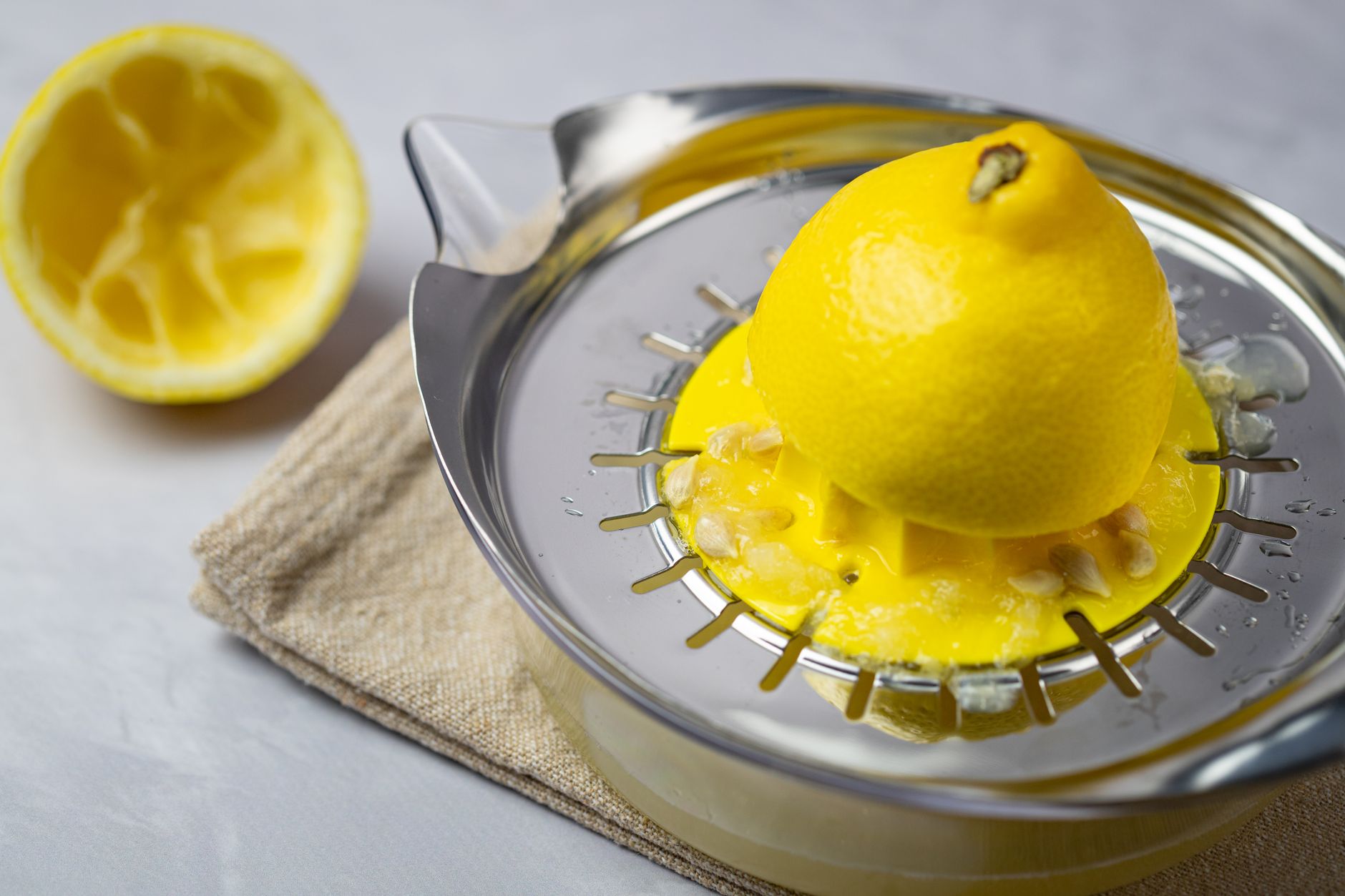
- Bitter spinach taste? Adding cinnamon or a small squeeze of fresh lemon juice balances flavors well.
Variations & Dietary Swaps
Adjusting for Vegan, Low-Carb, or Gluten-Free Diets
Omit Greek yogurt and add a half scoop of vegan pea protein powder for a vegan-friendly boost. For lower carb versions, reduce apple to cup and increase leafy greens. Gluten-free is guaranteed with this base, but always check store-bought ingredients to avoid cross-contamination.
Adaptations for Weight Loss or Extra Protein
Include 1 tbsp natural nut butter for satisfying fats. Swap half spinach for kale for added iron and vitamins. For more protein without significantly increasing calories, add collagen peptides or powdered egg whites (if not vegan).
Seasonal Ingredient Swaps
Try substituting frozen berries with pumpkin puree and warming spices in fall for a creamy twist. In summer, fresh cucumber with mint provides a refreshing flavor. These swaps keep texture and blood sugar impact in check while providing variety year-round.
Serving & Pairing Ideas
Foods to Pair for Balanced Meals
Pair this smoothie with a hard-boiled egg or a small handful of almonds. The additional protein supports midday satiation and balances carbs further. Hummus with veggie sticks is another option to round a light snack or mini-meal.
Using Smoothies as Meal Replacements
When replacing breakfast, add an extra tablespoon of nut butter or a scoop of protein powder to keep you full through the morning. Avoid using smoothies alone if you need sustained energy because they lack complex carbs and fiber diversity.
Best Times to Enjoy for Blood Sugar Benefits
Breakfast and mid-afternoon are ideal times to enjoy these smoothies, as they help stabilize blood sugar when youre most prone to dips or spikes. Consuming after light exercise can also replenish nutrients without overwhelming sugar.

Storage, Reheating & Prep Tips
- Storage: Store smoothies in an airtight mason jar in the refrigerator for up to 48 hours. Nutrient loss and texture changes increase after this time.
- Reheating: Not recommended. Instead, stir or re-blend chilled smoothies to restore smoothness if separation occurs.
- Make-Ahead Prep: Combine dry ingredients and frozen fruit in freezer bags. Next morning, add fresh ingredients and liquids for quick blending (under 5 minutes).
Troubleshooting & Pro Tips
Smoothie Too Sweet or Blood Sugar Spikes?
Reduce or omit high-sugar fruits like apple. Increase leafy greens and protein. Use cinnamon and lemon juice to enhance flavor without added sugars.
How to Thicken Smoothies Without Sugar?
Adding chia seeds, flaxseeds, or avocado greatly improves creaminess and thickness while adding beneficial fats and fiber. Frozen fruit also thickens naturally.
Masking Bitterness While Keeping It Healthy
Try vanilla extract or a dash of nutmeg. Lemon zest or lime juice brightens flavors, offsetting bitterness without sugar. Avoid artificial sweeteners which can disrupt gut health.
When is the best time to drink American Diabetes Association smoothie recipes?
Morning or mid-afternoon are perfect times to drink these smoothies. They provide steady energy and help manage blood sugar fluctuations common during these periods. Consuming them before physical activity can also boost stamina without causing sugar spikes.
Are these smoothies safe for people with type 2 diabetes to consume daily?
Yes, when consumed in moderation and as part of a balanced diet, ADA smoothie recipes are designed to be diabetes-friendly. Their controlled sugar content and high fiber help maintain stable blood glucose levels. It is always best to consult your healthcare provider regarding daily meal plans.
Where can I find American Diabetes Association diabetic smoothie recipes in PDF format?
Some trusted recipe blogs provide downloadable PDFs with ADA-approved smoothies. RecipeisEasy offers a great resource for smoothies for diabetics type 2 recipes pdf, perfect for easy reference and planning.
Can these smoothies aid weight loss in diabetic diets?
When combined with portion control and regular exercise, these smoothies can support weight loss. Their fiber and protein content promote satiety, reducing overeating. Keeping sugar choices low further helps maintain balanced insulin response for weight management.
How do I adjust these recipes if I have other dietary restrictions?
These recipes are easily adaptable. For vegan diets, replace dairy yogurt with plant-based yogurt or protein powders. To reduce carbs, limit fruit portions and increase greens. For nut allergies, opt for oat or rice milk and omit seeds accordingly.
What common fruits or ingredients should diabetics avoid in smoothies?
High-sugar fruits like mango, pineapple, banana, and grapes should be limited. Avoid added sugars or juice concentrates. Also, sweetened yogurts and flavored milks may spike blood sugar unexpectedly. Always choose whole, fresh, or frozen natural ingredients with no added sugars.
Can I freeze these smoothies for later use?
Yes, you can freeze smoothies in sealed containers for up to one month. Thaw in the fridge overnight and shake or re-blend before drinking. Texture may change slightly, but nutrients generally remain intact.
More Recipes Youll Love
If you enjoy this, check out the Crab stuffed portobellos recipe 2047888 for a savory, low-carb meal option. For a protein-and-vegetable packed side, the Garlic chick peas and greens recipe 1913271 is hearty and diabetes-friendly.
Both complement a balanced diabetic diet and add exciting variety to your meal plans.
Conclusion
These American Diabetes Association smoothie recipes combine creamy textures, vibrant flavors, and smart nutrition to support your diabetes management. Easy to prepare and endlessly adaptable, they make taking care of your health both enjoyable and delicious. Try the recipe today, tweak it your way, and share your favorite variations in the comments below. Your next diabetes-friendly treat awaits!
FAQs
When is the best time to drink american diabetes association smoothie recipes?
Morning and mid-afternoon are ideal times to enjoy these smoothies. They help maintain steady energy and stabilize blood sugar during periods when fluctuations are common. Drinking them before physical activity can also boost stamina without causing sugar spikes.
Are these smoothies safe for people with type 2 diabetes to consume daily?
Yes, when consumed in moderation as part of a balanced diet, ADA smoothie recipes are diabetes-friendly. Their low sugar and high fiber content support stable blood glucose levels, but it’s best to consult a healthcare provider for personalized advice.
How can I adapt these smoothie recipes for vegan or low-carb diets?
Replace dairy yogurt with plant-based yogurt or pea protein for vegan options. For low-carb, reduce fruit portions, especially apples, and increase leafy greens. You can also omit nut-based ingredients if allergic and choose appropriate milk substitutes.
What ingredients should diabetics avoid in smoothie recipes?
Diabetics should avoid high-sugar fruits like mango, pineapple, banana, and grapes. Also, skip added sugars, juice concentrates, and sweetened yogurts or flavored milks that can cause blood sugar spikes.
Can I freeze these smoothies for later use?
Yes, smoothies can be frozen in sealed containers for up to one month. Thaw them overnight in the fridge and shake or re-blend before drinking for best texture and nutrient retention.