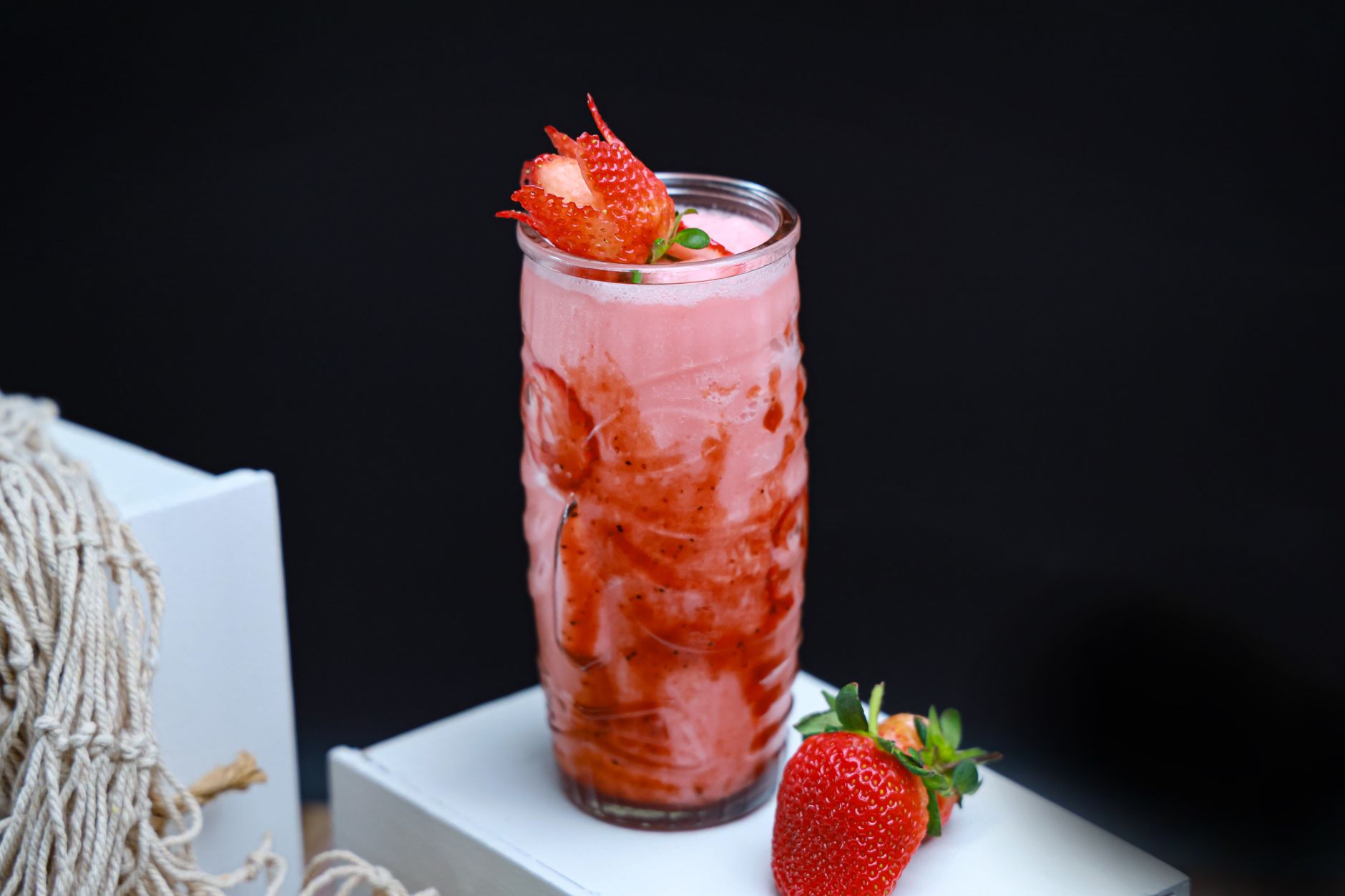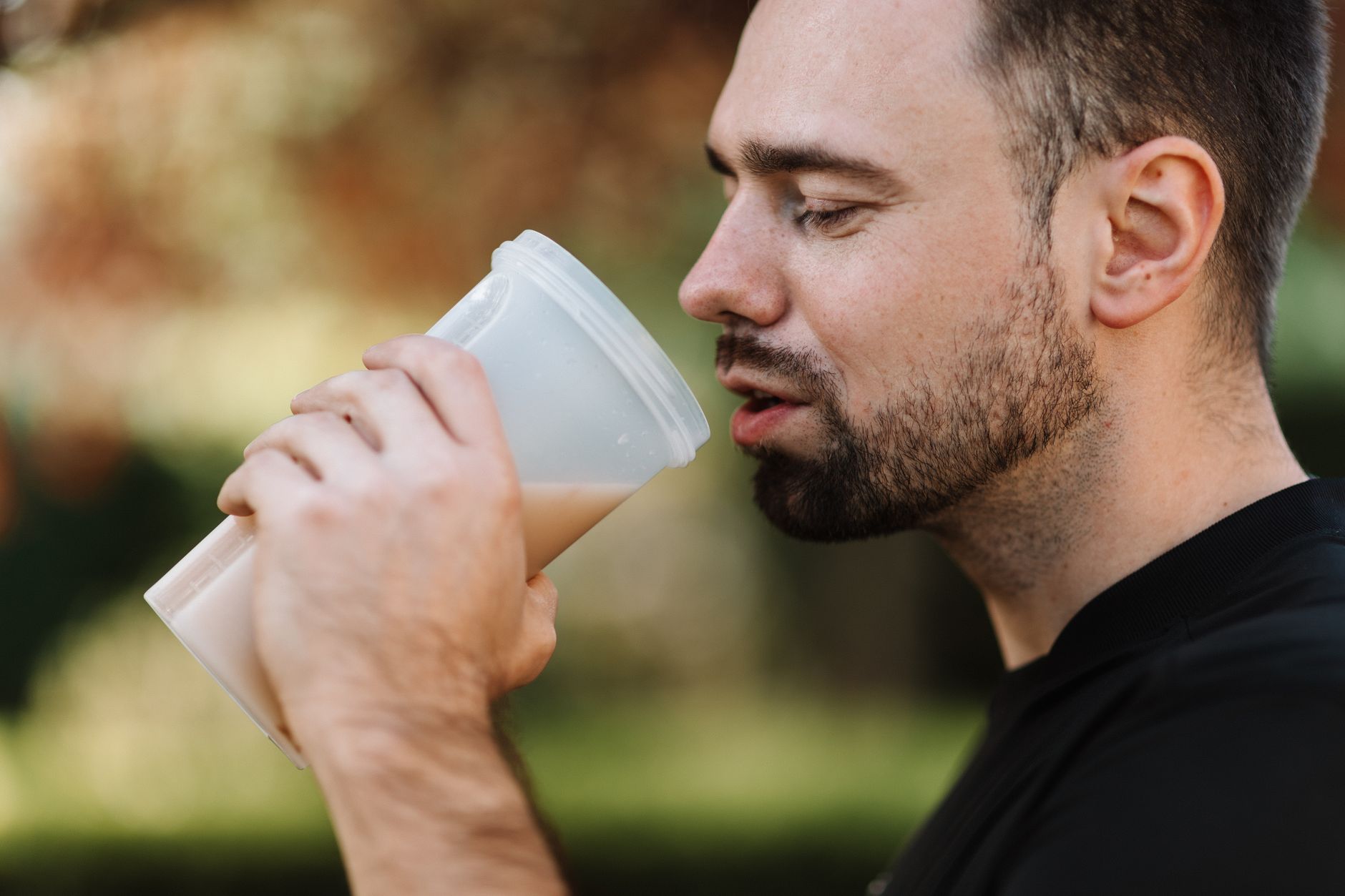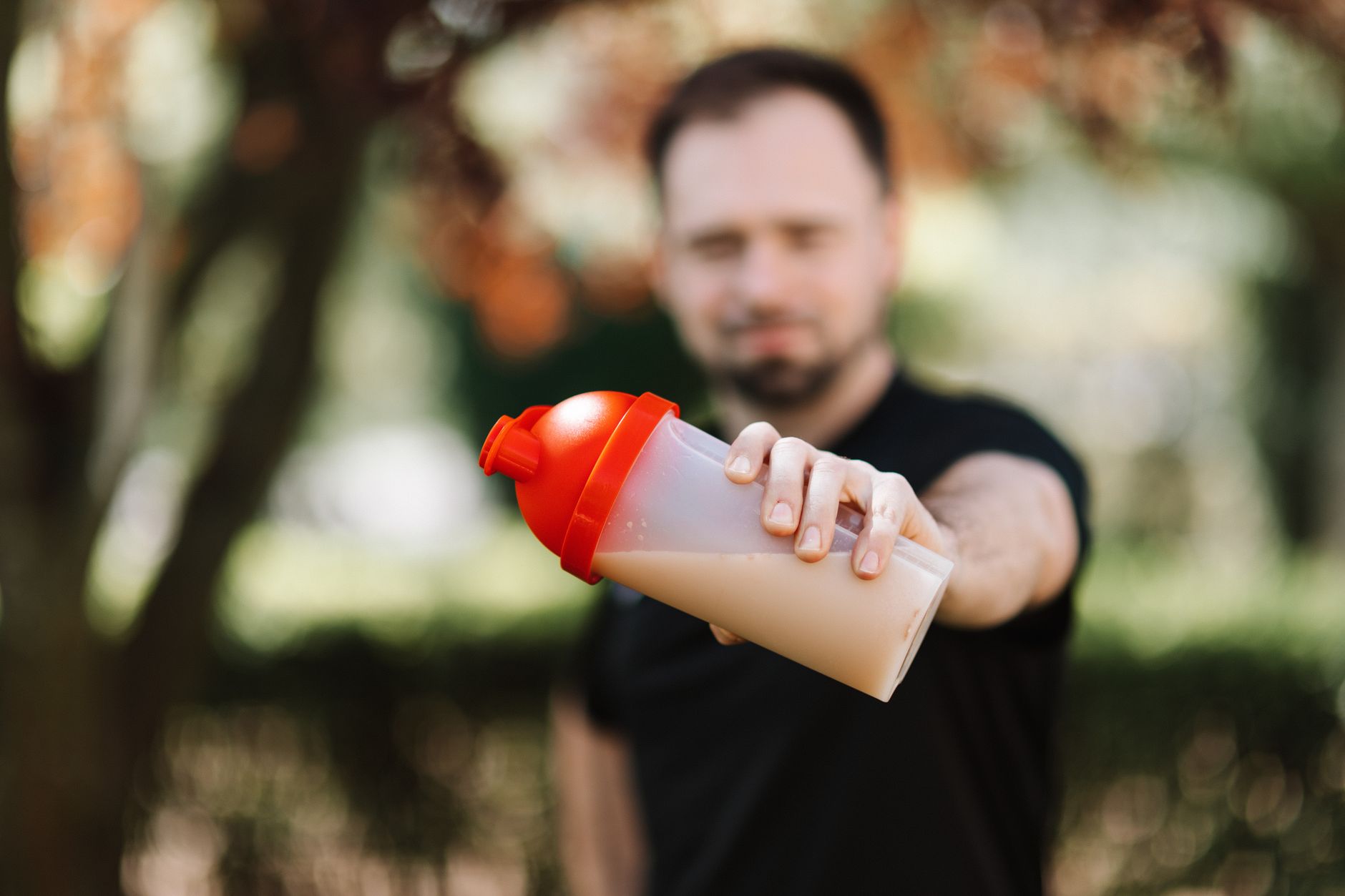
Finding tasty and nutritious options that fit a diabetic lifestyle isnt always simple. Thats why these sugar-free protein shakes for diabetics offer a balanced approachpacked with wholesome ingredients to support steady blood sugar while keeping flavor front and center. Whether you want a quick breakfast, a post-workout boost, or just a convenient snack, this guide will walk you through making shakes tailored to your needs.
Recipe Card
| Prep time | Total time | Servings | Calories | Diet tags |
|---|---|---|---|---|
| 5 minutes | 5 minutes | 1 | 250 kcal | Sugar-free, Low-carb, Diabetic-friendly, Gluten-free |
Ingredients and Benefits
Before we get blending, its helpful to understand which ingredients work best in sugar-free protein shakes for diabetics and why.
Which Protein Sources Suit Diabetics Best?
The foundation of a great diabetic-friendly shake is a protein powder low in carbs and free of added sugars. Whey protein isolate is a popular choice because it digests quickly and contains minimal lactose, but plant-based proteins like pea or hemp can also be excellentespecially for those with sensitivities. Collagen peptides offer another low-carb, sugar-free option perfect for joint and skin health.
| Protein Type | Carbs (per 20g serving) | Diabetic Suitability | Flavor Notes |
|---|---|---|---|
| Whey Isolate | 1g | High | Neutral-creamy |
| Pea Protein | 2g | High | Earthy, slightly grassy |
| Collagen Peptides | 0g | Very High | Almost flavorless |
Choosing Sugar-Free and Low-Carb Ingredients
Besides protein powder, pick liquids like unsweetened almond milk or coconut water to keep carbs low. Fresh or frozen berries add subtle sweetness and antioxidants without spiking sugar. Natural sugar substitutesstevia, monk fruit, or erythritolgive a touch of sweetness but beware of aftertaste and individual tolerance.
Ingredient Substitutions for Allergies and Preferences
- If dairy is an issue, swap whey isolate with a vegan blend of pea and rice protein.
- Use silken tofu instead of yogurt to increase creaminess while keeping sugar minimal.
- Instead of stevia, try a splash of vanilla extract or a pinch of cinnamon for flavor boost without artificial sweeteners.
Shopping for high-quality ingredients doesnt have to be expensive. Bulk protein powders often come at better prices. Local farmers markets may have fresh berries in season, and almond or oat milk options are widely available in stores.
Step-by-Step Making Instructions
Getting the texture right is key. Heres how to prepare your shake with clarity and precision.
How to Prepare the Shake
- Add 1 cup (240 ml) unsweetened almond milk to your blender.
- Include 1 scoop (about 20 g) of your chosen sugar-free protein powder.
- Toss in cup frozen mixed berries (blueberries, raspberries, blackberries).
- Add 1 teaspoon of chia seeds or ground flax for fiber boost.
- Sweeten lightly with 3 drops stevia, or substitute monk fruit powder equivalent to 1 teaspoon sugar.
- Blend on high speed for exactly 45 seconds until smooth but still creamy.
Common Mistakes When Making Protein Shakes
One trap is using too thick a base, causing the shake to resemble pudding. If this happens, add 2 tablespoons of water and blend again for 15 seconds. Another error is over-sweeteningstart with little and taste halfway through blending. Some sweeteners can cloud flavor; adding a pinch of cinnamon or cocoa powder can mask off notes.
Adjusting Texture and Flavor
For creamier shakes, add 2 tablespoons full-fat Greek yogurt (check carbs) or substitute a quarter of a frozen avocado for silky richness. If you prefer a thinner shake, gradually increase almond milk in cup increments. Want richer flavor? Blend in 1 teaspoon unsweetened cocoa powder or a splash of vanilla extract at the end of blending.

Variations for Different Needs
Everyones diabetic management is unique. These shake adaptations fit a variety of nutrition goals.
For Type 2 Diabetics: Balancing Carbs and Fat
Reduce carbohydrate content by omitting fruit and adding more fiber-rich seeds like flax or psyllium husk powder (1 teaspoon). Include 1 tablespoon MCT oil or a small handful of nuts to improve satiety through healthy fats.
Low-Calorie Weight Loss Option
Stick with protein powder, unsweetened almond milk, and ice cubes, holding off on any high-fat additions. Skip fruits and sweeteners altogether to maintain minimal calories. This is a no-frills, nutrient-sparing shake for appetite control.
Weight Gain and Muscle Building
Add cup rolled oats or cooked quinoa for complex carbs and calories. Incorporate 1 tablespoon natural peanut or almond butter. Use full-fat coconut milk instead of almond milk for extra calories without sugars.
Vegan and Gluten-Free Adaptations
Choose pea or rice protein instead of whey. Use plant-based milks like oat or hemp milk. Avoid any additives derived from gluten. Sweeten with monk fruit or allulose. Adding spirulina or maca powder can provide extra nutrients without impacting sugar levels.

Serving Suggestions
Best Times to Drink Your Shake
The most effective times are breakfast when blood sugar tends to be highest, or within 30 minutes after exercise to support muscle repair. Some people find mid-afternoon shakes curb sugar cravings and energy dips.
Pairing Ideas for Balanced Meals
Combine your shake with simple sides like a hard-boiled egg for extra protein or a small serving of raw veggies such as celery sticks. This balances macros and avoids sugar spikes better than shakes alone.
Flavor Customizations
Enhance natural flavors with ground cinnamon, nutmeg, or a pinch of turmeric. A teaspoon of unsweetened cocoa adds richness and antioxidants. Fresh herbs like mint or a drop of vanilla extract bring freshness without sugar.
Storage and Prep Tips
Refrigeration
Homemade shakes store best in airtight containers. You can refrigerate them safely for up to 48 hours. Shake or stir well before drinking to recombine any separation. Avoid keeping longer to preserve taste and nutrient quality.
Freezing
Freezing shakes is possible but changes texture. Freeze in ice cube trays for up to one month. Thaw in fridge briefly and blend for 15 seconds to restore creaminess.
Make-Ahead Prep
Prepare dry ingredients (protein powder, seeds, spices) in a small jar the night before. Store frozen fruit portions in bags. Combine and blend fresh when ready, saving 35 minutes daily.
Troubleshooting and Pro Tips
Adjusting Thickness
If your shake feels too thick, add almond milk in 2-tablespoon increments. If too thin, add 1 tablespoon chia seeds or a few ice cubes before blending.
Managing Sweetener Aftertaste
Artificial sweeteners sometimes leave bitterness. To counter this, blend in spice like cinnamon or unsweetened cocoa powder. A splash of vanilla extract also helps smooth harsh notes.
Dealing with Unexpected Blood Sugar Spikes
If blood sugar rises after drinking a sugar-free shake, consider testing ingredients individually to find the culprit. Some fruits or milk alternatives may affect you differently. Always monitor quantities and consult your healthcare professional before introducing new supplements.
If you want more recipe ideas that focus on sugar-free protein shakes, this collection of sugar free protein shakes might inspire your routine.
When is the best time to drink sugar-free protein shakes for diabetics?
The ideal time varies but common recommendations include breakfast to help stabilize blood sugar after overnight fasting, or post-workout within 30 minutes to aid muscle recovery. Mid-afternoon consumption can also help manage hunger and prevent sugar cravings.
Can diabetics use artificial or natural sweeteners in these shakes safely?
Most artificial and natural sugar substitutes like stevia, monk fruit, or erythritol are considered safe in moderate amounts. However, individual tolerance variesmonitor blood sugar responses when trying new sweeteners.
Are ready-to-drink protein shakes as effective as homemade ones?
Ready-to-drink options can be convenient but often contain preservatives or added sugars. Homemade shakes allow you to control ingredients fully, ensuring theyre truly sugar-free and suited to your dietary needs.
Which protein shake brands are recommended for diabetics?
Look for brands that explicitly list zero or minimal carbs, no added sugar, and use clean ingredients. Reputable brands often provide transparent nutrition labels and have third-party testing.
How many protein shakes can a diabetic have daily?
One to two shakes per day generally fits well within a balanced diet, but adjust based on your overall calorie and protein needs. Overconsumption can displace other important nutrients found in whole foods.
Can these shakes help with both weight loss and weight gain?
Absolutely. Adjust the recipe to suit your goals by modifying calories and macronutrients. Low-calorie versions aid weight loss, while adding healthy fats and carbs supports healthy weight gain.
What if I dont have a blender handy?
Shakes are best with a blender for smooth texture, but a strong shaker bottle can work with powdered protein and liquid. Expect some grittiness. Mixing times should be longerat least 30 seconds of active shaking.
More Recipes to Try
For a sweet breakfast that pairs beautifully with protein shakes, consider the Vanilla cardamom cast iron skillet french toast with pan roasted apples and date molassesa comforting and naturally sweet option without refined sugars.
If you‘re in the mood for savory, the Red snapper livornese recipe2 offers a flavorful entre that complements protein-rich meals and supports blood sugar control with wholesome ingredients.
Conclusion
Sugar-free protein shakes for diabetics dont have to be bland or complicated. A few quality ingredients blended just right can offer a creamy, satisfying drink that fits your lifestyle and health needs. Try this recipe, experiment with your favorite flavors, and let us know how you customize your shakesyour feedback helps everyone discover tasty, diabetes-friendly ideas.
FAQs
When is the best time to drink sugar-free protein shakes for diabetics?
The ideal times are breakfast to stabilize blood sugar after fasting, post-workout within 30 minutes to aid muscle recovery, or mid-afternoon to help curb hunger and prevent sugar cravings.
Can diabetics use artificial or natural sweeteners safely in these shakes?
Yes, sweeteners like stevia, monk fruit, and erythritol are generally safe in moderation, but individual tolerance varies. It's important to monitor blood sugar responses when introducing new sweeteners.
Are ready-to-drink protein shakes as effective as homemade ones for diabetics?
Ready-to-drink shakes offer convenience but often contain preservatives or added sugars. Homemade shakes give you full control over ingredients, ensuring they're truly sugar-free and tailored to your dietary needs.
How many protein shakes can a diabetic have daily?
Typically, one to two shakes daily fits well within a balanced diabetic diet, but adjust based on individual calorie and protein needs. Avoid excess to prevent displacing nutrients from whole foods.
Can sugar-free protein shakes help with both weight loss and weight gain?
Yes. By adjusting calories and macronutrients, low-calorie shakes aid weight loss, while adding healthy fats and complex carbs supports healthy weight gain and muscle building.