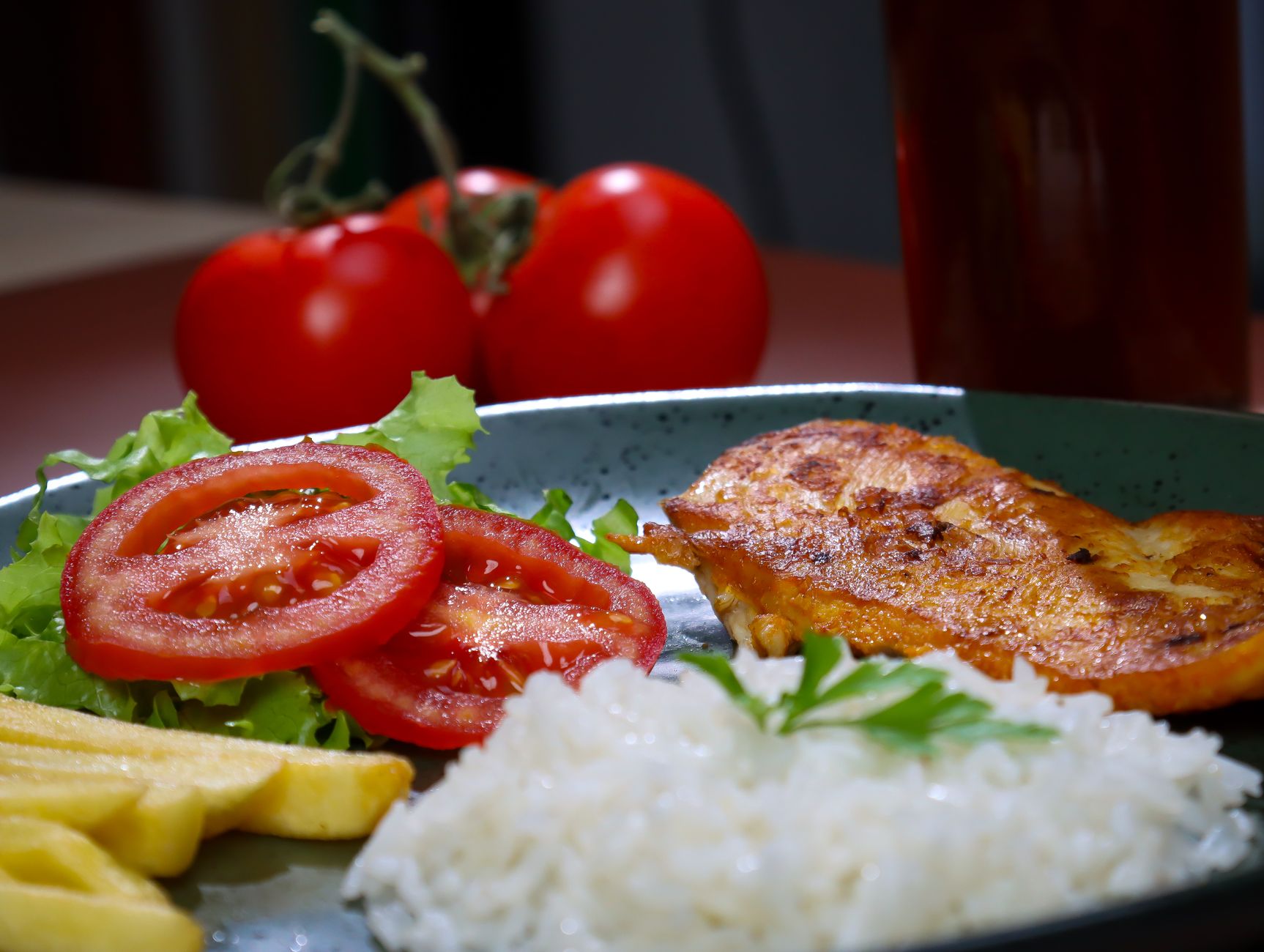
Vegetables that go with chicken and rice bring vibrant color and fresh flavors to your plate. Pairing the right vegetables is key to creating nutritious chicken and rice meals with satisfying textures and bright tastes. Whether youre after healthy sides for chicken and rice or want to enhance your cooking with simple combos, choosing the best vegetables is a game-changer. This guide offers practical tips and delicious ideas for elevating your next meal.
Introduction
Why Vegetables That Go With Chicken and Rice Improve Flavor and Health
Adding fresh vegetables to chicken and rice adds layers of flavor and vital nutrients. The crunchy bite of bell peppers or the earthy depth of broccoli balances the mild, savory taste of chicken and the creamy softness of rice. More than just taste, these vegetables provide fiber, vitamins, and antioxidants, making your meal nourishing and satisfying. This combination strikes the perfect harmony between comfort and health.
Who This Recipe Is Best For
This vegetable pairing is ideal for home cooks who want quick, wholesome meals without fuss. It suits families needing balanced dinners and anyone wanting versatile options for meal prepping. Even beginner cooks can handle these simple steps to create appetizing, nutritious meals using everyday produce.
What Makes This Vegetable Pairing Unique
The selection goes beyond common mixed veggies by offering options that maintain texture and blend well with chicken and rice. These combos prevent sogginess and maximize flavor harmony, whether stir-fried, baked, or sauted. Theyre adaptable to various cooking styles, making every meal exciting without extra effort.
Key Highlights
Flavor and Texture Balance with Crunchy and Tender Veggies
Great vegetable combinations include both crunchy and tender types for bite variety. Bell peppers and snap peas give a crisp snap, while carrots and zucchini soften nicely when cooked. This contrast makes each forkful interesting alongside the tender chicken and fluffy rice. Balancing these textures is a simple way to elevate any dish.
Versatility in Every Meal
These vegetable options fit well in diverse cuisines. Use them in Asian stir-fries, Mediterranean casseroles, or classic American skillet meals. Adapting to herbs, spices, and sauces keeps the combinations fresh and suitable for many flavor preferences.
Considerations for Allergies or Sensitivities
Some like to avoid nightshades such as bell peppers and tomatoes. Alternatives like green beans, asparagus, or snap peas work perfectly without losing freshness. This flexibility ensures everyone can enjoy savory chicken and rice dishes comfortably.
Ingredients & Preparation
| Prep time | Total time | Servings | Calories | Diet tags |
|---|---|---|---|---|
| 15 minutes | 45 minutes | 4 | 350 per serving | Gluten-Free, Dairy-Free, Low-Carb Option |
Full Ingredient List With Substitutions
- 2 cups cooked rice (cauliflower rice as a low-carb chicken and rice option)
- 1 lb chicken breast or thighs, diced
- 1 cup bell peppers, sliced (any color; swap with green beans if avoiding nightshades)
- 1 cup broccoli florets (substitute with cauliflower)
- cup snap peas (or green beans)
- 1 medium carrot, julienned (optional but adds sweetness)
- 2 cloves garlic, minced (optional)
- 2 tbsp olive oil or preferred cooking oil
- Salt and pepper to taste
- Fresh parsley or cilantro for garnish
Equipment Needed
A non-stick skillet or wok works best for quick stir-frying. A steamer basket helps for softer vegetables, but its not necessary. You only need basic kitchen tools like a knife, cutting board, and spoon.
Tips for Selecting Produce
Choose vegetables that are fresh and firm with vibrant colors to enhance flavor and texture. Avoid wilted or overly soft produce. Organic is a plus but not required. Freshness helps avoid soggy vegetables with chicken and rice after cooking.
Step-by-Step Instructions
Step 1 Prep Vegetables and Chicken
Thoroughly wash all vegetables. Peel the carrot and julienne it into thin strips. Slice bell peppers and trim snap peas. Dice chicken into bite-sized pieces and pat dry to encourage a golden sear during cooking.
Step 2 Cook Chicken and Vegetables
Heat 2 tablespoons of oil in a skillet over medium-high heat. Add chicken pieces and cook for 68 minutes, stirring occasionally, until golden brown and fully cooked. Remove chicken from skillet and set aside.
Step 3 Saut Vegetables and Combine
In the same skillet, add bell peppers, broccoli, snap peas, and carrot. Stir-fry for 57 minutes until vegetables are tender yet crisp. Return chicken to the skillet, add garlic, salt, and pepper, and toss gently to combine flavors.
Step 4 Mix in Cooked Rice and Serve
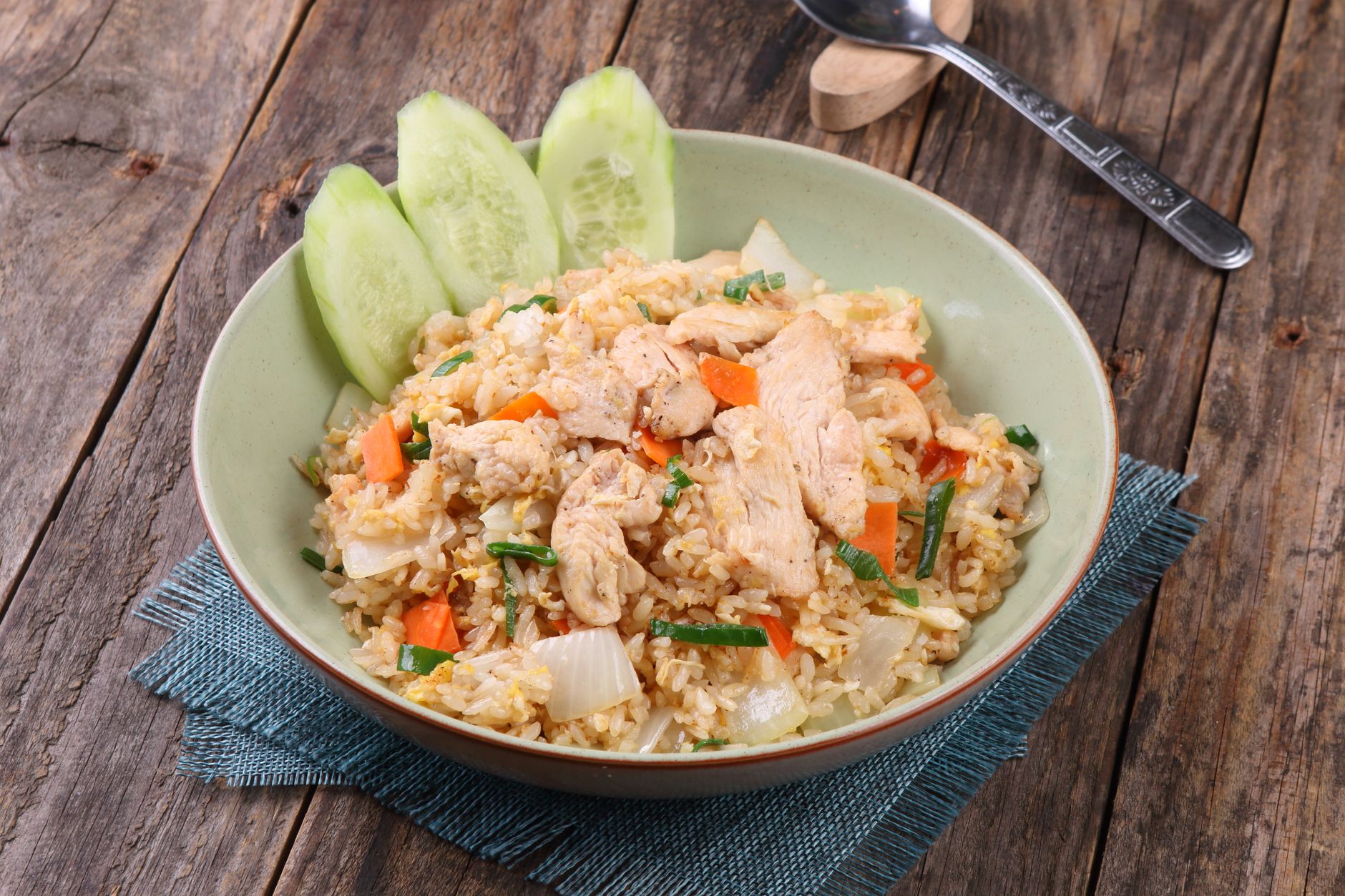
Add the cooked rice to the skillet and mix everything together. Heat for an additional 3 minutes, stirring often to allow flavors to meld. Remove from heat and sprinkle fresh herbs on top. Serve immediately or store for meal prep.
Common mistake: Overcooking vegetables leads to soggy textures. Stir-fry just until tender-crisp for best results.

Variations & Substitutions
Popular Dietary Variations
For a vegetarian alternative, swap chicken with tofu or tempeh. Choose cauliflower rice instead of white rice for low-carb chicken and rice options. Spice lovers can add chili flakes or hot sauce to heat things up.
Ingredient Swaps and Their Impact
Replacing broccoli with cauliflower shifts texture slightly but maintains nutrition. Frozen vegetables offer convenience but may be softer after cooking. Use fresh whenever possible to avoid soggy vegetables with chicken and rice.
Adjusting Flavors to Taste
Add ginger or curry powder for an Asian-inspired twist. Increase garlic or finish with lemon zest for bright, fresh flavor. Sweet chili sauce or mild herbs like dill temper spice and add complexity.
Storage & Shelf Life
Refrigerator Storage
Store leftovers in airtight containers. The dish keeps well for 34 days in the fridge. When reheating, warm gently on medium heat to keep chicken moist and maintain vegetable texture.
Freezer Storage
Freeze portions in airtight freezer-safe containers or heavy-duty freezer bags. For convenience, freeze sauces in ice cube trays if using. Keep frozen for up to 2 months. Thaw overnight in the refrigerator before reheating.
Make-Ahead Tips
Prepare vegetables and chicken separately to keep flavors fresh. Cook rice in bulk and assemble right before serving. Label containers with dates and contents for easy meal prep management.
Pro Tips & Troubleshooting
Practical Cooking Tips
Pat chicken dry before cooking to achieve a nice golden crust. Use high heat when stir-frying vegetables to preserve crispness and color. Avoid overcrowding the pan, which causes steaming instead of frying, leading to soggy vegetables.
Fixing Common Issues
If your vegetables turn soggy, try cooking in smaller batches and reduce stir-fry time. Bland dishes may need more seasoning or a splash of acid like lemon juice to brighten flavors. Avoid dry chicken by not overcooking and letting it rest for a few minutes before mixing.
Expert Upgrade
Sprinkle toasted sesame seeds or drizzle with soy sauce for a deeper umami flavor. A pinch of smoked paprika or cumin adds warm, smoky notes that suit many one-pot chicken and rice recipes.
When is the best time to eat vegetables that go with chicken and rice?
The best time to enjoy vegetables that go with chicken and rice is at lunch or dinner. These meals provide balanced nutrition and energy to power you through your day or wind down in the evening. Serving them warm enhances flavor and texture.
Can I make a big batch ahead of time?
Yes, this dish stores well. Refrigerate leftovers in airtight containers for 34 days. Freeze in meal-sized portions for up to 2 months. Proper storage keeps your nutritious chicken and rice meals fresh and convenient.
Fresh vegetables or frozen which is better?
Fresh vegetables deliver better texture and bright flavors. Frozen vegetables are convenient and may retain nutrients but tend to soften more when cooked. For crisp results, opt for fresh whenever possible.
Is this dish safe for pregnant women or kids?
Generally, yes. This combination is wholesome and nutritious. Adjust seasoning to be mild for kids and expectant mothers. Avoid spicy or overly salty variations and consult a healthcare provider if unsure about specific ingredients.
How often can I have chicken and rice with vegetables?
Consuming chicken and rice with vegetables 34 times per week fits well into balanced diets. It offers nourishing proteins, fiber, and vitamins that sustain energy and support health.
Why does my dish sometimes taste bland or bitter?
Blandness often means under-seasoned food. Increase salt gradually or add a splash of acid like lemon juice to brighten flavors. Bitterness may come from overcooked or slightly burnt vegetables. Cook veggies tender-crisp to avoid this.
What pairs well with chicken and rice plus vegetables?
Light salads, steamed dumplings, or tangy yogurt sauces add freshness and contrast. Drinks like iced green tea or a crisp white wine complement the meals flavors and offer an aromatic balance.
More Recipes You Will Love
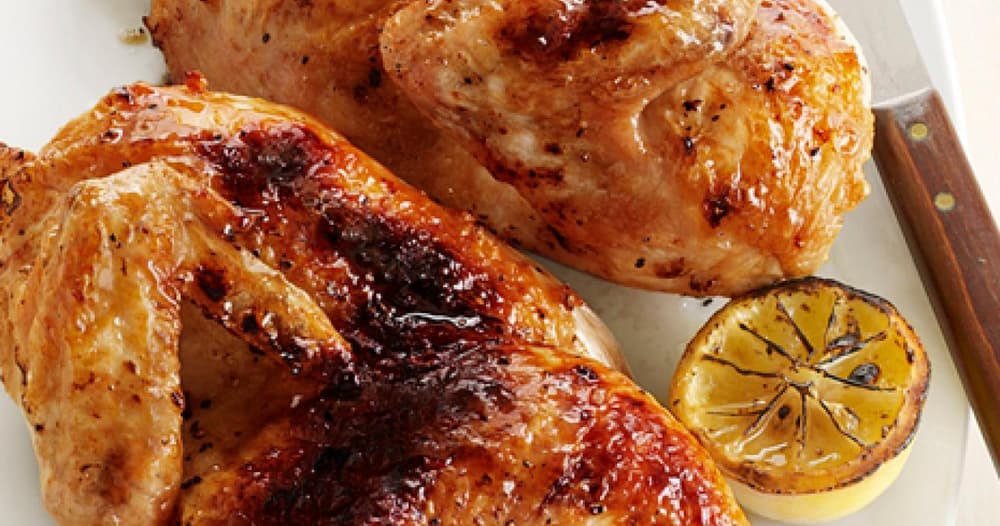
Try our best veggies to grill with chicken for a smoky twist on classic combinations. Its perfect for weekend barbecues and shares many useful tips for pairing veggies with poultry.
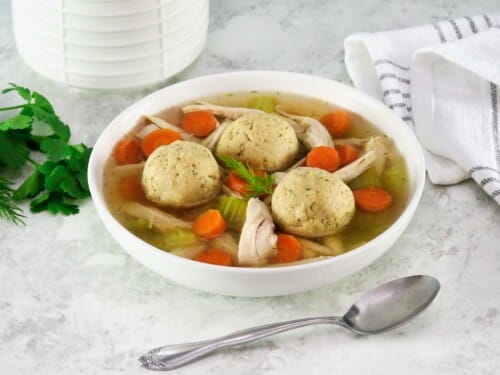
For a comforting meal on colder days, explore Homemade chicken noodle soup with egg noodles. Its a warm, soothing dish packed with subtle veggie flavors and tender chicken.
Conclusion
Vegetables that go with chicken and rice add color, nutrition, and texture, turning simple meals into flavorful, balanced plates. This pairing is easy and flexible, giving you options to suit any taste or diet. Try these combinations soon and share your experience in the comments. Dont forget to check out our one-pot chicken and rice pilaf recipe for another tasty variation.
FAQs
When is the best time to eat vegetables that go with chicken and rice?
The best time to eat vegetables with chicken and rice is at lunch or dinner. These meals provide balanced nutrition and energy to keep you fueled throughout your day or help you unwind in the evening. Serving them warm maximizes flavor and texture.
Can I make a big batch of chicken and rice with vegetables ahead of time?
Yes, this dish stores well. Refrigerate leftovers in airtight containers for 3 to 4 days. You can also freeze meal-sized portions for up to 2 months. Proper storage maintains freshness and makes meal prep convenient.
Is it better to use fresh or frozen vegetables with chicken and rice?
Fresh vegetables generally offer better texture and brighter flavors in chicken and rice dishes. While frozen vegetables retain nutrients and offer convenience, they tend to be softer after cooking, which might lead to less crispness.
Is chicken and rice with vegetables safe for pregnant women and kids?
Yes, this combination is wholesome and nutritious for most pregnant women and children. Adjust seasonings to be mild and avoid spicy or overly salty ingredients. Always consult a healthcare provider if you have concerns about specific dietary needs.
Why does my chicken and rice with vegetables sometimes taste bland or bitter?
Blandness usually means the dish needs more seasoning or acid like lemon juice to brighten flavors. Bitterness often results from overcooked or burnt vegetables. Cooking vegetables until just tender-crisp helps avoid bitter flavors.