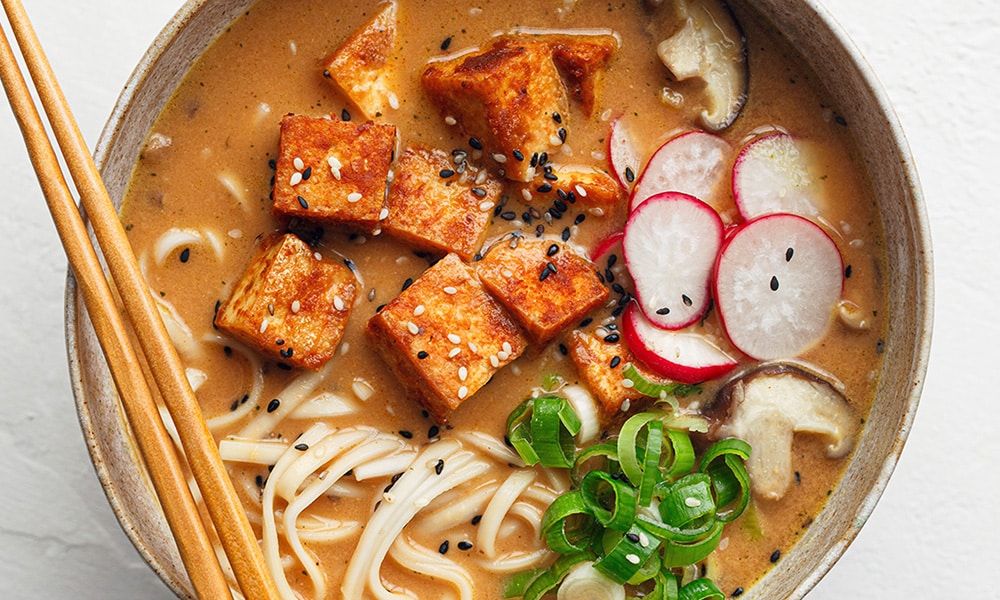
Did you know you can turn a single spoonful of gochujang into a rich, dairyfree ramen broth thats ready in under 15minutes? Did you also know that the same bowl can be packed with protein, fiber, and that addictive Korean umami without a single animal ingredient?
If youve ever craved the bold heat of Korean street food but want to keep things crueltyfree, youre in the right place. In the next few minutes Ill walk you through everything you need to know to make the best vegan gochujang ramenfrom why its a smart choice for your body, to the exact steps that turn pantry staples into a silkysmooth bowl of comfort.
Why Choose It
What makes gochujang the perfect ramen base?
Gochujang is a fermented redpepper paste made from glutinous rice, soybeans, and salt. The fermentation process creates natural glutamates, which give the paste a deep, savory umami that rivals meatbased broths. Add a splash of miso or tahini, and youve got a creamy gochujang ramen broth that feels indulgent without any dairy.
Health perks vs. potential drawbacks
Heres a quick rundown of the good stuff and the things you might want to watch:
- Benefits: probioticrich fermentation supports gut health; low in cholesterol; plantbased protein from tofu or tempeh; high in antioxidants from red pepper.
- Risks: gochujang can be salty, so people watching sodium should measure carefully; the spice level can be intense for sensitive palates.
Quick comparison (per serving)
| Nutrient | Traditional Pork Ramen | Vegan Gochujang Ramen |
|---|---|---|
| Calories | 530 | 410 |
| Protein (g) | 22 | 18 |
| Fat (g) | 20 | 12 |
| Sodium (mg) | 1,200 | 800 |
According to the daily recommended limit for sodium, the recommended limit is 2,300mg. Our vegan version stays comfortably under that ceiling, especially if you use a lowsodium broth cube.
Core Ingredients
Pantry staples youll need
Grab these basics before you startmost of them are already in a typical vegan pantry:
- Gochujang paste (look for a brand without fish sauce)
- Tahini or creamy peanut butter for that velvety texture
- White or red miso for extra depth
- Lowsodium vegetable broth (or bouillon cubes)
- Soy sauce or tamari for a salty kick
Protein options
If you love tofu, youre in luck. Silken tofu blends into the broth for a dreamy creaminess, while firm tofu holds its shape when panseared, giving you that satisfying bite. Want more variety? Try tempeh strips, edamame, or even chickpea meatballs. All of these work beautifully in gochujang ramen with tofu or instant ramen with tofu hacks.
Noodles that stay authentic
Wheat ramen is the classic choice, but rice noodles or shirataki are great alternatives if youre watching carbs. Whichever you pick, be sure to follow the package timing so the noodles stay firm and dont turn to mush.
Shopping checklist
- Gochujang (23 tbsp)
- Tahini (12 tbsp)
- Miso (1 tbsp)
- Lowsodium veg broth (4 cups)
- Firm tofu ( block)
- Wheat ramen noodles (2 packs)
- Green onions, sesame seeds, nori (optional garnish)
StepbyStep Recipe
How to build a creamy gochujang broth in 5 minutes
1. In a medium saucepan, whisk together 2tbsp gochujang, 1tbsp tahini, 1tbsp white miso, and cup water. The tahini acts like a dairy substitute, giving the broth that luscious mouthfeel.
2. Add 4 cups lowsodium vegetable broth and bring to a gentle simmer. Keep the heat lowhigh heat can break down the emulsified oils and make the broth grainy.
How to prepare the tofu for maximum flavor
While the broth simmers, press the firm tofu to squeeze out excess water (about 10minutes between two plates). Cut into bitesize cubes, then marinate in 1tbsp soy sauce + tsp grated ginger for 5minutes.
Heat a nonstick skillet over mediumhigh, add a drizzle of sesame oil, and pansear the tofu until each side is golden brown. The caramelized edges add a pleasant contrast to the silky soup.
How to cook the noodles perfectly
Boil a pot of water, add the noodles, and cook according to the packageusually 34minutes. Once done, drain and rinse under cold water. This stops the cooking process and keeps the noodles springy.
Full recipe card
Ingredients (serves 2)
- 2tbsp gochujang
- 1tbsp tahini
- 1tbsp white miso
- 4cups lowsodium vegetable broth
- block firm tofu
- 2packs wheat ramen noodles
- 2tbsp soy sauce
- tsp grated ginger
- 1tbsp sesame oil (for searing)
- Optional garnishes: sliced green onions, toasted sesame seeds, shredded nori
Directions
- Whisk gochujang, tahini, miso, and water in a saucepan.
- Stir in vegetable broth; bring to a low simmer.
- Press, cube, and marinate tofu; then pansear until golden.
- Cook noodles, rinse, and set aside.
- Divide noodles into bowls, ladle broth over them, top with tofu and garnish.
- Enjoy the creamy goodness while its hot!
Flavor variations you can try
Once youve mastered the base, experiment with these crowdpleasers:
MisoPeanut twist
Swap the tahini for 1tbsp smooth peanut butter and add an extra tbsp red miso. Youll get a nutty, slightly sweeter miso peanut ramen that pairs beautifully with a sprinkle of crushed peanuts.
Instant ramen upgrade
If youre short on time, use a package of instant ramen (make sure the flavor packet is vegan) and replace it with the homemade broth. This instant ramen with tofu hack cuts the noodle prep down to seconds while keeping the flavor authentic.
Heat level control
For mild comfort, halve the gochujang and add a dash of maple syrup. For firebreather status, double the gochujang, toss in a sliced fresh chilies, and finish with a splash of vegan gochujang sauce from a Korean market.
Variation comparison
| Version | Key AddIn | Prep Time | Protein (g) |
|---|---|---|---|
| Base | Gochujang + Tahini | 15min | 18 |
| MisoPeanut | Peanut Butter + Extra Miso | 18min | 19 |
| Instant Upgrade | Vegan instant noodles | 10min | 17 |
Nutrition Snapshot
Macro breakdown per serving
One bowl of the base recipe delivers roughly 410calories, 18g protein, 12g fat, and 800mg sodium. Thats a balanced mix of carbs, protein, and healthy fatsperfect for a postworkout refuel or a cozy dinner.
Special diet tweaks
If youre on a lowsodium plan, choose a nosalt broth and reduce the gochujang to 1tbsp. For a glutenfree version, swap soy sauce for tamari and use rice noodles. Want extra protein? Double the tofu or toss in edamame.
Tips to keep sodium in check
- Use lowsodium broth cubes or make your own veggie stock.
- Dilute gochujang with a splash of water if the flavor is too intense.
- Finish with fresh herbs (cilantro, green onion) instead of salty condiments.
Expert Tips & Common Mistakes
How to achieve that silky mouthfeel
Emulsify the gochujang and tahini vigorously before adding hot liquid. A handwhisk works fine, but a small immersion blender makes the texture ultrasmooth in seconds.
Why you shouldnt toss gochujang straight into boiling water
High heat can degrade the delicate fermented flavors, turning the broth flat. Keep the broth at a gentle simmerthink barely bubbling, not a rolling boil.
Dos & Donts cheat sheet
- Do taste and adjust salt before serving.
- Do add a splash of citrus (lime or yuzu) for brightness.
- Dont overcook the tofu; it becomes rubbery.
- Dont rinse gochujangits oils are flavor gold.
Research suggests fermented foods like gochujang can boost gut microbiome diversity, which is linked to better digestion and immune function. Thats another reason to make this ramen a regular in your meal rotation.
Sources & Community
When I first tried a vegan version of my favorite Korean streetfood bowl, I was skeptical. The recipe I ended up loving was born from a combination of a So Vegan blog post and a friendly discussion on the r/veganrecipes subreddit. Since then, Ive refined it with tips from registered dietitians and Korean chefs.
Want more inspiration? Check out these trusted resources (theyre packed with additional vegan Asianfusion ideas):
Feel free to join the conversation on the Cheap Vegan Food Facebook group, where members swap pantry hacks and seasonal twists. Sharing your own version helps the whole community discover new, tasty ways to stay plantbased.
Conclusion
Making vegan gochujang ramen is easier than you think, and the payoff is a bowl thats creamy, spicy, and undeniably comfortingall without a single animal product. Youve learned why gochujang works so well as a broth base, which pantry staples to keep on hand, how to perfect the tofu and noodles, and several fun variations to keep the dish fresh on repeat. Remember, balance is key: enjoy the bold flavors while watching your sodium, and feel free to adapt the recipe to suit glutenfree, highprotein, or lowheat preferences.
Give it a try tonightmaybe even share a photo with friends or tag us in your kitchen adventure. If you have any questions, need a substitution tip, or just want to brag about how perfectly slurpy your ramen turned out, Im here to chat. Happy cooking, and may every spoonful bring you warmth, flavor, and a little bit of plantpowered joy.
FAQs
What is gochujang and why is it ideal for ramen broth?
Gochujang is a fermented Korean red‑pepper paste made from glutinous rice, soybeans, and salt. Its natural glutamates give a deep umami that mimics meat‑based stocks, while the fermentation adds probiotic benefits.
Can I use a different nut butter instead of tahini?
Yes! Smooth peanut butter works well for a nutty twist, or you can try almond butter. Just keep the amount equal (about 1 tbsp) to maintain the creamy texture.
How do I keep the sodium low without losing flavor?
Choose a low‑sodium vegetable broth, reduce the gochujang to 1 tbsp, and finish with fresh herbs or a splash of lime instead of extra soy sauce.
Is this recipe gluten‑free?
Swap wheat ramen noodles for rice noodles or shirataki, and use tamari instead of soy sauce. The broth itself is naturally gluten‑free.
What are good protein alternatives to tofu?
Tempeh strips, edamame, or chickpea “meatballs” work beautifully. Just season and sear them before adding to the bowl for extra texture.