Why Tofu and Vegetable Stir-Fry with Rice Noodles?
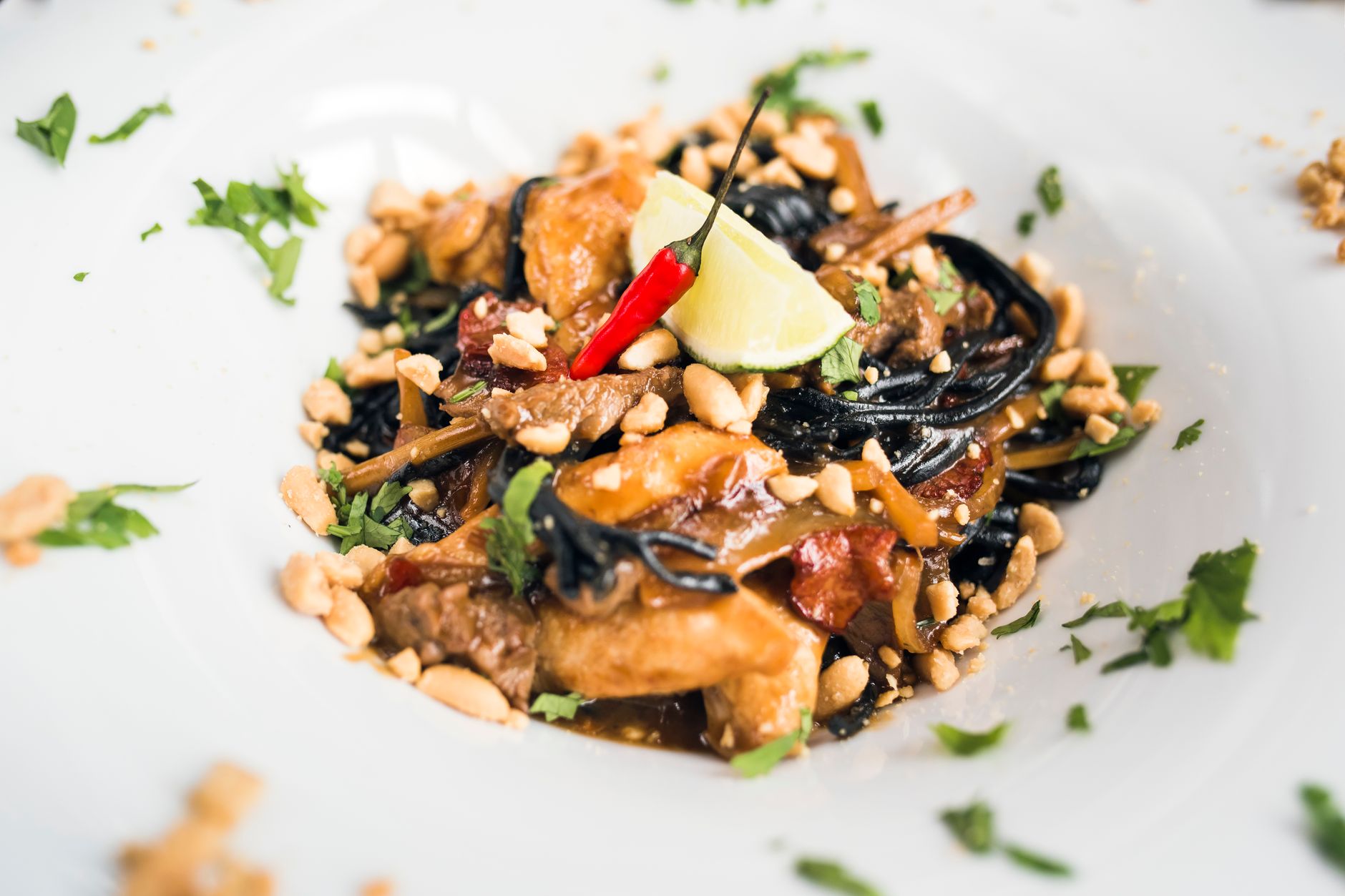
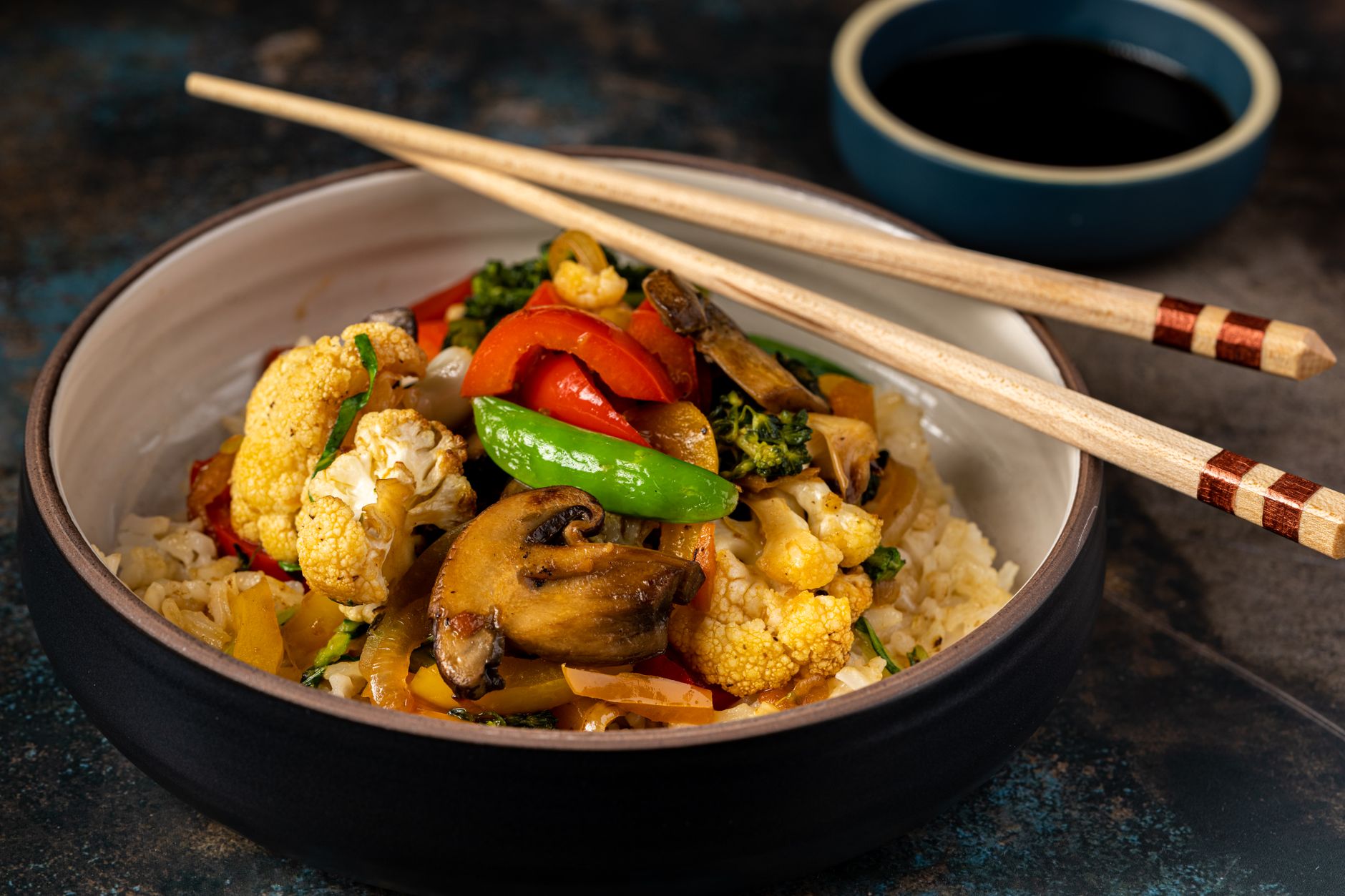
The sizzle of tofu browning in a hot pan, combined with the vibrant crunch of fresh vegetables and tender rice noodles, makes this stir-fry a feast for the senses. This dish bursts with textures and layers of flavor—creamy tofu, earthy cabbage, crisp snow peas, and a tangy, spicy sauce that ties everything together. The quick cooking process locks in freshness, while the rice noodles soak up the savory sauce, delivering a satisfying and wholesome meal you can whip up any night of the week. Ideal for a busy lifestyle, this Tofu and Vegetable Stir-Fry with Rice Noodles recipe brings colorful Asian flair to your table in under 40 minutes.
Health Benefits & Nutrition
Including tofu and vegetables in your diet offers multiple health benefits. Tofu is an excellent plant-based source of complete protein, containing all nine essential amino acids. It’s also rich in isoflavones, which research from the Journal of Nutrition suggests may support heart health and reduce inflammation. The vegetables add fiber, vitamins, and antioxidants. Napa cabbage, for example, is an excellent source of Vitamin C and K, supporting immune and bone health.
Rice noodles are naturally gluten-free, making this dish suitable for those with gluten intolerance. However, watch the sodium content in soy and oyster sauces—consider low-sodium versions if you’re monitoring your intake. For pregnant individuals or those with soy allergies, consulting a healthcare provider before consuming tofu is advisable.
Ingredients & Preparation
Recipe Card
| Prep Time | 10 minutes |
|---|---|
| Total Time | 35 minutes |
| Servings | 4 |
| Calories (per serving) | 464 kcal |
| Diet Tags | Vegetarian, Gluten-Free (if using gluten-free sauce) |
Full Ingredient List
- 8 ounces rice noodles (linguine width)
- 2 tablespoons oyster sauce or vegetarian oyster sauce
- 2 tablespoons soy sauce (low sodium recommended)
- 2 teaspoons sambal oelek (adjust for spice level)
- 1½ teaspoons granulated sugar
- 1 block (14 ounces) firm tofu
- Kosher salt and freshly ground black pepper, to taste
- ¼ cup vegetable oil, divided
- 4 cups chopped napa cabbage
- 1 red bell pepper, thinly sliced
- 3 garlic cloves, minced
- 1½ cups snow peas, strings removed (about 6 ounces)
- ¾ cup water
Equipment Needed
- Large nonstick skillet or wok
- Medium bowl (for soaking noodles)
- Mixing spoon or spatula
- Knife and cutting board
- Measuring spoons and cups
- Plate or tray (for resting tofu and veggies)
Tips for Choosing Quality Ingredients
- Pick firm tofu that is fresh, with no sour smell. Press well to remove excess water for better browning.
- Choose rice noodles without clumps or cracks. Opt for high-quality brands for texture.
- Use fresh, vibrant vegetables—bright bell peppers and crisp snow peas add essential crunch.
- Check the labels on sauces—choose naturally brewed soy sauce and vegetarian oyster sauce if preferred.
- Buy fresh garlic bulbs with tight, unblemished skin for the best aroma and flavor.
Step-by-Step Instructions
Prepare the Rice Noodles (25 minutes)
Place rice noodles in a large bowl and cover with very hot tap water. Let soak for 25 minutes until flexible but still slightly firm. Drain thoroughly and set aside.
Brown the Tofu (8 minutes)
Slice the tofu lengthwise into thirds, then cut crosswise into ½-inch slabs. Pat dry with paper towels and season both sides with salt and pepper. Heat 2 tablespoons of vegetable oil over medium-high heat in a large nonstick skillet. Add tofu and cook, turning occasionally, until golden brown on all sides, approximately 8 minutes. Remove tofu and set on a plate.
Sauté the Vegetables (3 minutes)
In the same skillet, add the napa cabbage, sliced red bell pepper, and garlic to the remaining oil. Cook over medium heat until vegetables start to soften, about 1½ to 2 minutes. Add snow peas and stir for another 30 seconds to 1 minute until they turn bright green. Season with a generous pinch of salt. Transfer vegetables to the plate with tofu.
Combine Noodles and Sauce (5 minutes)
Add the remaining 2 tablespoons of vegetable oil to the skillet. Return drained noodles and the prepared sauce mixture (oyster sauce, soy sauce, sambal oelek, sugar) to the pan. Pour in ¾ cup water and simmer over medium heat for 2 to 3 minutes or until the liquid is mostly absorbed and noodles are tender.
Finish and Serve (2 minutes)
Return the tofu and cooked vegetables to the skillet. Toss gently to combine and heat through. Adjust seasoning with salt and freshly ground black pepper. Serve immediately for the best texture and flavor.

Variations & Substitutions
- Protein Swap: Replace tofu with shrimp, sliced chicken breast, lean beef, or pork strips for a non-vegetarian option. Adjust cooking times accordingly—seafood and thinly sliced meats cook faster.
- Vegetable Mix: Swap napa cabbage for bok choy or kale. Add carrots, broccoli florets, or mushrooms for different textures and flavors.
- Spice Level: Substitute sambal oelek with chili garlic sauce for a different heat profile or omit it entirely for a milder dish.
- Soy Sauce-Free: Use coconut aminos to reduce sodium and avoid soy allergens.
- Noodle Alternatives: Try wide rice noodles, glass noodles, or soba noodles depending on preference. Adjust soaking/cooking times.
Storage & Shelf Life
Refrigeration: Store leftovers in an airtight container for up to 3 days. Reheat gently in a skillet or microwave to maintain tofu texture and noodle integrity.
Freezing: This dish doesn’t freeze well because rice noodles can become mushy. If necessary, freeze tofu and vegetables separately, then combine after thawing and reheating.
Signs of Spoilage: Watch for sour smells, slimy textures, or discoloration of tofu or vegetables. Discard immediately if any spoilage is detected.
Pro Tips
- Press Tofu Thoroughly: Press tofu between paper towels or a clean kitchen towel with a weight on top for 15-20 minutes before cooking. This removes excess water and helps it brown beautifully.
- Noodle Soaking: Soak rice noodles in hot water just until pliable. Over-soaking makes them mushy; under-soaking leaves them stiff and difficult to combine.
- Heat Management: Maintain medium-high heat for tofu browning to get a golden crust without sticking. When stir-frying vegetables, medium heat helps soften them without burning garlic.
- Flavor Layering: Mix the sauce ingredients before adding to the skillet, ensuring an even coating on noodles and vegetables for a harmonious taste.
- Prevent Staining: Use a stainless-steel or nonstick pan to avoid color staining from soy sauce on the cooking surface.
When is the best time to eat Tofu And Vegetable Stir Fry With Rice Noodles?
This dish works beautifully as a weekday dinner after a busy day thanks to its quick preparation time. It’s also perfect for lunch or a light supper, providing balanced nutrition without heaviness. Because of its fresh veggies and satisfying noodles, it can be enjoyed warm anytime you crave a wholesome, comforting meal.
Can I make this recipe vegan?
Absolutely! Use a vegetarian oyster sauce made from mushrooms or soy instead of traditional oyster sauce derived from shellfish. This keeps the dish plant-based while preserving rich umami flavor.
How do I prevent rice noodles from sticking together?
Soak rice noodles separately in hot water until flexible but not overly soft. Drain well and toss with a small amount of oil if not cooking immediately. When stir-frying, avoid overcrowding the pan, and stir gently to keep noodles from clumping.
Can I use frozen tofu for this recipe?
Yes, frozen tofu can be used and often develops a chewier texture which absorbs sauces well. Thaw completely, press extra water out, and proceed with cooking as usual.
Is it necessary to soak the rice noodles before cooking?
Yes, soaking rice noodles softens them making stir-frying easier and preventing them from breaking. Soak in hot tap water for about 25 minutes, then drain well before adding to the pan.
What are some good side dishes to serve with this meal?
Light sides like steamed edamame, simple cucumber salad, or a miso soup complement this stir-fry well. For more noodle comfort, try our Korean chicken noodles soup for a heartwarming pairing.
Can I prepare parts of this recipe ahead of time?
Yes, tofu can be sliced and pressed ahead of time, and vegetables chopped the day before. Soak noodles just before cooking for optimal texture, and prepare the sauce mixture in advance to speed up the cooking process.

More Recipes You Will Love
If you enjoy this vibrant tofu stir-fry, you’ll appreciate other flavorful Asian noodle dishes. Our Korean chicken noodles soup combines tender chicken with spicy broth and noodles—a comforting classic. For a savory-sweet glaze that pairs beautifully with proteins and vegetables, try the Honey miso glaze.
Conclusion
This Tofu and Vegetable Stir-Fry with Rice Noodles offers a delightful combination of textures, vibrant colors, and bold flavors for a wholesome meal. The quick prep and cook time make it easy to enjoy a nourishing, satisfying Asian-inspired dinner any night. Give this recipe a try and share your experience in the comments—your feedback helps us create more recipes you’ll love!
FAQs
When is the best time to eat Tofu And Vegetable Stir Fry With Rice Noodles?
This dish is perfect for lunch or dinner, especially when you need a quick, nutritious meal loaded with protein and vegetables. It’s also great for busy weeknights when you want something flavorful and satisfying in under 40 minutes.
Can I make Tofu And Vegetable Stir Fry With Rice Noodles ahead of time?
Yes, you can prepare components such as chopping vegetables and soaking noodles in advance. However, stir-frying the tofu and vegetables right before serving ensures the best texture and flavor. Leftovers can be refrigerated and gently reheated within 1–2 days.
How can I make Tofu And Vegetable Stir Fry With Rice Noodles spicier?
To increase the spice, add more sambal oelek or include chili flakes or fresh chopped chilies to the stir-fry. Adjust gradually to your preferred heat level, keeping balance with the sauce and vegetables.
Is this recipe suitable for gluten-free diets?
Yes, as long as all sauces used (soy sauce and oyster sauce) are gluten-free versions, this dish remains safe for gluten-intolerant individuals. Rice noodles are naturally gluten-free, making this a good option for gluten-free meals.
Can I substitute the tofu with other protein options?
Absolutely. You can replace tofu with tempeh, seitan (if not gluten-sensitive), or even cooked chicken or shrimp if you prefer animal proteins. Adjust cooking time accordingly for best results.