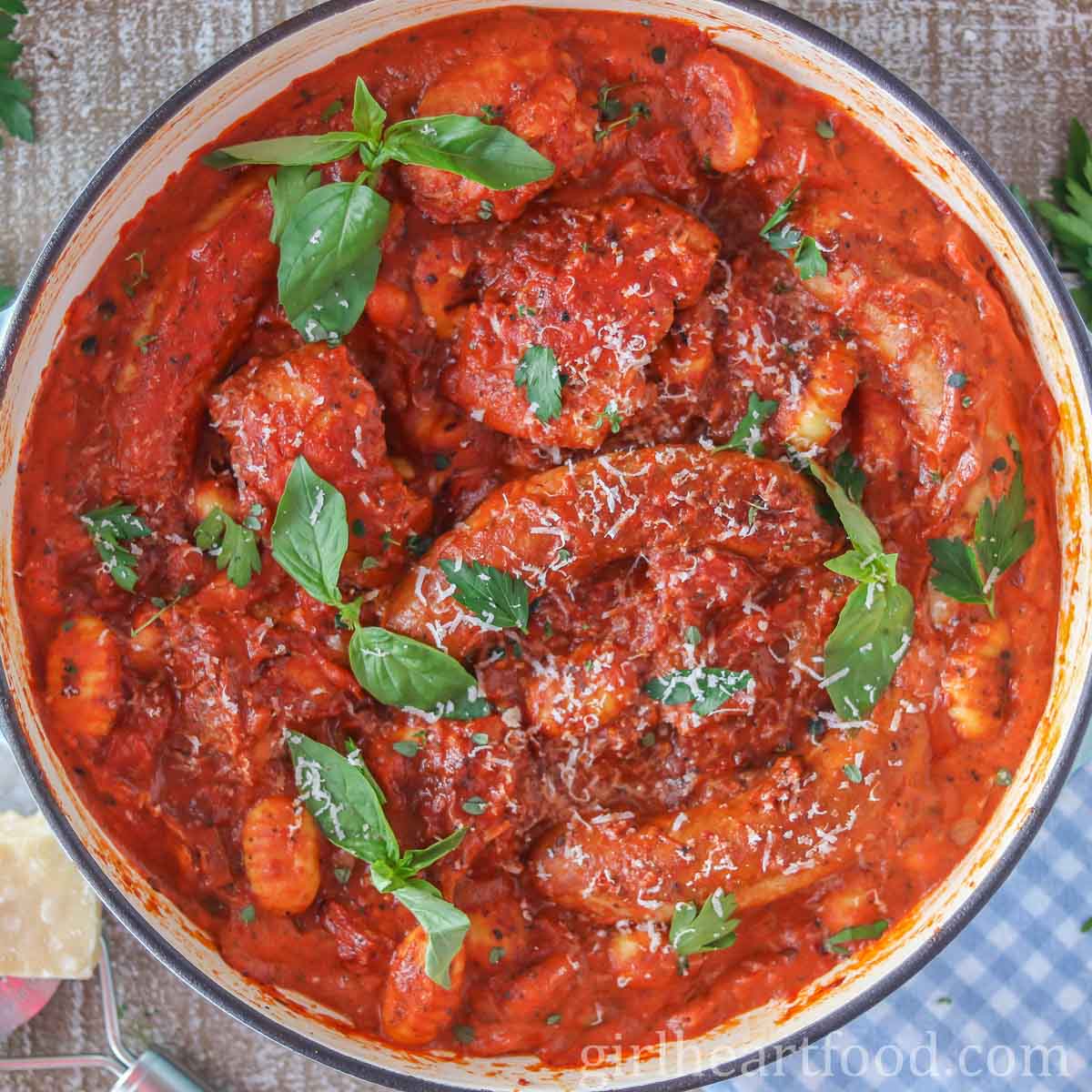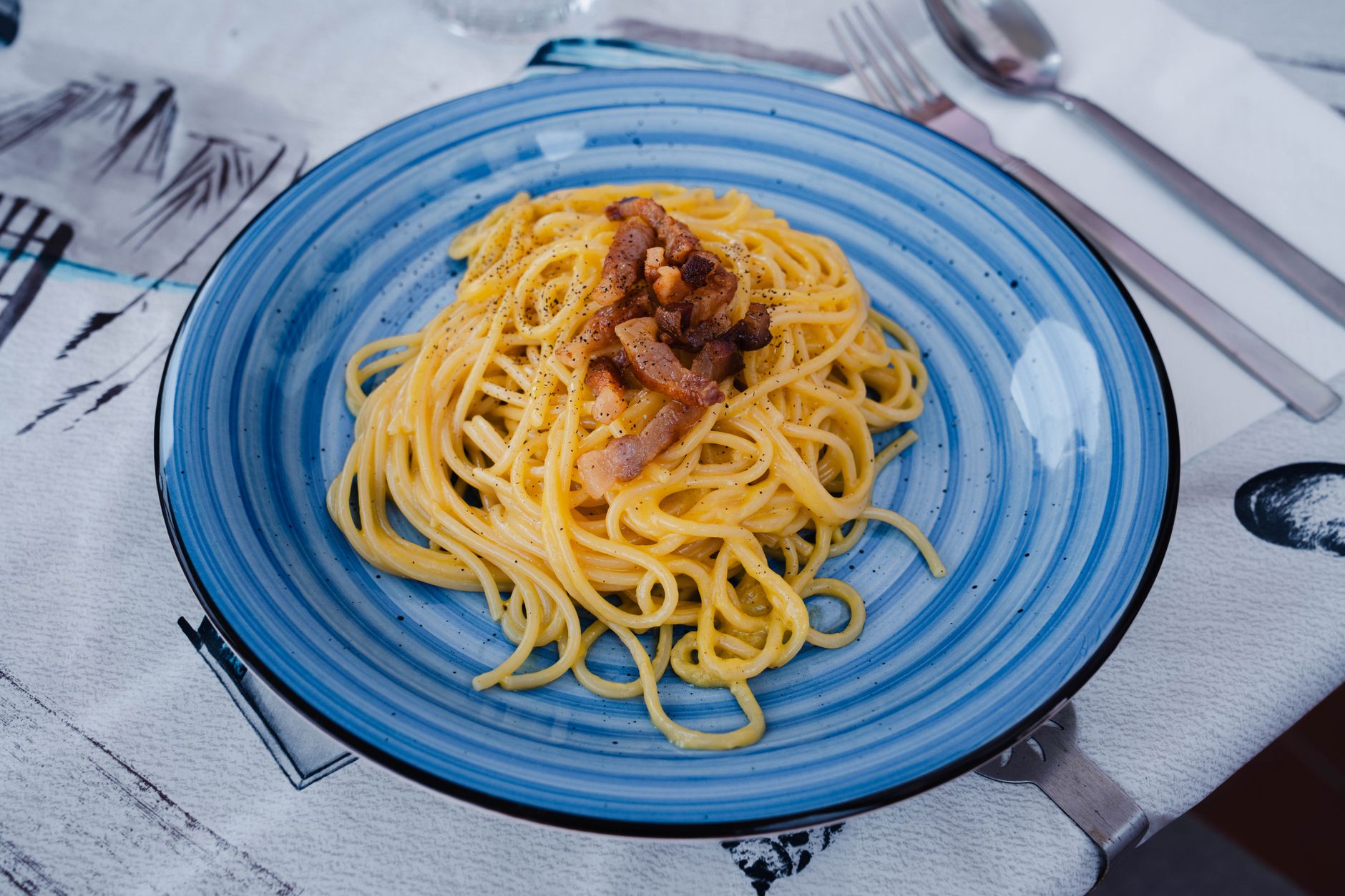
Why Spaghetti With Oil And Garlic Aglio Et Olio Recipe?
The garlic turns golden in warm olive oil, releasing an aroma that fills the kitchen before the pasta even reaches the pan. This simple Italian dish proves that a short ingredient list can still deliver deep flavor.
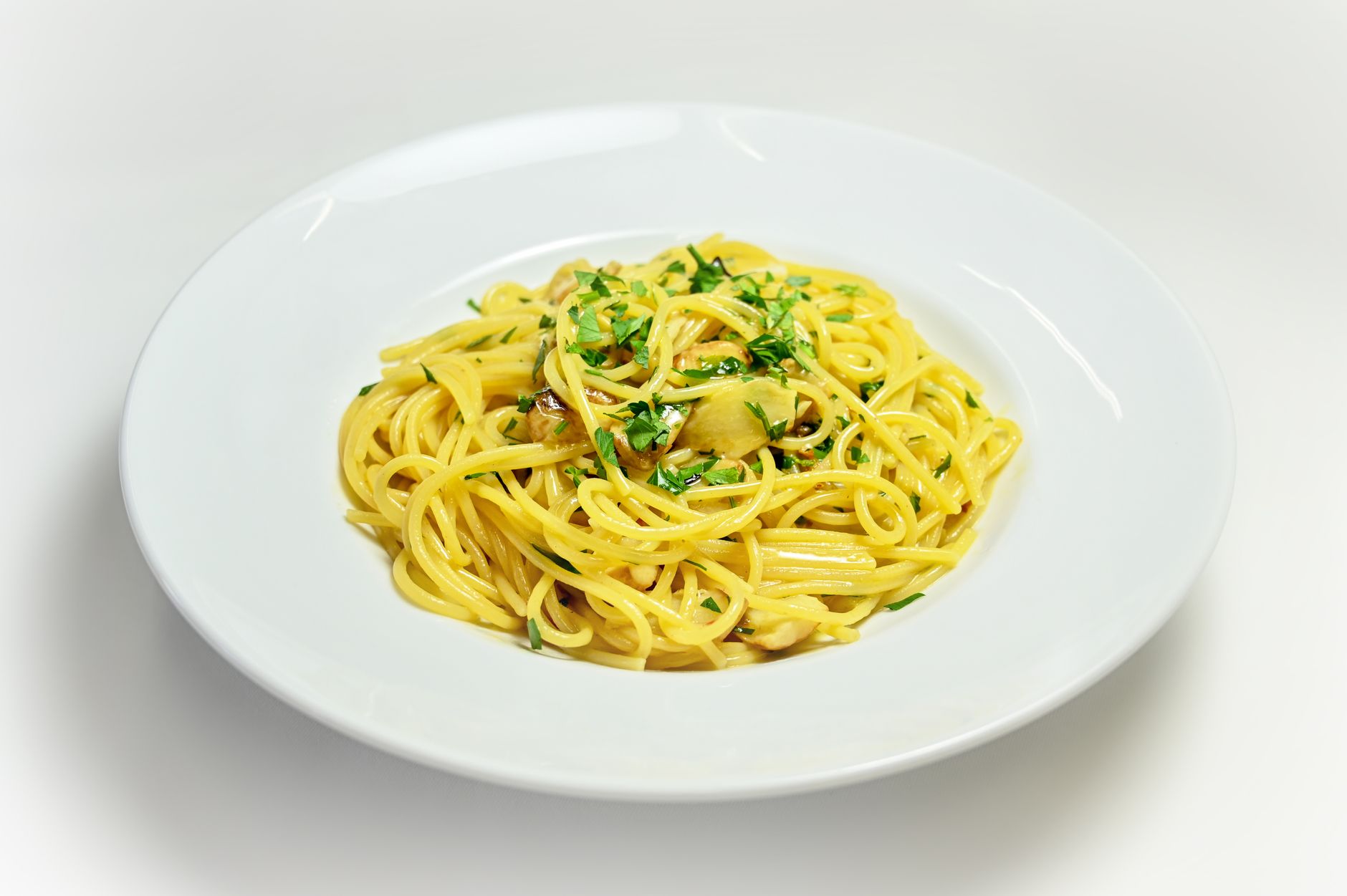
Spaghetti With Oil And Garlic Aglio Et Olio Recipe is a quick Italian pasta made by tossing hot spaghetti with olive oil, gently cooked garlic, red pepper flakes, parsley, and pasta water. The starchy water helps the oil cling to each strand, creating a glossy sauce in about 35 minutes.
I make this when I want a satisfying dinner without a complicated shopping list. The key is gentle heat: garlic should become soft and pale golden, never dark brown. A little patience with the oil makes the finished pasta taste far more balanced.
Health Benefits & Nutrition
This pasta is rich and comforting, but its ingredients are also straightforward. Nutrition varies with the amount of oil, cheese, salt, and serving size, so the figures below are estimates rather than laboratory measurements.
- Olive oil provides unsaturated fat: Extra-virgin olive oil contributes richness and helps carry the flavor of the garlic and pepper through the dish.
- Garlic adds strong flavor: Garlic lets you build a savory sauce without relying on heavy cream or large amounts of cheese.
- Spaghetti supplies carbohydrates: Pasta provides energy and becomes more filling when served with vegetables, beans, seafood, or another protein.
- Parsley and lemon add freshness: Fresh herbs and citrus zest brighten the oil-based sauce without adding much sweetness or heaviness.
For four servings, one portion contains approximately 550 calories, 16 grams of protein, 84 grams of carbohydrates, and 28 grams of fat. Sodium depends heavily on how much salt goes into the pasta water and whether Parmesan is added.
This recipe is vegetarian and can be dairy-free or vegan when you leave out the optional cheese. People with food allergies should check pasta labels and choose certified ingredients when needed. For medical conditions requiring specific dietary limits, ask a qualified doctor or dietitian for personal guidance.
Ingredients & Preparation
Recipe Card
| Prep time | 15 minutes |
|---|---|
| Cook time | 20 minutes |
| Total time | 35 minutes |
| Servings | 4 |
| Calories | Approximately 550 per serving |
| Diet tags | Vegetarian; dairy-free without Parmesan; vegan without Parmesan |
Full ingredient list
- 1 tablespoon kosher salt, plus more for the pasta water
- 1 pound dried spaghetti
- 3 garlic cloves, finely minced
- 1/2 cup extra-virgin olive oil
- 1/4 teaspoon red pepper flakes
- 2 tablespoons finely chopped fresh flat-leaf parsley
- Zest of 1/2 lemon, optional
- 1/4 cup freshly grated Parmigiano-Reggiano, optional
Equipment needed
- Large pot for cooking the spaghetti
- Large, wide skillet
- Colander or pasta scoop
- Measuring spoons and measuring cup
- Chef’s knife and cutting board
- Heatproof bowl or mug for reserving pasta water
Tips for choosing quality ingredients
Use a good extra-virgin olive oil because it forms the main part of the sauce. Choose oil that smells fresh and fruity rather than stale or waxy. A mild-to-medium oil works especially well here; an intensely peppery oil can overpower the garlic.
Fresh garlic gives the cleanest flavor. Firm cloves with tight skins are best. Avoid garlic that feels soft or has green shoots, which can taste sharper. Flat-leaf parsley has a fuller flavor than curly parsley, although either works.
Bronze-cut spaghetti is useful if available because its slightly rough surface holds the oil and pasta water well. Regular dried spaghetti still makes an excellent meal. For Parmesan, grate it finely so a small amount disperses evenly instead of forming heavy clumps.
Step-by-Step Instructions
1. Boil the salted water for 8 minutes
Fill a large pot with at least 4 quarts of water and bring it to a rolling boil over high heat, about 8 minutes. Add the kosher salt once the water is boiling. It should taste pleasantly seasoned, not overwhelmingly salty.
2. Cook the spaghetti for 8 to 10 minutes
Add the spaghetti and stir during the first minute to prevent sticking. Cook over high heat for 8 to 10 minutes, or according to the package directions, until the strands are al dente. They should bend easily but still offer a slight firm bite in the center.
3. Warm the garlic and oil for 8 minutes
While the pasta cooks, place the olive oil, minced garlic, red pepper flakes, and 1 tablespoon kosher salt in a wide skillet. Set the skillet over low heat and warm for 8 minutes, stirring every minute or two.
The garlic is ready when it smells sweet and fragrant and turns light golden around the edges. The oil should make a quiet, occasional sizzle. The first time I made this too quickly, the garlic browned before the oil was fully flavored and tasted bitter. Low heat prevents that problem.
4. Reserve pasta water and drain for 2 minutes
Before draining, scoop out 1 cup of pasta water. Drain the spaghetti in a colander for about 2 minutes, but do not rinse it. The surface starch is useful for helping the oil cling to the noodles.
5. Toss the pasta with the sauce for 2 minutes
Add the drained spaghetti and 1/4 cup of reserved pasta water to the skillet. Toss over low heat for 2 minutes, using tongs to lift and turn the strands. Add another splash of water if the pasta looks dry.
The finished noodles should look glossy, not greasy, with a thin coating of sauce at the bottom of the pan. Stir in the parsley and lemon zest, if using. Taste and adjust the seasoning, then serve immediately with Parmesan if desired.

Variations & Substitutions
Extra-lemon version: Add the zest of one whole lemon and 1 tablespoon of lemon juice at the end. Add the juice off the heat so the flavor stays bright and the sauce does not turn harsh.
Whole-wheat spaghetti: Replace the regular spaghetti with 1 pound of whole-wheat spaghetti. It usually needs 1 to 3 extra minutes of cooking, and you may need an additional 2 tablespoons of pasta water for a smooth coating.
Herb-forward pasta: Use 1/4 cup chopped parsley instead of 2 tablespoons. You can replace half of the parsley with 2 tablespoons of chopped basil, added after the skillet comes off the heat.
Vegetable variation: Add 2 cups of baby spinach during the final minute of tossing. For broccoli, use 2 cups of small florets and boil them with the pasta during the final 3 minutes.
Protein variation: Add 1 cup of drained canned chickpeas or 6 ounces of cooked shrimp. Chickpeas can be tossed in with the spaghetti; shrimp should be warmed separately and folded in at the end.
Cheese-free option: Leave out the Parmesan and finish with an extra teaspoon of olive oil and a little lemon zest. Nutritional yeast can be used in place of Parmesan, but begin with 1 tablespoon because its flavor is more concentrated.
This pasta also pairs nicely with a savory side such as a Beans wrapped in prosciutto recipe 2203648. Serve a small portion alongside the spaghetti rather than making both dishes the main course.
Storage & Shelf Life
Store leftover spaghetti in an airtight container in the refrigerator for up to 3 days. Let it cool briefly before refrigerating, but do not leave it at room temperature for more than 2 hours.
To reheat, place one portion in a skillet with 1 tablespoon of water. Warm over medium-low heat for 3 to 5 minutes, tossing often. Add a small drizzle of olive oil if needed. The noodles will not be quite as silky as freshly made pasta, but gentle reheating preserves the texture best.
Freezing is possible, although it is not the preferred method because cooked spaghetti can become soft and the oil may separate. If freezing, cool the pasta completely, portion it into airtight freezer containers, and freeze for up to 1 month. Thaw overnight in the refrigerator and reheat in a skillet with a splash of water.
Discard leftovers that smell sour or rancid, feel unusually slimy, show mold, or have been stored longer than recommended. Do not taste food to determine whether it is safe.
Pro Tips
Use a wide skillet: A broad surface gives the spaghetti room to move. This helps the pasta water mix with the oil instead of pooling underneath the noodles.
Start the garlic in cool oil: Adding the garlic before the oil becomes hot gives its flavor time to infuse gradually. It also makes it easier to control browning.
Keep the heat low: Garlic can go from golden to bitter in less than a minute. If it is coloring too quickly, move the skillet off the burner briefly before adding the pasta.
Reserve more water than you expect to need: The starch level varies depending on the pot size and amount of water. Begin with 1/4 cup, then add one tablespoon at a time until the strands look glossy.
Toss instead of simply stirring: Lift the noodles with tongs and turn them repeatedly. This action helps distribute the infused oil and creates a light emulsion with the starchy water.
Season in layers: Salt the cooking water, season the garlic oil lightly, and taste at the end. Parmesan can add extra salt, so wait before adding more.
Prevent staining from red pepper: Add the flakes to the oil while it is still cool or barely warm. They will infuse evenly and are less likely to scorch into dark specks.
Finish off the heat: Parsley and lemon zest taste fresher when added after the pasta has been tossed. High heat dulls the herbs and can make lemon zest taste bitter.
Questions & Answers
When is the best time to eat Spaghetti With Oil And Garlic Aglio Et Olio Recipe?
The best time to eat this pasta is immediately after tossing it in the skillet. Freshly made strands are glossy and loosely coated, while the sauce thickens as it cools. If serving guests, prepare the garlic oil in advance, but cook and toss the spaghetti just before bringing it to the table.
Can I make aglio e olio without red pepper flakes?
Yes, you can make it without red pepper flakes. The dish will have a gentler, more savory flavor, allowing the garlic and olive oil to stand out. You can add black pepper instead, or finish with lemon zest and parsley for brightness without noticeable heat.
Why does my garlic taste bitter?
Garlic tastes bitter when it becomes dark brown or scorched. Cook it over low heat and remove the skillet from the burner as soon as it reaches a light golden color. Minced garlic cooks quickly, so keep it moving and watch the edges closely during the final minutes.
How much pasta water should I add?
Start with 1/4 cup of pasta water and add more only if needed. The sauce should lightly coat the spaghetti without forming a puddle. Add water one tablespoon at a time while tossing. If the pasta looks greasy, more starchy water can help the oil and liquid combine.
Can I use pre-minced garlic?
Freshly minced garlic gives the best flavor and texture, but jarred garlic can work in a pinch. Use approximately 1 1/2 teaspoons of prepared garlic for the three cloves. Add it carefully because prepared garlic may soften faster and can contain extra liquid.
What can I serve with garlic and oil spaghetti?
Serve it with a crisp green salad, roasted vegetables, sautéed greens, or grilled seafood. A small side dish such as Limoncello sorbet cocktail recipe 1924890 can provide a bright citrus finish after dinner.
Can I make this recipe ahead of time?
You can prepare the garlic oil up to 1 day ahead and refrigerate it in a covered container. Rewarm it gently before tossing with freshly cooked spaghetti. Fully assembled pasta is best served right away because the noodles gradually absorb the oil and lose their springy texture.
More Recipes You Will Love
If you enjoy simple Italian-style meals, pair this spaghetti with seasonal vegetables and a fresh salad. The light garlic sauce leaves room for sides that add crunch, color, or a little acidity.
For a more substantial menu, serve a small portion of the Beans wrapped in prosciutto recipe 2203648 alongside the pasta. Its salty flavor works well with the mild olive oil sauce.
Finish with something cool and citrusy, such as the Limoncello sorbet cocktail recipe 1924890. The bright lemon flavor complements the parsley and optional lemon zest in the pasta.
Conclusion
Spaghetti With Oil And Garlic Aglio Et Olio Recipe depends on a few simple techniques: cook the garlic gently, save enough pasta water, and toss everything while the noodles are hot. The result is glossy, fragrant, lightly spicy pasta with very little effort. Add lemon, herbs, vegetables, or Parmesan to suit your table. If you make it, leave a comment or rating and share which variation you enjoyed most.
FAQs
When is the best time to eat Spaghetti With Oil And Garlic Aglio Et Olio Recipe?
This dish is best served hot, straight from the pan, within a few minutes of tossing. The oil and starchy pasta water cling together most glossily right after mixing, and the sauce tightens as it cools. It works well for a quick weeknight dinner or a light, filling lunch when you want something satisfying without a long cook.
Can I make Spaghetti With Oil And Garlic Aglio Et Olio Recipe without Parmesan?
Yes, you can leave out the Parmigiano-Reggiano and the dish still tastes balanced. Good olive oil, sliced garlic, red pepper flakes, and parsley carry most of the flavor. Without cheese, season the pasta water and final sauce carefully, since Parmesan also adds salt. For a vegan version, check that the dried pasta contains only durum wheat and water.
Why does garlic taste bitter in aglio e olio?
Garlic turns bitter when it browns too far in the oil. Cook it over gentle heat until the slices are soft and pale golden, never dark brown. If the garlic starts to darken, remove the pan from the heat and add the cooked pasta or a splash of cool water to stop the cooking. If the garlic has already burned, it is safer to start over with fresh garlic.
How long can leftover aglio e olio stay in the fridge?
Leftover aglio e olio is best eaten within three to four days when stored in an airtight container in the refrigerator. Refrigerate it within two hours of cooking to keep it safe. When reheating, add a splash of water to a skillet over low heat, since oil-based pasta tends to dry out and tighten. Heat until it is steaming hot throughout.
Why is my pasta sauce oily instead of glossy?
An oily, separated sauce usually means there is not enough starch to bind the oil. Before draining the spaghetti, reserve about a cup of the pasta cooking water. Add a few tablespoons at a time while tossing the pasta over medium heat until the oil coats each strand. Salting the cooking water well and tossing immediately helps the sauce come together.