Why Spaghetti Aglio E Olio Recipe Works
Garlic sizzling in olive oil, fresh parsley, and warm pasta create an aroma that fills the kitchen in minutes. This simple dish relies on timing rather than a long ingredient list.
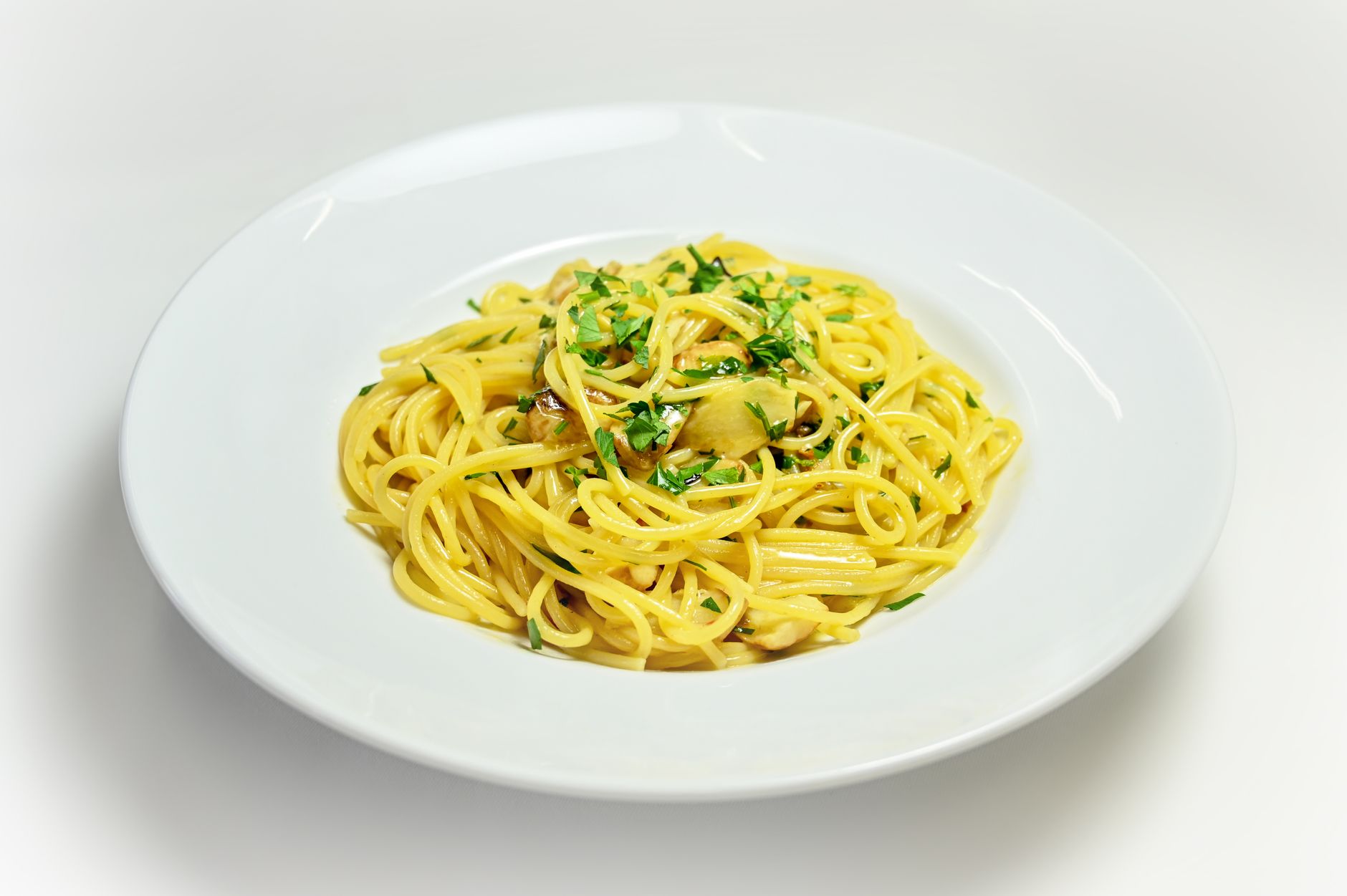
Spaghetti Aglio E Olio is an Italian pasta dish made by tossing hot spaghetti with olive oil, thinly sliced garlic, red pepper flakes, parsley, Parmesan, and reserved pasta water. The starchy water helps the oil cling to the noodles, creating a light, glossy sauce. It is ready in about 35 minutes and serves four people.
I have made this dish many times, and the most important detail is gentle garlic cooking. The slices should turn pale gold at the edges, not dark brown. Burnt garlic makes the entire pan taste bitter. This version is comforting enough for dinner but quick enough for a busy weeknight.

Health Benefits & Nutrition
This pasta is satisfying because it combines carbohydrates from spaghetti with fat from olive oil and protein from Parmesan. The nutrition can change considerably depending on the pasta brand, amount of cheese, and how much oil remains in the serving.
- Olive oil provides mostly unsaturated fat. Extra-virgin olive oil also contributes a fruity flavor and small amounts of naturally occurring plant compounds.
- Garlic adds flavor without much sugar or sodium. Using several cloves means you can build a bold sauce without relying on bottled sauces or seasoning blends.
- Parsley adds freshness and nutrients. Fresh parsley contributes vitamin K and a small amount of vitamin C, although the quantity used per serving is modest.
- Pasta supplies useful energy. Spaghetti is rich in carbohydrates, which makes this dish especially filling when served as a main course.
For four servings, one portion contains approximately 700–730 calories, 90–95 grams of carbohydrates, 20–25 grams of protein, and 25–30 grams of fat. These are estimates, not laboratory measurements. Parmesan and salted pasta water also make the sodium level vary.
This recipe contains wheat and dairy. Use gluten-free spaghetti if needed, and leave out the Parmesan or choose a suitable dairy-free alternative for a dairy-free version. If you need to limit sodium or follow a medically prescribed diet, adjust the salt and cheese with guidance from a qualified healthcare professional.
Ingredients & Preparation
Recipe Card
| Prep time | 15 minutes |
|---|---|
| Cook time | 20 minutes |
| Total time | 35 minutes |
| Servings | 4 |
| Calories | Approximately 720 per serving |
| Diet tags | Vegetarian |
Full Ingredient List
- 1 pound dried spaghetti
- 2 tablespoons kosher salt, for the pasta water, plus more to taste
- 1/3 cup extra-virgin olive oil
- 8 large garlic cloves, peeled and thinly sliced
- 1/2 teaspoon crushed red pepper flakes
- 1/2 cup finely chopped fresh parsley
- 1 cup freshly grated Parmesan cheese, plus extra for serving
Equipment Needed
- Large pot for cooking the spaghetti
- Large 12-inch skillet or shallow sauté pan
- Measuring cups and spoons
- Chef’s knife and cutting board
- Colander and heatproof measuring cup
- Tongs or a large pasta fork
Tips for Choosing Quality Ingredients
Choose spaghetti with a rough, slightly textured surface if possible. It holds the emulsified oil and pasta water better than very smooth noodles. Bronze-cut dried pasta is often a good choice, but any reliable spaghetti works.
Use olive oil that tastes pleasant on its own. A fruity extra-virgin oil works beautifully, but there is no need to use your most expensive bottle. Fresh garlic is essential here; pre-minced garlic does not give the same clean aroma or texture.
Buy a wedge of Parmesan and grate it just before serving. Finely grated cheese melts more smoothly into the hot pasta. Flat-leaf parsley gives the brightest flavor and is easier to chop evenly than curly parsley.
For another Italian-style meal with more vegetables and meat, try this Sicilian stick to your ribs mealmeatloaf brasciole roll ups pasta broccolini and ricotta recipe 1952083.
Step-by-Step Instructions
1. Boil the Spaghetti in Well-Salted Water
Bring 4 quarts of water to a rolling boil over high heat. Add the 2 tablespoons of kosher salt, then add the spaghetti. Cook according to the package directions, stirring during the first minute to prevent sticking. Aim for al dente pasta, usually about 8–10 minutes.
Before draining, scoop out 1 1/2 cups of the cloudy pasta water. Drain the spaghetti without rinsing it. The surface starch is useful for helping the sauce cling to the noodles.
2. Warm the Olive Oil and Garlic
While the pasta cooks, pour the olive oil into a 12-inch skillet. Set the burner to medium-low heat and add the sliced garlic. Cook for 3–4 minutes, stirring every 20–30 seconds.
The garlic is ready when it smells sweet and fragrant and the thinnest edges are light golden. The oil should gently shimmer, not smoke. The first time I made this with medium-high heat, the smaller slices browned too quickly, so steady medium-low heat is safer.
3. Add the Pepper and Pasta Water
Add the crushed red pepper flakes and cook for 30 seconds over medium-low heat. Carefully pour 1 cup of the reserved pasta water into the skillet. It will sizzle vigorously, so add it slowly and keep your hand away from the steam.
Raise the heat to medium and simmer the liquid for 4–5 minutes. The mixture should reduce slightly while remaining loose and glossy. Taste a spoonful only after it cools briefly, then add a small pinch of salt if needed.
4. Toss the Pasta with the Garlic Sauce
Add the drained spaghetti to the skillet. Toss with tongs over medium heat for 1–2 minutes, lifting and turning the noodles so the oil, garlic, and starchy water coat them evenly.
If the pan looks dry, add the remaining 1/2 cup pasta water a few tablespoons at a time. You want a thin sauce that clings to the strands rather than a pool of oil at the bottom.
5. Finish with Parsley and Parmesan
Turn off the heat. Add the chopped parsley and grated Parmesan, then toss for 30–45 seconds. Rest the pasta in the skillet for 2 minutes so the cheese can melt and the sauce can settle onto the noodles.
Serve immediately with extra Parmesan. The finished spaghetti should look glossy, smell warmly garlicky, and feel silky with a little bite in the center.

Variations & Substitutions
- Make it dairy-free: Omit the Parmesan and add 2 tablespoons of toasted breadcrumbs per serving. Nutritional yeast can also add a savory note; start with 1 tablespoon for the whole recipe.
- Use whole-wheat pasta: Replace the regular spaghetti with 1 pound of whole-wheat spaghetti. Add 2–4 tablespoons more pasta water during tossing because whole-wheat noodles can absorb more liquid.
- Add lemon: Stir in 1 teaspoon of finely grated lemon zest and 1 tablespoon of lemon juice after turning off the heat. Add more juice in 1-teaspoon increments if you prefer a sharper finish.
- Add vegetables: Toss in 2 cups of baby spinach during the final minute, or add 1 cup of blanched broccoli florets with the pasta. Keep the garlic and oil quantities the same.
- Add protein: Fold in 8 ounces of cooked shrimp, sliced chicken, or white beans. Warm the protein in the sauce for 1–2 minutes before serving.
- Reduce the heat: Use 1/4 teaspoon red pepper flakes for mild heat, or omit them completely. Crushed black pepper can provide a gentler peppery flavor.
I tried using jarred minced garlic once, and the result was softer and less aromatic. Thinly sliced fresh cloves give the oil a much cleaner garlic flavor and create little tender pieces throughout the pasta.
Storage & Shelf Life
Store leftover pasta in an airtight container in the refrigerator for up to 3 days. Let it cool promptly, but do not leave it at room temperature for more than 2 hours. The noodles will absorb some of the sauce as they sit.
Reheat one serving in a skillet over medium-low heat with 1–2 tablespoons of water. Cover for 1 minute, then toss until hot. Avoid high heat, which can make the oil separate and dry out the spaghetti.
Freezing is possible, but the texture will not be as silky after thawing. Freeze cooled portions in airtight freezer containers for up to 1 month. Thaw overnight in the refrigerator and reheat gently with a splash of water.
Discard the leftovers if they smell sour or rancid, feel unusually slimy, show mold, or have been stored longer than recommended. Do not taste food to check whether it is safe.
Pro Tips for Better Garlic Pasta
- Slice the garlic evenly. Thin slices cook quickly, so inconsistent pieces can leave some raw while others burn. Aim for slices about 1/8 inch thick.
- Start the garlic in cool oil. Adding both to the pan together gives the garlic time to flavor the oil gradually. This is more forgiving than dropping garlic into already-hot oil.
- Reserve pasta water before draining. Keep more than you think you need. The starch helps combine the oil and water into a light coating.
- Do not rinse the noodles. Rinsing removes surface starch and makes it harder for the garlic sauce to cling.
- Keep the cheese off direct high heat. Turn off the burner before adding Parmesan. High heat can make grated cheese clump instead of blending smoothly.
- Use a wide pan. A wide skillet gives the pasta room to move and helps the sauce reduce evenly without overcrowding.
- Watch the garlic color closely. Pale gold is the target. Once garlic turns medium brown, its flavor becomes noticeably bitter.
- Adjust texture with water, not extra oil. If the noodles seem dry, add warm pasta water one tablespoon at a time. More oil can make the finished dish greasy.
Questions & Answers
When is the best time to eat Spaghetti Aglio E Olio Recipe?
The best time to eat this pasta is immediately after tossing it with the sauce. Freshly cooked noodles hold the most starch and have the smoothest texture. The dish is also suitable for lunch or dinner, but it becomes less glossy as it cools and absorbs the oil and pasta water.
Can I make this recipe without Parmesan?
Yes, you can make it without Parmesan. The garlic, olive oil, parsley, and pepper still create a flavorful sauce. For extra savory flavor, add toasted breadcrumbs, a tablespoon of nutritional yeast, or a small amount of dairy-free Parmesan after tossing.
Why does my garlic taste bitter?
Burnt garlic is the usual cause of bitterness. Cook thin slices over medium-low heat and remove the pan from the burner as soon as the edges become pale golden. If the garlic is dark brown or black, start again with fresh oil and garlic because the bitterness will remain in the sauce.
How much pasta water should I use?
Start with 1 cup of pasta water and keep up to 1/2 cup more for adjusting the texture. The exact amount depends on the pasta and pan. Add the extra water gradually while tossing until the noodles look glossy and lightly coated, not wet or soupy.
Can I use pre-grated Parmesan?
You can use pre-grated Parmesan, but freshly grated cheese usually melts more smoothly. Some packaged cheese contains anti-caking ingredients that can make the sauce slightly grainy. If using pre-grated Parmesan, add it off the heat and toss with a splash of pasta water.
How can I make the dish less spicy?
Use 1/4 teaspoon of red pepper flakes or leave them out entirely. The garlic and parsley provide plenty of flavor without chili heat. Add the flakes with the oil, rather than sprinkling them over the finished plate, so their flavor spreads evenly.
Can I prepare the sauce ahead of time?
You can slice the garlic, chop the parsley, grate the Parmesan, and measure the pepper flakes ahead of time, but the sauce is best cooked while the pasta boils. Cooked garlic oil can lose its fresh aroma, and the final tossing works best with hot noodles and warm pasta water.
More Recipes You Will Love
If you enjoy simple Italian flavors, pair this pasta with a crisp green salad, roasted vegetables, or warm bread. A small portion also works well as a first course before a heartier main dish.
For a bright, briny appetizer, make these Stuffed cherry peppers recipe 1940801. Their tangy flavor makes a pleasant contrast to the rich olive oil and Parmesan in this spaghetti.
You can also serve the pasta with sautéed broccoli, grilled zucchini, or lemony green beans. These additions bring color and freshness without covering up the garlic flavor.
Conclusion
This Spaghetti Aglio E Olio Recipe turns a few everyday ingredients into a glossy, comforting meal. Keep the garlic pale gold, reserve plenty of starchy pasta water, and add the Parmesan only after the heat is off. Those small steps make the biggest difference. Serve it straight from the skillet with parsley and extra cheese. If you try it, leave a rating or comment and share what variation you made.
FAQs
When is the best time to eat Spaghetti Aglio E Olio Recipe?
The best time to eat Spaghetti Aglio E Olio Recipe is immediately after it is tossed, while the pasta is hot and the sauce is glossy. The oil and starchy pasta water cling best when warm, and the garlic flavor is most vivid. It works well as a quick weeknight dinner or a light lunch.
Can I make Spaghetti Aglio E Olio Recipe ahead of time?
Spaghetti Aglio E Olio Recipe is best made just before serving, because the pasta absorbs the sauce and the oil can thicken as it cools. Store leftovers in an airtight container in the refrigerator for up to three days. Reheat gently in a skillet with a splash of water to loosen the sauce.
How do I keep the garlic from burning in Spaghetti Aglio E Olio Recipe?
Cook the sliced garlic over medium-low heat in olive oil until the edges turn pale gold, usually within a few minutes. Stir often and pull the pan off the heat if the garlic darkens quickly. Burnt garlic tastes bitter, so a gentle pace matters more than speed.
Can I make Spaghetti Aglio E Olio Recipe gluten-free or dairy-free?
Yes, you can use gluten-free spaghetti and leave out the Parmesan or replace it with a dairy-free alternative. Choose pasta with a slightly rough texture so the oil clings well. Check ingredient labels, since some substitute cheeses and pastas contain added ingredients.
Why is my Spaghetti Aglio E Olio Recipe sauce oily or watery?
An oily sauce usually means there is not enough starchy pasta water to bind the oil. Add reserved pasta water a few tablespoons at a time while tossing the spaghetti vigorously with the Parmesan until the sauce looks glossy and coats the noodles evenly.