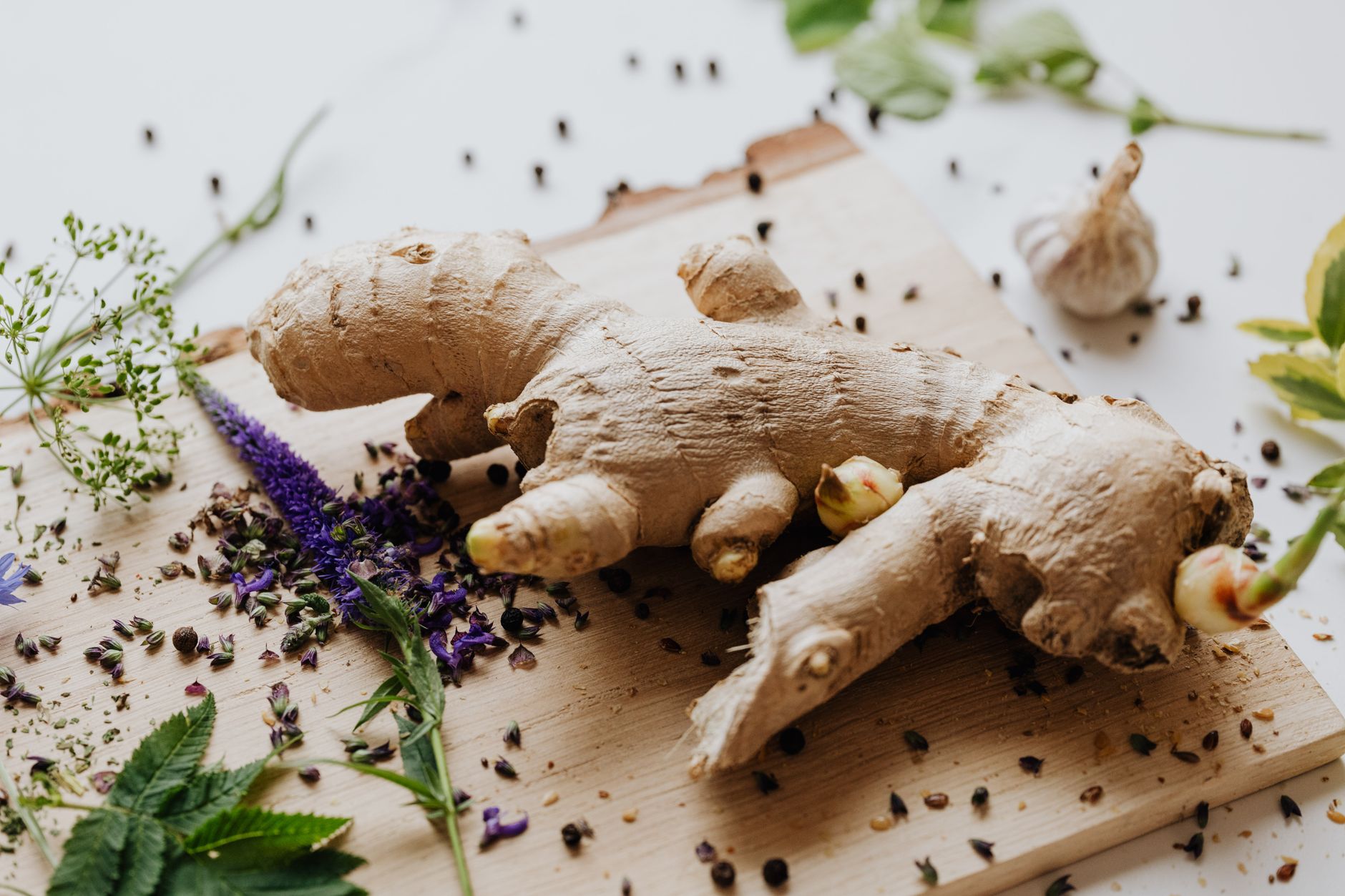
Most home cooks never think to use ginger in a bedtime tea, yet this golden root holds powerful soothing benefits that can calm an uncontrollable coughing at night. When your chest feels tight and your throat itches just as you try to drift off, natural remedies become a comforting ally. This guide shares reliable, easy-to-make ways to reduce nighttime coughing using ingredients from your pantry and simple lifestyle tweaks that gently ease symptoms without complicated medicine routines.
Causes of Night Coughing
What Causes Uncontrollable Coughing Only at Night?
Uncontrollable coughing at night often occurs because of changes in your bodys position and environment when you lie down. Gravity shifts mucus and irritants from your nose and sinuses toward the back of your throat, triggering a cough reflex to clear the passage. Conditions like postnasal drip, acid reflux, or even dry air can worsen this effect. For example, mucus that pools while youre horizontal irritates sensitive nerve endings, leading to persistent coughing bouts precisely when you want quiet.
Why Do I Have a Dry Cough at Night?
A dry cough at night usually comes from irritation rather than mucus buildup. Allergens like dust mites in bedding, indoor air pollution, or even breathing cold air during sleep can cause your throat to feel scratchy or tight. This triggers the body‘s protective cough reflex without producing phlegm. Identifying the environmental triggers and soothing the throat lining are key steps to stopping this unrelenting evening dry cough.
How Does Gravity Influence Nighttime Coughing?
When upright, gravity helps mucus drain naturally from your sinuses and lungs. At night, lying flat slows this drainage. Mucus settles and can drip into the upper airway or lungs, irritating sensitive areas and causing coughing to clear the airway. Slightly elevating your head or using extra pillows can help reduce this accumulation, making it easier to sleep without coughing fits.
Natural Ingredients and Remedies
| Prep time | Total time | Servings | Calories | Diet tags |
|---|---|---|---|---|
| 10 minutes | 15 minutes | 1 | 50 kcal | Vegan, Gluten-Free, Dairy-Free |
Which Common Home Ingredients Help Soothe Nighttime Coughs?
Honey, ginger, and lemon are often on hand yet surprisingly effective for calming a nighttime cough. Honey coats the throat and creates a soothing barrier, ginger reduces inflammation with its earthy spice, and lemon adds vitamin C and a refreshing tang. These ingredients can be combined into warm teas or syrups. Herbal options such as thyme and chamomile also relax the airways and provide calming aromatics.
You can safely substitute agave or maple syrup for honey if children under one year or sensitive individuals are involved. Clear guidelines on quantities matter tootaking just one tablespoon of honey before bed is enough to deliver soothing effects without sweetness overload.
How to Use Honey, Ginger, and Herbal Teas Effectively
- Slice a thumb-sized piece of fresh ginger and steep it in 250ml nearly-boiling water (95C) for exactly 10 minutes.
- Add one tablespoon of honey and a squeeze of fresh lemon juice once the tea cools slightly.
- Drink this warm 30 minutes before bedtime to maximize throat relief.
- For children over one year, reduce honey to one teaspoon.
- Optional: Add a pinch of powdered turmeric for extra inflammation controlaccording to a 2023 study in the Journal of Nutritional Biochemistry, curcumin improves respiratory health.
These steps ensure the active compounds in ginger and honey are extracted properly without destroying delicate enzymes.
Step-by-Step Natural Remedies
How to Prepare a Soothing Nighttime Cough Remedy
Follow this recipe for a warm cough-soothing drink every night you face that uncontrollable coughing at night:
- Boil 250ml of filtered water until it reaches a rolling boil.
- Remove from heat and add 10g of freshly grated ginger root.
- Cover with a lid and let steep for exactly 10 minutes at 95C.
- Stir in 1 tablespoon of raw honey and 1 teaspoon of fresh lemon juice once lukewarm.
- Enjoy the drink slowly, aiming to finish it 30 minutes before bed.
You can enhance relaxation further by inhaling steam from a bowl of hot water with eucalyptus oil for five minutes, which opens airways safely before sleep.
When and How to Use Steam or Humidifiers Before Bed
Dry air often worsens coughing spasms. Running a cool-mist humidifier for 30 minutes before sleep maintains ideal bedroom humidity (4060%). Alternatively, inhale steam for five minutes, ensuring the water temperature is not too hot (avoid burns). Steam loosens mucus, eases congestion, and reduces throat dryness, all contributing to fewer night cough attacks.
What Are the Most Common Mistakes When Trying Natural Remedies?
- Using boiling water directly on honey, which destroys its beneficial enzymes.
- Neglecting hydration; drink plenty of water throughout the day for thinner mucus.
- Ignoring bedroom air quality and allergens that can perpetuate coughing.
- Taking remedies inconsistently without proper timing before bedtime.
Address these factors to improve chances of relief with home remedies.
Lifestyle Adjustments
How Does Sleeping Position Affect Coughing?
Raising your head 3045 degrees can prevent mucus and acid reflux from irritating your throat. Consider stacking two pillows or using a wedge pillow for optimal comfort. This position uses gravity to shift irritants downward and reduce coughing reflex triggers throughout the night.
Simple Bedroom Adjustments
Allergy-proof your bedroom to reduce irritants. Wash bedding weekly in hot water over 60C to kill dust mites. Use washable covers for pillows and mattresses. Keep pets out of the bedroom and run air purifiers if needed. These small changes create a cleaner breathing environment, decreasing tickly coughing episodes.
When to Consider Allergy or GERD Management
If nighttime coughing consistently interrupts sleep, allergies or acid reflux (GERD) may be behind it. Over-the-counter antihistamines or dietary adjustments reducing spicy or acidic foods in the evening can help. Keeping a food and symptom diary helps pinpoint triggers. If symptoms persist, consult a healthcare provider to tailor treatment safely.
Child Care Tips
Why Do Kids Cough More at Night?
Kids often cough more at night because their airways are smaller and more easily irritated. Mucus drainage or postnasal drip can trigger long coughing spells that keep them awake. Frequent nighttime cough in children may also signal respiratory infections, so watching for fever or wheezing is vital.
Safe Remedies and Dosage for Children
For children older than one year, warm ginger and honey tea is safe in small doseslimit honey to one teaspoon per serving. Herbal infusions such as chamomile and thyme tea offer gentle relief, but always test for allergies first. Never give honey or herbal remedies to infants under one year.
When to See a Doctor
Seek medical advice if a childs cough worsens, lasts more than two weeks, or is accompanied by high fever, difficulty breathing, or poor appetite. Persistent coughing can signal conditions needing professional care, including asthma or infections.

When is the best time to drink remedies for uncontrollable coughing at night?
The optimal time to consume natural cough remedies is about 30 minutes before bedtime. This allows active ingredients like honey and ginger to coat your throat and reduce irritation before you lie down. Drinking too close to sleeping can disrupt rest, so finishing your drink half an hour earlier strikes the right balance for relief and comfort.
Can COVID-19 cause uncontrollable coughing at night?
Yes, COVID-19 may cause persistent coughing that worsens at night due to inflammation of the respiratory tract. If coughing is severe, accompanied by fever, fatigue, or breathing difficulties, seek medical attention promptly. Mild cases can benefit from the same soothing home remedies that relieve routine nighttime coughs.
Are there effective home remedies shared by Reddit users?
Many people on Reddit recommend tried remedies like honey-ginger teas, steam inhalation, or saline nasal rinses to alleviate night coughs. While these user suggestions can be helpful, approach homemade concoctions cautiously, especially those involving uncommon ingredients, and prioritize safe, tested remedies.
Why does postnasal drip cause nighttime coughing?
Postnasal drip deposits mucus from the sinuses into the back of the throat when lying down, irritating nerve endings and triggering cough reflexes. This effect is enhanced at night because gravity doesn‘t help mucus drain forward, increasing throat tickling and coughing fits.
What to do if coughing prevents sleep completely?
If coughing is so persistent it prevents sleep, try elevating your upper body with pillows and using a humidifier. Sipping warm teas or applying a warm compress to the chest can provide relief. If symptoms continue, see a healthcare professional to rule out infections or other respiratory issues.
How long does it take for natural remedies to work?
Natural remedies often provide relief within 2030 minutes after consumption. However, consistent use nightly over several days is usually necessary to reduce the frequency and severity of nighttime coughing fully.
Are herbal teas safe for all ages?
While herbal teas like chamomile and thyme are generally safe for adults, some herbs can cause allergic reactions or interact with medications. Children under one should avoid herbal teas unless directed by a pediatrician. Always introduce new herbal drinks gradually and watch for any adverse reactions.

Troubleshooting and Pro Tips
What If Natural Remedies Dont Work?
If natural remedies fail to reduce your uncontrollable coughing at night, consider consulting a healthcare provider. Persistent coughs can indicate infections, asthma, or acid reflux requiring targeted treatment. Avoid prolonging symptoms with only home remedies if you notice worsening or additional symptoms.
How to Differentiate Between Types of Nighttime Coughs
Observe your cough sound and timing: a dry, hacking cough often indicates irritation or allergies, while a wet cough producing phlegm may signal infection. Coughs triggered immediately after lying down suggest reflux. Recording symptoms helps you provide accurate information to your doctor or adjust your home care.
Tips for Avoiding Cough Triggers Before Bed
- Avoid heavy meals, caffeine, and dairy within 3 hours of bedtime to reduce reflux and mucus production.
- Keep pets out of the bedroom and use dust-mite-proof bedding.
- Run a humidifier or steam inhalation to keep airways moist.
- Ensure the bedroom is well ventilated but free from drafts or vents blowing directly on you.
Storage and Preparation Tips
How to Store Homemade Cough Syrups and Teas Safely
Homemade ginger-honey syrups should be stored in a clean, airtight glass jar in the refrigerator and consumed within 45 days. Herbal teas, once brewed, are best enjoyed fresh but can be refrigerated for up to 24 hours. Always reheat gently without boiling to preserve enzymes.
Best Times to Prepare Remedies
Prepare drinks fresh in the evening, about 30 minutes before bedtime, for maximum effectiveness. When making syrups ahead, produce small batches to ensure freshness and potency. Preparing ingredients in the afternoon or early evening avoids last-minute rush and ensures calm, measured preparation.
Can You Make These Remedies Ahead of Time?
Yes, syrups combining honey, ginger juice, and lemon juice can be made up to three days ahead and refrigerated. Herbal teas are best when brewed fresh but can be kept cold up to 24 hours. Avoid creating large batches since ingredient potency and safety decrease over time.

More Recipes to Try
If you enjoy comforting homemade remedies, check out this quick and wholesome home remedies for dry cough at night that complement the tips in this guide perfectly.
Looking for a sweet treat thats easy to make and family-friendly? Try this simple Banana nut bread for a cozy kitchen session.
For a savory dinner thats full of flavor and quick to prepare, the Orecchiette with broccoli rabe and sausage balances earthy greens and spicy sausage beautifully.
Conclusion
Dealing with uncontrollable coughing at night can feel exhausting, but simple kitchen remedies and small lifestyle tweaks can make a real difference. Try the ginger-honey tea recipe tonight, adjust your sleeping position, and tweak your environment to find what works best for you. Feel free to save this article and share your own tips or results belowsometimes the best remedies come from friends sharing what works.
FAQs
When is the best time to drink remedies for uncontrollable coughing at night?
The best time to drink natural cough remedies is about 30 minutes before bedtime. This timing allows ingredients like honey and ginger to soothe your throat and reduce irritation effectively before lying down for sleep.
Why does postnasal drip cause uncontrollable coughing at night?
Postnasal drip causes mucus to accumulate at the back of the throat when lying down. This irritates nerve endings and triggers coughing reflexes, which worsen at night due to gravity slowing mucus drainage.
How does sleeping position affect coughing at night?
Sleeping with your head elevated 30–45 degrees helps prevent mucus and acid reflux from irritating the throat. This reduces cough triggers by using gravity to keep irritants from pooling and causing coughing fits.
Are herbal teas effective and safe for nighttime cough relief?
Herbal teas like chamomile and thyme can relax airways and soothe the throat. While generally safe for adults, children under one year should avoid herbal teas unless advised by a pediatrician due to possible allergies or reactions.
What should I do if natural remedies don’t reduce my nighttime coughing?
If home remedies do not relieve your uncontrollable nighttime coughing, consult a healthcare provider. Persistent coughs may indicate infections, asthma, or acid reflux that require medical diagnosis and treatment.