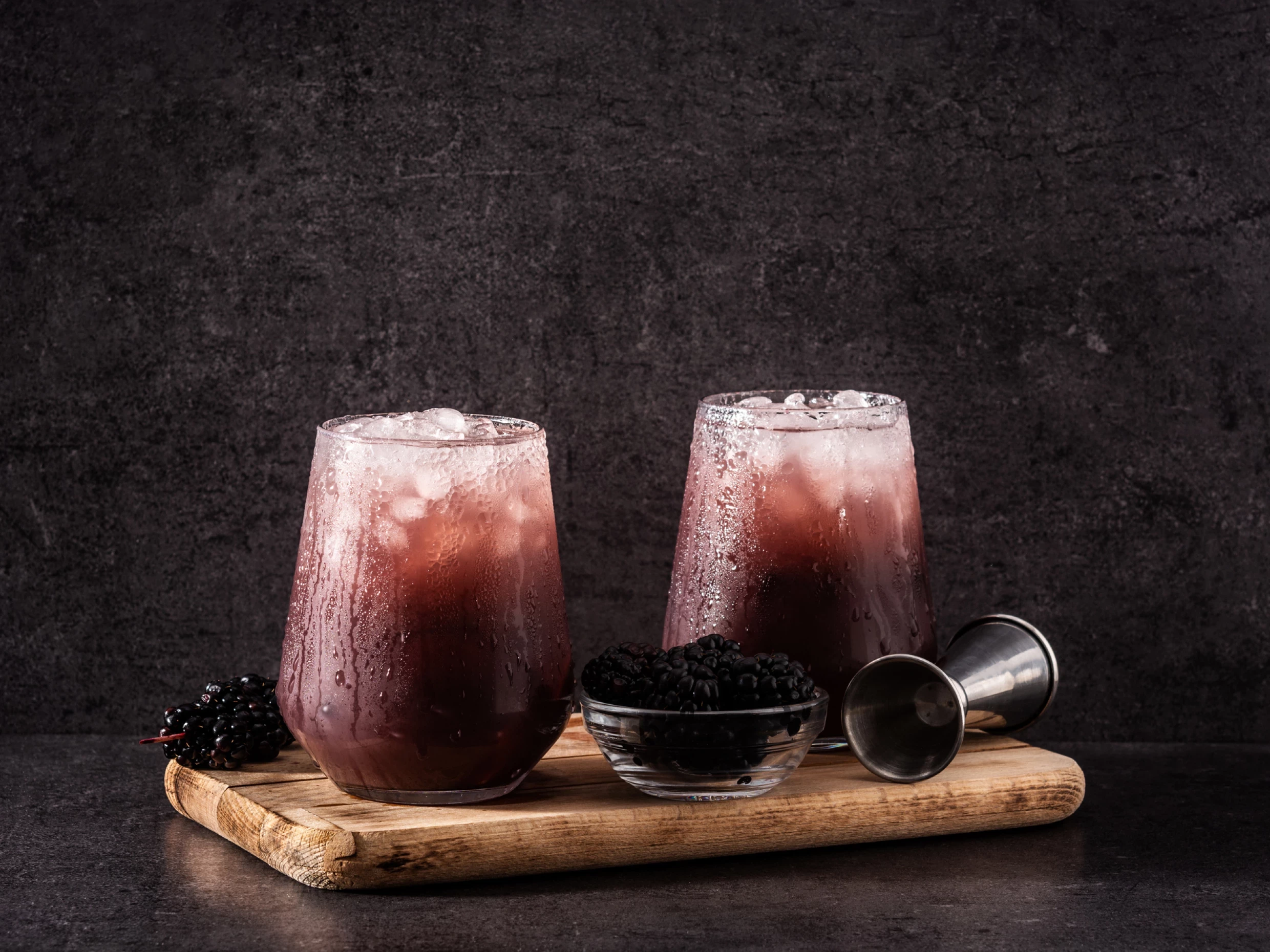
Finding tasty drinks that keep blood sugar steady can be challenging, but smoothies for diabetics type 2 recipes offer a flavorful solution. These recipes use carefully chosen ingredients like low glycemic fruits, leafy greens, healthy fats, and proteins to help balance glucose levels while treating your taste buds. Ready for creamy, vibrant blends that fit your diabetes meal plan? Lets explore how to make these smart smoothies in your own kitchen.
Why They Work
What makes a smoothie diabetes-friendly?
A diabetes-friendly smoothie balances carbs with fiber, protein, and healthy fats. This slows sugar absorption and prevents fast blood sugar spikes. Low glycemic index ingredients like berries and spinach release glucose gradually. Including nuts, seeds, or Greek yogurt adds protein and fat to boost satiety and reduce cravings. This combination supports energy without overwhelming your system.
How fiber, protein, and healthy fats stabilize blood sugar
Fiber slows digestion, leading to a gradual rise in blood sugar. Protein and healthy fats help regulate insulin response, preventing sudden drops or surges. For example, adding chia seeds or almond butter blends creamy texture with metabolic balance. These elements together improve glycemic control and help maintain steady energy throughout the day.
Selecting low glycemic index ingredients for lasting energy
Choosing fruits such as strawberries, blueberries, and green apples ensures a lower glycemic load. Vegetables like kale and cucumber provide richness in fiber and nutrients without added sugars. These ingredients work together to extend energy release, keeping you full longer and reducing cravings for high-sugar snacks.
Ingredients Breakdown
| Prep time | Total time | Servings | Calories | Diet tags |
|---|---|---|---|---|
| 10 minutes | 10 minutes | 2 | 180220 per serving | Diabetic-friendly, Gluten-Free, Dairy-Free option |
Which fruits are safe, and how to keep sugar low?
- Blueberries: rich in antioxidants and low glycemic
- Strawberries: sweet yet minimally impact blood sugar
- Green apple: adds crisp tartness without excess sugar
- Avocado: creamy texture, almost no sugar
- Lemon or lime juice: enhances flavor with zero sugar
Limit high-sugar fruits like bananas and mangoes or use them in small amounts paired with fiber and protein.
Vegetables and greens: ideal picks and their benefits
- Spinach: loaded with fiber, vitamins, and iron
- Kale: dense in antioxidants and fiber
- Cucumber: adds hydration and a subtle fresh flavor
- Celery: mild taste with high water content
These vegetables support weight management and blood sugar control by adding bulk and micronutrients.
Protein and fat add-ins that support blood sugar control
- Greek yogurt or unsweetened plant-based yogurt for creaminess and protein
- Chia seeds or flaxseeds: provide omega-3 fatty acids and fiber
- Almond butter or peanut butter: rich in healthy fats
- Silken tofu: a vegan protein boost with smooth texture
Adding a protein and fat component slows digestion and increases satiety.
Sweetener options and why to avoid added sugars
Steer clear from honey, agave, or cane sugar, which cause rapid blood sugar spikes. Instead, use a touch of natural sugar-free options like:
- Stevia (in small amounts)
- Monk fruit sweetener
- Cinnamon or vanilla extract for flavor enhancement
This helps maintain sweetness without compromising blood glucose.
Ingredient substitutions and where to buy them fresh or frozen
Frozen berries lock in nutrients and are often more affordable. Fresh greens taste vibrant but can be substituted with frozen packs. Plant-based yogurts vary in texturetry a few to find your favorite. Nuts should be raw or dry-roasted without added salt or sugar.
Stock up at farmers markets, health stores, or the frozen aisle to have diabetic smoothie staples ready. You might also find convenience in pre-cut veggies to save time during busy mornings.
Preparation Technique
How to prep and measure ingredients accurately
Measure fruits and veggies by weight or volumetypically cup fruit and 1 cup leafy greens per serving works well. Use a kitchen scale for precision, especially with nuts and seeds which are calorie-dense. Rinse greens thoroughly and pat dry to avoid watery smoothies.
Blending order: what to add first for the best texture
Add liquids to the blender firstwater, unsweetened almond milk, or yogurtabout cup per two servings. Next add softer ingredients such as ripe avocado or silken tofu. Then layer in fruits and vegetables, followed by nuts and seeds last.
Starting with liquids prevents blades from clogging and ensures smooth, creamy blends without chunks.
Common blending mistakes that affect taste or consistency
- Adding too much liquid can thin the smoothie excessively.
- Overloading the blender with frozen fruit can strain motor and yield uneven texture.
- Skipping fiber-rich ingredients creates quick sugar absorption and a less filling result.
Blend on high for 45 seconds to 1 minute or until smooth and creamy. If needed, pulse a few extra seconds for thicker results.
Variations & Swaps
Vegan and dairy-free diabetic smoothie options
Replace dairy yogurt with coconut or almond-based optionsunsweetened varieties only. Silken tofu is also a fantastic protein source. Use almond butter instead of peanut butter to reduce inflammation for some individuals.
Low-carb and weight loss-friendly smoothie tweaks
Swap fruits for extra greens and cucumber. Use avocado and chia seeds for creaminess and fullness. Avoid all sweeteners and emphasize protein powders like pea or hemp protein.
Green smoothie recipes tailored for diabetes
Combine kale, spinach, cucumber, green apple, lemon juice, chia seeds, and unsweetened almond milk for a vibrant, nutrient-dense drink packed with antioxidants and fiber.
diabetic smoothie recipes pdf can offer printable guides with variations you can save for quick use.
Serving & Pairing
Best times to enjoy smoothies
Morning or mid-afternoon snacks work best, giving energy without blood sugar rollercoasters. Paired with some protein-rich whole grain toast or boiled egg, these smoothies fit well in balanced meal plans.
Complementary foods that pair well
- Small handful of mixed nuts
- Hard cheese slices (if dairy is fine)
- Low-sodium turkey or chicken breast
These sides add protein and fats to slow digestion further.
Portion size guidance
Stick to single servings of around 810 ounces to monitor carb intake. Overdrinking any smoothie, even healthy ones, can cause excess calorie and carb consumption, affecting glucose balance.
Storage & Make-Ahead Tips
How to store smoothies properly
Store in airtight glass containers or BPA-free bottles. Keep refrigerated at 38F40F. Consume within 48 hours for best nutrient retention and taste.
Can you freeze smoothies?
Freeze leftover smoothies in ice cube trays or sealed containers. Thaw in the fridge overnight and stir well before drinking. Avoid microwave reheating as it breaks down delicate nutrients and alters texture.
Tips for making smoothies ahead without texture loss
Add seeds and nuts at serving time rather than blending to keep crunch. Use frozen fruits instead of fresh to maintain consistency when refrigerated. Stir or shake well to re-incorporate any separated components.
Pro Tips
- To avoid stains from berries, rinse blender immediately after use with warm water.
- For maximum curcumin absorption, add a pinch of black pepper when using turmeric in your smoothie, according to a 2023 study in the Journal of Nutritional Biochemistry.
- If the smoothie tastes bitter (common with kale), add a squeeze of fresh lemon or a few drops of vanilla extract to balance flavor naturally.
- Adjust thickness by adding 2 tablespoons of water or unsweetened milk incrementally during blending instead of all at once.
What if the smoothie is too thick or too watery?
Too thick? Add 12 tablespoons of water or almond milk and blend again for 15 seconds. Too watery? Add a small handful (12 tablespoons) of frozen fruit or a tablespoon of chia seeds, then blend for 30 seconds.
How to avoid a bitter or bland taste
Bitter leafy greens sometimes need a sweetener swap or an acid like lemon juice. If bland, increase fresh herbs such as mint or add a dash of cinnamon for warmth without sugar.
Adjusting sweetness naturally without sugar spikes
Cinnamon and vanilla extract can enhance sweetness perception without carbs. A few soaked dates also help but must be limited to prevent blood sugar surges. Always pair sweet elements with protein and fats.
When is the best time to drink smoothies for diabetics type 2 recipes?
Early mornings or mid-afternoon snacks are ideal times. This helps provide sustained energy and prevents blood sugar dips that can lead to cravings. Avoid drinking smoothies as late-night snacks as the carbs may interfere with overnight glucose control.
Can I use any fruit in diabetic smoothies?
While you can use most fruits, choose those with low glycemic index like berries, green apple, or avocado. High-sugar fruits like bananas or mangoes are best in small amounts combined with fiber and protein to minimize blood sugar spikes.
How many carbs are safe per smoothie serving?
Aim for 1520 grams of carbohydrates per serving, which aligns with most diabetes meal plans. Balancing carbs with fiber and protein in your smoothie can slow glucose absorption effectively.
Are all nuts and seeds good for diabetes?
Most nuts and seeds like walnuts, almonds, chia, and flaxseeds are excellent as they provide healthy fats and fiber. Prefer unsalted and unroasted varieties to avoid added sodium and unhealthy oils.
Can smoothies help with weight loss in type 2 diabetes?
Yes, when made with low-carb, high-fiber, and protein-rich ingredients, smoothies promote fullness and reduce overall calorie intake. Avoid added sugars or high-calorie additives to keep them weight-loss friendly.
Is it okay to drink smoothies every day?
Drinking diabetic-friendly smoothies daily can be part of a balanced diet, but variety is key. Rotate ingredients to cover diverse nutrients and avoid reliance on just one small subset of foods for optimal health.
Can I freeze pre-made smoothies safely?
Absolutely. Freeze in sealed containers or ice cube trays. Thaw overnight in the fridge before drinking. This preserves nutrients and texture better than extended refrigerator storage.
What if I have difficulty digesting raw vegetables in smoothies?
Start with smaller amounts of cooked or steamed vegetables blended with fruits. Gradually increase raw veggie content as your system gets accustomed to fiber, preventing digestive discomfort.

More Recipes to Try
For a savory twist, check out this Sweet potato skordalia 22638738a creamy, garlic-infused dip perfect for snacks or light meals.
Looking for a special occasion drink? The Gingerbread martini 2260617 offers warming spices balanced with a silky texture, great for festive moments without excess sugar.
Wrapping Up
These smoothies for diabetics type 2 recipes prove that managing blood sugar doesnt have to be boring or tasteless. With vibrant colors, creamy textures, and smart ingredient combos, you can enjoy every sip while supporting your health. Try customizing these ideas and share your favorite blends or tips below. Maybe youll find a new go-to smoothie that balances flavor and glucose perfectly!
FAQs
When is the best time to drink smoothies for diabetics type 2 recipes?
Early mornings and mid-afternoon are the best times to enjoy smoothies for diabetics type 2 recipes. These times provide sustained energy without causing blood sugar spikes or dips and help prevent cravings throughout the day.
Can I use any fruit in diabetic smoothies?
Not all fruits are optimal. Choose low glycemic fruits like berries, green apples, or avocado. High-sugar fruits such as bananas and mangoes can be used sparingly and paired with fiber and protein to reduce blood sugar impact.
How many carbs are safe per smoothie serving?
Aim for 15–20 grams of carbohydrates per smoothie serving. This range aligns with diabetes meal plans and helps balance carbs with fiber and protein to slow glucose absorption effectively.
Are all nuts and seeds good for diabetes?
Most nuts and seeds like walnuts, almonds, chia, and flaxseeds are beneficial as they provide healthy fats and fiber. Choose unsalted, unroasted varieties to avoid added sodium and unhealthy oils.
Can smoothies help with weight loss in type 2 diabetes?
Yes, smoothies made with low-carb, high-fiber, and protein-rich ingredients promote fullness and can help reduce calorie intake, supporting weight loss. Avoid added sugars or high-calorie additives to keep them effective.