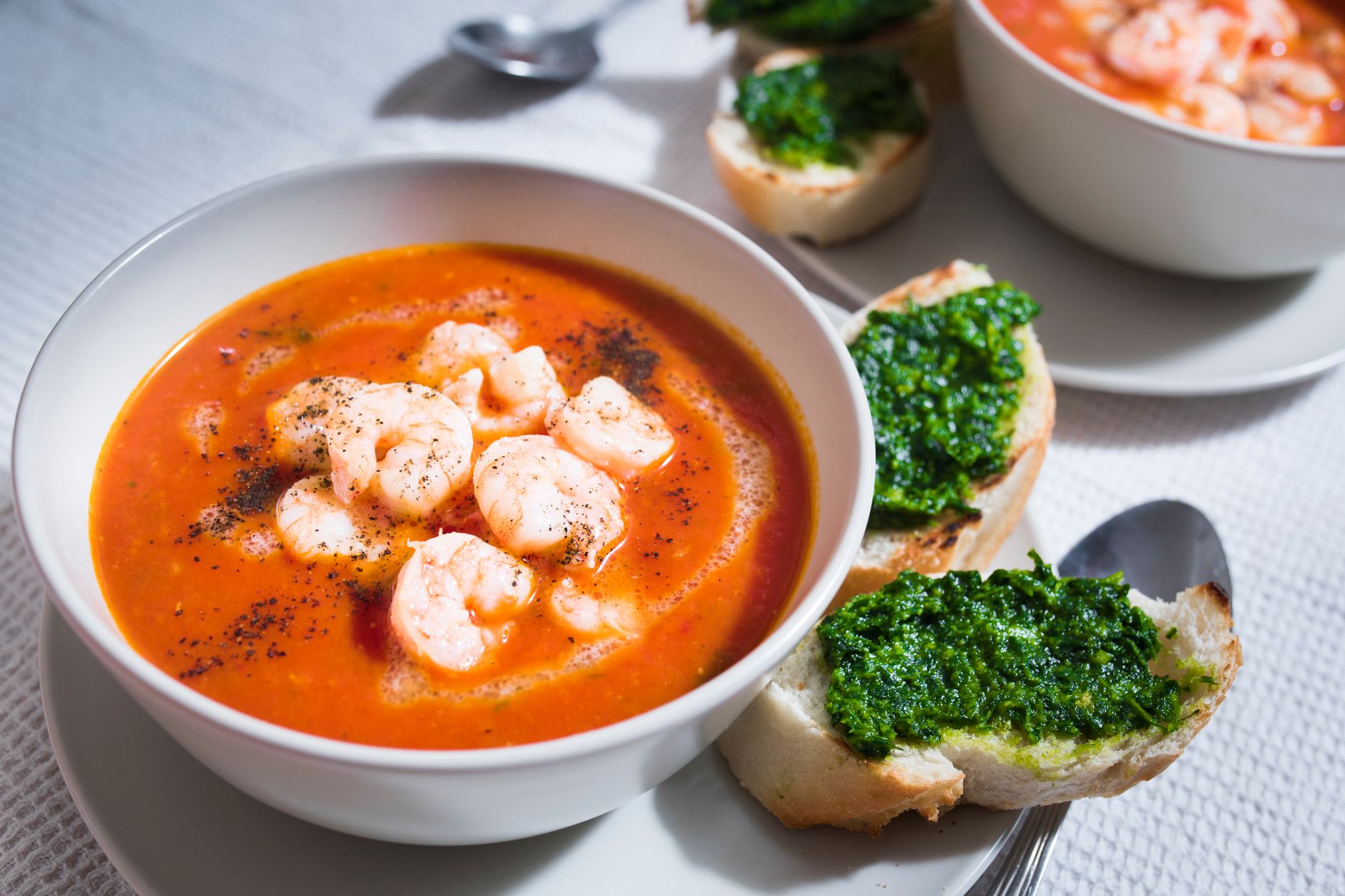
Why Shrimp And Chorizo In Garlic Sauce Recipe Works
The first sound is a lively sizzle as chorizo releases its smoky fat into the pan. Then the garlic turns fragrant, and the shrimp cook in minutes.
Shrimp And Chorizo In Garlic Sauce Recipe combines tender shrimp, spicy Mexican chorizo, olive oil, and fresh garlic in one skillet. The chorizo seasons the oil while it browns, creating a rich sauce for dipping with crusty bread. The dish takes about 35 minutes and serves four as a hearty main course or sharing appetizer.
I like serving it straight from the skillet, while the oil is still loose and aromatic. The key is to cook the shrimp only until opaque and gently curled. Overcooked shrimp become firm and rubbery, so keep your attention on the pan during the final few minutes.
Health Benefits & Nutrition
This is a rich, satisfying dish rather than a light meal. Its main ingredients still provide several useful nutrients, while the oil and chorizo make portion size worth considering.
- Shrimp provide protein. The seafood makes each serving filling and also supplies vitamin B12 and selenium.
- Garlic adds strong flavor. A whole head of chopped garlic gives the sauce savory depth without sugar-heavy bottled sauces.
- Olive oil provides mostly unsaturated fat. Extra-virgin olive oil contributes flavor and richness, but it remains calorie-dense.
- Chorizo adds protein and iron. Mexican chorizo also tends to be high in sodium and saturated fat, so brands can change the nutrition considerably.
With the ingredients listed, one serving is approximately 750 calories before accounting for all the bread used for dipping. The estimate can vary based on the chorizo, shrimp size, how much oil remains in the pan, and serving portions. This recipe contains shellfish, pork, garlic, and possible spice allergens. Anyone with a shellfish allergy should avoid it. For pregnancy, medical conditions, or individual dietary concerns, check product labels and ask a qualified doctor or dietitian for personal guidance.
Ingredients & Preparation
Recipe Card
| Prep time | 15 minutes |
|---|---|
| Cook time | 20 minutes |
| Total time | 35 minutes |
| Servings | 4 |
| Calories | Approximately 750 per serving, excluding dipping bread |
| Diet tags | High-protein, shellfish, gluten-free without bread |
Full Ingredient List
- 2 tablespoons extra-virgin olive oil, for browning the chorizo
- 3/4 cup extra-virgin olive oil
- 1 pound spicy Mexican chorizo, casings removed
- 1/4 cup finely chopped sweet onion
- 1 teaspoon adobo seasoning
- 1 teaspoon Hungarian paprika
- 1/4 teaspoon freshly ground black pepper
- 1 whole head garlic, peeled and finely chopped
- 1/2 teaspoon kosher salt, plus more if needed
- 1 1/2 pounds large shrimp, peeled and deveined, preferably 16/20 count
- Crusty bread, sliced, for serving
Equipment Needed
- Large straight-sided skillet or sauté pan
- Wooden spoon or heatproof spatula
- Chef’s knife and cutting board
- Measuring cups and spoons
- Paper towels for drying the shrimp
- Serving bowl or shallow platter
Tips for Choosing Quality Ingredients
Choose raw shrimp with a clean, mildly briny smell. Avoid shrimp with a strong ammonia-like or fishy odor. Fresh or frozen shrimp both work well. If using frozen shrimp, thaw them overnight in the refrigerator or under cold running water, then dry them very thoroughly.
Look for Mexican chorizo sold as raw sausage, not Spanish cured chorizo. Spanish chorizo is firm and sliceable, while Mexican chorizo is soft and needs to cook through. A medium-spicy variety gives the sauce warmth without overwhelming the garlic.
Use firm garlic heads with tight, unblemished cloves. Extra-virgin olive oil is especially noticeable here because it forms the base of the dipping sauce, so choose one with a flavor you enjoy. A sturdy sourdough or French loaf holds up better than very soft sandwich bread.

Step-by-Step Instructions
1. Dry and season the shrimp — 5 minutes
Pat the shrimp dry with paper towels. Place them in a bowl and season with the kosher salt, adobo seasoning, Hungarian paprika, and black pepper. Toss gently so the spices coat the seafood without bruising it. Set the shrimp aside while you prepare the pan.
2. Brown the chorizo — medium-high heat for 6 minutes
Heat 2 tablespoons of olive oil in a large straight-sided skillet over medium-high heat for about 1 minute. Add the chorizo and cook for 5 to 6 minutes, breaking it into small pieces with a wooden spoon. The sausage should lose its raw pink color and become deeply browned in places.
The pan should sound like a steady sizzle, not a harsh crackle. If the chorizo starts sticking before it browns, lower the heat slightly. The browned bits on the bottom add flavor to the oil.
3. Soften the onion and infuse the garlic oil — medium heat for 7 minutes
Stir in the chopped onion and cook for 2 minutes over medium heat. Add the 3/4 cup olive oil and the chopped garlic. Cook for 5 minutes, stirring often, until the garlic smells sweet and fragrant but remains pale golden.
The first time I made this, I let the garlic darken while focusing on the chorizo. It made the oil bitter. Keep the heat moderate and stir the garlic frequently; pale gold is the cue to continue, while brown edges mean the pan is getting too hot.
4. Cook the shrimp — medium heat for 4 to 5 minutes
Add the seasoned shrimp in a single layer. Cook for 2 minutes on the first side, then turn each shrimp and cook for another 2 to 3 minutes. The shrimp are done when they are opaque through the center, pink on the outside, and curled into a relaxed "C" shape.
5. Rest and serve — 2 minutes
Remove the skillet from the heat and let it stand for 2 minutes. Taste the garlic oil and add a small pinch of salt only if needed. Spoon the shrimp and chorizo into a shallow serving dish, pour the oil over the top, and serve immediately with sliced crusty bread.
Variations & Substitutions
- Milder skillet shrimp: Replace spicy Mexican chorizo with mild Mexican chorizo in a 1:1 ratio. Add 1/4 teaspoon of crushed red pepper only if you want to restore some heat.
- Chicken chorizo version: Use 1 pound of raw chicken chorizo instead of pork chorizo. Cook it until fully done, then continue with the recipe as written. Check the package because leaner sausage may need 1 extra tablespoon of olive oil.
- Extra citrus flavor: Stir 1 tablespoon of fresh lime juice into the finished sauce after removing the pan from the heat. Do not add it during cooking, since the acidity can make the garlic taste sharper.
- More vegetables: Add 1 cup of thinly sliced bell pepper with the onion. Cook the pepper for 3 to 4 minutes before adding the extra olive oil and garlic.
- Lower-oil serving: Start with 1/2 cup olive oil instead of 3/4 cup. The dish will have less dipping sauce, but the shrimp and chorizo will still be coated and flavorful.
- Gluten-free serving: Skip the bread and serve the shrimp over rice, polenta, or roasted potatoes. Confirm that the chorizo and adobo seasoning are labeled gluten-free.
I tested this with Spanish cured chorizo once, and the result was noticeably drier and saltier. It does not break down into the same seasoned base, so raw Mexican chorizo is the better choice for the intended texture.
Storage & Shelf Life
Refrigerate leftovers in a shallow airtight container within 2 hours of cooking. They will keep for up to 3 days in the refrigerator. Store the bread separately so it does not absorb the garlic oil and become soggy.
Reheat the shrimp gently in a covered skillet over low heat for 3 to 5 minutes, adding a splash of water if the sauce has thickened. Avoid high heat, which can make the shrimp tough. You can also warm individual portions in the microwave in 20-second intervals.
Freezing is possible, but the shrimp texture may become softer after thawing. Cool the dish completely, transfer it to a freezer-safe container, remove excess air, and freeze for up to 2 months. Thaw overnight in the refrigerator and reheat gently. Discard the dish if it develops a sour smell, slimy texture, unusual discoloration, or mold.
Pro Tips
Dry shrimp are easier to brown and less likely to dilute the sauce. After thawing, spread them on a plate lined with paper towels and pat the tops dry. Excess water causes steaming instead of the quick sear you want.
Use a wide skillet rather than a small saucepan. A broad surface gives the chorizo room to brown and lets the shrimp sit in one layer. Crowding the seafood creates uneven cooking and makes it harder to spot the moment it is done.
Chorizo already contains salt and seasoning, so wait until the shrimp are cooked before making a final salt adjustment. Adobo seasoning also varies greatly between brands. Taste the oil with a clean spoon rather than adding the full amount of extra salt automatically.
Garlic flavor comes from gentle extraction into warm oil. Keep the garlic below a hard fry, especially after adding the extra olive oil. If you see dark brown pieces forming before the shrimp go in, move the skillet off the burner for 30 seconds.
For cleaner serving, use a shallow platter with a slight rim. It keeps the oil close to the shrimp while giving everyone room to scoop with bread. A deep bowl can hide the shrimp underneath the sauce and make the dish harder to portion.

Questions & Answers
When is the best time to eat Shrimp And Chorizo In Garlic Sauce Recipe?
The best time to eat this dish is immediately after cooking, while the shrimp are tender and the garlic oil is warm. Serve it as a weeknight dinner with rice or vegetables, or place the skillet in the center of the table as a shared appetizer. Bread is especially useful for soaking up the seasoned oil.
Can I use frozen shrimp for this recipe?
Yes, frozen shrimp work very well when thawed and dried properly. Thaw them overnight in the refrigerator or under cold running water, then pat them dry before seasoning. Do not cook them while still icy, because the released water will cool the skillet and thin the garlic sauce.
What kind of chorizo should I use?
Use raw Mexican chorizo with the casings removed. It is soft, highly seasoned, and designed to crumble as it cooks. Avoid substituting cured Spanish chorizo unless you are intentionally changing the recipe, because it will not release the same seasoned fat or create the same loose texture.
How do I keep the shrimp from becoming rubbery?
Cook the shrimp only until they are opaque and curled into a relaxed "C" shape. Large shrimp usually need about 4 to 5 minutes total over medium heat. Remove the pan from the burner immediately when they are done, since the residual heat continues cooking them.
Can I prepare the garlic oil ahead of time?
Yes, you can cook the chorizo, onion, oil, and garlic up to 1 day ahead and refrigerate the mixture promptly. Rewarm it gently in a skillet, then add the seasoned shrimp just before serving. Do not leave garlic oil at room temperature for extended periods; refrigerate it in a covered container.
What should I serve with the shrimp and chorizo?
Serve it with crusty bread, steamed rice, roasted potatoes, or warm tortillas. A simple green salad or sautéed vegetables can balance the rich oil and sausage. Lime wedges, chopped cilantro, or sliced avocado also add freshness without competing with the garlic and smoky chorizo.
Can I make this recipe without pork?
Yes, replace the pork chorizo with raw chicken chorizo or a plant-based Mexican-style sausage. Chicken chorizo may be leaner, so add a little extra olive oil if the pan looks dry. Plant-based versions vary in salt and texture, so taste the sauce before adding more seasoning.
More Recipes You Will Love
If you enjoy smoky heat and bold seasoning, try this Butternut squash soup with chipotle cream recipe 1949320. Its creamy texture and chipotle flavor make it a comforting choice for cooler evenings.
For another meal with bright, spicy toppings, explore this Cuban pulled pork tacos with guava glaze sour orange red cabbage jicama slaw and chipotle mayonnaise recipe 2047677. The tangy slaw brings a fresh contrast to richly seasoned meat.
Conclusion
This Shrimp And Chorizo In Garlic Sauce Recipe brings together tender seafood, smoky sausage, and mellow garlic in one easy skillet. Drying the shrimp, controlling the garlic heat, and removing the seafood promptly are the small steps that make the biggest difference. Serve it hot with plenty of bread for dipping, or pair it with rice and vegetables for dinner. If you make it, leave a rating or comment and share how you served it.
FAQs
When is the best time to eat Shrimp And Chorizo In Garlic Sauce Recipe?
The best time to eat Shrimp And Chorizo In Garlic Sauce Recipe is fresh from the skillet, while the garlic oil is still warm and loose. It works well as a hearty weeknight dinner or a shared appetizer for four. Serve it with crusty bread so everyone can soak up the oil. The shrimp taste best right after cooking, before they firm up as they cool.
Can I substitute another sausage for the chorizo in this shrimp recipe?
Yes, you can substitute another sausage, but the flavor will change. Fresh Mexican chorizo is the traditional choice because its spices and fat flavor the garlic oil. Smoked sausage, andouille, or turkey chorizo can work, though they may need extra paprika or salt. Check labels for sodium, since sausage brands vary widely.
Can I prepare shrimp and chorizo in garlic sauce ahead of time?
You can prepare the ingredients a day ahead, but it is best to cook the dish just before serving. Peel and devein the shrimp, chop the garlic, and remove the chorizo casings. Store each item in a separate covered container in the refrigerator. Cooked shrimp can turn rubbery when reheated, so fresh cooking gives the best texture.
Why are my shrimp rubbery in garlic shrimp and chorizo?
Rubbery shrimp usually means they were cooked too long. Shrimp are done when they turn opaque and curl gently into a loose C shape, which often takes only a few minutes. Remove them from the heat as soon as they reach that stage. Keep watching the pan during the final minutes of cooking.
How do I store leftover shrimp and chorizo in garlic sauce?
Store leftover shrimp and chorizo in garlic sauce in an airtight container in the refrigerator within two hours of cooking. It keeps for up to two days. Reheat it gently in a skillet over low heat, adding a splash of olive oil if the sauce has tightened. Stop heating once the dish is warm to keep the shrimp tender.