Why This Roasted Red Pepper and Walnut Dip Is Worth Making
Smoky, sweet peppers meet toasted walnuts and a sharp pop of pomegranate tang in every spoonful. This roasted red pepper and walnut dip, known as muhummara, is one of the most memorable things you can put on a platter. The first time I tasted it, I went back for a second scoop before I had even found a piece of bread.
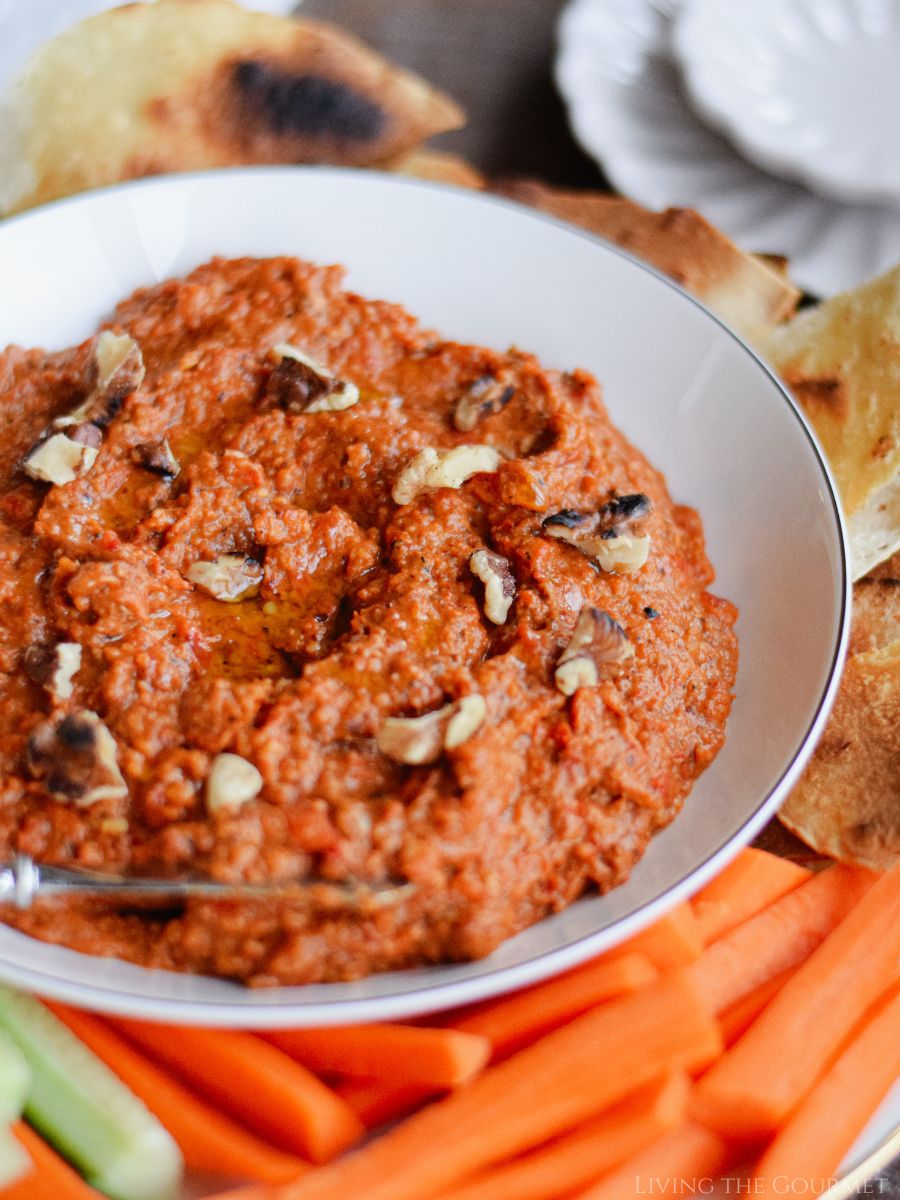
Roasted Red Pepper and Walnut Dip (Muhummara) is a thick, tangy spread with roots in Syrian and Turkish kitchens. It is made by blending charred red bell peppers with toasted walnuts, garlic, lemon juice, pomegranate molasses, and warm spices like cumin and paprika. It is vegetarian and dairy-free, and it pairs well with warm flatbread.
Muhummara needs no special technique, just patience with the peppers and a little care with the walnuts. The whole dip comes together in under an hour, and most of that time is hands-off waiting. It is a good choice for guests, and it keeps well in the fridge for several days.
Health Benefits and Nutrition
This dip is built on whole-food ingredients, and each one brings something useful to the table. Red bell peppers are a good source of vitamin C, and roasting them keeps much of their colour and sweetness. Walnuts provide plant-based fats, including alpha-linolenic acid (ALA), a type of omega-3 fat that you can get from food.
Olive oil adds monounsaturated fats, and garlic, cumin, and paprika contribute flavour with very few calories. Using these spices in place of heavy cream or cheese means the dip stays fairly light while still tasting rich. Lemon juice and pomegranate molasses give a bright acidity that makes it easy to eat a generous portion without feeling weighed down.
Please keep in mind that this is a calorie-dense dip because of the walnuts and oil. The nutrition numbers in this article are approximate estimates, not lab-tested values. Ingredient brands and portion sizes will change the totals. The salt level also depends on how much you add, so taste as you go.
Walnuts are a tree nut, so do not serve this dip to anyone with a nut allergy. If you are pregnant, managing a medical condition, or taking medication and have questions about what you eat, please speak with your doctor or a registered dietitian for personal advice.
Ingredients and Preparation
Good muhummara starts with good peppers and fresh walnuts. Once you have the basics, the rest of the work is simple. Here is the recipe card for quick reference.
Recipe Card
| Prep time | Cook time | Total time | Servings | Calories (approx.) | Diet tags |
|---|---|---|---|---|---|
| 30 minutes | 15 minutes | 45 minutes | About 2 cups (6 to 8 servings) | About 200 per serving | Vegetarian, vegan, dairy-free, gluten-free |
Ingredient List
- 2 red bell peppers
- 1 1/2 cups raw walnuts, halves and pieces
- 3 cloves garlic, chopped
- 2 teaspoons paprika
- 1 teaspoon ground cumin
- 1 teaspoon red pepper flakes
- 1/4 cup fresh lemon juice
- 2 1/2 tablespoons pomegranate molasses
- 2 tablespoons extra-virgin olive oil
- 1 teaspoon kosher salt, plus more to taste
- Freshly ground black pepper, to taste
Pomegranate molasses is sold in the international aisle of many larger supermarkets and at Middle Eastern grocers. Brands vary a lot in tartness, so start with the amount listed and adjust at the end.
Equipment Needed
- Food processor (a small bowl size works best for this batch)
- Baking sheet lined with parchment paper
- Tongs
- Large mixing bowl and plastic wrap
- Paring knife
- Rubber spatula
- Gas burner, grill, or oven broiler for charring the peppers
Tips for Choosing Quality Ingredients
Pick peppers that feel heavy for their size, with smooth, glossy skin and firm walls. Soft spots or wrinkled skin usually mean the flesh will taste watery. Look for walnuts that smell fresh and nutty, not stale or bitter. Because walnuts contain oil, they can go rancid, so store them in the fridge or freezer if you do not use them quickly.
For the lemon, use fresh juice rather than bottled. I tried bottled once, and the dip tasted flat in a way that no amount of extra salt could fix. Choose extra-virgin olive oil with a flavour you enjoy, since it will be noticeable in the finished dip.

Step-by-Step Instructions
Work through these steps in order. Some tasks overlap, so the process moves quickly once the peppers are in the oven.
Step 1: Roast the Peppers
Preheat your oven to 350°F and set an oven rack about 6 inches below the broiler. Place the whole red peppers on a baking sheet and broil for 12 to 15 minutes, turning them every 3 to 4 minutes with tongs. You want the skins blistered and blackened all over. If you have a gas burner, you can char the peppers directly over the flame instead, rotating them until they are evenly black.
Step 2: Steam and Peel the Peppers
Transfer the blackened peppers to a large bowl and cover tightly with plastic wrap. Let them steam for 10 minutes, which loosens the skins. The first time I made this, I skipped the covering step, and the skins stuck stubbornly to the flesh. Once the peppers are cool enough to handle, peel off the skins with a paring knife, then remove the stems and seeds and discard them.
Try not to rinse the peppers under running water. Rinsing washes away the smoky flavour you worked to build. A few stubborn black flecks are fine, and they add to the flavour.
Step 3: Toast the Walnuts
Spread the walnuts in a single layer on a parchment-lined baking sheet. Toast them at 350°F for 10 to 12 minutes, shaking the pan once halfway through. They are ready when they smell nutty and look a shade darker, with no pale spots left. Cool them for at least 5 minutes before blending.
Watch the walnuts closely. Toasted walnuts smell warm and sweet, but once the aroma turns sharp or slightly bitter, they are over-toasted. I burned a batch by walking away to answer the phone, and the whole dip tasted bitter afterward. Pull them the moment the kitchen smells nutty.

Step 4: Blend the Dip
Add the cooled walnuts to a food processor and pulse 8 to 10 times until they form a coarse crumb. Add the roasted peppers, garlic, paprika, cumin, red pepper flakes, lemon juice, pomegranate molasses, olive oil, and 1 teaspoon kosher salt. Run the processor for 40 seconds, then stop and scrape down the sides with a spatula. Run it again for another 20 to 30 seconds until the dip is thick and mostly smooth.
Resist the urge to run the processor for minutes on end. Overprocessing warms the oil and turns the dip gummy and greasy. If the mixture looks too thick to move, add 1 tablespoon of cold water and pulse 3 times.
Step 5: Season, Rest, and Serve
Taste the dip and adjust the salt, black pepper, and lemon juice a little at a time. Let it sit at room temperature for 15 minutes before serving so the flavours settle. Spoon it into a shallow bowl, make a shallow well with the back of a spoon, and drizzle with a teaspoon of olive oil. Finish with a pinch of red pepper flakes if you want extra heat.
Variations and Substitutions
The base recipe is forgiving, so you can adjust it to suit what you have and what you like. Each change below is one I have tested in my own kitchen.
Less heat: Cut the red pepper flakes to 1/4 teaspoon, or leave them out entirely. Keep the paprika, since it adds colour and mild sweetness without much heat.
Milder tang: Replace 1 tablespoon of the pomegranate molasses with 1 tablespoon of maple syrup and add an extra squeeze of lemon. The dip will be sweeter and less sharp, which works well for children or guests who do not enjoy strong acidity.
Extra smoky: Add 1/2 teaspoon of smoked paprika in place of 1/2 teaspoon of the regular paprika. Smoked paprika pairs naturally with the charred peppers and makes the dip taste like it came off a grill.
Walnut swap: Toasted pecans can stand in for walnuts at a 1:1 ratio, though the flavour is a little softer and sweeter. Toasted almonds did not work well for me. The dip turned flat and slightly grainy, so I would stick with walnuts for the classic taste.
If you enjoy building a full spread around dips like this, you might also like these vegetarian tandoori recipes. Their smoky, spiced flavours sit nicely beside a bowl of muhummara.

Storage and Shelf Life
Store the dip in an airtight container in the refrigerator for up to 5 days. Press a sheet of plastic wrap directly onto the surface before sealing the lid. This limits browning and stops the dip from picking up fridge odours. Stir before serving, since the oil may separate slightly.
To freeze, portion the dip into a freezer-safe container, leaving a little room at the top for expansion. It keeps for up to 3 months. Thaw it overnight in the fridge, then stir in a squeeze of lemon juice to brighten the flavour, which can dull a little after freezing.
Discard the dip if you notice a sour or fermented smell, mould, or fizzing. A slimy surface or a dull grey tone are also signs that it should go. When in doubt, throw it out. Food safety is never worth the risk.
Pro Tips for Better Texture and Flavour
Wear gloves when handling peppers. Roasted pepper juice stains hands, cutting boards, and light-coloured countertops. Thin disposable gloves keep your hands clean, and a quick wipe with a damp cloth removes most of the residue from surfaces.
Balance acid in small steps. Pomegranate molasses and lemon juice both add tang, but their strength varies by brand and by how ripe your lemons are. Add the lemon juice a tablespoon at a time after blending, then taste again.
Let the dip rest before final seasoning. Salt tastes sharper right after blending. Wait 10 to 15 minutes, taste again, and you will often need less salt than you expected.
Keep the texture slightly rustic. A few small walnut pieces give the dip a pleasant bite. If you blend it until it is perfectly smooth, the texture can feel heavy on the palate.
Use a light hand with oil. Two tablespoons is enough to carry the flavours. Adding more can make the dip greasy and cause the walnut oil to separate faster in the fridge.
When is the best time to eat Roasted Red Pepper And Walnut Dip Muhummara Recipe?
The best time to eat it is at room temperature, about 15 to 20 minutes after you take it out of the fridge. Cold dulls the spices and the sweetness of the peppers. It works well as a starter, a mezze-style snack, or part of a shared meal with bread and vegetables.
Can I make this dip without a food processor?
Yes, you can use a blender or a sturdy mortar and pestle. A blender needs a splash more liquid to move the mixture, so add a tablespoon of water if needed. A mortar and pestle gives a more rustic texture, which many cooks prefer. Chop the walnuts finely first to make pounding easier.
Can I use jarred roasted red peppers instead of fresh ones?
You can, but the flavour will be milder and the dip may taste slightly watery. Drain the jarred peppers well and pat them dry with paper towels before blending. Fresh peppers that you char yourself have a deeper smoky flavour that is hard to match from a jar.
What should I serve with Roasted Red Pepper And Walnut Dip Muhummara Recipe?
Serve it with warm pita, crisp crackers, or sliced cucumbers, carrots, and radishes. It also works as a spread in sandwiches or a topping for grilled vegetables. Many people enjoy it alongside tabbouleh, falafel, or a simple salad with lemon and herbs.
Is this dip spicy?
It has a gentle warmth from the red pepper flakes, but it is not usually fiery. The sweetness of the peppers and the tang of the molasses balance the heat. You can reduce or remove the flakes if you prefer a milder dip, and the recipe still tastes complete.
Is this dip safe for people with nut allergies?
No. The dip contains walnuts, which are tree nuts, so it is not safe for anyone with a nut allergy. If you are cooking for a guest with allergies, prepare the dip separately and label it clearly. For personal medical advice about allergies, please consult your doctor.
Why does my dip taste bitter?
Bitterness usually comes from over-toasted walnuts or from peppers that were charred too long. Pale or dark-brown walnuts at the end of toasting are the most common cause. Next time, pull the walnuts when they smell nutty and look only a shade darker, and char the peppers just until the skins blister.
More Recipes You Will Love
If you are building a menu around this dip, a few other recipes pair well with it. Try a light side of roasted vegetables seasoned with cumin and garlic. Charred eggplant or grilled zucchini also suit the smoky notes of the peppers.
For a heartier main course, you might enjoy this gochujang pasta recipe vegetarian. Its savoury, slightly spicy sauce makes a nice contrast to the bright tang of the dip. Serve both together for a relaxed dinner with friends.
Finally, keep a batch of muhummara in the fridge for quick lunches. Spread it on toast, stir it into couscous, or tuck it into a wrap with grilled halloumi or roasted vegetables. It makes a simple meal feel considered.
Conclusion
Making this dip is a rewarding way to turn simple pantry ingredients into something special. The charred peppers, toasted walnuts, and pomegranate tang come together into a dip that tastes far more complicated than it is. Once you have made it a few times, you will know exactly when the peppers are charred and when the walnuts are ready. If you try this roasted red pepper and walnut dip, I would love to hear how it turned out in the comments. Feel free to rate the recipe or share it with a friend who loves bold, fresh flavours.
FAQs
When is the best time to eat Roasted Red Pepper And Walnut Dip Muhummara Recipe?
The best time to eat it is slightly chilled or at room temperature, about 30 minutes after taking it out of the fridge, when the olive oil softens and the flavours are most vivid. It works well as a starter with warm flatbread or raw vegetables. Make it a few hours ahead so the garlic and spices have time to mellow.
How long does Roasted Red Pepper And Walnut Dip Muhummara Recipe keep in the fridge?
Roasted Red Pepper And Walnut Dip Muhummara Recipe keeps for several days when stored in an airtight container in the refrigerator. Press plastic wrap directly onto the surface to limit air exposure and browning. Stir before serving, because the oil may separate slightly while it chills.
Can I make Roasted Red Pepper And Walnut Dip Muhummara Recipe without pomegranate molasses?
Yes, you can replace pomegranate molasses with a mix of fresh lemon juice and a little brown sugar or date syrup. The result will be less tangy and less deep in flavour than the original. Start with a small amount, taste, and adjust before serving.
Why is my Roasted Red Pepper And Walnut Dip Muhummara Recipe too thin or too oily?
Muhummara that is too thin usually has too much oil or lemon juice for the amount of walnuts and peppers. Add a few more walnut pieces and pulse the mixture until it thickens. Pulse rather than running the food processor continuously, which keeps the texture chunky instead of pasty.
Is Roasted Red Pepper And Walnut Dip Muhummara Recipe healthy?
Roasted Red Pepper And Walnut Dip Muhummara Recipe is made from whole-food ingredients such as red peppers, walnuts, and olive oil, but it is calorie-dense because of the nuts and oil. Keep portions moderate if you are watching your calorie intake. Walnuts are a tree nut, so do not serve this dip to anyone with a nut allergy.