Why Roasted Peanuts Recipe Is a Must-Try Snack
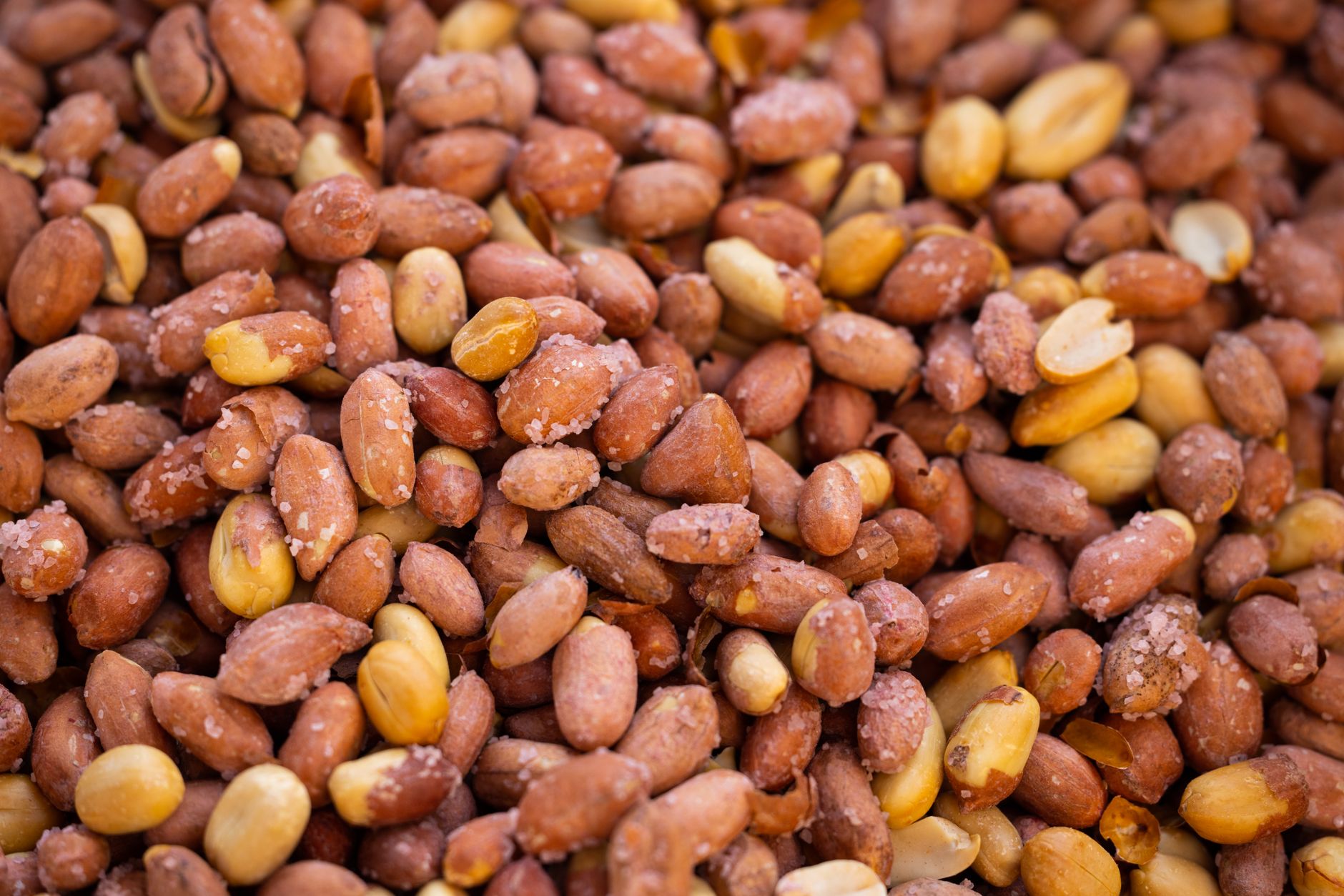
The irresistible aroma of freshly roasted peanuts fills your kitchen with earthy, nutty warmth. There‘s something deeply satisfying about cracking open those golden shells to reveal crunchy, toasted peanuts inside. Whether you‘re craving a savory snack or a versatile ingredient for other dishes, roasting your own peanuts brings out richer flavor and better texture than store-bought versions. This roasted peanuts recipe lets you craft a crowd-pleasing treat with minimal effort, perfect for snacking, garnishing, or even peanut butter making. The simple process transforms raw peanuts into a snack bursting with irresistible crispness and salty goodness.
Health Benefits & Nutrition of Roasted Peanuts
- Heart Health: Peanuts contain heart-friendly monounsaturated fats shown to reduce bad cholesterol (American Heart Association).
- Protein-Packed Snack: With about 15 grams of protein per serving, roasted peanuts help sustain energy and muscle repair.
- Rich in Fiber and Antioxidants: Roasted peanuts provide dietary fiber and antioxidants that support digestion and reduce oxidative stress.
- Vitamin E Source: This vitamin protects cells from damage and supports skin health.
Safety Note: Peanuts are a common allergen, so avoid if you have nut allergies. Pregnant or breastfeeding individuals should consult healthcare providers regarding peanut consumption if unsure about allergies.
Ingredients & Preparation
Recipe Card
| Prep Time | Cook Time | Total Time | Servings | Calories (per serving) | Diet Tags |
|---|---|---|---|---|---|
| 5 minutes | 35 minutes | 40 minutes | 16 | 336 | Gluten-Free, Vegan |
Ingredients
- 2 pounds raw peanuts in the shell
- 2 tablespoons peanut oil
- 1 to 2 tablespoons kosher salt
Equipment Needed
- Large mixing bowl
- Two half-sheet baking pans
- Oven preheated to 350°F (175°C)
- Salad spinner (optional, for skin removal if making peanut butter)
Tips for Choosing Quality Peanuts
- Select fresh, raw peanuts with intact shells—avoid damaged or discolored ones.
- Virginia or Valencia peanuts are ideal for roasting in the shell; Spanish peanuts, richer in oil, suit homemade peanut butter.
- Look for organic or locally sourced peanuts for better flavor and fewer pesticides.
Step-by-Step Instructions to Roast Peanuts
Step 1: Prepare and Preheat
Preheat your oven to 350°F (175°C). Meanwhile, rinse the raw peanuts under cool water to remove any surface dirt. Pat them dry thoroughly with a kitchen towel to ensure even roasting.
Step 2: Coat the Peanuts
Place the peanuts in a large mixing bowl. Add 2 tablespoons of peanut oil and 1 to 2 tablespoons kosher salt based on your taste. Toss well until every peanut is evenly coated with oil and salt.
Step 3: Arrange on Baking Pans
Spread the peanuts in a single layer on two half-sheet pans to allow proper heat circulation. Avoid crowding so peanuts roast evenly and develop a golden, crispy texture.
Step 4: Roast in Oven
Place the pans in the preheated oven. Roast for 30 to 35 minutes, rotating the pans halfway through to ensure uniform cooking. You’ll notice a gentle sizzle and an enticing aroma filling your kitchen as the peanuts toast.
Step 5: Cool Before Serving
Remove peanuts from the oven and let them cool slightly on the pans. They’ll continue to crisp up as they cool. Once at room temperature, crack open the shells and enjoy your freshly roasted snack.
Step 6: Optional - Prepare for Peanut Butter
If making peanut butter, shell the roasted peanuts. To remove skins, gently rub peanuts in your hands over a salad spinner. Close and spin until skins separate. Discard skins before blending.
Variations & Substitutions
- Spicy Roasted Peanuts: Add 1 teaspoon smoked paprika and 1/2 teaspoon cayenne with the salt for a smoky, spicy kick.
- Honey-Glazed Peanuts: Toss peanuts after roasting with 1 tablespoon honey and a pinch of sea salt for a sweet-savory flavor.
- Salt-Free Roasted Peanuts: Omit salt for a heart-healthy, low-sodium snack without sacrificing rich peanut flavor.
- Oil-Free Option: Roast raw peanuts directly on the baking pan at 325°F for 25-30 minutes, stirring occasionally. This yields a dry roast with less richness.
Storage & Shelf Life
Refrigeration: Store fully cooled roasted peanuts in an airtight container in the fridge for up to 2 weeks to maintain crispness and prevent rancidity.
Freezing: For longer storage, freeze peanuts in a sealed container or zip-top bag for up to 3 months. Thaw at room temperature before snacking.
Signs of Spoilage: Watch for off smells, discoloration, or mold. Rancid nuts develop an unpleasant, bitter taste and should be discarded.
Pro Tips for Perfect Roasted Peanuts
- Rotate the baking pans halfway through roasting to ensure even browning and avoid burnt spots.
- Use peanut oil to enhance natural flavors without overpowering them. Neutral oils can work but lack peanut richness.
- Allow peanuts to cool completely on the pans before shelling—this step deepens crunchiness and flavor.
- If you want easier shell removal, squeeze cooled peanuts gently to crack shells before peeling.
- Wear gloves or use a barrier if you notice your hands staining from peanut skins during peeling.

When is the best time to eat Roasted Peanuts Recipe?
The best time to enjoy roasted peanuts is as a mid-afternoon or evening snack when you want a satisfying crunch and a boost of energy. They pair beautifully with cold beverages or can be enjoyed straight from the shell after cooling fully for optimum texture.
Can I roast peanuts without shells?
Yes, you can roast shelled raw peanuts by spreading them on a baking sheet and roasting at 350°F for about 15-20 minutes, stirring occasionally. Keep a close eye to prevent burning as shelled peanuts roast faster.
How do I remove the skins from roasted peanuts for peanut butter?
After roasting and shelling, rub peanuts between your hands over a salad spinner or clean towel. Then spin or shake to separate loose skins. This removes skins easily without crushing the peanuts.
Are roasted peanuts safe for people with peanut allergies?
No, peanuts are a common allergen, and roasting does not eliminate allergenic proteins. Individuals with peanut allergies should avoid peanuts entirely.
Can I add different seasonings to this recipe?
Absolutely! Beyond salt, try garlic powder, chili flakes, or even cinnamon sugar after roasting to customize flavors. Add seasonings evenly while peanuts are still warm to help them stick.
How crunchy will my roasted peanuts be?
Proper roasting and cooling produce a crispy, crunchy texture. Allowing peanuts to cool fully after roasting is essential, as they "set" into a satisfying crunch while resting.
Can I make peanut butter directly from this roasted peanuts recipe?
Yes, use Spanish peanuts with higher oil content for peanut butter. Roast as directed, then shell and skin peanuts before blending into a creamy spread.
More Recipes You Will Love
If you enjoy this roasted peanuts recipe, you‘ll love trying the crunchy and cheesy Mini cheese balls recipe 2106348 for a quick and savory snack. Their golden crusts balance perfectly with nuts for a delightful party treat.
For a tangy contrast, Pickled onion rings with tarragon ranch 13259768 add a burst of flavor alongside roasted peanuts. These recipes pair well for casual gatherings or family movie nights.
Conclusion
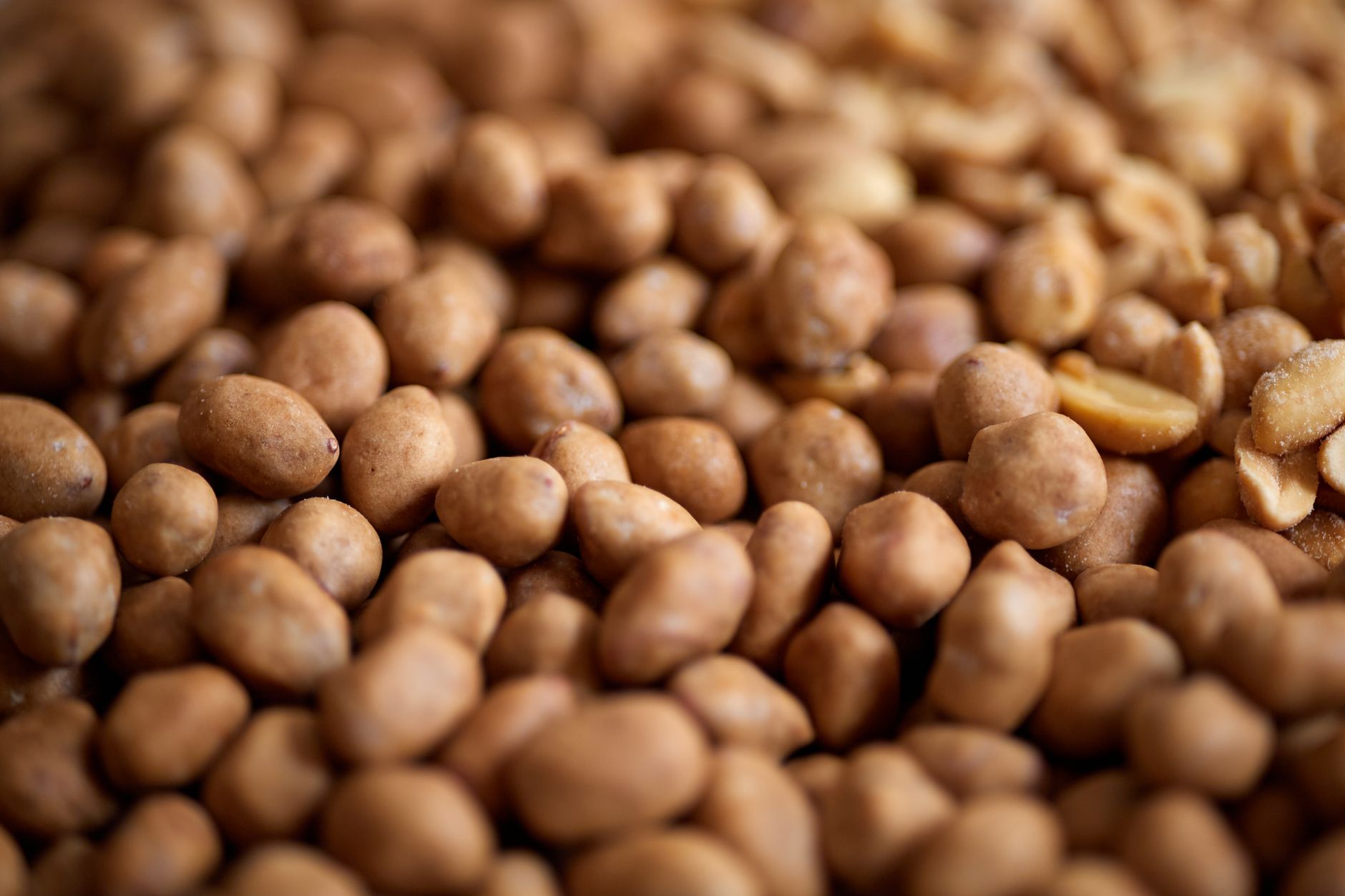
This roasted peanuts recipe transforms simple raw peanuts into an addictive, crispy snack full of rich, nutty flavor. With easy steps and minimal ingredients, you can enjoy fresh-roasted peanuts anytime in the comfort of your home. Whether snacking solo or sharing with friends, these roasted peanuts always satisfy. Feel free to share your roasting success and any creative twists in the comments below—we‘d love to hear your crispy creations!
FAQs
When is the best time to eat Roasted Peanuts Recipe?
Roasted peanuts are perfect anytime you want a satisfying, crunchy snack. They work great between meals, during hikes, or as a protein-rich option before or after workouts. Their salty, savory flavor also makes them ideal for entertaining or as a party snack.
Can I roast peanuts without oil in this recipe?
Yes, you can roast peanuts without oil for a lower-fat version. However, oil helps even roasting and enhances flavor and texture. Dry roasting may take a few extra minutes and requires careful stirring to avoid burning.
How should I store roasted peanuts to keep them fresh?
Store roasted peanuts in an airtight container at room temperature for up to two weeks. For longer storage, keep them in the refrigerator or freezer to maintain crispness and prevent rancidity.
Are roasted peanuts good for people with dietary restrictions?
Roasted peanuts are naturally gluten-free and vegan, making them suitable for many dietary preferences. Those with peanut allergies should avoid them, and it's best to check with a healthcare provider if unsure about any personal allergies.
Can I use roasted peanuts for making peanut butter?
Absolutely. Roasted peanuts are excellent for homemade peanut butter. You can remove the skins if desired using a salad spinner, then blend the peanuts until smooth to create creamy, flavorful peanut butter.