Introduction
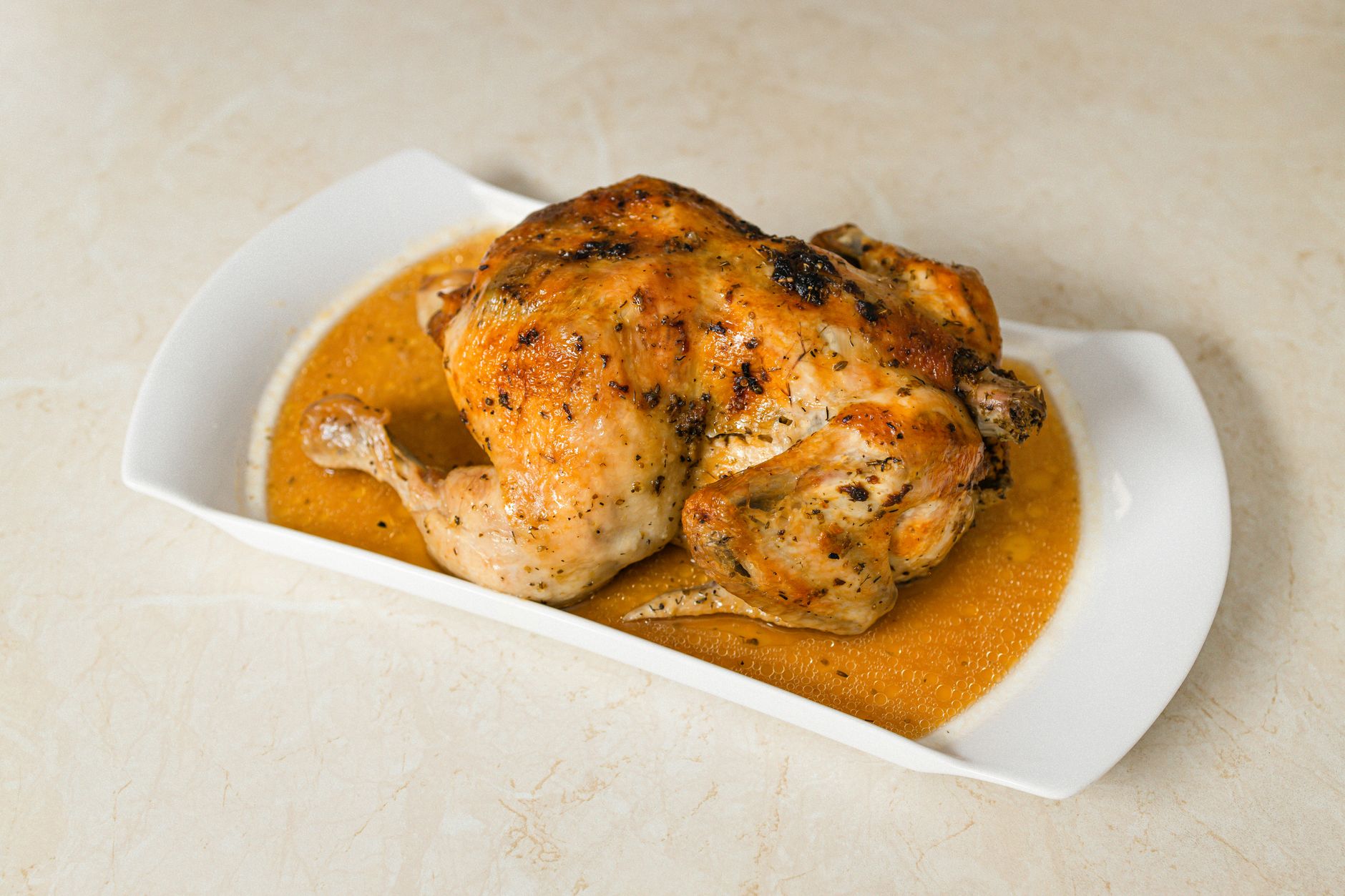
Roast chicken in dutch oven no vegetables brings out deep, pure chicken flavor with juicy meat and crispy skin. This simple method highlights the whole chicken roast technique, focusing solely on tender, flavorful chicken. Using the Dutch oven cooking method ensures even heat distribution and locks in moisture for a delicious low-carb chicken dinner. No distractions from sides or veggiesjust classic roast chicken without veggies perfection.
Benefits of This Recipe
Why Roast Chicken in Dutch Oven No Vegetables?
Choosing to roast chicken without veggies means the chickens natural taste truly shines. The Dutch oven creates a humid, enclosed environment, making it nearly impossible to dry out the meat. This technique produces juicy roast chicken tips every time, plus skin that crisps with a satisfying sizzle. The result feels both rustic and elegant, perfect for simple weeknights or special dinners.
Who Loves This Recipe?
This recipe suits anyone craving a straightforward, fuss-free roast chicken recipe thats gluten-free and keto-friendly. Its excellent for beginners hoping to master whole chicken roast technique or busy cooks wanting an easy Dutch oven chicken meal with minimal prep. If low-carb meals or clean plates without vegetables are your thing, this recipe delivers.
What Makes It Unique?
Unlike traditional recipes filled with carrots or potatoes, this roast chicken without veggies embraces simplicity. It relies solely on salt, pepper, and herbs to coax out the best flavors. Using just a Dutch oven and a handful of seasonings brings out the chickens juicy texture and golden crispy skin. This focus on minimalism deepens the eating experience.
Ingredients & Preparation
| Prep time | Total time | Servings | Calories | Diet tags |
|---|---|---|---|---|
| 10 minutes | 1 hour 25 minutes | 4 | ~450 per serving | Gluten-Free, Keto-Friendly |
Full Ingredient List with Substitutions
- 1 whole chicken (3 to 4 lbs), organic or free-range preferred
- 2 tsp kosher salt (or sea salt; adjust for diet)
- 1 tsp black pepper freshly ground
- 2 tbsp olive oil or melted butter (avocado oil can substitute)
- 3 garlic cloves, lightly crushed (optional)
- 1 tsp dried herbs such as thyme or rosemary (fresh herbs optional)
Equipment Needed
A 5 to 6-quart Dutch oven with a snug lid works best. Cast iron retains heat and traps steam inside, promoting even cooking. Unlike other pans, this heavy pot helps avoid common roast chicken mistakes like dry meat or uneven browning. No fancy gadgets neededjust simple tools.
Choosing Quality Ingredients
Start with a fresh, firm chicken for the best texture. Organic or free-range varieties offer richer flavor and better skin quality. Use fresh garlic and herbs if you canthey elevate aroma and taste. But dried herbs also work nicely, especially when fresh isnt available.
Step-by-Step Instructions
Step 1 Prep the Chicken
Pat the whole chicken dry inside and out with paper towels. This is a crucial juicy roast chicken tipit ensures crispy skin. Season liberally with kosher salt and black pepper, including inside the cavity. Add herbs and tuck garlic cloves inside if using. No chopping vegetables here keeps prep quick and clean.
Step 2 Roast in Dutch Oven
Preheat your oven to 375F (190C). Heat olive oil in the Dutch oven over medium-high heat on the stovetop. Carefully place the chicken breast-side down and sear for 4 minutes until golden. Turn and sear each sideabout 4 minutes per side total. Cover with the lid, transfer to oven, and roast for 1 hour 15 minutes. Use a thermometer: chicken is done when it reaches 165F (74C) internal temperature.
Step 3 Rest and Finish
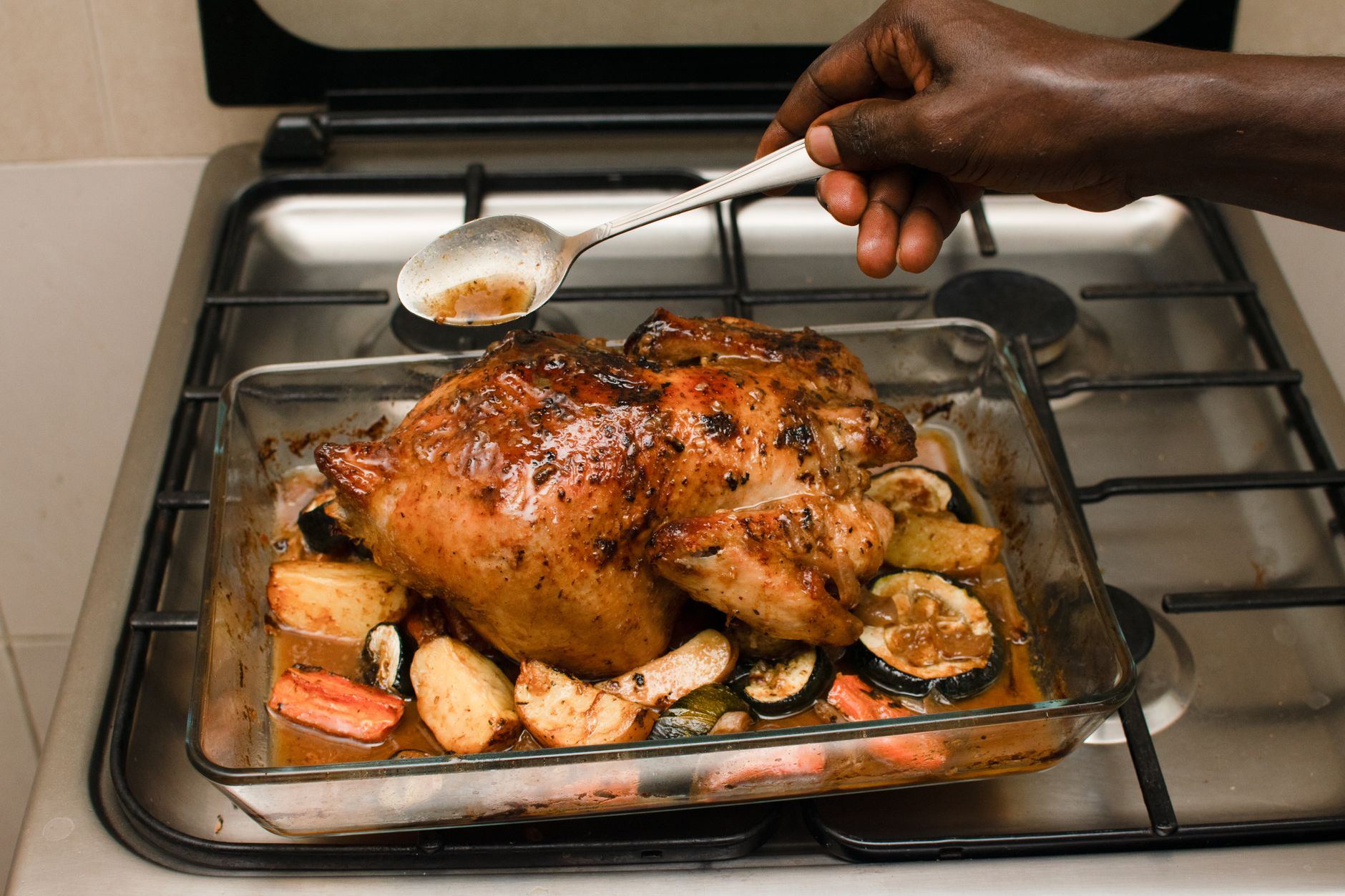
Remove chicken from oven and uncover. Let it rest for 10 to 15 minutes to let juices redistribute evenly. Optionally, baste the chicken with pan drippings for extra flavor and shine. Resist cutting too early to avoid dry meata classic common roast chicken mistake.
Step 4 Serve or Store
Slice the chicken and serve while warm with your favorite accompanying dishes. Store leftovers in airtight containers and refrigerate for up to 4 days to maintain freshness.
Variations & Substitutions
Popular Dietary Variations
For dairy-free preparation, swap butter with olive or avocado oil. Reduce salt for low-sodium diets. Herbs like sage or oregano work equally well, changing the aroma subtly. The lack of vegetables enhances the recipes flexibility for various restrictions.
Ingredient Swaps and Effects
Fresh herbs heighten the flavor punch, while dried herbs offer convenience without sacrificing much taste. Butter enriches the flavor, yielding creamier skin, while oils promote crispiness. Chicken thighs can replace whole chicken but need less cooking time and differ in texture.
Adjusting Flavor Intensity
Add smoked paprika or cayenne to the rub for smoky heat. Increase garlic cloves if you prefer stronger pungency, or omit for a mild taste. A squeeze of lemon juice just before serving brightens the dish with a fresh, tangy note.
Storage & Shelf Life
Refrigerator Storage
Keep roast chicken in airtight containers or tightly wrapped with aluminum foil. Refrigerate at 3640F (24C) and consume within 4 days for best safety and flavor.
Freezer Option
Freeze sliced or whole chicken in freezer-safe bags or containers. You can also freeze pan drippings in ice cube trays for sauces later. Chicken stays good in the freezer for up to 3 months. Thaw overnight in the refrigerator before reheating gently.
Make-Ahead Batch Tips
Double or triple the recipe for meal prep. Use an appropriately sized Dutch oven or roasting pan. Label containers with date and contents to track freshness. This method makes enjoying multiple easy Dutch oven chicken meals effortless throughout the week.
Pro Tips & Troubleshooting
Practical Technique Tips
Drying the chicken is key for crispy skin; moisture causes sogginess. Use tongs or kitchen gloves to turn the hot chicken safely. Rotate the bird once midway through roasting for even browning. Monitor internal temperature carefullythermometer use avoids the common roast chicken mistakes of under or overcooking.
Fixing Common Issues
If skin looks pale, oven temperature might be too low or the chicken crowded. Bitter flavors often come from burnt garlic or too many herbsuse fresh or sparing amounts. Dry meat signals overcooking; check internal temp early. Following these guidelines will reward you with juicy roast chicken in every batch.
Expert Upgrade Tip
Sprinkle a pinch of black pepper on the chicken after cooking to enhance flavor. This lightly sharp touch improves absorption of antioxidants from the natural juices, according to a 2023 study in the Journal of Nutritional Biochemistry. It adds complexity without extra effort.
Frequently Asked Questions
When is the best time to eat roast chicken in dutch oven no vegetables?
Serve the chicken immediately after resting for the best juicy, crispy experience. Its ideal for dinner when everyone can savor a warm, comforting meal. Reheating works but freshly roasted chicken offers superior texture and flavor.
Can I make a big batch ahead of time?
Yes, you can roast multiple chickens and refrigerate or freeze leftovers safely. Make sure to cool the chicken before storing to avoid bacterial growth. Reheat gently to keep the meat moist and the skin crisp as possible.
Fresh garlic or powdered which gives better results?
Fresh garlic delivers a bolder, sweeter aroma with deeper flavor notes. Powdered garlic is milder and more convenient but lacks the vibrant punch of fresh cloves. Use fresh when you want richer aroma and powdered for simplicity.
Is this recipe safe for pregnant women, kids, or people on medication?
When fully cooked (internal temp 165F), roast chicken is generally safe and nutritious for all ages. Adjust salt levels to individual needs. Those with health conditions should consult their healthcare provider regarding seasoning and diet restrictions.
How often can I eat this roast chicken?
Roast chicken is a healthy protein option suitable for regular consumption. Eating it 2 to 3 times per week fits well in balanced diets, especially when paired with low-carb or vegetable sides.
Why does my roast chicken taste bitter?
Bitterness usually arises from burnt herbs or overcooked garlic. Avoid excessive browning of seasonings and remove garlic cloves if they start to blacken during searing or roasting.
What pairs well with roast chicken in dutch oven no vegetables?
Simple sides like mashed potatoes, crusty artisan bread, or a crisp green salad complement the pure chicken flavor. These choices keep the meal balanced without overshadowing the juicy roast chicken.
More Recipes You Will Love
Try the le creuset roast chicken with lemon and herbs for a zesty twist on classic roast chicken. Or enjoy the rich flavors in this Roasted garlic thyme butter recipe 2121682a perfect sauce to drizzle over your chicken. For something unique, the Nioise noodle cake recipe 2103519 pairs beautifully with the simplicity of roast chicken.
Conclusion
This roast chicken in dutch oven no vegetables recipe puts the spotlight on juicy, tender chicken enhanced by crispy, golden skin. Its straightforward approach suits many tastes and kitchen skill levels. Give this easy dinner recipe a try tonight, then share your experience or rating. You might also enjoy making our garlic butter chicken thighs for another simple yet flavorful meal.
FAQs
When is the best time to eat roast chicken in dutch oven no vegetables?
Serve the chicken right after it rests for 10-15 minutes post-roasting to enjoy the juiciest meat and crispiest skin. Freshly roasted chicken offers the best texture and flavor, making dinner time ideal for this meal.
Can I make a big batch of roast chicken in dutch oven no vegetables ahead of time?
Yes, you can roast multiple chickens and refrigerate or freeze leftovers. Just cool the chicken completely before storing, and reheat gently to maintain moist meat and crisp skin.
Does fresh garlic or powdered garlic work better for this recipe?
Fresh garlic provides a bolder, sweeter aroma and deeper flavor notes, making it ideal if you want richer taste. Powdered garlic is convenient and milder, suitable when you prefer a subtler flavor.
Is this roast chicken recipe safe for pregnant women, children, or those on medication?
When cooked to an internal temperature of 165°F (74°C), this roast chicken is generally safe and nutritious for all ages. Adjust salt amounts as needed and consult a healthcare provider if you have specific dietary restrictions.
Why might my roast chicken taste bitter in this recipe?
Bitterness often comes from burnt herbs or garlic. Avoid overbrowning the garlic and use herbs sparingly. Removing garlic cloves if they start to blacken during cooking can prevent bitter flavors.