Why Porcupine Meatballs in Sauerkraut?
Imagine juicy, tender meatballs simmered in a tangy, savory sauerkraut sauce. Porcupine meatballs in sauerkraut are a comforting dish that combines earthy flavors with a subtle zest from fermented cabbage. This classic recipe satisfies your dinner cravings with a warm, hearty aroma and a pleasing texture contrast. Porcupine meatballs, traditionally made with rice embedded in ground meat, add a delightful bite to every forkful. When paired with sauerkraut, the dish gains a savory-sour edge that elevates simple ingredients into an unforgettable meal.
Health Benefits & Nutrition
This dinner balances protein, fiber, and probiotics for a nourishing experience. Ground beef delivers high-quality protein essential for muscle repair, providing 24 grams per serving. Rice adds gentle carbohydrates for energy, while sauerkraut offers probiotics known to support digestive health and boost the immune system, as noted by research from Frontiers in Microbiology. Sauerkraut’s vitamin C content may also help strengthen your body’s defenses. However, if you’re sensitive to sodium or managing hypertension, be mindful of sauerkraut’s salt content. Those with certain allergies or digestive conditions should consult a healthcare provider before enjoying this dish.
Ingredients & Preparation
Recipe Card
| Prep Time | 35 minutes |
|---|---|
| Total Time | 1 hour |
| Servings | 4 |
| Calories per Serving | 447 kcal |
| Diet Tags | Gluten-Free Option Possible, Low-Carb Adaptable |
Full Ingredient List
- 1 teaspoon plus 1 tablespoon unrefined coconut oil
- 1 small yellow onion, finely chopped (about ½ cup)
- 1 pound ground beef (85/15 lean-to-fat ratio recommended)
- 1 clove garlic, minced
- 1 large egg
- ¼ cup uncooked instant rice
- 2 tablespoons breadcrumbs (use gluten-free if preferred)
- Kosher salt and freshly ground black pepper, to taste
- One 15-ounce can tomato sauce
- 1 cup well-drained sauerkraut
- 1 tablespoon dried Italian seasoning
Equipment Needed
- Dutch oven or heavy-bottomed large pot
- Mixing bowl
- Meatball scoop or tablespoon
- Cooking spatula or tongs
- Measuring cups and spoons
- Cutting board and knife
Tips for Choosing Quality Ingredients
Choose fresh ground beef with a balanced fat ratio; 85/15 ensures juicy meatballs that aren’t greasy. Opt for unrefined coconut oil for clean cooking fat that adds subtle flavor without overpowering. For sauerkraut, select a good-quality, naturally fermented brand without additives or preservatives to maximize probiotics and rich tanginess. Fresh yellow onions and garlic offer the best aroma and depth. Instant rice reduces cooking time but can be swapped for regular rice if you prefer a chewier bite.
Step-by-Step Instructions
Step 1: Sauté the Onions
Heat 1 teaspoon of coconut oil in a Dutch oven over medium heat (about 350°F). Add the chopped onions and sauté for 2–3 minutes until translucent and soft but not browned. Remove from heat and set aside.
Step 2: Form the Meatballs
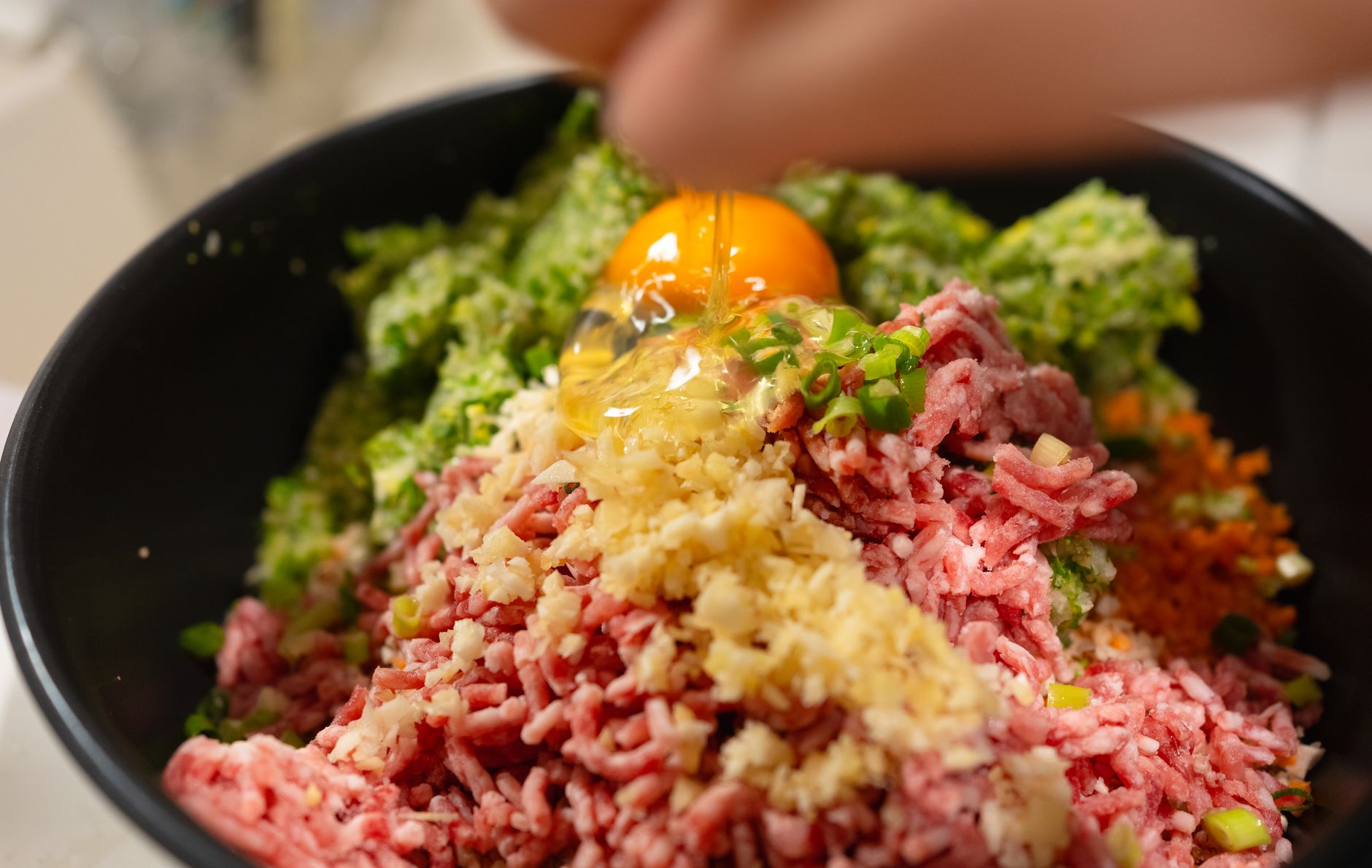
In a large mixing bowl, combine ground beef, sautéed onions, minced garlic, egg, uncooked instant rice, breadcrumbs, 1 teaspoon salt, and 1 teaspoon pepper. Stir gently until ingredients are evenly incorporated. Use a 2-tablespoon scoop or a tablespoon to portion meatballs—aim for roughly 20 uniform-sized balls. Place them on a plate or baking sheet, ready for browning.
Step 3: Brown the Meatballs
Increase the heat to medium-high and add 1 tablespoon of coconut oil to the Dutch oven. Working in batches, carefully brown meatballs for about 2 minutes per side until a golden crust forms. Use tongs to turn each meatball and ensure even browning. Remove meatballs to a plate to drain excess fat.
Step 4: Simmer Meatballs in Sauce
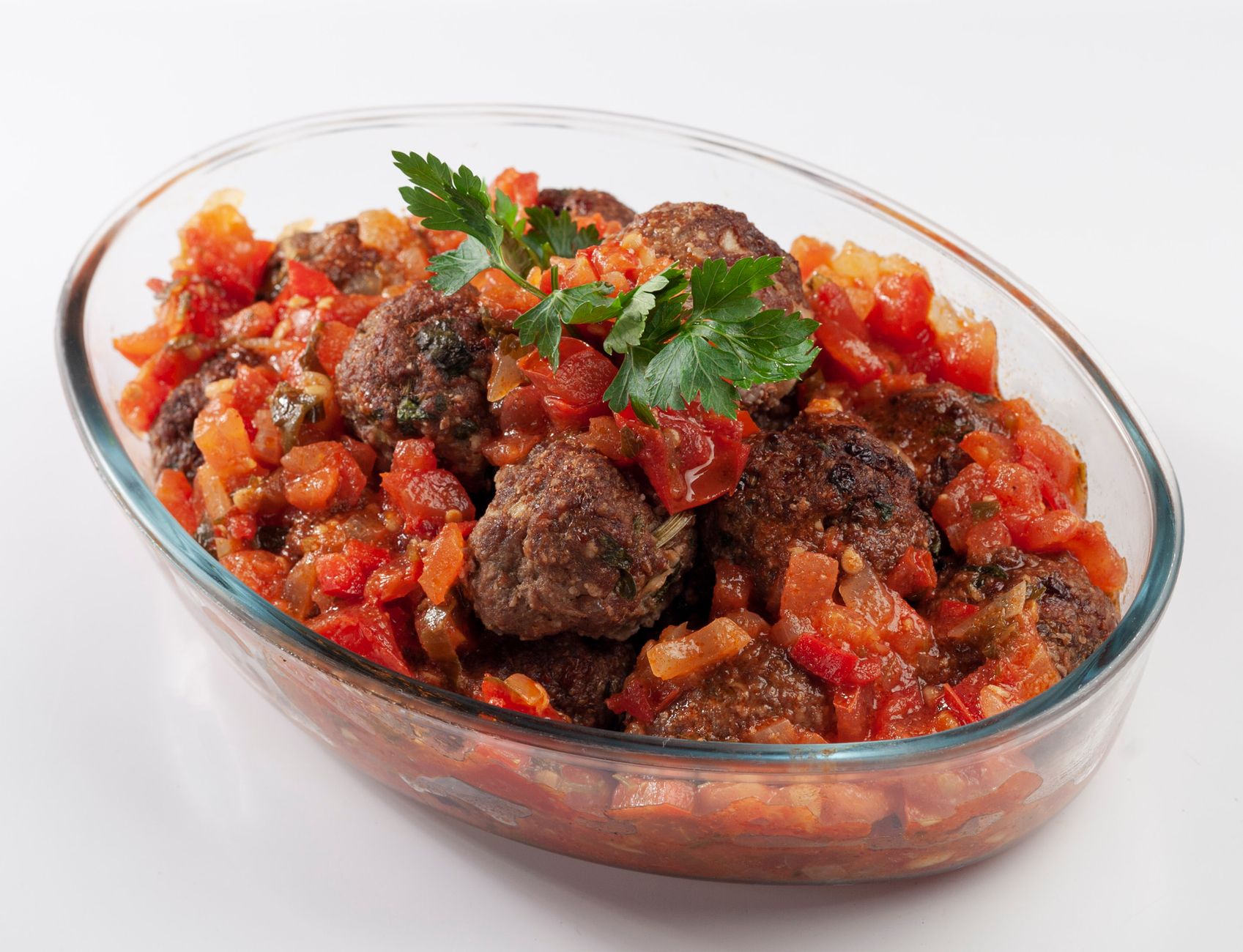
Lower heat to medium and add the canned tomato sauce to the Dutch oven, scraping the bottom to lift any browned bits. Stir in sauerkraut and Italian seasoning. Season with additional salt and pepper as desired. Arrange meatballs in a single layer within the sauce. Cover and reduce heat to medium-low (about 275°F). Simmer gently for 20–25 minutes until meatballs are cooked through and rice is tender.
Variations & Substitutions
- Ground Turkey or Chicken: Substitute the beef for poultry for a leaner protein option. Adjust cooking time slightly to avoid dryness.
- Vegetarian Version: Use cooked lentils or mushrooms combined with rice and breadcrumbs as a plant-based meatball. Season heavily for savory depth.
- Spice it Up: Add crushed red pepper flakes or smoked paprika to the meat mixture for a hint of heat and smoky aroma.
- Fresh Herbs: Replace dried Italian seasoning with chopped fresh parsley, thyme, or rosemary for a brighter flavor.
- Rice Alternatives: Swap instant rice with quinoa or cauliflower rice for gluten-free or lower-carb adaptations.
Storage & Shelf Life
Store leftover porcupine meatballs in sauerkraut in an airtight container in the refrigerator for up to 3 days. Reheat gently on the stovetop over medium-low heat to preserve texture and moisture.
To freeze, place cooled meatballs and sauce in a freezer-safe container. They keep well for up to 3 months. Thaw overnight in the refrigerator before reheating.
Signs of spoilage include sour odor beyond the expected sauerkraut tang, slimy texture, or discoloration. Discard if any of these are present to avoid foodborne illness.
Pro Tips
- Brown the meatballs in batches without crowding the pan to achieve a golden, crispy exterior that locks in juices.
- Use instant rice for faster cooking, but rinse it lightly beforehand to prevent clumping inside the meatballs.
- Drain sauerkraut well to avoid excess liquid diluting the sauce’s flavor and consistency.
- Simmer gently to ensure meatballs cook evenly and stay tender—vigorous boiling can make them tough.
- Scrape the flavorful browned bits from the pan when adding the tomato sauce; this adds a rich umami depth to the dish.
When is the best time to eat Porcupine Meatballs in Sauerkraut?
This dish shines as a warming dinner on chilly evenings or when you crave a hearty, comforting meal. It‘s perfect any time you want a satisfying dish packed with flavor and texture. Leftovers also make excellent next-day lunches, where the flavors meld beautifully.
Can I prepare porcupine meatballs in advance?
Yes, you can prepare the meatballs up to the browning step and refrigerate them for up to 24 hours before simmering them in the sauce. This makes weeknight dinner prep quicker while preserving freshness.
Is this dish gluten-free?
If you use gluten-free breadcrumbs or omit them entirely, porcupine meatballs in sauerkraut can be made gluten-free. Always check your tomato sauce and seasoning labels for hidden gluten.
Can I freeze cooked porcupine meatballs in sauerkraut?
Absolutely! Freeze cooked meatballs with sauce in airtight containers. They retain moisture well when thawed slowly in the refrigerator and reheated gently.
How can I make this recipe lower in sodium?
Rinse the sauerkraut thoroughly before using to reduce sodium content. Also, limit added salt in the meatball mixture and choose a low-sodium tomato sauce.
What rice type works best in porcupine meatballs?
Instant rice cooks faster and softens nicely in the simmering sauce. However, regular long-grain rice adds more bite but requires longer cooking time inside the meatballs.
Can I substitute other fermented vegetables for sauerkraut?
You can try kimchi or pickled cabbage varieties, but expect spicier or more pungent flavors. Adjust seasoning accordingly to balance the dish.
More Recipes You Will Love
If you enjoy the blend of savory and tangy flavors in this dish, you might appreciate our take on classic soups and pasta dishes. For instance, the vibrant Seegers gazpacho with beet terrine recipe 1908661 offers a refreshing complement with its earthy and bright notes.
For something creamy and spicy to contrast the tang of sauerkraut, try Sunnys 5 ingredient spicy sausage carbonara 3438247. It‘s a quick dish that balances richness and heat beautifully.
Conclusion
Porcupine meatballs in sauerkraut bring a unique, tangy twist to a classic comfort food. The lively sauerkraut pairs perfectly with tender, flavorful meatballs for a satisfying meal that’s great for family dinners or meal prep. With simple ingredients and straightforward steps, your kitchen will fill with inviting scents and delicious tastes. Give this recipe a try and share your thoughts or tweaks—you might just inspire others to create their own cozy dinners.
FAQs
When is the best time to eat Porcupine Meatballs In Sauerkraut?
Porcupine Meatballs In Sauerkraut are perfect for a comforting dinner, especially on cooler evenings. Their hearty and tangy flavor makes them ideal for a satisfying meal any day of the week when you want something warm and nourishing.
Can Porcupine Meatballs In Sauerkraut be made gluten-free?
Yes, to make this dish gluten-free, simply use gluten-free breadcrumbs or omit them altogether. The recipe is versatile and can easily accommodate gluten-free adaptations without sacrificing flavor or texture.
How should I store leftover Porcupine Meatballs In Sauerkraut?
Store leftovers in an airtight container in the refrigerator for up to 3-4 days. Reheat gently on the stove or in the microwave to preserve the meatballs’ moisture and the sauerkraut’s tangy flavor.
Is it possible to use a different type of meat for the meatballs?
Absolutely. Ground turkey, chicken, or pork can be substituted for beef to adjust the flavor or fat content. Just keep the rice and seasoning ratios similar for best results in texture and taste.
What side dishes pair well with Porcupine Meatballs In Sauerkraut?
This dish pairs nicely with mashed potatoes, steamed vegetables, or crusty bread to soak up the tangy sauce. A simple green salad can also balance the richness and add freshness to the meal.