Why Pickled Beets Recipe Are a Kitchen Essential
Imagine biting into tender, earthy beets wrapped in a tangy, slightly sweet vinegar bath that awakens your taste buds. Pickled beets aren’t just a vibrant side—they bring a burst of flavor that complements salads, sandwiches, or even cheese boards. This pickled beets recipe transforms humble root vegetables into a versatile pantry staple that adds brightness and crunch to many dishes. Once you make your own, store-bought jars won’t stand a chance against that fresh, zesty zing.
Health Benefits & Nutrition of Pickled Beets
Pickled beets are not only delicious but also pack several health perks:
- Rich in antioxidants: Beets contain betalains, natural compounds that help reduce inflammation and oxidative stress (Source: Journal of Agricultural and Food Chemistry).
- Supports heart health: The nitrates in beets can promote better circulation and lower blood pressure (American Heart Association).
- Boosts digestion: Vinegar aids in digestion and helps maintain healthy gut bacteria.
- Good for iron intake: Beets provide iron and folate, essential during pregnancy, but consult your doctor if you’re on medication affecting potassium or blood pressure.
Note: Though pickled beets are nutritious, their sodium content is higher due to salt and vinegar; enjoy them in moderation if you’re monitoring your salt intake.
Ingredients & Preparation
Recipe Card
| Prep Time | 30 minutes |
|---|---|
| Cook Time | 1 hour 15 minutes |
| Total Time | 1 hour 48 minutes (including resting) |
| Servings | 2 quart jars (approx. 8 servings) |
| Calories per Serving | 456 kcal |
| Diet Tags | Vegetarian, Gluten-Free, Dairy-Free |
Full Ingredient List
- 6 medium fresh beets, cleaned with 1-inch stem remaining
- 2 large shallots, peeled
- 1 large red onion, sliced thinly (frenched)
- 1 cup tarragon wine vinegar
- 1 ½ teaspoons kosher salt
- ½ cup granulated sugar
- 1 cup water
- 2 sprigs fresh rosemary
- 2 teaspoons olive oil
Equipment Needed
- Baking sheet or foil pouch for roasting
- Large mixing bowl
- Sharp knife and cutting board
- 2 one-quart glass jars with lids
- Small saucepan
- Peeler or your fingers for skin removal
Tips for Choosing Quality Ingredients
- Select firm, smooth-skinned beets with fresh stems for the sweetest flavor.
- Opt for organic shallots and onions if possible—they bring a milder, cleaner taste.
- Choose tarragon wine vinegar for its subtle herbal notes; white or apple cider vinegar works too, but the flavor changes.
- Use kosher or sea salt instead of table salt to avoid added iodine, which can alter taste.
Step-by-Step Instructions
Step 1: Roast the Beets and Shallots (40 minutes, 400°F)
Preheat your oven to 400°F (205°C). Toss cleaned beets, peeled shallots, rosemary, and olive oil in a large bowl. Transfer everything into a foil pouch or on a baking sheet. Roast until beets are tender when pierced (about 40 minutes). This caramelizes their sweetness and softens them perfectly for pickling.
Step 2: Peel and Slice the Beets (15 minutes)
Once roasted and cool enough to handle, rub the beet skins off with your fingers or a paper towel. Slice the peeled beets into thin, even rounds to absorb the pickling liquid beautifully.
Step 3: Prepare the Pickling Liquid (5 minutes)
In a small saucepan, combine tarragon wine vinegar, water, sugar, and kosher salt. Bring to a boil over medium-high heat. Stir occasionally until sugar and salt dissolve completely. Remove from heat.
Step 4: Layer the Jars (10 minutes)
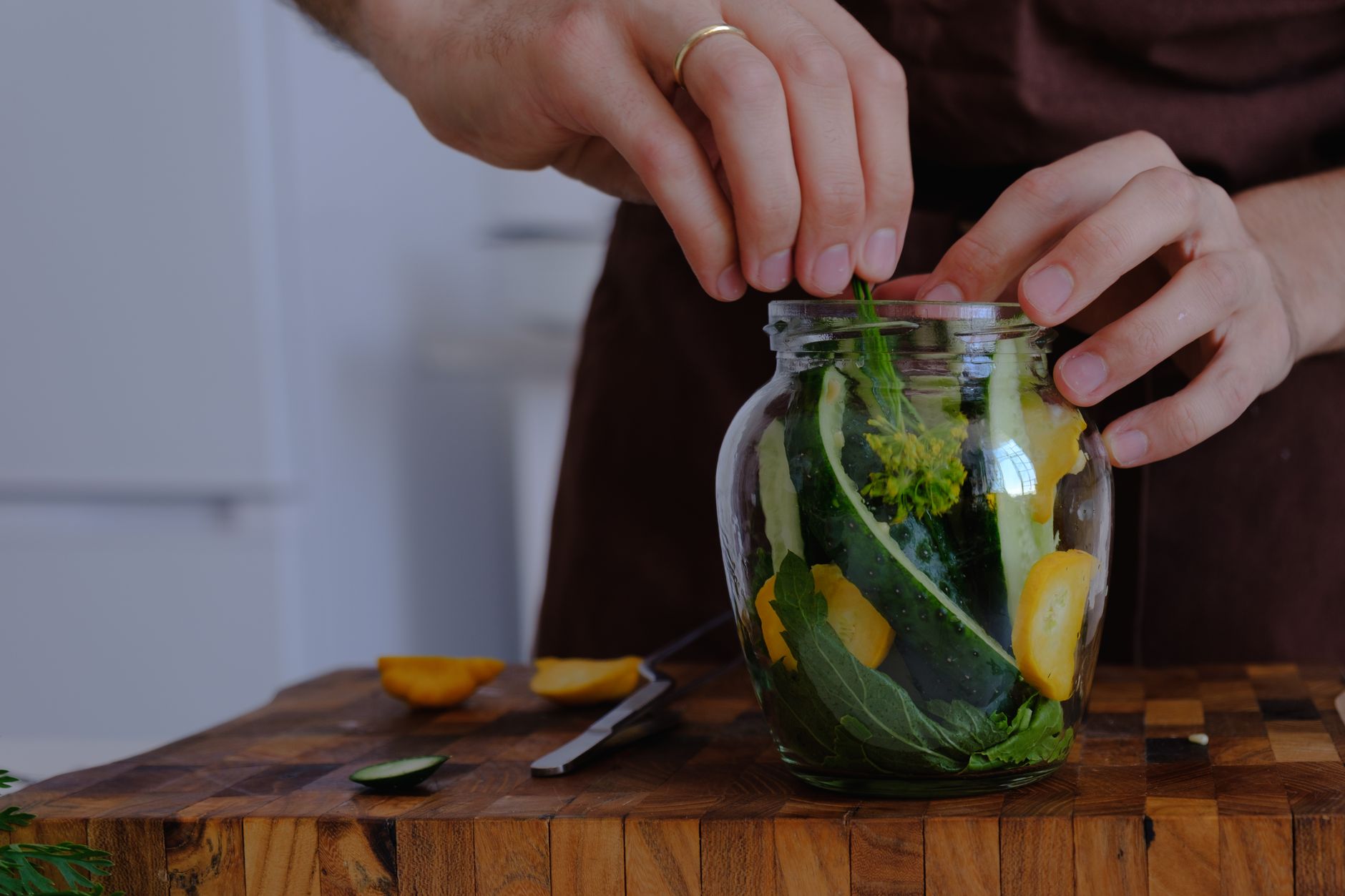
Fill two clean quart jars by layering sliced beets and thinly sliced red onions alternately. This layering enhances texture contrast and flavor dispersion in every bite.
Step 5: Pour and Seal (3 minutes)
Carefully pour the hot pickling liquid over the beets and onions, leaving about ½ inch of headspace. Cap the jars tightly and let them cool to room temperature before refrigerating.
Step 6: Refrigerate and Wait (3–7 days)
For the best flavor, refrigerate the jars for at least 3 days to let the beets soak up the tangy, sweet pickling liquid. Flavors will deepen over a week. Enjoy chilled or at room temperature.

Variations & Substitutions
- Vinegar swap: Use apple cider vinegar or white wine vinegar if you prefer a softer or fruitier acidity.
- Fresh herbs: Try replacing rosemary with thyme or dill for a different herbal twist.
- Spice it up: Add whole peppercorns, garlic cloves, or a small chili pepper for added heat and complexity.
- Sugar alternatives: Swap granulated sugar with honey or maple syrup for a more natural sweetness.
Storage & Shelf Life
Keep your pickled beets refrigerated in tightly sealed jars. Properly stored, they last up to 4 weeks, maintaining their tangy crunch and vibrant color. Always use clean utensils to scoop beets out to avoid contamination.
Freezing is not recommended, as it alters texture and color, making the beets mushy upon thawing.
Signs of spoilage include cloudy brine, off smells, mold, or sliminess — discard immediately if any of these appear.
Pro Tips for Perfect Pickled Beets
- Roast beets with skins on to lock in moisture and caramelize sugars evenly.
- Slice beets uniformly thin for better pickling and flavor absorption.
- Use a clean jar and hot pickling liquid to slightly cook the beets as they chill, enhancing flavor melding.
- Prevent beet juice stains on your hands and counters by wearing gloves or wiping surfaces quickly with lemon juice or vinegar.

When is the best time to eat Pickled Beets Recipe?
The ideal time to enjoy pickled beets is after they’ve marinated in the refrigerator for at least three days. This resting period allows the flavors to meld fully, offering a perfect balance of tangy, sweet, and earthy notes. While they taste great chilled, letting them sit at room temperature for 15 minutes before serving enhances their aroma and flavor.
Can I use fresh beets instead of roasted beets?
Roasting beets first enhances their natural sweetness and softens their texture, which is key to a tender pickle. Using raw beets straight into the pickling liquid results in a crunchier texture and less depth of flavor, but it is possible if you prefer firmer beets.
How long do pickled beets last in the fridge?
Properly refrigerated pickled beets should stay fresh for up to four weeks. Ensure the jars remain sealed tightly and always use clean utensils. Any signs of mold or unpleasant odors mean you should discard the batch immediately.
Are pickled beets keto-friendly?
While beets themselves contain natural sugars, pickled beets can fit into a keto diet if consumed in moderation due to their carb content. Using less sugar in the pickling liquid or substituting it with keto-friendly sweeteners helps reduce carb count.
Can I make pickled beets without sugar?
Yes, you can omit sugar for a more savory version, though the final flavor will be less sweet and more sharply tangy. Alternatively, replace sugar with honey or maple syrup for natural sweetness.
What dishes pair well with pickled beets?
Pickled beets are a perfect match for creamy cheeses, roasted meats, grain salads, and sandwiches. They also make a refreshing topping on tacos or as a colorful addition to antipasto platters.
Can I use other vinegars for this recipe?
Absolutely! Each vinegar adds unique flavor notes. Apple cider vinegar offers a fruity tang, white wine vinegar is mild and crisp, and rice vinegar adds subtle sweetness. Adjust sugar levels accordingly to balance acidity.
More Recipes You Will Love
If you enjoy crafting vibrant condiments like pickled beets, you’ll love exploring other kitchen favorites. For a rich dessert twist on healthy eating, check out the Cheesecake factory healthy order recipe, which offers clever ways to indulge without guilt.
For those who appreciate cooking with specialized cookware, try some delightful Staub mini cocotte recipes. These small cast iron pots bring out deep, comforting flavors in any dish you create.
Conclusion
This pickled beets recipe is a fantastic way to enjoy the earthy sweetness of beets with a tangy, vibrant twist that brightens meals. Its easy prep, flexible variations, and health benefits make it perfect for your weekly kitchen routine. Try it yourself, then share your favorite ways to serve pickled beets below. Your kitchen will thank you for this flavorful, colorful addition.
FAQs
When is the best time to eat Pickled Beets Recipe?
Pickled beets can be enjoyed anytime, whether as a tangy side dish, salad topper, or snack. They are especially refreshing during meals that benefit from a bright, acidic contrast.
How long do pickled beets last in the refrigerator?
Properly stored in sealed jars, pickled beets typically last up to 3 to 4 weeks refrigerated, maintaining their flavor and crunch throughout that period.
Can I use different types of vinegar for pickling beets?
Yes, you can swap tarragon wine vinegar for white, apple cider, or other flavored vinegars. Each will give a slightly different taste, altering the final flavor profile of your pickled beets.
Are pickled beets suitable for people on a low-sodium diet?
Because pickled beets contain salt added during the pickling process, they may be high in sodium. Those on a low-sodium diet should enjoy them in moderation or adjust the salt used when making the recipe.
Can pickled beets be used in recipes other than as a side?
Absolutely! Pickled beets add flavor and crunch to salads, sandwiches, cheese boards, and even as a garnish on various dishes, making them a versatile ingredient in the kitchen.