Why Vegetable Gateau Recipe is a Must-Try Delight
The vibrant layers of a vegetable gateau awaken your senses with a beautiful medley of colors, textures, and flavors. This dish transforms humble vegetables into an elegant and savory cake that’s perfect for gatherings or a wholesome family meal. The Vegetable Gateau Recipe offers a unique way to enjoy seasonal produce while delighting both the eyes and taste buds. Its light, creamy layers balance the natural earthiness of the veggies with a subtle tang from fresh herbs and creamy cheese, creating an irresistible harmony on your plate.
Health Benefits & Nutrition
Vegetable gateau isn’t just a feast for your palate—it’s a powerhouse of nutrients too. Packed with vitamins, minerals, and fiber, it supports immune health, digestive wellness, and sustained energy throughout the day. For example, bell peppers and carrots provide a rich source of vitamin C, which enhances your immune system (Harvard T.H. Chan School of Public Health). The inclusion of leafy greens contributes antioxidants that combat inflammation and oxidative stress.
Additionally, using low-fat dairy options in the creamy layers offers calcium for strong bones without excess calories. If you’re sensitive to dairy or allergic to specific vegetables, feel free to substitute ingredients to suit your needs safely. Pregnant individuals should monitor cheese types for unpasteurized varieties to avoid risk. Always ensure vegetables are washed thoroughly to reduce potential contaminants.
Ingredients & Preparation
Recipe Card
| Prep Time | 30 minutes |
|---|---|
| Total Time | 1 hour 15 minutes |
| Servings | 6 |
| Calories | 220 kcal per serving |
| Diet Tags | Vegetarian, Gluten-Free Option |
Full Ingredient List
- 2 medium zucchinis, thinly sliced
- 2 medium carrots, peeled and sliced
- 1 red bell pepper, thinly sliced
- 1 cup fresh spinach leaves
- 1 cup ricotta cheese
- ½ cup cream cheese, softened
- 2 large eggs
- ¼ cup grated Parmesan cheese
- 2 cloves garlic, minced
- 1 tablespoon fresh basil, chopped
- Salt and freshly ground black pepper to taste
- Olive oil for greasing and roasting
Equipment Needed
- Baking tray
- Parchment paper
- Mixing bowls
- Whisk or electric mixer
- Mandoline slicer or sharp knife
- Springform cake pan (8-inch)
- Oven
Tips for Choosing Quality Ingredients
- Pick firm zucchinis and carrots with vibrant colors to ensure freshness and flavor.
- Choose organic or locally grown vegetables when possible to maximize nutrient content.
- Opt for fresh, pasteurized ricotta and cream cheese for safety and creamier texture.
- Use fresh herbs rather than dried for the brightest aroma and taste.
Step-by-Step Instructions
Step 1: Prepare the Vegetables (15 minutes, 400°F / 200°C)
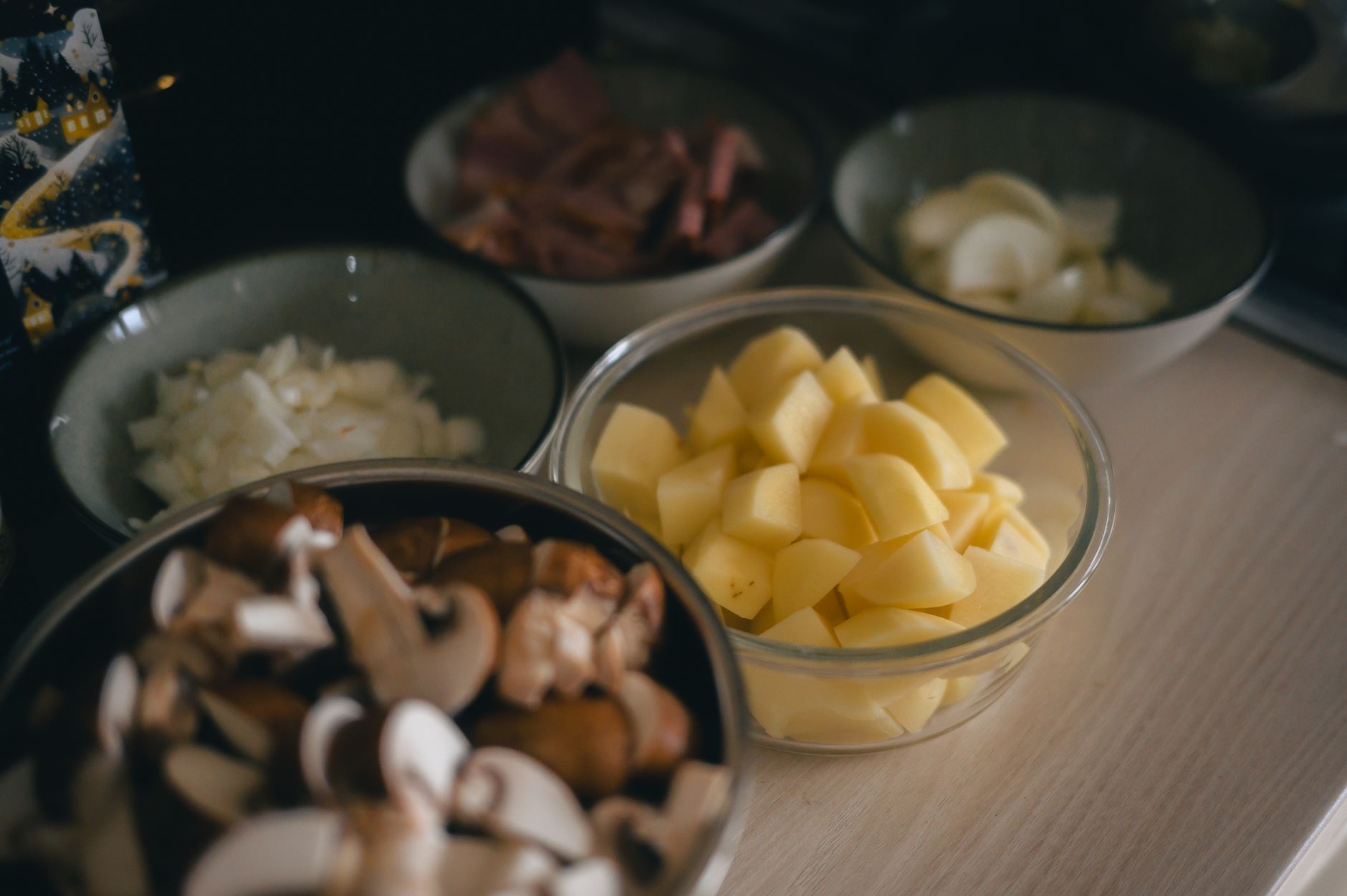
Preheat your oven to 400°F (200°C). Slice zucchinis, carrots, and bell pepper thinly using a mandoline or sharp knife. Lay the slices in a single layer on a parchment-lined baking tray, lightly brush with olive oil, and sprinkle with salt and pepper. Roast for 15 minutes, until tender but not browned. Remove and let cool slightly.
Step 2: Mix the Cheese Filling (10 minutes)
In a bowl, whisk ricotta, cream cheese, eggs, Parmesan, garlic, and basil until smooth and creamy. Season with salt and pepper. This mixture provides a rich, velvety contrast to the tender roasted vegetables.
Step 3: Assemble the Gateau (20 minutes)
Grease an 8-inch springform pan. Layer the vegetables alternating zucchini, carrots, peppers, and spinach in a circular pattern. After each vegetable layer, spread a thin layer of the cheese mixture. Repeat until ingredients are used, finishing with a cheese layer on top. Press gently to compact the layers.
Step 4: Bake the Gateau (30 minutes, 350°F / 175°C)
Place the assembled gateau in the preheated oven at 350°F (175°C). Bake uncovered for 30 minutes or until the cheese sets and turns lightly golden. Let it cool for 10 minutes before removing from the pan to retain the shape.
Step 5: Serve and Enjoy
Slice the vegetable gateau carefully with a sharp knife. The creamy layers and roasted vegetable aroma will entice your senses. Serve as a stunning appetizer, side dish, or light main course. Your guests will love the colorful presentation and balanced flavors.
Variations & Substitutions
Vegetable Gateau Recipe is highly adaptable to your preferences and dietary needs. Here are some delicious variations to consider:
- Gluten-Free: Ensure the ingredients used are gluten-free; this recipe naturally fits most gluten-free diets as no wheat-based products are included.
- Vegan: Substitute ricotta and cream cheese with cashew cream or blended tofu mixed with nutritional yeast for cheesy flavor. Replace eggs with flax eggs (1 tbsp ground flaxseed + 3 tbsp water per egg).
- Additional Vegetables: Incorporate thin slices of eggplant or roasted sweet potatoes for more earthy flavors. Adjust oven time slightly for thicker vegetable layers.
- Herb Variations: Swap basil with dill, thyme, or oregano to change the aroma and taste profile.
This flexibility helps keep the recipe exciting and perfect for what you have available in your kitchen.
Storage & Shelf Life
After preparation, allow the vegetable gateau to cool completely. Store it in an airtight container in the refrigerator for up to 3 days. Reheat gently in a low oven (300°F / 150°C) wrapped loosely in foil for about 10–15 minutes to maintain moisture.
If you want to preserve it longer, wrap portions tightly in plastic wrap and aluminum foil, then freeze for up to 2 months. Thaw overnight in the fridge and reheat before serving.
Watch for signs of spoilage such as sour smell, mold spots, or slimy texture, and discard if any appear.
Pro Tips for Perfect Vegetable Gateau
- Roast vegetables just until tender to maintain structure; over-roasting can make the layers soggy.
- Use fresh herbs generously—they amplify flavor and freshness.
- Allow the assembled gateau to rest before slicing; this helps it hold its shape.
- If slicing is tricky, dip your knife in hot water and wipe between cuts for clean edges.
- For a stunning finish, sprinkle grated Parmesan or breadcrumbs on top before baking for a golden, crispy crust.

When is the best time to eat Vegetable Gateau Recipe?
Vegetable gateau is a versatile dish perfect for lunch, dinner, or as part of a festive spread. It pairs wonderfully with fresh salads or as a light main course during warmer months. Its layers make it ideal for showcasing seasonal vegetables, so enjoy it when veggies are at their peak freshness.
Can I prepare the vegetable gateau in advance?
Absolutely. The vegetable gateau can be assembled and refrigerated a few hours before baking. This makes it convenient for hosting or meal prepping. Just keep it covered well to prevent drying out, and bake fresh for the best texture.
Is this recipe suitable for gluten-free diets?
Yes, this recipe naturally contains no gluten ingredients. Just double-check that any added cheeses or seasonings are certified gluten-free, especially if you have severe sensitivities.
How can I make this recipe vegan?
To make it vegan, replace dairy cheeses with vegan alternatives like cashew cream and use flax eggs as binding agents. Adjust seasonings to taste, and roast vegetables as usual. The texture will be creamy and satisfying without animal products.
What other cheeses can I use besides ricotta?
Fresh cheeses like cottage cheese or mascarpone can substitute ricotta. For a sharper flavor, try feta mixed with cream cheese, but reduce added salt accordingly to maintain balance.
Can I add protein to this vegetable gateau?
Yes, cooked lentils or crumbled tofu fold well into the cheese mixture for added protein. Alternatively, layer thin slices of grilled chicken or smoked salmon for non-vegetarian options.
How do I prevent the gateau from falling apart?
Make sure to bind the layers thoroughly with the cheese mixture and press gently during assembly. Allowing the baked gateau to cool before slicing also helps maintain its shape.
What’s a good side dish to serve with vegetable gateau?
A fresh green salad with a tangy vinaigrette complements the creamy gateau perfectly. You might also enjoy it alongside a bowl of soup or crusty bread for a comforting meal.
More Recipes You Will Love
If you enjoy this Vegetable Gateau Recipe, explore other wholesome dishes that celebrate fresh produce. Our Smoothies to lower blood sugar and cholesterol offer delicious ways to enhance your diet with vibrant, natural ingredients. For a health boost, try the invigorating Ginger shot benefits recipe—a perfect companion to a vegetable-rich lifestyle.
Also, consider our roasted vegetable lasagna or ratatouille recipes for hearty meals that share the spirit of celebrating fresh garden flavors.
Conclusion
Creating this Vegetable Gateau Recipe brings together layers of seasonal vegetables and creamy cheese for a satisfying, healthy dish that shines on any table. The blend of textures and fresh herbs makes it a standout favorite for meals and special occasions. Try it yourself and share your thoughts or twists in the comments below—I’d love to hear how you make it your own!
FAQs
When is the best time to eat Vegetable Gateau Recipe?
Vegetable Gateau is perfect for lunch or dinner, especially when you want a light yet satisfying meal. It’s also great for gatherings or special occasions, as its colorful presentation makes an appealing centerpiece.
Can I prepare Vegetable Gateau Recipe in advance?
Yes, Vegetable Gateau can be made a day ahead and refrigerated. In fact, chilling it helps the layers set well, enhancing the flavors. Just reheat gently before serving for the best taste and texture.
Is Vegetable Gateau Recipe suitable for vegetarians?
Absolutely! This recipe uses only vegetarian ingredients such as fresh vegetables and cheeses. It’s an excellent choice for those following a vegetarian diet and looking for nutritious, flavorful options.
How can I make the Vegetable Gateau Recipe gluten-free?
This recipe is naturally gluten-free as it does not include flour or breadcrumbs. Just ensure all cheeses and added ingredients are certified gluten-free to maintain a safe dish for gluten-sensitive individuals.
What are good substitutions if I don’t have ricotta cheese?
You can substitute ricotta with cottage cheese or cream cheese for a similar creamy texture. For a vegan alternative, try blended tofu or cashew cream to keep the dish light and flavorful.