Why Penne With Vodka Sauce Recipe Works
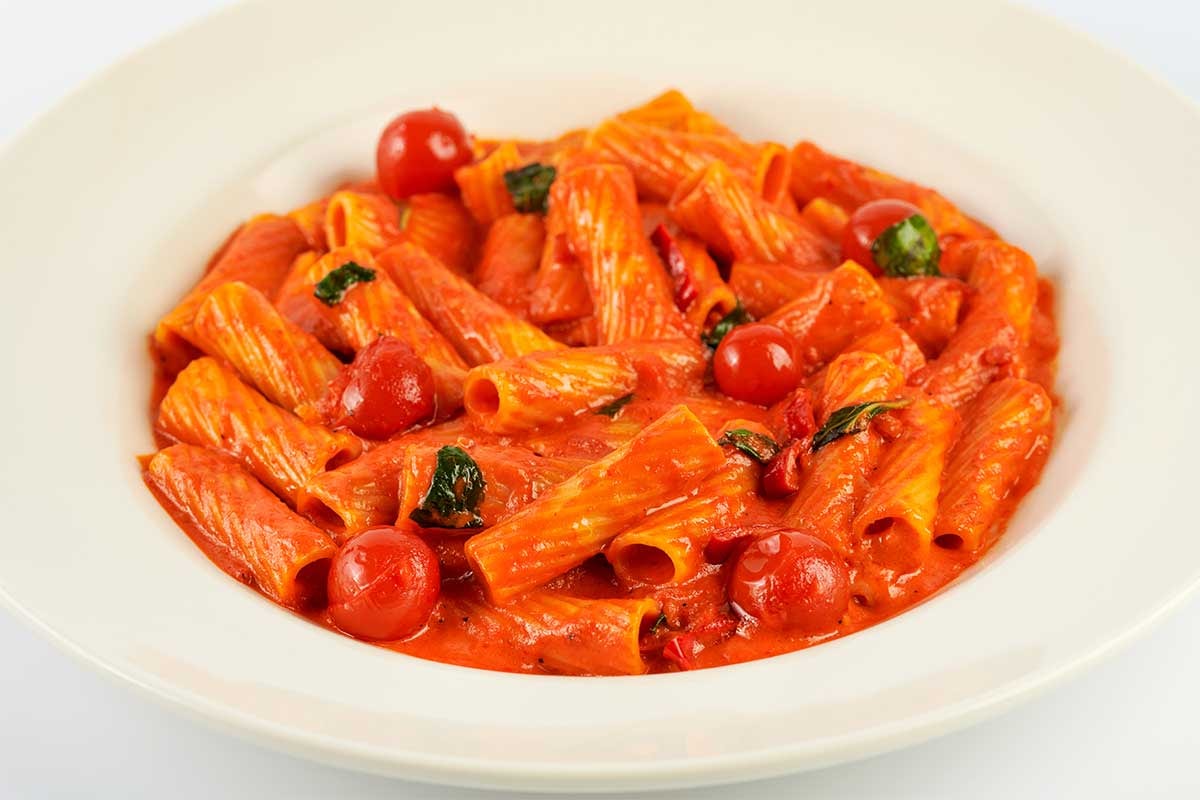
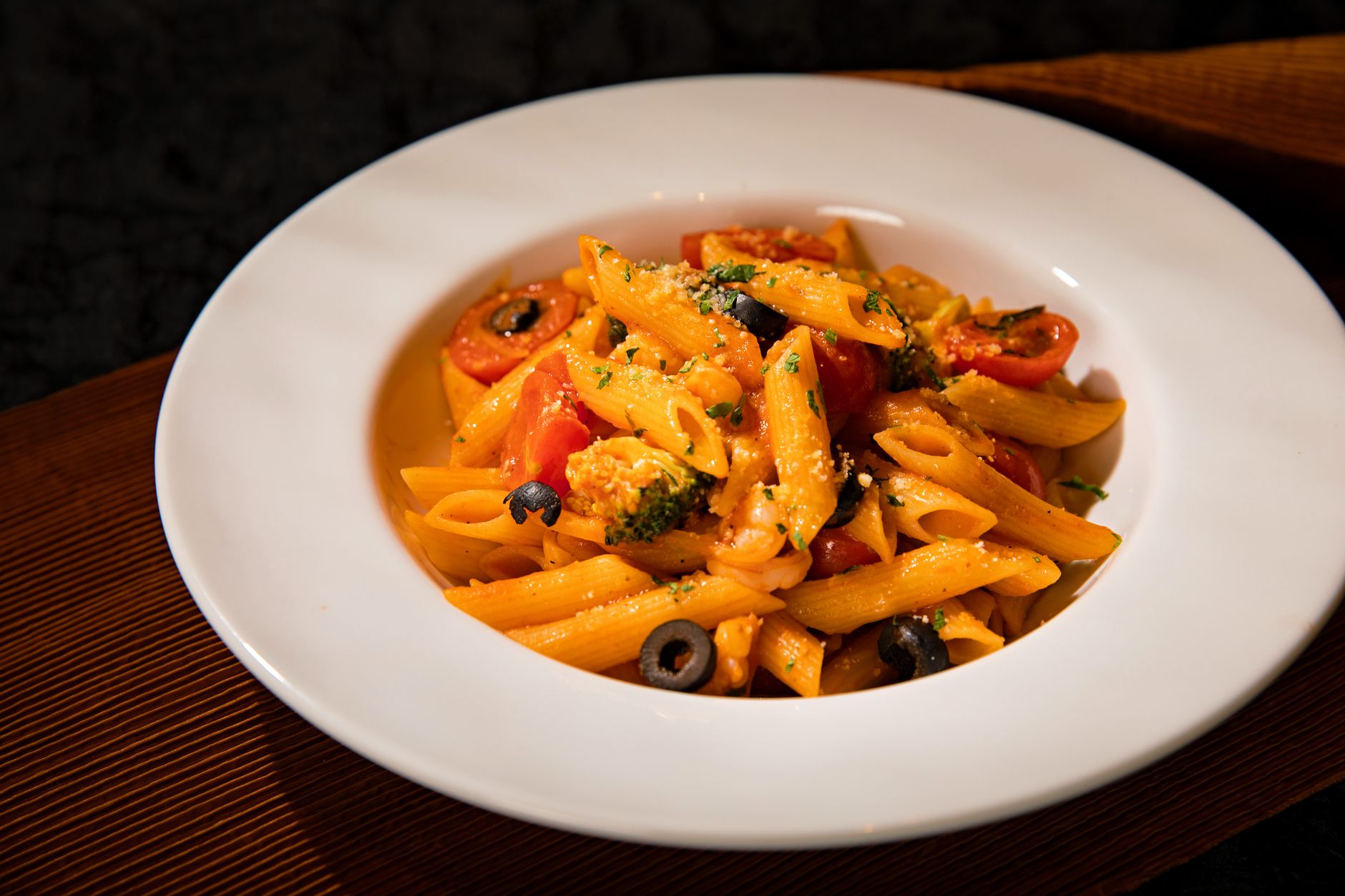
The sauce turns glossy and coral-colored as the tomato, cream, vodka, and Parmesan come together. It clings beautifully to the ridges of penne, so every bite tastes rich without needing complicated techniques.
Penne With Vodka Sauce Recipe combines al dente pasta with a smooth tomato sauce enriched with cream, Parmesan, and a small amount of vodka. The vodka helps round out the tomato flavor, while pasta water loosens the sauce into a silky coating. The complete dish takes about 35 minutes.
I like this version because it uses pantry-friendly ingredients and cooks in one main skillet while the pasta boils. The sauce has a gentle tang, a creamy finish, and enough acidity to keep the dish from feeling heavy. Serve it on a weeknight, or add a simple salad when friends come over.

Health Benefits & Nutrition
This is a comforting pasta meal rather than a low-calorie dish, but it still provides useful nutrients from several everyday ingredients.
- Tomatoes provide vitamin C and lycopene. Crushed tomatoes add color, acidity, and plant nutrients to the sauce.
- Penne supplies carbohydrates for energy. Cooking it al dente also gives the dish a pleasantly firm texture.
- Parmesan and cream contribute protein and calcium. Parmesan brings concentrated savory flavor, so a modest amount goes a long way.
- Olive oil adds unsaturated fat. It helps carry the flavors of garlic, onion, and tomato through the sauce.
With the listed ingredients, one serving provides approximately 650 calories, 22 grams of protein, 85 grams of carbohydrates, and 22 grams of fat. Actual values vary with the brand of pasta, the amount of cream, and how much sauce each person receives.
Vodka is simmered in the sauce, but cooking does not guarantee that all alcohol disappears. For children, pregnancy, alcohol avoidance, or medical reasons, use a vodka-free tomato cream sauce instead. Anyone managing a specific condition or dietary restriction should ask a doctor or registered dietitian for individual guidance. The recipe contains dairy and gluten unless you use suitable alternatives.
Ingredients & Preparation
Recipe Card
| Prep time | Cook time | Total time | Servings | Calories (approx) | Diet tags |
|---|---|---|---|---|---|
| 15 minutes | 20 minutes | 35 minutes | 4 | 650 per serving | Vegetarian; contains dairy and gluten |
Full Ingredient List
- 1 pound penne pasta
- 2 tablespoons extra-virgin olive oil
- 1 small yellow onion, finely diced
- 3 garlic cloves, minced
- 1 can (28 ounces) crushed tomatoes
- 1/2 cup vodka
- 1/2 cup heavy cream, at room temperature
- 1/2 cup finely grated Parmesan cheese, plus more for serving
- 1 teaspoon fine sea salt, plus 1 tablespoon for the pasta water
- 1/2 teaspoon freshly ground black pepper
- 1/4 teaspoon red pepper flakes, optional
- 1/4 cup fresh basil leaves, thinly sliced
- 1 cup reserved pasta water, as needed
Equipment Needed
- Large pot for boiling the pasta
- Large, heavy skillet or sauté pan
- Wooden spoon or heatproof spatula
- Colander
- Fine grater for the Parmesan
- Ladle or heatproof measuring cup for pasta water
Tips for Choosing Quality Ingredients
Choose crushed tomatoes with a short ingredient list and no strong added seasoning. A good can should smell fresh and tomato-like when opened, not metallic or overly sweet. San Marzano-style tomatoes work well, but any reputable crushed tomato will make a tasty sauce.
Use freshly grated Parmesan rather than shelf-stable pre-grated cheese. Freshly grated cheese melts more smoothly and gives the sauce a cleaner, nuttier flavor. A medium or heavy cream is best here; milk does not provide enough richness and can make the sauce thin.
Pick a ridged pasta shape. Penne rigate holds sauce in its grooves, while smooth penne tends to let more of the sauce slide off. Use a vodka you would be comfortable drinking, but there is no need to buy an expensive bottle.

Step-by-Step Instructions
1. Start the pasta water and aromatics
Bring 4 quarts of water to a rolling boil over high heat. Add 1 tablespoon salt. While the water heats, warm the olive oil in a large skillet over medium heat for 1 minute. Add the diced onion and cook for 4 minutes, stirring twice, until softened and translucent. Add the garlic and red pepper flakes, if using, and cook for 30 seconds.
2. Build and reduce the tomato-vodka sauce
Pour the crushed tomatoes and vodka into the skillet. Stir in 1/2 teaspoon salt and the black pepper. Raise the heat to medium-high until the sauce begins to bubble, then reduce it to medium-low. Simmer uncovered for 8 minutes, stirring every 2 minutes. The sauce should look slightly thickened, and the sharp raw-vodka aroma should soften.
3. Cook the penne until al dente
Add the penne to the boiling salted water and cook according to the package directions, usually 9 to 11 minutes. Stir during the first minute so the tubes do not stick together. Cook until the center still offers a small, firm bite. Before draining, reserve 1 cup of the pasta water.
4. Add cream and Parmesan gently
Reduce the skillet heat to low. Stir in the room-temperature cream and simmer for 2 minutes, but do not let the sauce boil vigorously. Add the Parmesan in three additions, stirring after each one until melted. The sauce should be smooth and salmon-orange. The first time I made this, I added cold cream straight from the refrigerator and the sauce tightened suddenly; room-temperature cream blends much more evenly.
5. Toss, loosen, and finish the pasta
Add the drained penne to the skillet and toss over low heat for 2 minutes. Add reserved pasta water 2 tablespoons at a time until the sauce coats the pasta without pooling at the bottom. Stir in the basil, taste, and adjust the salt. Serve immediately with extra Parmesan and black pepper.

Variations & Substitutions
- Vodka-free sauce: Replace the 1/2 cup vodka with 1/2 cup water or unsalted vegetable broth. The sauce will still be creamy and flavorful, though it will have a slightly more straightforward tomato taste.
- Spicy penne: Increase the red pepper flakes from 1/4 teaspoon to 1/2 or 1 teaspoon. Add them with the garlic so their flavor blooms in the olive oil.
- Protein-rich version: Stir in 1 cup cooked shredded chicken or 8 ounces cooked Italian sausage after the cream and Parmesan have been incorporated. Reduce the pasta to 12 ounces if you want a saucier result.
- Lighter cream sauce: Use 1/3 cup heavy cream plus 1/3 cup extra pasta water. The sauce will be less rich but will still cling well when finished with Parmesan.
- Dairy-free option: Replace the heavy cream with 1/2 cup unsweetened, unflavored cashew cream and the Parmesan with 3 tablespoons nutritional yeast. Check labels carefully if you need to avoid dairy completely.
- Gluten-free option: Use 1 pound gluten-free penne. Begin checking it 2 minutes before the package’s suggested cooking time because some gluten-free pastas soften quickly.
For a vegetable-forward meal, add 2 cups baby spinach during the final minute of tossing. You can also fold in 1 cup roasted mushrooms, though I prefer cooking them separately so they brown instead of steaming in the sauce.
Storage & Shelf Life
Refrigerate leftover pasta within 2 hours of cooking. Store it in a shallow airtight container for up to 3 days. The pasta will absorb some sauce as it sits, so the leftovers will be thicker than the freshly cooked dish.
Reheat one portion in a skillet over low heat with 1 to 2 tablespoons water, milk, or broth. Stir frequently for 4 to 6 minutes, just until hot. Avoid high heat, which can make the cream sauce oily and cause the Parmesan to clump.
For best texture, freeze the sauce separately from the pasta. Cool the sauce completely, transfer it to a freezer-safe container, and freeze for up to 2 months. Thaw it overnight in the refrigerator, then warm it gently and boil fresh penne. You can freeze the assembled dish for up to 1 month, but the pasta will be softer after thawing.
Discard leftovers if they smell sour, develop mold, become unusually slimy, or show separation that does not improve with gentle reheating. When in doubt, do not taste food to test whether it is safe.
Pro Tips
- Use pasta water as a finishing ingredient. The starchy water helps emulsify the cream, cheese, tomato, and oil into a smoother sauce. Add it gradually rather than pouring in the full cup.
- Do not boil after adding Parmesan. High heat can make the cheese seize and create a grainy texture. Low heat and steady stirring give the smoothest finish.
- Grate the cheese finely. Small shreds melt quickly and distribute evenly. Thick curls can remain in clumps, especially if the sauce is not hot enough.
- Give the vodka enough time to cook. Eight minutes of simmering takes away the harsh alcohol edge while leaving a rounded tomato flavor. The sauce should smell savory rather than strongly alcoholic.
- Finish the pasta in the sauce. Draining and serving plain pasta with sauce spooned over it does not create the same coating. Two minutes of tossing lets the penne absorb flavor.
- Prevent tomato stains. Use a stainless-steel or dark-colored skillet, and wipe splashes promptly with a damp cloth. Tomato sauce can discolor light plastic containers, so glass is a better storage choice.
- Balance richness at the end. If the finished sauce tastes flat, add a pinch of salt first. If it feels too rich, add a teaspoon of pasta water and a little extra black pepper before reaching for more cheese.
Questions & Answers
When is the best time to eat Penne With Vodka Sauce Recipe?
The best time to eat this dish is immediately after it is tossed with the sauce. Freshly cooked penne has the firmest texture, and the sauce is at its glossiest before the pasta absorbs too much moisture. Serve it as a main course for lunch or dinner with a green salad or roasted vegetables.
Can I make the vodka sauce ahead of time?
Yes, you can make the sauce up to 3 days ahead and refrigerate it in an airtight container. Cool it promptly, then reheat it over low heat with a splash of water or broth. Boil the penne just before serving, since pasta stored in sauce becomes softer over time.
Does the vodka sauce taste strongly of alcohol?
No, the finished sauce should not taste strongly alcoholic after an 8-minute simmer. Vodka adds a subtle warmth and helps round the tomato flavor, but the sharp aroma should fade before the cream is added. If the sauce still smells harsh, simmer it for another 2 minutes before continuing.
Can I use milk instead of heavy cream?
Milk can be used, but the sauce will be thinner and less rich. For a closer substitute, use 1/3 cup whole milk mixed with 2 tablespoons cream cheese, then add it over low heat. Do not boil the mixture, and use pasta water carefully so the sauce does not become watery.
Why did my sauce turn grainy?
A grainy sauce usually comes from adding Parmesan over high heat or using coarsely grated cheese. Lower the skillet to low before adding the cheese, then stir it in gradually. Freshly grated Parmesan melts more reliably than packaged pre-shredded cheese, which may contain anti-caking ingredients.
Can I use another pasta shape?
Yes, you can replace penne with rigatoni, ziti, fusilli, or shells using the same weight. Ridged tubes and spirals hold the sauce especially well. Adjust the boiling time according to the package and reserve pasta water because different shapes release slightly different amounts of starch.
What can I serve with creamy tomato pasta?
Serve it with a crisp green salad, steamed broccoli, roasted zucchini, or garlic bread. For another Italian-inspired meal, try our Caponata agrodolce sweet and sour recipe 1945725. Its sweet-tangy vegetables provide a pleasant contrast to the creamy pasta.
More Recipes You Will Love
If you enjoy tomato-based pasta with bold savory additions, try Pasta with tomatoes salami and smoked mozzarella 3562016. Smoked mozzarella gives that dish a deeper flavor, while juicy tomatoes keep it bright.
For a vegetable-centered side or light main course, the Caponata agrodolce sweet and sour recipe brings eggplant, tangy vinegar, and gentle sweetness to the table. It is especially good beside simple pasta when you want more color and texture.
You can also turn this recipe into a fuller family meal with roasted vegetables or a simple arugula salad. Keep the sides lightly seasoned so the creamy tomato sauce remains the focus.
Conclusion
This Penne With Vodka Sauce Recipe is a reliable way to make a creamy Italian-style pasta dinner in about 35 minutes. Simmer the tomato and vodka mixture long enough to soften its sharp edge, add the cream and Parmesan over low heat, and finish the penne with pasta water for a smooth coating. If you make it, share how you adjusted the spice or rate the recipe so other cooks can enjoy your notes.
FAQs
When is the best time to eat Penne With Vodka Sauce Recipe?
Penne With Vodka Sauce Recipe is best served as a weeknight dinner or a main course for guests, freshly made while the pasta is hot. The sauce is at its silkiest right after it is tossed with the penne and pasta water. Pair it with a simple green salad and crusty bread for a balanced meal, especially when you want a comforting dish that comes together in about 35 minutes.
Can I make Penne With Vodka Sauce Recipe without alcohol?
Yes. Replace the 1/2 cup of vodka with an equal amount of low-sodium vegetable broth or extra pasta water, and add a small squeeze of lemon for brightness. The sauce will taste slightly less sharp, but it still delivers creamy tomato flavor. This version suits children, pregnant people, and anyone avoiding alcohol for personal or medical reasons.
How do you store and reheat Penne With Vodka Sauce Recipe?
Store leftovers in an airtight container in the refrigerator for up to 3 days. Reheat them in a skillet over medium-low heat with a splash of water, milk, or broth, stirring until hot. Pasta absorbs sauce overnight, so the added liquid restores a smooth, glossy texture.
Why is my Penne With Vodka Sauce Recipe too thick or grainy?
A thick sauce usually means it has reduced too much, while a grainy texture often comes from adding Parmesan over high heat. Stir in reserved pasta water a few tablespoons at a time over low heat to loosen it. Remove the pan from the heat before stirring in the cheese for a smoother finish.
Is Penne With Vodka Sauce Recipe gluten-free?
No, not as written, because standard penne is made from wheat. To make it gluten-free, use penne labeled gluten-free and check that your crushed tomatoes and Parmesan are free of added gluten-containing ingredients. Cook the pasta in plenty of water and drain it well so the sauce clings properly.