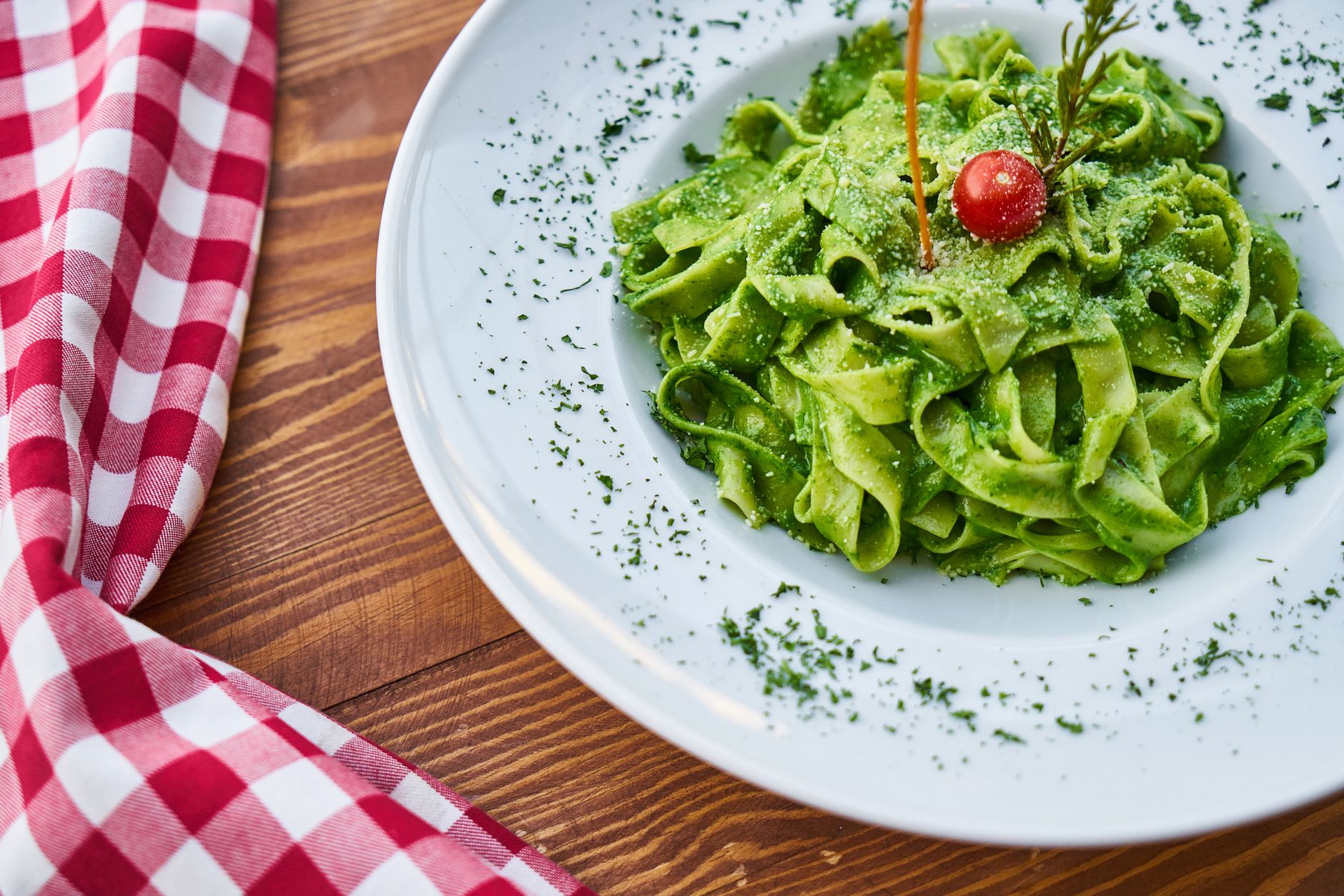
Why Orecchiette with Truffle-Asparagus Pesto?
Imagine a dish that captures the vibrant green of spring vegetables, the earthy aroma of truffle, and the satisfying bite of tender orecchiette pasta. Orecchiette with truffle-asparagus pesto brings all these elements together, delivering a flavor-packed meal that’s both elegant and approachable. This dish offers a delightful balance between the creamy, nutty cheese and the fresh, bright notes from asparagus and lemon. Perfect for a quick weeknight dinner or a special occasion, this recipe highlights seasonal produce with an upscale twist, making your taste buds sing.
Health Benefits & Nutrition
This pasta dish is not only indulgent but also packs several nutritional perks. Asparagus is rich in antioxidants like vitamins A and C, which help fight inflammation and support immune function (Harvard T.H. Chan School of Public Health). It also provides folate, critical for cell function and especially important during pregnancy.
Hazelnuts contribute heart-healthy fats and protein, along with vitamin E, which supports skin health and protects against oxidative stress. The combination of olive oil and nuts delivers monounsaturated fats that can lower harmful LDL cholesterol.
Finally, the addition of pecorino and parmesan cheese adds calcium and protein but should be enjoyed in moderation due to their saturated fat content. If you have nut allergies, substitute hazelnuts with pumpkin seeds or walnuts, keeping in mind the potential allergen considerations.
Ingredients & Preparation
Recipe Card
| Prep Time | 15 minutes |
|---|---|
| Cook Time | 15 minutes |
| Total Time | 30 minutes |
| Servings | 4 to 6 servings |
| Calories (per serving) | 576 kcal |
| Diet Tags | Vegetarian |
Full Ingredient List
- 1 bunch medium asparagus, trimmed
- 1 clove garlic
- 1/4 cup blanched hazelnuts
- 1/2 cup fresh basil leaves
- 1/2 cup fresh chervil leaves (or parsley if unavailable)
- 1/2 cup extra-virgin olive oil, plus extra for drizzling
- 1/3 cup grated truffle pecorino cheese, plus more for topping
- 1/4 cup grated parmesan cheese
- Zest and juice of 1 lemon
- Kosher salt
- Freshly ground black pepper
- 1 pound orecchiette pasta
- 2 tablespoons unsalted butter, cut into pieces
Equipment Needed
- Large pot for boiling pasta and asparagus
- Large bowl with ice water
- Slotted spoon
- Food processor
- Large skillet or sauté pan
- Measuring cups and spoons
- Microplane or grater for zest and cheese
Tips for Choosing Quality Ingredients
- Choose fresh, firm asparagus stalks with closed tips for vibrant flavor and texture.
- Look for high-quality extra-virgin olive oil labeled cold-pressed to ensure robust, fruity notes.
- Buy freshly grated cheeses or block cheese to grate yourself for optimal flavor and texture.
- Opt for organic hazelnuts or those processed without additives to enhance the pesto’s nutty aroma.
- Prefer fresh herbs picked within 24 hours for the brightest, herbal taste.
Step-by-Step Instructions
Step 1: Blanch Asparagus and Garlic (10 minutes)
Bring a large pot of salted water to a rolling boil over high heat. Add the asparagus and garlic clove, cooking them until asparagus is crisp-tender, about 2 minutes. Remove both with a slotted spoon and immediately plunge into a large bowl of ice water to halt cooking. After cooling, drain and pat dry. Trim off the tips and set them aside. Roughly chop the remaining asparagus stems for the pesto.
Step 2: Toast and Chop Hazelnuts (7 minutes)
Heat a dry skillet over medium-high heat. Add the hazelnuts and toast, stirring frequently, until golden brown and fragrant, about 5 minutes. Transfer to a plate and allow to cool slightly. Pulse them in a food processor until coarsely chopped—do not over-process to keep some texture.
Step 3: Prepare the Truffle-Asparagus Pesto (8 minutes)
To the food processor with chopped hazelnuts, add the asparagus stems and softened garlic clove. Pulse several times to combine and begin breaking down the ingredients. Add the basil and chervil leaves. While the motor runs on low, slowly drizzle in the olive oil until the mixture becomes smooth and creamy. Add the truffle pecorino, parmesan, lemon zest, lemon juice, 1 teaspoon salt, and a few grinds of black pepper, pulsing just to combine evenly.
Step 4: Cook Orecchiette (as per package instructions)
Return the large pot of salted water to a boil. Add the orecchiette pasta and cook according to the package directions for al dente, usually around 10–12 minutes. Before draining, scoop out 3/4 cup of the pasta cooking water and set aside. Drain the pasta in a colander and return it to the pot.
Step 5: Combine and Finish (5 minutes)
Add the prepared pesto, butter pieces, and asparagus tips to the hot pasta in the pot. Set the heat to low and gently toss, adding reserved pasta water gradually to loosen the sauce and help it coat the pasta evenly. Season with additional salt and pepper if needed. Serve immediately, drizzling with extra olive oil and a generous sprinkle of truffle pecorino cheese on top.

Variations & Substitutions
- Nut-Free Version: Replace hazelnuts with toasted sunflower seeds or omit nuts entirely. The pesto will have a smoother texture but retain its vibrant flavor.
- Herb Swap: If chervil is unavailable, substitute with fresh flat-leaf parsley or tarragon for a slightly different herbal note.
- Dairy-Free Option: Skip the cheeses and butter, adding nutritional yeast for a cheesy flavor and use extra olive oil for creaminess.
- Pasta Alternatives: Use casarecce, fusilli, or penne if orecchiette is unavailable; these shapes hold the pesto well.
Storage & Shelf Life
Store leftover pasta and pesto separately for best results. Refrigerate cooked pasta in an airtight container for up to 3 days. The pesto can be kept chilled, covered tightly, for up to 5 days. To prevent discoloration, drizzle a thin layer of olive oil over the pesto’s surface before sealing.
If freezing, place the pesto in a freezer-safe jar or container, leaving some headspace, and freeze for up to 2 months. Thaw overnight in the refrigerator and stir well before use. Pasta is best freshly cooked, but you can freeze leftovers up to 1 month. Reheat gently in a skillet with a splash of water or olive oil.
Signs of spoilage include sour smell, discoloration, or mold. Discard immediately if any of these are noticed.
Pro Tips
- Toast hazelnuts just until fragrant to unlock their essential oils; over-toasting brings bitterness.
- Reserve pasta cooking water carefully—it contains natural starches that help bind and emulsify the pesto for creamy coating.
- When blending pesto, pulse rather than puree continuously. This preserves a rustic texture and prevents overheating the herbs.
- For an extra pop of freshness, add a squeeze of lemon juice right before serving to brighten the flavors.
- Use a high-quality truffle pecorino or infuse your own cheese with truffle oil for added luxe aroma.
When is the best time to eat Orecchiette With Truffle Asparagus Pesto?
This dish shines in spring when asparagus is at its peak freshness and flavor. It’s perfect for a cozy dinner or a light lunch, especially when you‘re craving something herbaceous with a touch of luxury. Serve it when you want to impress without spending hours in the kitchen.
Can I prepare the pesto ahead of time?
Yes, you can make the pesto up to two days ahead. Store it in an airtight container with olive oil on top. Stir well before using. Freshly cooked pasta is recommended to maintain texture and flavor.
Is truffle pecorino cheese essential?
While truffle pecorino adds a distinctive earthy aroma, you can use regular pecorino or a mix of parmesan and a hint of truffle oil to mimic the flavor if unavailable.
Can I use frozen asparagus?
Frozen asparagus can substitute in a pinch but tends to be softer and less vibrant. Thaw and pat dry before blanching to prevent excess water from diluting the pesto.
What if I don’t have chervil?
Flat-leaf parsley or fresh tarragon are great alternatives, offering a slightly different but equally fresh herbal profile.
How do I store leftover pesto?
Place leftover pesto in a jar, smooth the surface, and pour a thin layer of olive oil on top. Seal and refrigerate. Use within five days for the best flavor.
Can this recipe be made vegan?
Absolutely. Replace cheeses with nutritional yeast and use olive oil instead of butter. The pesto remains creamy and delicious with these adjustments.
What wine pairs well with this dish?
A crisp, dry white wine like Pinot Grigio or Sauvignon Blanc complements the fresh asparagus and herbal notes beautifully without overpowering the delicate truffle flavor.

More Recipes You Will Love
If you enjoy the fresh flavors of this pasta, you might also like some hearty Italian classics. Soppressata sandwiches offer rich, savory layers perfect for a casual lunch. For colder days, comfort yourself with a bowl of meatball tortellini soup, heartwarming and packed with robust taste.
Both recipes share a focus on bold, authentic ingredients that bring Italian cuisine to life in your kitchen. Exploring them can help you build a versatile and impressive repertoire of easy Italian meals.
Conclusion
Orecchiette with truffle-asparagus pesto is a sublime dish that blends seasonal freshness with indulgent umami. Its creamy texture and bright, herbaceous notes promise a memorable meal that’s simple to prepare. Whether for an intimate dinner or sharing with friends, this recipe invites you to savor the taste of spring with every bite. Feel free to share your thoughts, tips, or favorite tweaks in the comments below. Your feedback helps everyone enjoy this vibrant Italian classic even more.
FAQs
When is the best time to eat Orecchiette With Truffle Asparagus Pesto?
The best time to eat Orecchiette With Truffle Asparagus Pesto is during spring and early summer when fresh asparagus is in season, ensuring vibrant flavor and texture. It’s ideal for a special dinner or a quick, elegant weeknight meal.
Can I substitute hazelnuts if I have nut allergies?
Yes, if you have nut allergies, you can substitute hazelnuts with pumpkin seeds or walnuts. Be cautious of individual allergies and adjust quantities to maintain the pesto’s rich texture and flavor.
What type of pasta works best with truffle-asparagus pesto?
Orecchiette pasta is ideal because its ear-like shape holds the pesto sauce well. However, other mediums like fusilli or penne can also work if you want a different texture or shape.
How can I store leftovers of this pesto pasta dish?
Store leftover Orecchiette With Truffle Asparagus Pesto in an airtight container in the refrigerator for up to 2 days. Reheat gently to preserve flavor, adding a splash of olive oil or pasta water if needed.
Is this recipe suitable for vegetarians?
Yes, this recipe is vegetarian as it contains no meat or animal-derived rennet in the cheeses. Always check cheese labels to confirm they meet vegetarian standards if this is a dietary concern.