Why Onion And Pepper Pork Chops
The skillet fills with the sweet smell of onions, roasted peppers, and sizzling garlic before dinner is even ready.
Onion And Pepper Pork Chops are thick, pan-seared pork chops finished with tender bell peppers, onions, garlic, pepperoncini, and a light chicken-broth sauce. The pork cooks in one skillet, while garlic butter bread turns golden under the broiler. The result is a hearty meal with bright, tangy flavor and very little cleanup.
I like this recipe because the vegetables do more than sit beside the pork. They soften in the browned bits left in the skillet, then absorb the pepperoncini brine and broth. Serve everything with the crisp garlic bread so none of the savory pan juices go to waste.

Health Benefits & Nutrition
This is a filling dinner with a useful mix of protein, vegetables, and carbohydrates. The exact nutrition depends on the size of the pork chops, the bread, and how much sauce reaches each plate.
- Protein for a satisfying meal: Pork chops provide substantial protein, which helps make this dish filling and substantial.
- Colorful vegetables: Red and green bell peppers contribute fiber, vitamin C, and natural sweetness. Onions add more fiber and aromatic flavor.
- Moderate added seasoning: Low-sodium broth and a small amount of pepperoncini brine bring flavor without needing a large quantity of extra salt. Taste the sauce before adding more seasoning.
- Useful cooking fat: Olive oil and butter help brown the meat and carry the garlic and pepper flavors through the sauce. The bread makes the meal more substantial but also adds calories.
The nutrition estimate is approximately 690 calories per serving, with about 52 grams of protein, 20 grams of carbohydrates, and 44 grams of fat. These figures include one pork chop and one-quarter of the garlic bread. For personal dietary needs, allergies, pregnancy-related questions, or medical conditions, ask a qualified doctor or registered dietitian.
Ingredients & Preparation
Recipe Card
| Prep time | 15 minutes |
|---|---|
| Cook time | 20 minutes |
| Total time | 35 minutes |
| Servings | 4 |
| Calories | Approximately 690 per serving |
| Diet tags | High-protein, nut-free |
Full ingredient list
- 4 thick center-cut pork chops, about 8 ounces each
- 2 tablespoons all-purpose flour
- 1 1/2 teaspoons kosher salt, divided
- 1/2 teaspoon freshly ground black pepper, divided
- 3 tablespoons extra-virgin olive oil, divided
- 1 green bell pepper, thinly sliced
- 1 red bell pepper, thinly sliced
- 1 large yellow onion, thinly sliced
- 4 garlic cloves, 2 finely chopped and 2 finely grated
- 2 pepperoncini, chopped
- 2 tablespoons pepperoncini brine
- 1 cup low-sodium chicken broth
- 4 tablespoons unsalted butter, softened
- 1 loaf Italian bread, split lengthwise
- 2 tablespoons fresh parsley, roughly chopped
Equipment needed
- Large oven-safe skillet or large frying pan
- Small bowl for the garlic butter
- Instant-read thermometer
- Tongs
- Rimmed baking sheet
- Sharp knife and cutting board
Tips for choosing quality ingredients
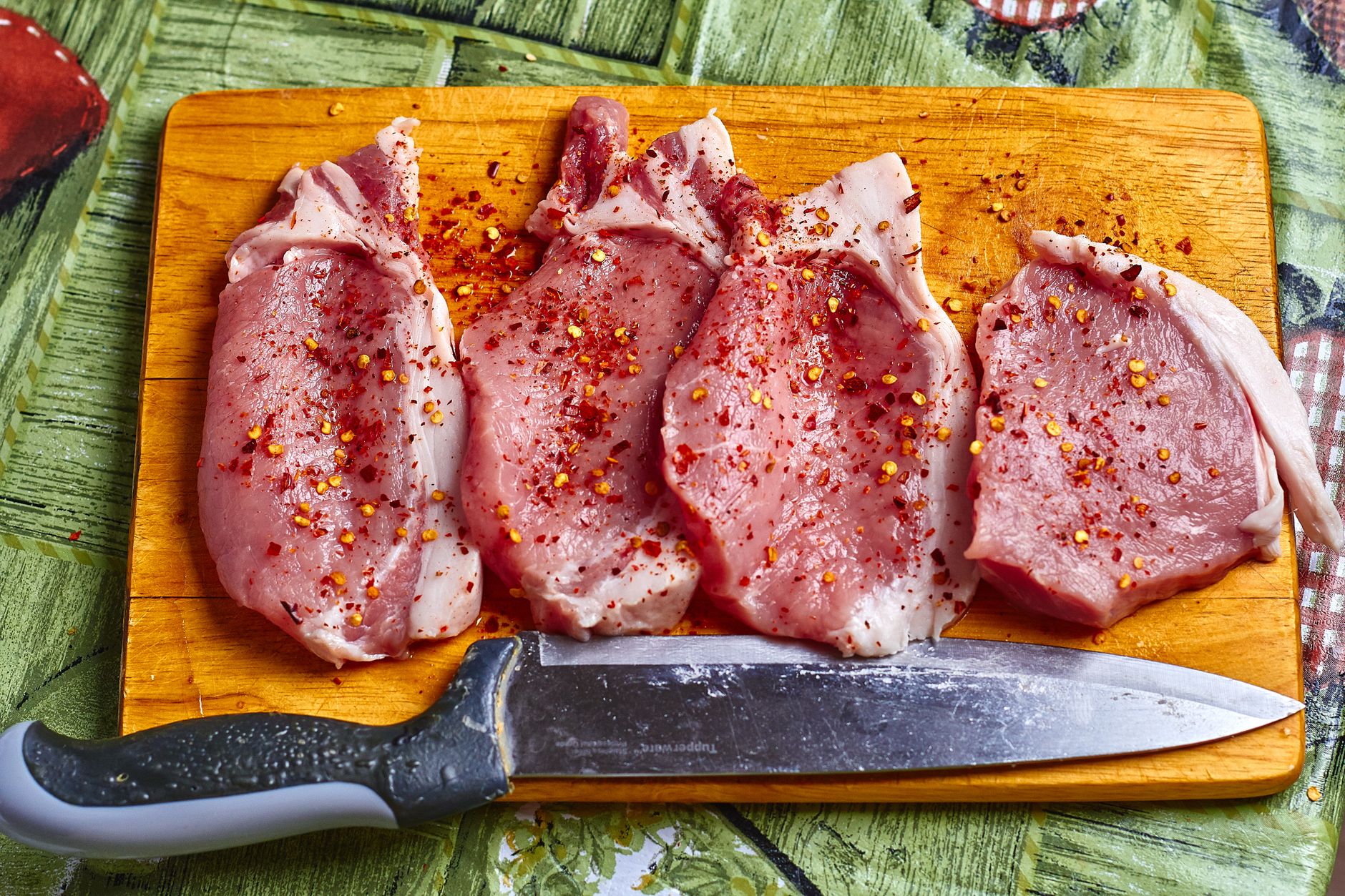
Choose pork chops with some marbling and an even thickness. Very lean chops can dry out before the vegetables are ready. Center-cut chops around 1 to 1 1/2 inches thick are easiest to sear and finish gently in the sauce.
Use firm bell peppers with glossy skin and no soft spots. A yellow or orange pepper can replace the green one, but the green pepper gives the skillet a slightly more savory flavor. Select a sweet yellow onion rather than a small sharp onion, since it softens into the sauce.
Use low-sodium broth because pepperoncini brine varies in saltiness between brands. I also prefer a crusty Italian loaf. Soft sandwich bread absorbs the butter too quickly and does not provide enough crunch for the pan juices.
For extra savory depth in future meals, you can also keep a homemade Vegetable seasoning powder recipe in the pantry. Use it sparingly here, since the broth and brine already season the dish.
Step-by-Step Instructions
Step 1: Season and sear the pork for 6 minutes
Pat the pork chops dry with paper towels. Dust both sides with the flour, then season with 1 teaspoon kosher salt and 1/4 teaspoon black pepper. Heat 2 tablespoons olive oil in a large skillet over high heat until the oil shimmers. Add the chops and sear for 4 minutes on the first side. Turn them and cook for 2 minutes more. Move the pork to a plate.
The first time I made this, I moved the chops too soon and lost the browned crust. Leave them undisturbed until the underside releases easily and looks deep golden. The pork does not need to be fully cooked at this stage.
Step 2: Soften the peppers, onion, and garlic for 10 minutes
Reduce the skillet to medium-high heat and add the remaining 1 tablespoon olive oil. Add the sliced bell peppers, onion, chopped garlic, pepperoncini, remaining 1/2 teaspoon salt, and remaining 1/4 teaspoon black pepper. Cook for 10 minutes, stirring every 2 minutes.
The vegetables are ready when the onion is translucent, the peppers bend easily, and the garlic smells sweet rather than sharp. Keep the heat high enough to encourage light browning, but lower it slightly if the garlic begins to darken.
Step 3: Build the pan sauce and finish the pork for 5 minutes
Pour in the pepperoncini brine and chicken broth. Scrape the browned bits from the bottom of the skillet with a wooden spoon. Return the pork chops and any juices to the pan. Reduce the heat to medium-low and simmer for 5 minutes, turning the chops once halfway through.
Check the thickest part of each chop with an instant-read thermometer. Remove the pork when it reaches 145°F, then let it rest for at least 3 minutes. The sauce should be slightly reduced, and the vegetables should look glossy rather than watery.
Step 4: Prepare the garlic bread for 2 minutes
While the pork cooks, preheat the broiler to high. Stir the softened butter, grated garlic, and a pinch of salt together in a small bowl. Spread the mixture over the cut sides of the Italian bread and place it on a rimmed baking sheet.
Step 5: Broil, slice, and serve for 2 minutes
Broil the bread 4 to 6 inches from the heat for about 1 minute, watching continuously. Remove it as soon as the edges are crisp and the surface is lightly golden. Slice the bread, scatter the parsley over the pork and vegetables, and serve immediately with the pan sauce.
Broilers vary greatly, so do not walk away during this step. In my oven, the bread goes from pale to burned in less than a minute when placed too close to the element.
Variations & Substitutions
- Use boneless chops: Replace the thick bone-in or center-cut chops with four boneless chops weighing 6 to 7 ounces each. Sear for 3 minutes per side, then simmer for 3 to 4 minutes, checking for 145°F.
- Make it dairy-free: Replace the 4 tablespoons butter with 3 tablespoons olive oil or a dairy-free butter substitute. The bread will still toast, though it may have a slightly less creamy garlic flavor.
- Use gluten-free ingredients: Swap the all-purpose flour for an equal amount of gluten-free all-purpose flour or rice flour. Serve with gluten-free bread, and check the broth label for gluten-containing ingredients.
- Add mushrooms: Cook 8 ounces of sliced mushrooms with the peppers and onions. Add 2 extra minutes of cooking time so their moisture evaporates before the broth goes in.
- Increase the heat: Use 3 pepperoncini instead of 2, or add 1/4 teaspoon crushed red pepper. Do not add extra brine and extra pepperoncini at the same time unless you taste the sauce first.
- Make a lighter plate: Serve half a loaf of garlic bread and add a simple green salad or steamed green beans. Keep the pork and vegetable quantities unchanged.
For a sharper side dish, Quick pickled chile orange fennel 13213897 adds acidity and crunch beside the rich pork and buttery bread.
Storage & Shelf Life
Store cooled pork, vegetables, and sauce in an airtight container in the refrigerator for up to 3 days. Keep the garlic bread separate so it does not become soggy. Refrigerate the bread in a sealed bag and use it within 2 days.
To reheat, place the pork and vegetables in a covered skillet over medium-low heat with 1 to 2 tablespoons of broth or water. Warm for 5 to 8 minutes, turning the pork once. Heat only until hot, since repeated cooking can make thick pork chops tough.
You can freeze the cooked pork and vegetables for up to 2 months, although the peppers will be softer after thawing. Cool completely, divide into freezer-safe containers, and leave a little space for expansion. Thaw overnight in the refrigerator, then reheat gently. Freeze the bread separately only if needed.
Discard the leftovers if they smell sour, develop a sticky surface, show mold, or have been left at room temperature for more than 2 hours. When in doubt, do not taste food to test its safety.
Pro Tips
- Dry the chops thoroughly: Surface moisture creates steam and delays browning. Patting the meat dry gives the flour a better chance to form a thin, crisp coating.
- Use the same skillet: The browned bits from the pork dissolve into the broth and brine. A clean pan will produce a lighter, less savory sauce.
- Slice vegetables evenly: Cut peppers into strips about 1/4 inch thick and onions into similar-width slices. Uneven pieces leave some vegetables raw while others become too soft.
- Do not drown the sauce: One cup of broth is enough to loosen the fond and finish the pork. Adding more can leave the vegetables watery and dilute the pepperoncini flavor.
- Grate garlic for the bread: Grated garlic disperses through the butter more evenly than chopped garlic. It also releases enough flavor during the brief broiling time.
- Watch the brine balance: Pepperoncini brine is both salty and acidic. Add the full 2 tablespoons for a bright sauce, but taste before adding extra salt at the table.
- Rest before slicing: A short rest keeps the juices inside the chop. Cutting immediately can leave flavorful juices on the cutting board instead of in each serving.
Questions & Answers
When is the best time to eat Onion And Pepper Pork Chops?
The best time to eat Onion And Pepper Pork Chops is immediately after cooking, while the pork is tender and the garlic bread is crisp. Serve the chops with the vegetables and spoon the pan sauce over the top. If preparing ahead, store the components separately and reheat the pork gently.
What temperature should pork chops reach?
Pork chops should reach an internal temperature of 145°F in the thickest part, followed by at least a 3-minute rest. Insert the thermometer from the side rather than touching the bone or skillet. Begin checking before the recipe’s final minute because chop thickness and pan temperature can vary.
Can I make this recipe without flour?
Yes, you can skip the flour, although the pork will have a slightly less crisp surface. Pat the chops dry, season them directly, and sear them in the hot oil. The sauce will be thinner because flour helps lightly thicken the broth, but the vegetables and pepperoncini still provide plenty of flavor.
Why are my pork chops tough?
Pork chops are usually tough because they were overcooked or cut too thin for the cooking time. Use thick chops, sear them briefly, and finish them over medium-low heat. Begin checking the temperature early. Removing the meat at 145°F and resting it helps preserve a tender texture.
Can I use chicken broth instead of pork broth?
Yes, low-sodium chicken broth works very well and is the easiest option for this recipe. It provides enough savory flavor without overpowering the peppers and onions. If using regular-sodium broth, reduce the added salt and taste the sauce after the pepperoncini brine has been incorporated.
What can I serve with these pork chops?
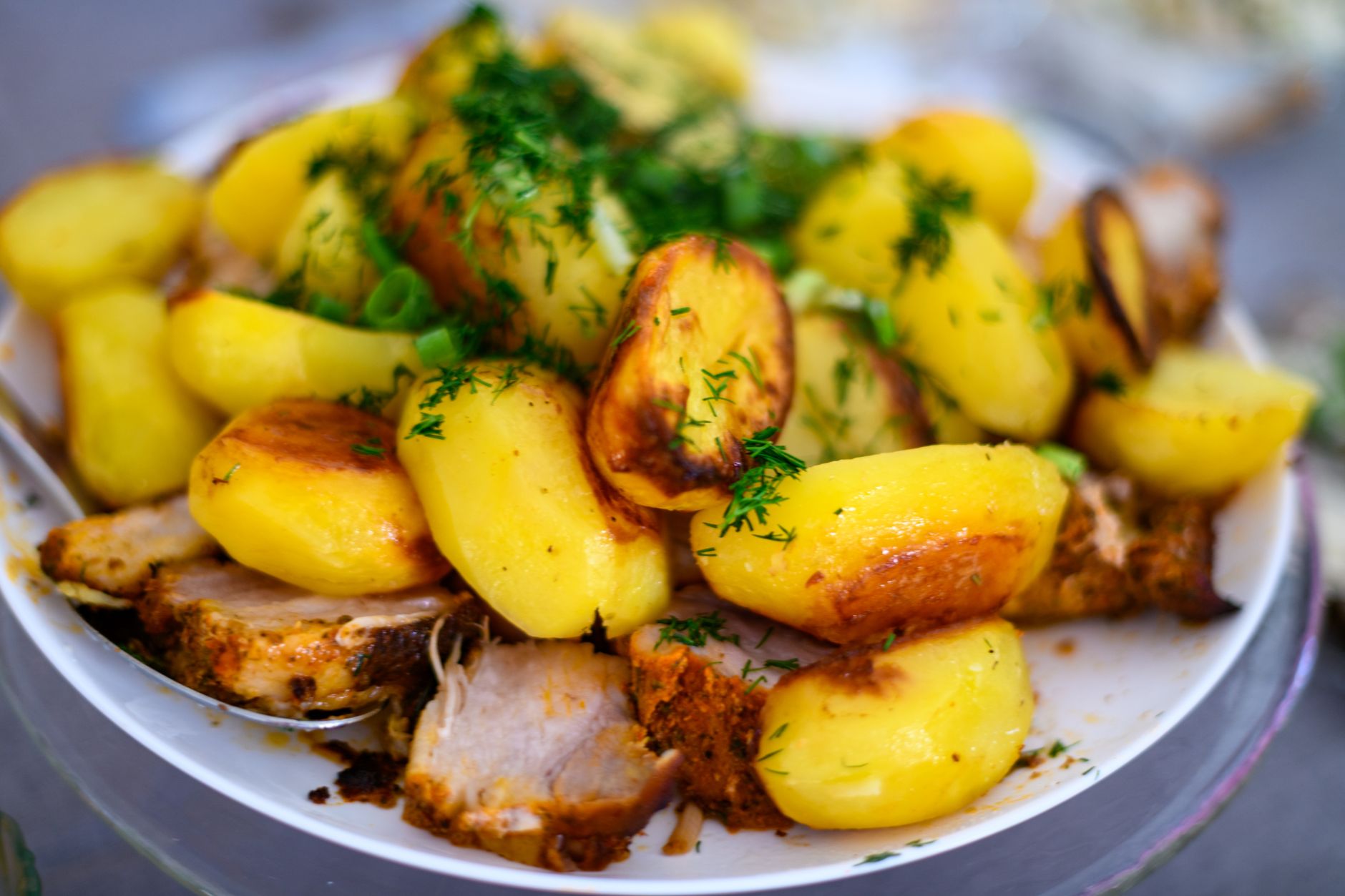
Serve the pork with the included garlic bread, a green salad, roasted potatoes, or steamed green beans. The bread is especially useful because it absorbs the tangy skillet sauce. For a lighter meal, use less bread and add a simply dressed vegetable side.
Can I prepare the vegetables in advance?
Yes, slice the peppers and onion up to 1 day ahead and refrigerate them in a covered container. Chop the pepperoncini and garlic separately so their stronger flavors do not spread through the vegetables. Bring the ingredients near room temperature while the skillet heats for more even cooking.
More Recipes You Will Love
If you enjoy skillet dinners with a savory sauce, try pairing this recipe with roasted vegetables or a crisp green salad. The sweet peppers and onions also work well with rice, mashed potatoes, or crusty bread.
For more bright, vegetable-forward dishes, the quick pickled fennel recipe linked above makes a refreshing side. A homemade vegetable seasoning blend is another useful pantry addition for soups, roasted vegetables, and weeknight skillet meals.
These recipes share the same useful approach: build flavor in layers, use fresh produce, and finish with enough acidity to keep rich ingredients balanced.
Conclusion
Onion And Pepper Pork Chops turn a few everyday ingredients into a colorful, satisfying skillet dinner. The key is giving the pork a hot, undisturbed sear, then finishing it gently while the peppers and onions soften in the tangy broth. Keep an instant-read thermometer nearby, watch the garlic bread closely, and serve everything while the sauce is warm. If you make this recipe, please leave a rating or share a comment about the vegetables and substitutions you used.
FAQs
When is the best time to eat Onion And Pepper Pork Chops?
Onion And Pepper Pork Chops are best eaten for dinner, especially on a weeknight, because the full meal takes about 35 minutes from start to finish. Serve them hot from the skillet with the garlic bread while the crust is still crisp and the pan sauce is glossy. The dish also works well for a relaxed weekend supper.
Can I use boneless pork chops instead?
Yes, boneless pork chops can replace bone-in ones, but choose center-cut chops about 1 inch thick so they stay juicy. Boneless chops cook faster, so start checking the internal temperature a few minutes early. Pull them at 145 degrees Fahrenheit and let them rest before serving.
How should I store leftover Onion And Pepper Pork Chops?
Store leftover pork chops and vegetables in an airtight container in the refrigerator for up to 3 to 4 days. Keep the garlic bread separate so it stays crisp. Reheat the chops gently in a covered skillet with a splash of broth to prevent them from drying out.
Why are my pork chops dry in this recipe?
Dry pork chops usually come from overcooking, using very lean chops, or skipping the rest. Cook them to an internal temperature of 145 degrees Fahrenheit, then rest them for a few minutes so the juices redistribute. Choosing chops with some marbling and even thickness also helps keep them tender.
Can I make this dish without pepperoncini?
You can skip the pepperoncini, but the dish will taste milder and less tangy. To keep some brightness, add a teaspoon of white wine vinegar or lemon juice to the pan sauce in place of the brine. Use low-sodium broth and taste the sauce before adding extra salt.