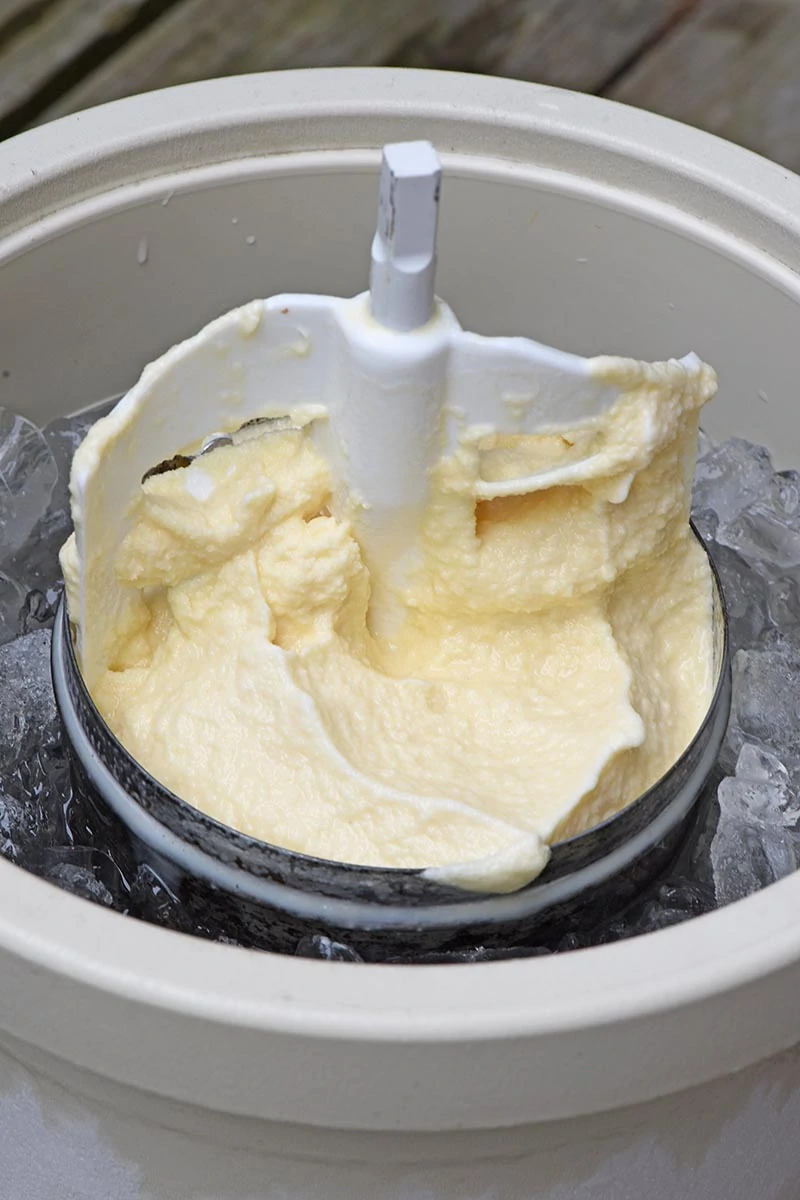
Want a creamy, old‑fashioned ice cream that you can whip up in a bowl, without an ice‑cream maker or a pantry full of heavy cream? You’re in the right place. Below you’ll find a step‑by‑step guide, troubleshooting tips, and flavor ideas that let you enjoy shop‑counter smooth ice cream using just a few everyday ingredients. If you’re craving a baked treat to pair with your scoop, try our healthy banana bread recipe for a wholesome finish.
Common Mistakes
Why does my ice cream turn grainy?
Grainy texture happens when ice crystals grow too big during freezing. The culprit is usually insufficient fat or air incorporated into the base. Whipping the cream to stiff peaks and gently folding it into the custard creates tiny air bubbles that keep the mixture smooth.
Why is my ice cream too soft?
If the fat‑to‑water ratio is off, the mixture won’t set properly. Using low‑fat milk alone will give you a soupy result. Adding a bit of coconut oil or butter boosts the fat content and helps the freezer lock in a firmer texture.
Quick fix checklist
| Problem | Fix |
|---|---|
| Grainy texture | Whip cream to stiff peaks; stir every 30 min while freezing. |
| Too soft | Increase fat (butter, coconut oil) or chill custard longer before folding. |
| Ice crystals | Add a pinch of cornstarch or gelatin to the custard. |
Smart Substitutions
Standard no‑churn base
2 cups heavy cream, 1 cup sweetened condensed milk, 1 tsp vanilla extract – the classic trio that makes the custard rich and sweet.
No heavy cream? No problem.
Swap 1 cup whole milk + 1 cup Greek yogurt + ½ cup melted coconut oil. The yogurt adds a slight tang while the coconut oil supplies the necessary fat for a silky mouthfeel.
Running low on condensed milk?
Blend ½ cup powdered milk, ½ cup granulated sugar, and ¼ cup melted butter. Dissolve the mixture in 2 cups warm milk, then let it cool before mixing with the whipped cream.
Looking for a dairy‑free dessert option? Check out our lactose free blueberry cheesecake recipe.
Ingredient matrix
| Substitution | Cost | Nutrition | Shelflife |
|---|---|---|---|
| Greek‑yogurt mix | Low | Higher protein, slightly less fat | 1 week refrigerated |
| Powdered‑milk combo | Very low | More sugar, less fat | 6 months pantry |
| Traditional | Medium | High fat, high sugar | 3 months refrigerated |
Step‑by‑Step Recipe
Gather & prep
Here’s what you’ll need for a vanilla batch that serves 6‑8:
- 2 large egg yolks
- ½ cup granulated sugar
- ½ cup whole milk
- 1 cup heavy cream (or substitute)
- ½ cup sweetened condensed milk (or alternative)
- 1 tsp pure vanilla extract
- Pinch of salt
Whisk the eggs & sugar
In a medium bowl, whisk the yolks and sugar together until the mixture turns a pale, creamy yellow. This process dissolves the sugar and begins to incorporate air—think of the texture of a light custard before it even hits the heat.
Temper & cook the custard
Warm the milk in a saucepan over medium heat until it’s just steaming. Slowly drizzle the hot milk into the yolk‑sugar mixture, whisking constantly to avoid curdling. Return the blend to the saucepan and cook, stirring with a wooden spoon, until it thickens enough to coat the back of the spoon (about 170 °F/77 °C). This is your classic French custard, the heart of old‑fashioned ice cream.
Cool, then fold in whipped cream
Remove the custard from the heat, stir in the vanilla and a pinch of salt, then let it cool to room temperature. Meanwhile, beat the heavy cream (or your chosen substitute) until stiff peaks form—the form should be like a miniature mountain range that holds its shape.
Gently fold the whipped cream into the cooled custard. Use a rubber spatula and a gentle, sweeping motion; you’re aiming for a uniform, airy mixture without deflating the air bubbles you just created.
Freeze & rip‑up
Transfer the mixture to a shallow, airtight container. Place it in the freezer for 30‑40 minutes, then pull it out and stir vigorously with a fork or whisk to break any forming ice crystals. Repeat this ripple step every 30 minutes for the next 2‑3 hours. After the final stir, let the ice cream sit undisturbed for at least 4 hours, or until fully set.
Full recipe card
Ingredients:
- 2 large egg yolks
- ½ cup granulated sugar
- ½ cup whole milk
- 1 cup heavy cream (or substitute)
- ½ cup sweetened condensed milk (or alternative)
- 1 tsp vanilla extract
- Pinch of salt

Steps:
1. Whisk yolks & sugar pale, creamy.
2. Warm milk, temper yolks, cook to 170 °F.
3. Cool, add vanilla & salt.
4. Whip cream to stiff peaks.
5. Fold cream into custard.
6. Freeze 30 min, stir; repeat 2‑3 times.
7. Freeze 4 h, serve.
Looking for the full guide? Check out our detailed no churn ice cream recipe for additional tips and variations.
Troubleshooting Tips
Ice crystals still appear
Mix a tiny pinch of gelatin (about ½ tsp) dissolved in warm water into the custard before folding in the cream. Gelatin acts like a stabilizer, keeping the ice crystals from growing too large.
Flavor fades after freezing
Before the final freeze, stir in a splash of vodka, rum, or a bit more vanilla. Alcohol doesn’t freeze, so it helps preserve the intensity of the flavor while keeping the texture smooth.
Egg safety concerns
If raw eggs make you uneasy, use pasteurized eggs available in the dairy aisle, or gently heat the yolk‑sugar mixture to 160 °F before cooling. According to the USDA Food Safety guidelines, heating to 160 °F eliminates Salmonella risk while preserving custard texture.
Flavor Variations
Chocolate indulgence
Melt 100 g dark chocolate (70% cocoa) into the warm custard before cooling. The chocolate adds depth without sacrificing the old‑fashioned custard feel.
Fresh fruit swirl
After the first 30‑minute ripple, fold in ½ cup strawberry puree or mango purée. The fruit’s natural sugar helps inhibit ice crystal formation, giving you a bright, fruity ribbon.
Salted‑caramel without condensed milk
Combine ½ cup caramel sauce with ¼ tsp sea salt, then stir into the whipped‑cream‑folded custard. The caramel’s butterfat replaces the condensed milk’s richness.
Flavor matrix
| Flavor | Key Add‑In | Adjusted Ratio |
|---|---|---|
| Chocolate | Dark chocolate (100 g) | Replace cup condensed milk |
| Strawberry | Puree (½ cup) | Add after first ripple |
| Salted Caramel | Caramel sauce + sea salt | Replace half of condensed milk |
Health & Safety
Raw‑egg risk & mitigation
Pasteurizing eggs at home is easy: heat them in a water bath set to 140 °F for 3 minutes, then chill quickly. This step neutralizes harmful bacteria while keeping the yolks liquid enough for a silky custard.
Calorie & sugar comparison
A typical store‑bought vanilla pint contains roughly 250 calories per ½ cup and 20 g of sugar. Your homemade version, using the classic recipe, lands at about 210 calories and 18 g of sugars—slightly lower because you control the amount of added sugar.
Storage guidelines
Keep the finished ice cream in an airtight container to prevent freezer burn. It stays at peak texture for up to two weeks; after that, crystals become noticeable, and flavor may dull.
Machine vs No‑Churn
| Feature | No‑Churn (Old‑Fashioned) | Machine‑Made |
|---|---|---|
| Equipment | Bowl, mixer, freezer | Ice‑cream maker |
| Time to serve | 46 h (plus prep) | 20‑30 min churn |
| Texture | Custard‑rich, slightly softer | Ultra‑smooth, fine crystals |
| Cost | Low pantry staples | Higher machine, electricity |
| Flexibility | Easy mid‑freeze add‑ins | Limited during churn |
According to a recent Journal of Dairy Science study, the key difference in texture comes from overrun (air incorporation). No‑churn methods deliberately limit overrun, resulting in a richer mouthfeel that many people associate with old‑fashioned ice cream.
Quick FAQs
Can I use plant‑based milk?
Absolutely. Swap dairy milk for oat or almond milk, and replace the heavy cream with canned coconut cream. The higher fat content of coconut cream mimics the silkiness of dairy.
Do I need a stand mixer?
Nope. A hand whisk works, though it takes a few extra minutes to reach stiff peaks. The goal is just to introduce enough air.
How long can I keep it frozen?
Up to two weeks for optimal texture. After that, you’ll notice icy crystals and a muted flavor.
Is raw‑egg ice cream safe for kids?
If you use pasteurized eggs or cook the custard to 160 °F, it’s safe for the whole family.
Conclusion
Making old‑fashioned homemade ice cream without a machine is less about gadgets and more about understanding the science behind custard, air, and fat. Start with a reliable custard base, whip your cream to stiff peaks, and give the mixture a gentle ripple every half hour while it freezes. Whether you stick to classic vanilla, dive into chocolate decadence, or experiment with fruit swirls, you now have the tools to create shop‑quality ice cream from your own kitchen. Give it a try, share your flavor experiments with friends, and enjoy the sweet rewards of a truly handcrafted treat.
FAQs
Can I make this ice cream without using eggs?
Yes. Substitute the egg yolks with a mixture of ¼ cup cornstarch and ¼ cup water or use a commercial custard powder; both will thicken the base without adding raw eggs.
What’s the best type of cream for a no‑churn recipe?
Heavy cream with at least 35% fat works best because it traps air and creates a smooth texture. If you need a substitute, use canned coconut cream or a blend of milk and melted butter.
How often should I stir the mixture while it freezes?
Freeze for 30‑40 minutes, then whisk or scrape the sides to break ice crystals. Repeat this “ripple” step every 30 minutes for the first 2–3 hours, then let it set undisturbed.
Will adding alcohol keep the ice cream from getting too hard?
Yes. A tablespoon of vodka, rum, or liqueur lowers the freezing point, helping the ice cream stay softer and preserving flavor intensity.
How long can I store the finished ice cream?
Keep it in an airtight container in the freezer for up to two weeks. After that, ice crystals may become noticeable and the flavor can dull.