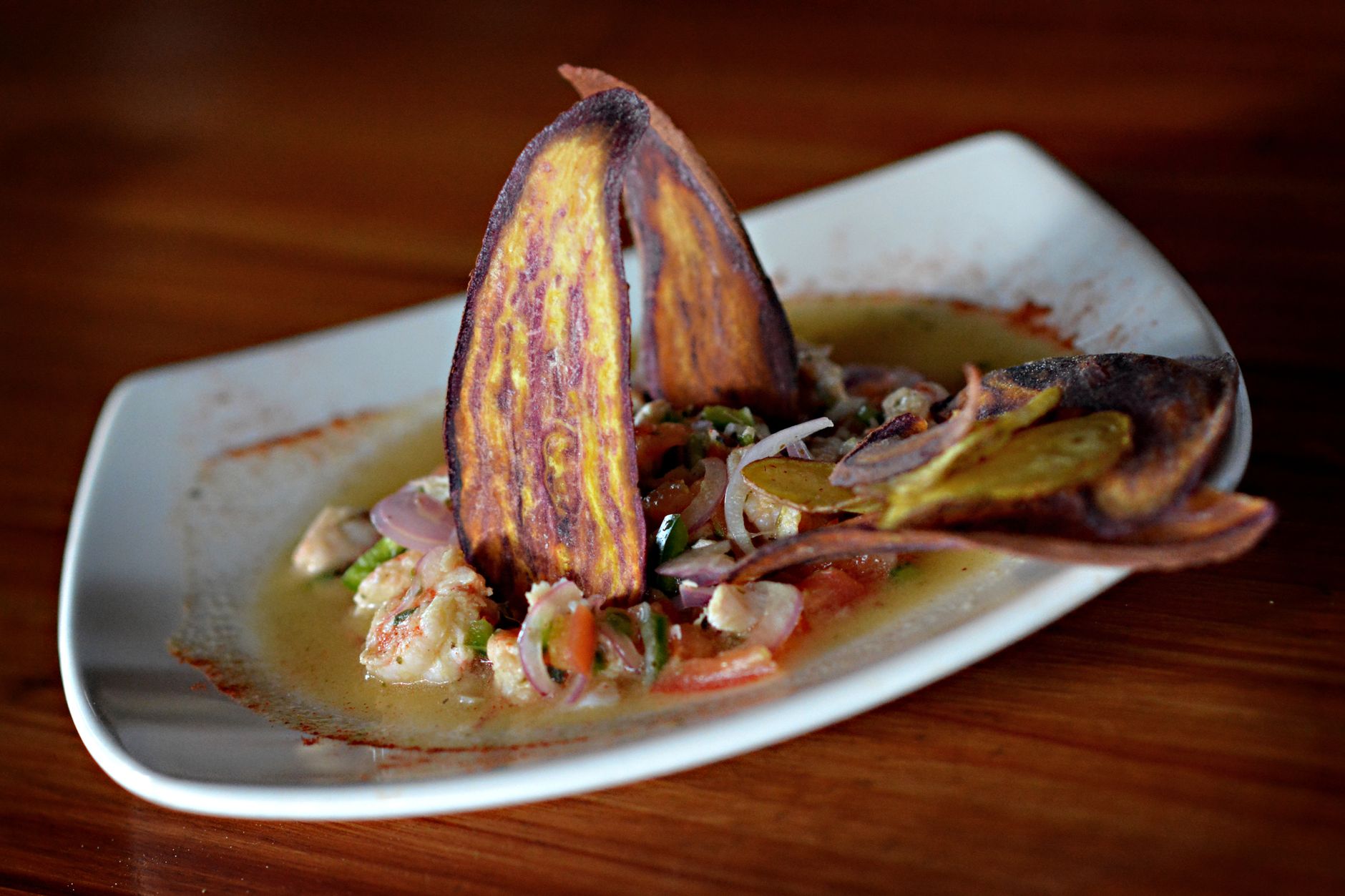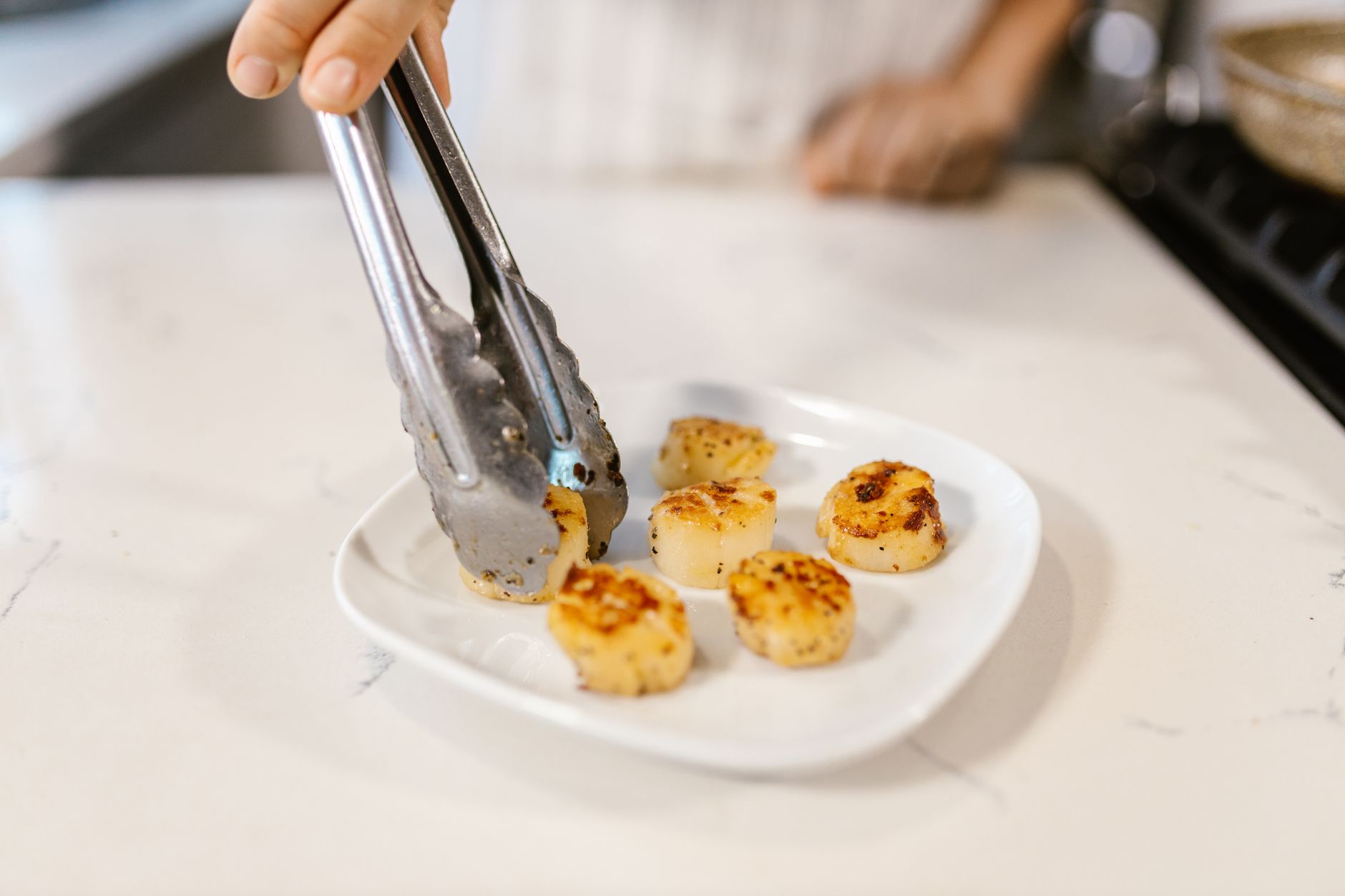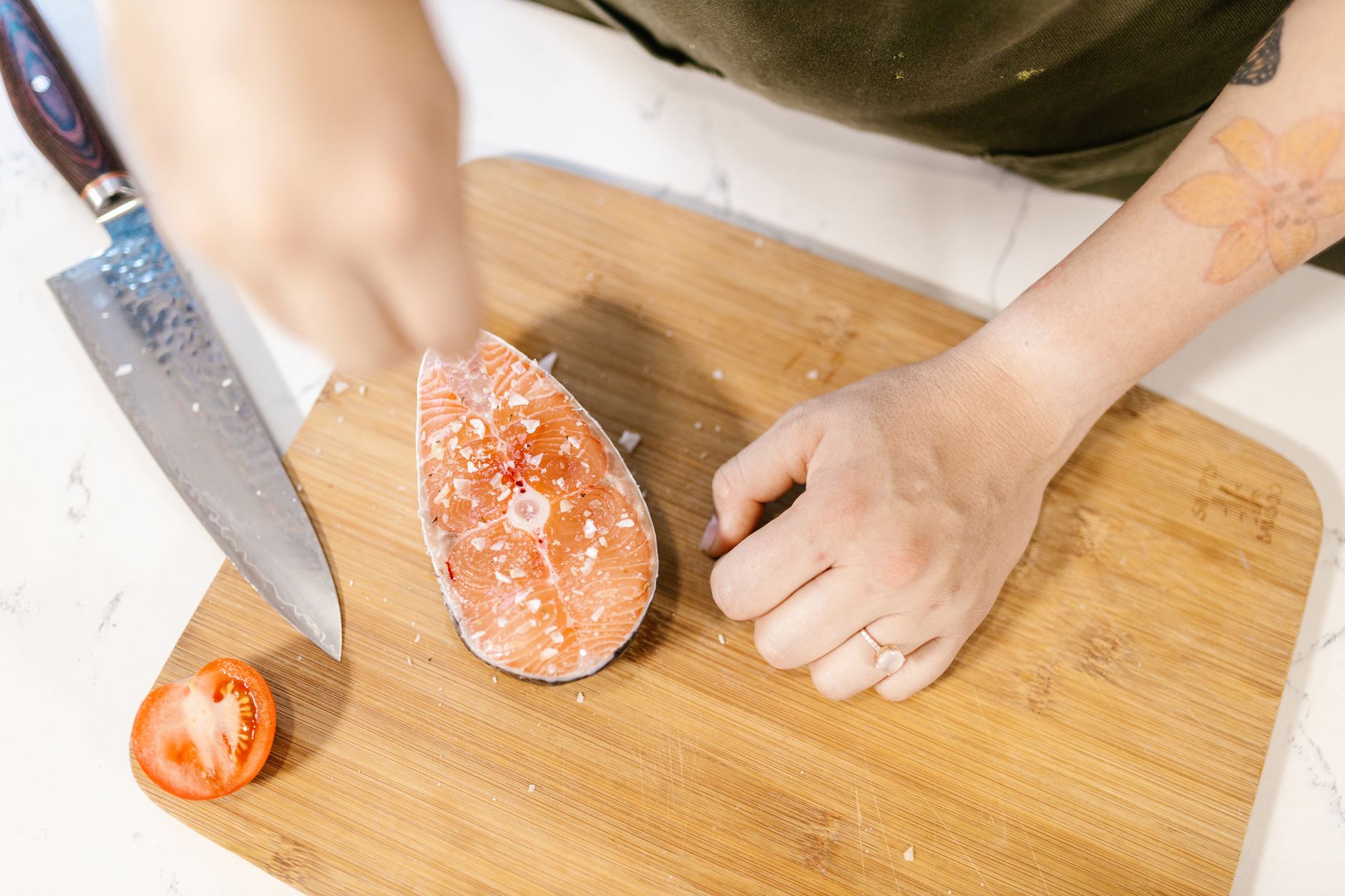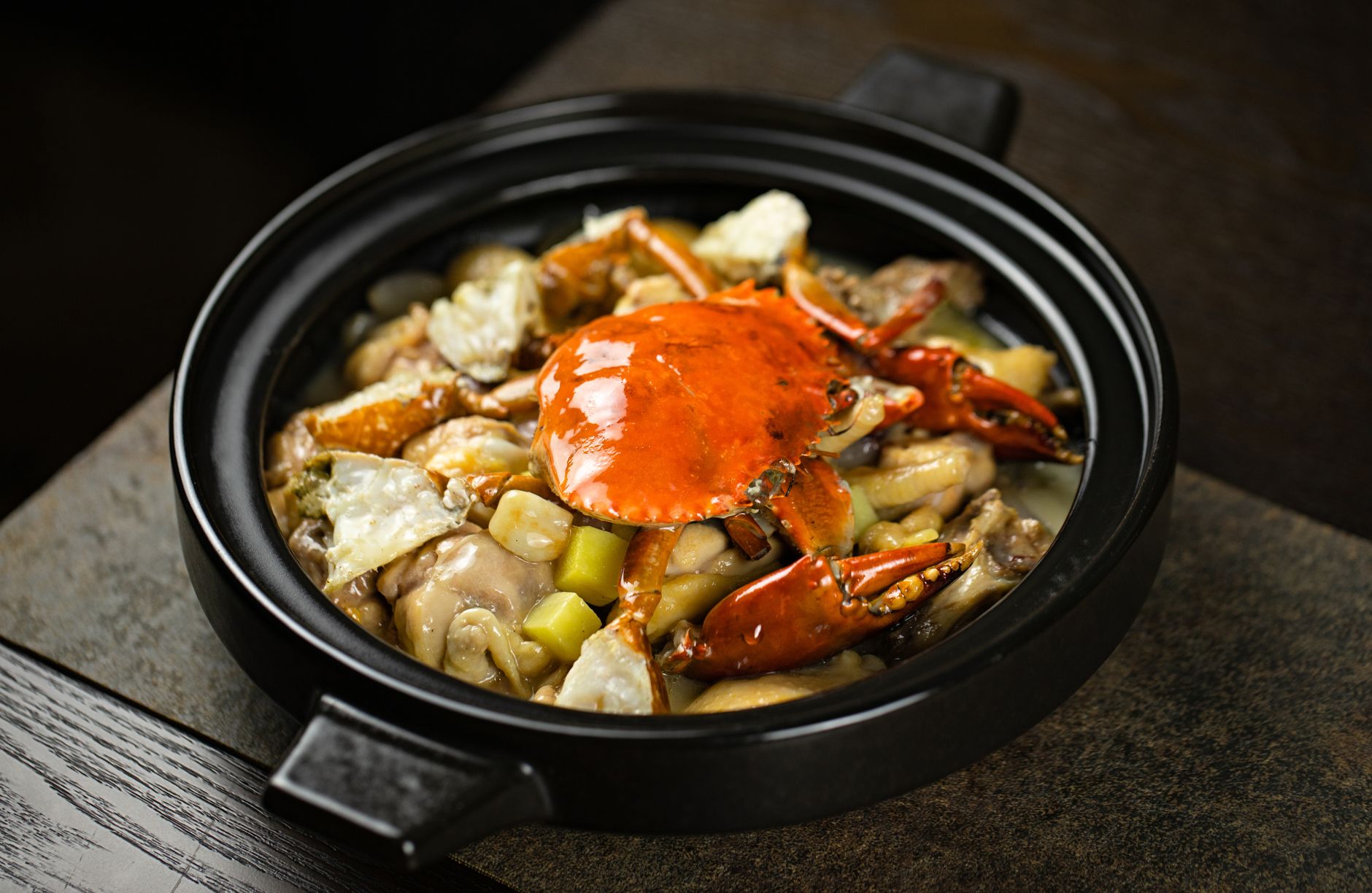
Why Lobster And Crab Pot Pie Recipe Works
The first thing you notice is the buttery aroma of puff pastry meeting a creamy seafood filling. This Lobster And Crab Pot Pie Recipe combines tender lobster, sweet jumbo lump crab, peas, carrots, and celery in a thick savory sauce, then finishes each serving with a crisp golden pastry round.
Lobster and crab pot pie is a creamy seafood entrée made by simmering lobster and vegetables in a flour-thickened broth and milk sauce, then folding in crabmeat and peas. Individual portions are topped with baked puff pastry, making the crust crisp instead of soggy while the filling stays rich, tender, and spoonable.
I prefer baking the pastry separately rather than covering the whole casserole. The pastry rises more evenly, and every serving gets a crisp top. This method also lets you prepare the filling ahead without worrying about a soft crust.

Health Benefits & Nutrition
This is a rich comfort-food recipe, but it also provides several useful nutrients from its seafood and vegetables.
- Seafood protein: Lobster and crab supply protein, which helps make the dish satisfying and substantial.
- Minerals from shellfish: Shellfish naturally contain minerals such as selenium, zinc, and copper. The exact amount varies by seafood type and serving size.
- Vegetable nutrients: Carrots, celery, onions, and peas add fiber, potassium, vitamin C, and natural color.
- Balanced texture and energy: Milk, flour, and puff pastry add carbohydrates and fat, creating a filling meal rather than a light soup.
The approximate nutrition is 830 calories per serving, with about 43 grams of protein, 61 grams of carbohydrates, and 46 grams of fat. These figures can change with the brand of puff pastry, the amount of milk absorbed, and the type of seafood used.
Shellfish is a common allergen. This recipe also contains milk, wheat, and egg. Use properly refrigerated seafood, cook it thoroughly, and follow local food-safety guidance. Anyone with a shellfish allergy or a medical condition requiring dietary restrictions should ask a qualified healthcare professional for personal advice.
Ingredients & Preparation
Recipe Card
| Prep time | 15 minutes |
|---|---|
| Cook time | 55 minutes |
| Total time | 1 hour 10 minutes |
| Servings | 6 servings |
| Calories | Approximately 830 per serving |
| Diet tags | Seafood, shellfish, contains wheat, contains dairy |
Full Ingredient List
- 1 pound frozen puff pastry, thawed
- 1 large egg, beaten
- 1/4 cup grapeseed oil
- 1 cup finely diced white onion
- 1 pound lobster meat, diced into bite-size pieces
- 1 cup small-diced carrots
- 1 cup small-diced celery
- 1/2 cup all-purpose flour
- 4 cups chicken broth
- 3 cups whole milk
- 1 pound jumbo lump crabmeat, cleaned and cartilage removed
- 1/2 cup frozen English peas, thawed
- 1 teaspoon kosher salt, plus more to taste
- 1/2 teaspoon freshly ground black pepper, plus more to taste
- 2 tablespoons finely chopped fresh chives, for garnish
Equipment Needed
You will need a rolling pin, a 3-inch round cutter, a pastry brush, a rimmed baking sheet, parchment paper, a large heavy-bottomed saucepan, a whisk, a wooden spoon, and six small serving bowls. A digital thermometer is helpful when checking seafood, although visual and texture cues work well too.
Tips for Choosing Quality Ingredients
Use thawed puff pastry that still feels cold and flexible. If it becomes warm or sticky, return it to the refrigerator for 10 minutes before cutting. Cold pastry produces cleaner layers and rises higher in the oven.
Fresh lobster meat gives the sweetest flavor, but good-quality cooked lobster works well too. For crab, choose jumbo lump meat with a mild ocean aroma and large pieces. Avoid crab that smells sharply sour or overly fishy. Drain excess liquid gently, but do not squeeze the meat dry.
Whole milk creates a fuller sauce than low-fat milk. If your broth is strongly salted, wait until the sauce thickens before adding most of the salt. The final seasoning is easier to control at that stage.
Step-by-Step Instructions
1. Heat the oven and cut the pastry
Preheat the oven to 350°F. Line a rimmed baking sheet with parchment paper. On a lightly floured surface, roll the thawed puff pastry to about 1/2-inch thickness. Cut six rounds using a 3-inch cutter, then place them on the baking sheet. Brush the tops evenly with beaten egg, keeping the egg off the cut edges so the layers can expand.
2. Bake the pastry rounds for 15 to 20 minutes
Bake the pastry at 350°F for 15 to 20 minutes, until the rounds are puffed, deeply golden, and dry around the sides. You should hear a faint crisp crackle when you tap the surface. Remove the pastry from the oven and cool it on the baking sheet. The first time I made this, I brushed egg right over the edges and the rounds rose unevenly, so keep the wash on top only.
3. Cook the onion and lobster for 5 to 8 minutes
While the pastry bakes, heat the grapeseed oil in a large heavy-bottomed saucepan over medium heat. Add the onion and cook for 3 to 4 minutes, stirring often, until translucent and fragrant but not browned. Add the diced lobster and cook for 5 to 8 minutes, stirring gently, until the meat is opaque and firm.
4. Soften the vegetables for 5 minutes
Add the carrots and celery to the saucepan. Cook over medium heat for about 5 minutes, stirring every minute, until the vegetables begin to soften. They should still have a slight bite because they will continue cooking in the sauce. If the pan looks dry, lower the heat slightly rather than adding extra oil.
5. Build and simmer the sauce for 15 to 17 minutes
Sprinkle the flour over the seafood and vegetables. Stir constantly for 5 minutes to cook the flour and form a pale roux. Slowly whisk in the chicken broth, adding about 1/2 cup at a time. Once the broth is smooth, gradually whisk in the milk. Bring the sauce to a gentle simmer, then cook for 10 to 12 minutes, stirring frequently, until it coats the back of a spoon.
The sauce should look creamy and thick enough to hold a visible trail when you drag a spoon through it. Add the salt and pepper after thickening. Different flour brands absorb liquid differently, so reserve a small amount of the milk if the filling already reaches a spoonable consistency.
6. Fold in crab and peas, then serve
Reduce the heat to low. Fold in the crabmeat and thawed peas, then cook for 2 to 3 minutes, just until the crab is hot and the peas are bright green. Taste and adjust the seasoning. Spoon the filling into six bowls, sprinkle with chives, and place one baked pastry round on each serving.

Variations & Substitutions
- Use shrimp: Replace up to 1/2 pound of the lobster with peeled, deveined shrimp. Dice larger shrimp into bite-size pieces and cook them with the lobster until opaque.
- Make it with seafood stock: Replace the chicken broth with 4 cups of low-sodium seafood stock for a stronger coastal flavor. Taste before adding salt because seafood stock can be salty.
- Add mushrooms: Replace 1 cup of the celery with 1 cup of sliced cremini mushrooms. Sauté the mushrooms with the onion for 5 to 6 minutes before adding the lobster.
- Use half-and-half: Replace 3 cups of whole milk with 2 cups of whole milk and 1 cup of half-and-half. The sauce will be richer and may thicken slightly faster.
- Make a casserole: Transfer the filling to a 9-inch baking dish and arrange larger pastry shapes on top. Bake at 400°F for 20 to 25 minutes, until the pastry is golden and the filling is bubbling at the edges.
- Skip the pastry: Serve the creamy filling over toasted sourdough or mashed potatoes. Use about 1 slice of toast or 1/2 cup mashed potatoes per serving.
I tested this with biscuit dough once, but it absorbed too much sauce and became heavy underneath. Puff pastry works better here because baking it separately keeps the bottom crisp.
Storage & Shelf Life
Cool leftover filling promptly and place it in a covered container within 2 hours of cooking. Refrigerate the filling for up to 3 days at 40°F or below. Store the pastry rounds separately in an airtight container at room temperature for 1 day, or refrigerate them for up to 3 days.
Reheat the filling in a saucepan over low to medium-low heat, stirring often, until steaming hot throughout. Add a splash of milk or broth if the sauce has thickened too much. Re-crisp the pastry in a 350°F oven for 5 to 8 minutes rather than microwaving it.
For freezing, cool the filling completely and freeze it in an airtight freezer-safe container for up to 2 months. Thaw it overnight in the refrigerator, then reheat gently. Freeze baked pastry separately for up to 1 month and warm it in the oven before serving. Do not refreeze previously frozen seafood after it has been thawed and cooked.
Discard the filling if it develops a sour smell, slimy texture, unusual discoloration, or visible mold. When in doubt, do not taste it.
Pro Tips for a Creamy, Crisp Result
Build the roux carefully. Five minutes of stirring after adding the flour removes its raw taste. Keep the heat at medium and stop when the mixture looks smooth and pale, not brown.
Add liquid gradually. A slow pour prevents flour lumps. Whisk continuously during the first cup of broth, when the roux is most likely to tighten suddenly.
Protect the crabmeat. Crab is already delicate and usually cooked. Add it near the end, then stir with a folding motion instead of beating it into the sauce. Large pieces make the filling feel more luxurious.
Keep the pastry cold. Warm pastry loses definition and can spread on the baking sheet. If the dough feels soft after cutting, chill the rounds for 10 minutes before applying the egg wash.
Do not overcook the vegetables. Small dice cook quickly. Carrots and celery should soften enough to bite easily but should not collapse into the sauce. A little texture makes the rich filling more balanced.
Season at the end. Broth, lobster, and crab all contribute different amounts of salt. Waiting until the sauce thickens helps you avoid an overly salty filling.

Questions & Answers
When is the best time to eat Lobster And Crab Pot Pie Recipe?
The best time to eat this dish is immediately after the filling is finished and the pastry is crisp. Serve it for dinner, a weekend lunch, or a special gathering. The hot sauce softens the pastry slightly at the edges while the center remains flaky, so serving within a few minutes gives the best contrast.
Can I use pre-cooked lobster meat?
Yes, pre-cooked lobster meat works well, but add it later than raw lobster. Stir it into the sauce with the crab and peas during the final 2 to 3 minutes. Adding cooked lobster too early can make it firm and chewy. Dice the meat into medium pieces so it stays noticeable in every serving.
Why is my pot pie sauce too thin?
Simmer the sauce for another 3 to 5 minutes over medium-low heat, stirring frequently. Flour-based sauces thicken as they simmer and cool slightly. If it remains thin, whisk 1 tablespoon of flour with 2 tablespoons of cold milk, stir it into the saucepan, and simmer for 3 minutes before adding more.
Can I prepare the filling in advance?
Yes, prepare the filling up to 2 days ahead and refrigerate it in a covered container. Reheat it gently on the stovetop, adding a little milk if necessary. Bake the pastry rounds separately on the day of serving. Keeping the two components apart prevents the pastry from becoming soggy.
Can I make this recipe without crab?
Yes, replace the crab with an equal weight of cooked shrimp, chopped scallops, or additional lobster. Use 1 pound of replacement seafood for the 1 pound of crabmeat. Add delicate seafood during the final few minutes so it stays tender. The flavor will be less sweet and briny than the original version.
What can I serve with seafood pot pie?
Serve it with a crisp green salad, steamed asparagus, or lemon-dressed green beans. Light sides work best because the filling and pastry are already rich. A simple salad with a sharp vinaigrette also cuts through the creamy sauce without competing with the lobster and crab.
How do I keep puff pastry from turning soggy?
Bake the pastry separately and place it on the filling just before serving. Avoid covering the pastry while it is warm because trapped steam softens the layers. If you prefer one large pie, cool the filling first, leave small vents in the pastry, and bake until the crust is deeply golden.
More Recipes You Will Love
If you are planning a seafood dinner followed by something sweet, a nutty dessert makes a lovely finish. Try this Honey glazed walnut cake recipe 1970475 for a tender cake with a warm honey finish.
For a lighter Mediterranean-style dessert, the Pistachio greek honey cake pairs nicely with coffee or tea. Both options can be prepared ahead, leaving you free to serve the pot pie while it is hot.
Conclusion
This Lobster And Crab Pot Pie Recipe brings together sweet shellfish, tender vegetables, and a creamy sauce beneath a crisp puff pastry round. Baking the pastry separately is the small technique that makes the biggest difference. It keeps each serving flaky and prevents a soggy crust. Prepare the filling gently, season it at the end, and serve it hot with a fresh green side. If you make it, leave a rating or share how you adapted the seafood.
FAQs
When is the best time to eat Lobster And Crab Pot Pie Recipe?
The best time to eat Lobster And Crab Pot Pie Recipe is fresh from the oven, while the puff pastry is still crisp and the filling is warm and spoonable. It suits a special dinner or celebration meal. Serve it soon after baking so the pastry keeps its flaky texture.
Can I make Lobster And Crab Pot Pie Recipe ahead of time?
Yes, you can prepare the filling ahead and refrigerate it in an airtight container for up to two days before baking. Keep the puff pastry chilled until you are ready to cut the rounds and bake them. This helps the pastry rise properly and stay flaky.
How do I store leftover Lobster And Crab Pot Pie Recipe?
Store leftover Lobster And Crab Pot Pie Recipe in an airtight container in the refrigerator and eat it within a few days. Pastry softens over time, so reheat the filling gently on the stove and re-crisp the pastry in an oven rather than a microwave for better texture.
Can I substitute imitation crab for jumbo lump crabmeat in this dish?
Imitation crab can replace jumbo lump crabmeat, but the flavor and texture will be milder and less sweet. Real crab gives the closest result. If using imitation crab, add it near the end of cooking so it stays tender and does not break apart in the sauce.
Why is my pot pie filling too runny?
A runny filling usually means the flour was not cooked long enough or the liquid was too high compared with the thickener. Simmer the sauce until it coats the back of a spoon, then cool it slightly before adding the crab and peas so the filling holds its shape inside the pastry.