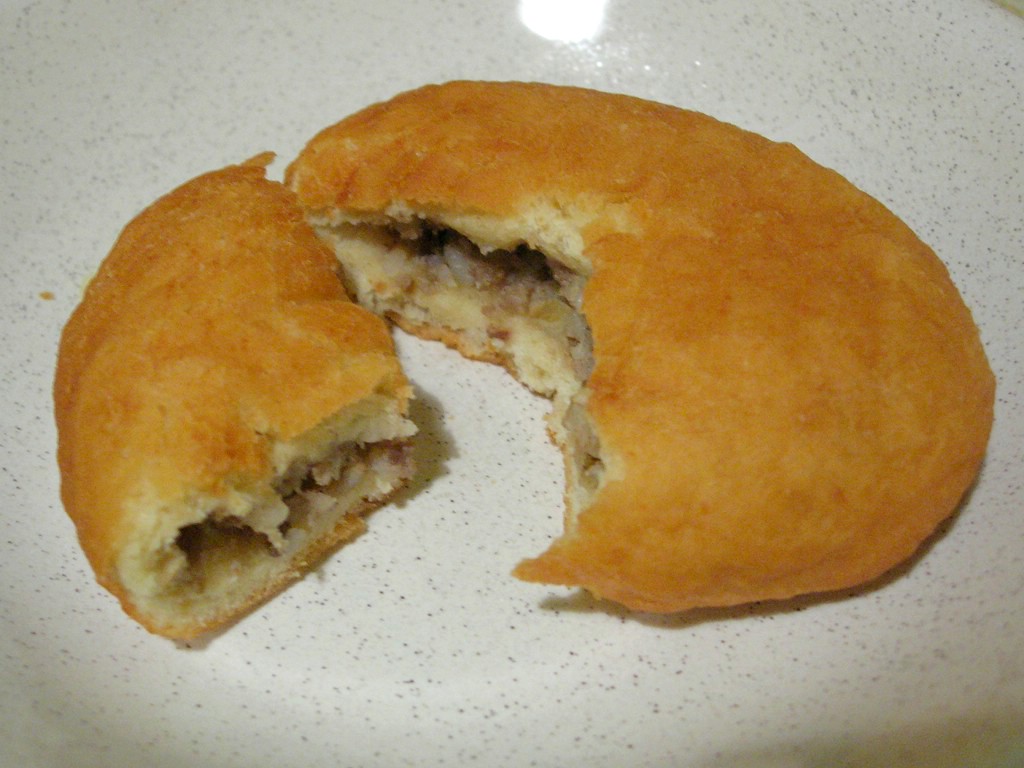
Answer 1: Lihapiirakka is a Finnish handpie made from soft, sweetdoughnuttype dough, stuffed with seasoned minced meat, rice, onions, and a hardboiled egg. It can be deepfried for that classic crunchy crust or baked for a lighter bite.
Answer 2: The whole process takes about 30minutes mix the dough, whip up a hearty filling, shape the pies, then fry or bake until golden. Ready to give it a go?
What Is Lihapiirakka
Simple definition and cultural snapshot
Lihapiirakka literally means meat pie in Finnish. Its a beloved snack youll find on street stalls in Helsinki, tucked into familydinner tables, and even popping up at seasonal markets. The name may look foreign, but the concept is as familiar as any comfort food: dough hugging a savory filling.
Pronunciation guide
When you first see the word, you might wonder, How on earth do you say that? The correct Finnish pronunciation is leehahPEErahk (IPA: /lihpirk:k/). If you want to hear it spoken by a native speaker, check out this pronunciation guide on Forvo.
Quick comparison with other Finnish pastries
| Pie | Dough type | Main filling | Typical cooking |
|---|---|---|---|
| Lihapiirakka | Sweet yeast dough (like a doughnut) | Minced meat, rice, egg | Fried or baked |
| Kalakukko | Dense rye bread | Fish + pork | Baked whole |
| Lrtsy | Flaky pastry | Jam or meat | Fried |
| Empanada | Shortcrust or puff pastry | Varied (beef, chicken, veg) | Fried or baked |
Core Ingredients
Traditional meatpie filling
The classic mix is simple, sturdy, and flavorful. Youll need about 300g of minced beef or pork, half a cup of cooked white rice, one medium onion (finely diced), and a quarter to half of a hardboiled egg per pie. Season with salt, black pepper, and a pinch of allspice for that subtle Nordic warmth.
Smart substitutions
If youre avoiding meat, swap the minced meat for a blend of chopped mushrooms, walnuts, and soyprotein crumble. Replace the egg with firm tofu cubes or a flaxegg (1Tbsp ground flaxseed + 3Tbsp water). The dough stays the same, so you still get that sweet, yeasty bite.
Dough fundamentals
Think of the dough as a sweet, buttery blanket. Warm milk and butter dissolve a pinch of sugar and active dry yeast; then you fold in flour until a smooth, elastic ball forms. For a glutenfree version, use a blend of oat, rice, and tapioca flours plus a teaspoon of xanthan gum the texture stays surprisingly close to the original.
StepbyStep Guide
Equipment checklist
Gather a mixing bowl, kitchen scale, rolling pin, pastry cutter, a deepfat fryer or a sturdy baking sheet, and a thermometer. Having a thermometer might feel like extra work, but trust me it saves you from soggy or burnt pies.
Preparing the dough
- Warm 200ml of milk with 30g butter. Stir in 1tsp sugar, then sprinkle 7g dry yeast. Let it sit 5minutes until frothy.
- Mix in 300g allpurpose flour and a pinch of salt. Knead for about 8minutes until the dough is smooth and slightly tacky.
- Cover and let it rest for 30minutes at room temperature. The dough will puff up a bit a sign its alive and ready.
Making the filling
- Saut the diced onion in a splash of oil until translucent.
- Add the minced meat, break it up, and season with salt, pepper, and allspice. Cook until the meat loses its pink hue.
- Stir in the cooked rice and crumble the boiled egg into the mix. Remove from heat and let it cool slightly.
Shaping & sealing the pies
Roll the rested dough to about 3mm thickness. Using a 10cm round cutter (a large cookie cutter works great), cut out circles. Place roughly 2Tbsp of filling in the centre, fold the dough over, and pinch the edges together. A quick crimp with a fork gives a charming, rustic look.
Cooking methods
| Method | Temp | Time | Oil/Butter | Result |
|---|---|---|---|---|
| Deepfried | 190C (375F) | 34min | 12L vegetable oil | Crispy, golden crust |
| Ovenbaked | 200C (400F) | 1215min | Light brush of butter | Fluffier interior, less oil |
Pro tips from the kitchen
- Keep the oil temperature between 180C190C. Below that the pies soak up oil; above that they burn before the inside cooks.
- After frying, give the pies a quick 2minute steam burst (cover with a lid) to keep the interior moist.
- For extra flavor, brush the baked pies with melted butter and sprinkle a pinch of sea salt while theyre still hot.
- Reddits r/Breadit community noted that a thermometer is the secret weapon for consistent results I couldnt agree more.
Nutrition & Balance
Macro breakdown (per 150g pie)
Calories: ~350kcal
Protein: 12g
Fat: 18g (mostly from the frying oil)
Carbohydrates: 30g (including a touch of sugar from the dough)
Benefits and risks
On the plus side, the meat gives you highquality protein and iron, while the rice supplies steady energy. The sweet dough adds a comforting carbohydrate that pairs nicely with the savory filling.
The downside? Deepfrying adds saturated fat and can push sodium levels up, especially if you season heavily. If youre watching your heart health, try the ovenbaked version, trim the added salt, and serve with a side of fresh greens.
Making it dietfriendly
For a lighter version, swap half the oil for a spray of olive oil and use a lowfat ground turkey instead of beef. A study from the Finnish health institute recommends limiting deepfried foods to once a week and balancing them with plenty of vegetables.
Cultural Context
When and where youll find them
Lihapiirakka is a staple at Helsinkis food markets, on the menus of traditional konditoria (bakeries), and at family gatherings where a metal sheet, or pelti, is laid out for frying. Its the kind of food that evokes childhood memories of waiting by the stall for the first hot, steamfilled bite.
Global pastry cousins
Ever tried a Nigerian meat pie? Those are spicier, wrapped in a shortcrust pastry, and often served at parties. The Latino empanada varies from baked to fried, with fillings ranging from beef to sweet corn. What sets lihapiirakka apart is that sweet yeasty dough its like the pastry is giving the meat a gentle hug.
Why the Finnish twist matters
The inclusion of rice and a boiled egg inside the pie is a uniquely Finnish improvisation, born out of a need for hearty, portable meals during long winters. Its a culinary story of resourcefulness, comfort, and a dash of sweetness to brighten cold days.
Expert Insights & Trust Signals
Cooking science
Using a thermometer isnt just a pro tip; its grounded in foodscience. Oil thats too cool creates a soggy crust because the dough absorbs the oil before it can seal. Oil thats too hot burns the exterior while the interior stays raw. Aim for that sweet spot of 190C for consistent crunch.
Nutrition expertise
Registered dietitians highlight that pairing a proteinrich pie with a salad of beetroot and cucumber creates a balanced meal the fiber from the veggies counteracts the higher fat content of the pie.
Historical credibility
According to the Finnish food historian Martti W. Koski* in Finnish Food Culture (2023), the modern lihapiirakka evolved from 19thcentury market pies that were originally baked in iron pans. Over time, the frying method became popular because it delivered that signature golden crunch faster.
WrapUp & CalltoAction
There you have it a complete, friendly roadmap from What is lihapiirakka? to the perfect bite you can serve tonight. Whether you fry it for that authentic crisp or bake it for a lighter treat, you now know the ingredients, the steps, the nutrition, and the cultural charm behind this Finnish favorite.
Why not give it a try? Grab a friend, roll out the dough, and share a warm, golden pie together. Snap a photo, tag it with #LihapiirakkaLove, and let the world see your culinary adventure. If you improvise a new filling or discover a shortcut, Id love to hear about it feel free to reach out and keep the conversation going!
FAQs
What type of dough is used for lihapiirakka?
The dough is a sweet, yeasted dough similar to a soft doughnut – milk, butter, sugar, yeast and flour are combined to create a light, slightly sweet crust.
Can I bake lihapiirakka instead of frying it?
Yes. Brushing the pies with a little butter and baking at 200 °C (400 °F) for 12‑15 minutes gives a fluffy interior with less oil.
How long does it take to prepare the whole recipe?
From mixing the dough to the finished pies, the process takes about 30‑40 minutes, plus a 30‑minute dough rise.
What are common variations for the filling?
You can swap the minced meat for mushrooms & walnuts (vegetarian), use ground turkey or chicken for a lighter version, or add herbs like dill for extra flavor.
How should leftovers be stored?
Cool the pies completely, then refrigerate in an airtight container for up to 3 days. Reheat in a hot oven (180 °C) to restore crispness.