Most people dont realize that a 5oz can of tunainoil can be a diabetesfriendly protein boost zero carbs, about20g of protein, and a splash of heartloving omega3s. But it isnt a freepass; the extra oil adds calories, and not every canned tuna is created equal. Below we break down the science, the portionsize math, and the best ways to enjoy it without spiking your blood sugar.
Nutrition Snapshot
Whats in a typical 5oz can?
Lets open a can and see what were really getting:
| Component | Oilpacked (5oz) | Waterpacked (5oz) |
|---|---|---|
| Calories | 190kcal | 120kcal |
| Protein | 20g | 20g |
| Total Fat | 9g | 1g |
| Omega3 (EPA/DHA) | 800mg | 600mg |
| Sodium | 150250mg | 300mg (varies) |
Those numbers tell a story: the oil adds roughly 70kcal and 8g of fat, but also gives a modest boost in omega3s. Theres still zero carbohydrate, so it wont create a rapid glucose rise.
How does the oil affect blood glucose?
Fat slows gastric emptying, which actually softens the postmeal bloodsugar spike. A study highlighted by the American Diabetes Association found that meals higher in healthy fats (like olive oil) produced lower 2hour glucose excursions compared with lowfat meals of the same proteincarb composition.
Which oils are commonly used?
Most canned tuna is packed in one of three oils:
- Olive oil rich in monounsaturated fats and polyphenols, a hearthealthy choice.
- Soybean or vegetable oil more neutral in flavor, slightly higher in omega6 fatty acids.
- Canola oil low in saturated fat, decent omega3 content.
All of them are lowglycemic, so the main concern is calories and overall fat intake, not bloodsugar spikes.
Health Benefits for Diabetes
Omega3s and heart health
People with diabetes face a higher risk of cardiovascular disease. Omega3 fatty acids, abundant in tuna, help lower triglycerides, reduce inflammation, and improve arterial flexibility. A 2023 metaanalysis in the Journal of Nutrition reported a 22% reduction in heartattack risk for regular oilyfish eaters a compelling reason to keep tuna on the menu.
Proteins role in glucose control
Protein slows the absorption of carbs from the rest of your meal, flattening the glucose curve. Thats why dietitians often recommend pairing a protein source (like tuna) with nonstarchy veggies and a modest amount of healthy fat.
Weightmanagement advantage
Satiety is a silent hero for diabetes. A 5oz serving of tuna in oil can keep you feeling full for 34hours, helping you avoid midafternoon cravings for sugary snacks. The key is to balance the extra calories from oil with your total daily budget.
Realworld experience
One member of the Diabetes.co.uk forum shared: I swapped my usual sandwich lunch for a tunaoil salad for six months. My A1C dropped from 7.6% to 6.9% without any extra medication. The simple change gave me more energy, too. Personal anecdotes like this add a human touch and reinforce the data.
Potential Downsides & Cautions
Extra calories & fat
If youre watching your weight, remember that two cans of tuna in oil can add up to 380kcal about the same as a small slice of pizza. A quick math check: a 2,000kcal diet can easily accommodate one can, but two should be spaced out or paired with lowercalorie sides.
Mercury & contaminants
Albacore (white) tuna tends to have higher mercury levels than light tuna. The FDA guidelines suggest limiting albacore to no more than 6oz per week for adults, especially for pregnant women and children.
Sodium content
Canned fish can be salty. Choose lowsodium varieties or give the fish a quick rinse under cold water to shave off 50100mg per serving.
Allergy & dietary restrictions
If youre allergic to fish, obviously skip tuna. For those looking for a plantbased alternative, canned salmon or sardines provide similar omega3 benefits.
How Much Tuna Can a Diabetic Safely Eat?
General portionsize guidelines
Most nutrition experts recommend 12 servings of oily fish per week. For canned tuna, that translates to roughly 120180g total (about one standard can). Below is a quick reference chart:
| Serving Size | Calories | Omega3 (EPA/DHA) | Mercury Risk |
|---|---|---|---|
| 1can (5oz) oilpacked | 190kcal | 800mg | Low (light tuna) |
| 2cans (10oz) | 380kcal | 1.6g | Moderate (increase with albacore) |
Adjusting for personal goals
- Weightloss focus: One can 34times a week, paired with leafy greens, works well.
- Active lifestyle: Two cans spread across the week can help meet protein needs without overdoing calories.
- Higherrisk mercury concerns: Stick to light tuna and keep albacore to once a week.
When to combine with other foods
Mix tuna with nonstarchy vegetables (spinach, cucumber, bell peppers) and a drizzle of olive oil or a dollop of Greekyogurtbased dressing. This creates a balanced plate: protein + healthy fat + fiber, all of which keep glucose stable.
Best Canned Tuna for Diabetics
What to look for on the label
- No added sugars any sweetened tuna is a red flag.
- Low sodium aim for <150mg per serving.
- Wildcaught generally higher in omega3s than farmed.
- BPAfree cans better for overall health.
Top 3 recommended brands (2025)
- Brand A Light tuna in olive oil: 100mg sodium, 9g fat, 800mg EPA/DHA.
- Brand B Albacore in soybean oil: 120mg sodium, 10g fat, 900mg EPA/DHA.
- Brand C Sustainable line, BPAfree: 130mg sodium, 8g fat, 750mg EPA/DHA.
How to store & use
Keep unopened cans in a cool, dry pantry. Once opened, transfer the tuna to an airtight container and refrigerate it stays fresh for 23days. That way you can prep a batch of tuna salad early in the week and grab it for quick lunches.
Common Pairings: Tuna, Mayo, and Other Spreads
Is mayonnaise good for diabetics?
Regular mayo is high in fat but essentially zero carbs, so it wont spike blood sugar. The concern is calorie density. A tablespoon adds about 90kcal, so use it sparingly.
Healthier alternatives
- Greekyogurt gives a creamy texture with extra protein.
- Avocado mash adds healthy monounsaturated fats and fiber.
- Hummus a tasty, plantbased spread with a mild carb count.
Sample recipe: TunaOil Salad with YogurtMayo Dressing
- Drain one can of tuna in olive oil (reserve the oil for later).
- Mix 2Tbsp Greek yogurt, 1Tbsp light mayo, a squeeze of lemon, and a pinch of black pepper.
- Combine tuna with chopped cucumber, cherry tomatoes, and fresh dill.
- Stir in the dressing, drizzle a teaspoon of the reserved oil, and enjoy.
Nutrition snapshot (approx.): 250kcal, 20g protein, 12g fat, 2g carbs. Perfect for a midday, bloodsugarfriendly bite.
Tuna vs. Other Fish for Diabetes
Which fish is best?
All oily fish share the hearthealthy omega3 advantage, but there are subtle differences:
- Salmon highest in omega3s, slightly more calories.
- Mackerel rich in EPA/DHA, higher in vitaminD.
- Sardines tiny but mighty, packed with calcium and omega3s.
If you love convenience, tuna wins on shelflife and price.
Is fried fish good for diabetics?
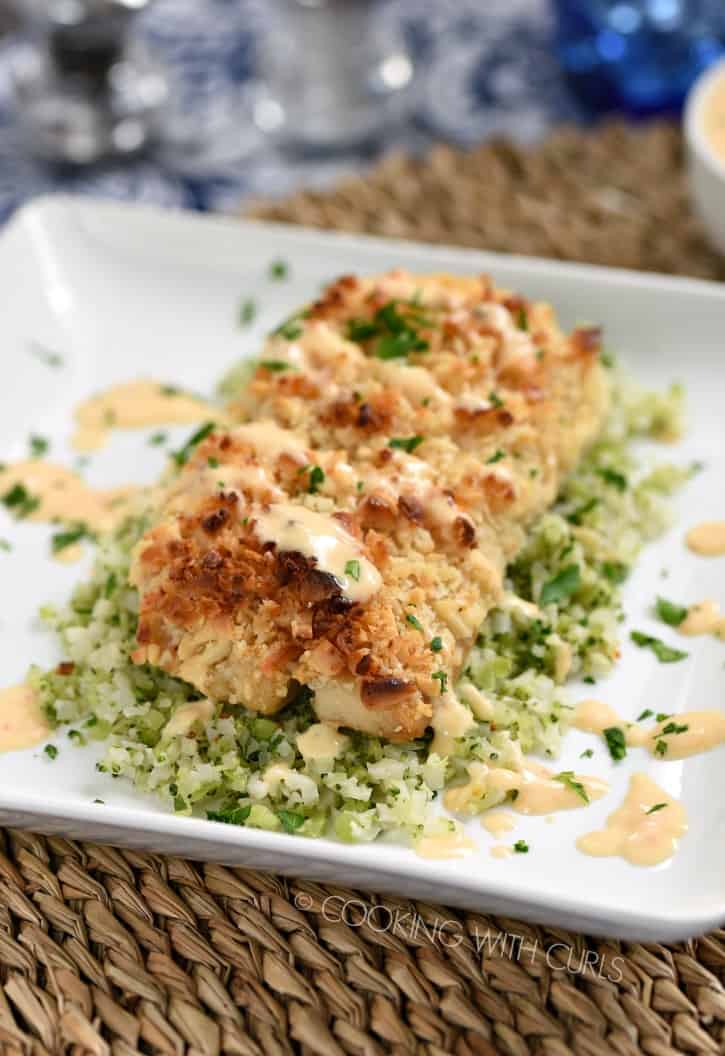
Deepfrying adds breading (carbs) and a lot of extra oil, turning a lowglycemic food into a caloriedense indulgence. A typical fried fish fillet can contain 3040g of carbs from the batter and double the fat, which may lead to a noticeable glucose rise.
What seafood should diabetics avoid?
Steer clear of highly processed options like fish sticks, breaded shrimp, and sugary seafood cocktails. These often contain hidden sugars, excess sodium, and unhealthy trans fats.
Practical Everyday Tips
DoandDont checklist
- Do: Choose lowsodium, oilpacked tuna; rinse if you want less oil; pair with fiberrich veggies.
- Dont: Eat straight from the can in large amounts; rely on tuna as your sole protein source; ignore portionsize calories.
Quick tip for busy mornings
Stir a can of tuna into a bowl of overnight oats (unsweetened) with a spoonful of almond butter. It sounds odd, but the protein steadies glucose, and the flavor combo becomes a satisfying, lowsugar breakfast.
Conclusion
In short, tuna in oil can be a smart, proteinpacked, omega3rich option for people with diabetes when you watch portion size, pick lowsodium brands, and pair it with nonstarchy sides. The extra calories from oil arent a dealbreaker if you fit them into your daily budget, and the hearthealthy fats may even help offset the higher cardiovascular risk that comes with diabetes.
Give the easy yogurtmayo salad a try, track how your blood sugar responds, and feel free to experiment with other lowcarb toppings. Your body will thank you for the balanced nutrition, and your taste buds will love the variety.
Whats your favorite way to enjoy canned tuna? Share your goto recipe or a tip youve learned on the journey were all in this together, and every story helps someone else make a healthier choice.
FAQs
Does tuna in oil raise blood sugar levels?
No. Tuna contains zero carbohydrates, and the oil’s fat actually slows digestion, helping to keep post‑meal glucose spikes low.
How many calories are in a typical 5‑oz can of tuna packed in oil?
A standard 5‑oz can provides about 190 kcal, mainly from the added oil (≈9 g fat) while still delivering ~20 g of protein.
Is the type of oil used important for diabetics?
The common oils (olive, canola, soybean) are all low‑glycemic. Choose olive‑oil for extra monounsaturated fats and polyphenols, but watch total calorie intake.
What portion size of tuna in oil is safe for a weekly diabetes‑friendly diet?
One 5‑oz can (≈190 kcal) per day or about 3‑4 cans per week fits well within a 2,000‑kcal plan and keeps mercury exposure low when you pick light tuna.
Can I use mayonnaise with tuna in oil without harming my blood sugar?
Regular mayo adds fat but no carbs, so it won’t spike glucose. Use it sparingly (≈1 Tbsp = 90 kcal) or swap with Greek yogurt for fewer calories and extra protein.