Introduction
The indian vegetables list features a vibrant range of fresh produce central to flavorful Indian cooking. Knowing these indian vegetable names and uses gives your meals authenticity and nutrition. Yet, many home cooks face hurdles when they overcook or use the wrong methods, dulling the natural taste and benefits of these vegetables. This guide shares practical advice on how to cook Indian vegetables perfectly, ensuring you enjoy fresh, aromatic dishes every time.
Key Highlights
Why an Indian Vegetables List Matters
The benefits of Indian vegetables go far beyond their colors and textures. Vegetables like okra, eggplant, and drumstick provide fiber, antioxidants, and key vitamins that support digestion and immunity. Using the right common Indian vegetable ingredients maintains these health perks and enhances your meals depth of flavor. This list will help you choose wisely and cook knowledgeably.
Versatility in Indian Cooking
Traditional Indian cooking methods include frying, steaming, roasting, and slow simmering. Indian vegetables thrive with these techniques, whether creating crispy stir-fries or creamy stews. Each vegetable offers unique taste and texture possibilities that adapt well to many vegetarian Indian recipes, inviting you to experiment with both classic and creative dishes.
Ingredients Safety Considerations
Most Indian vegetables are safe for everyday meals. However, some like nightshades and bitter gourd may cause sensitivities, especially if you have allergies or digestive issues. It helps to consult a healthcare professional when introducing unfamiliar vegetables into your diet for the first time.
Ingredients & Preparation
| Prep time | Total time | Servings | Calories | Diet tags |
|---|---|---|---|---|
| 15 minutes | 25-30 minutes | 4 | Approx. 90 per serving | Vegan, Gluten-Free, Dairy-Free |
Ingredient List with Substitutions
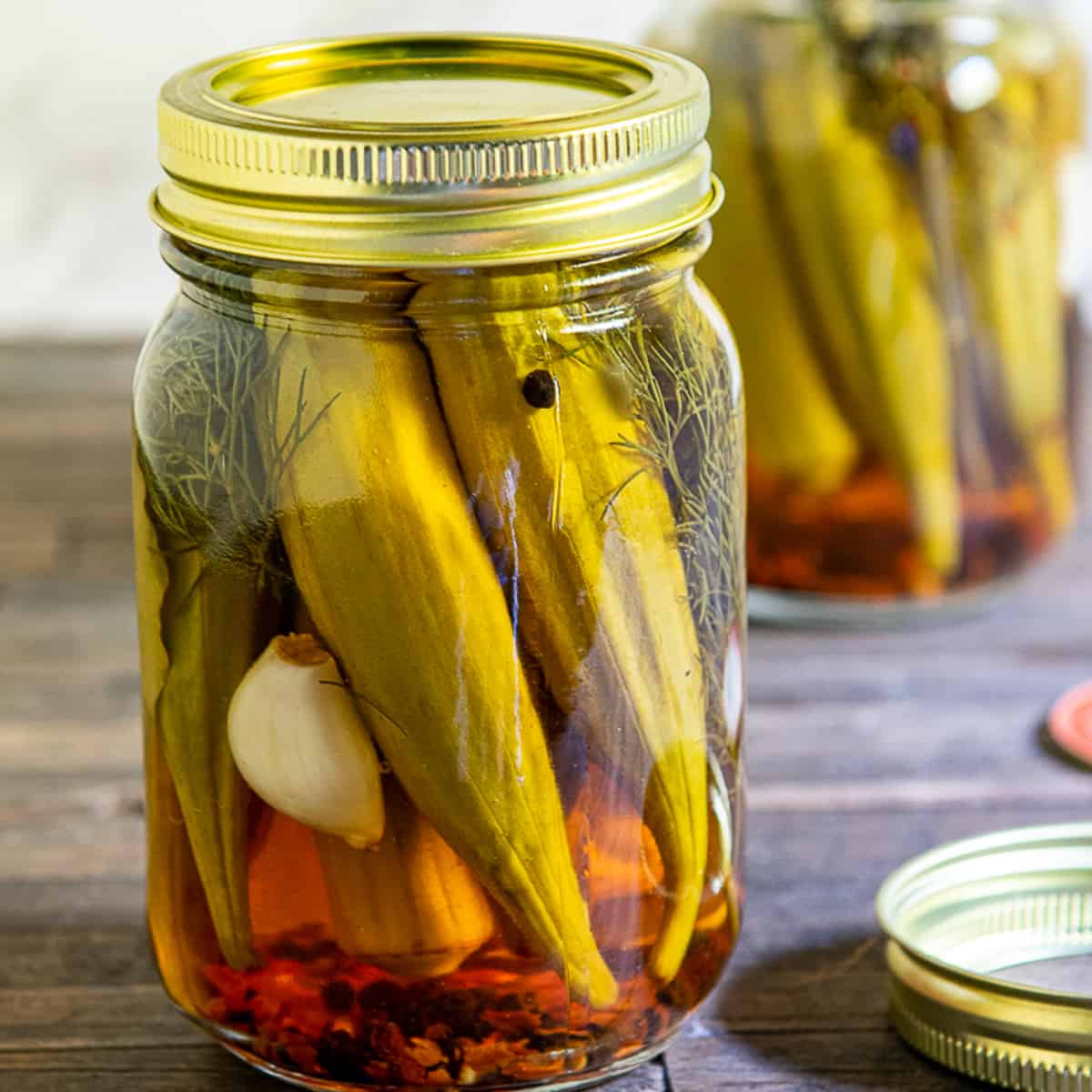
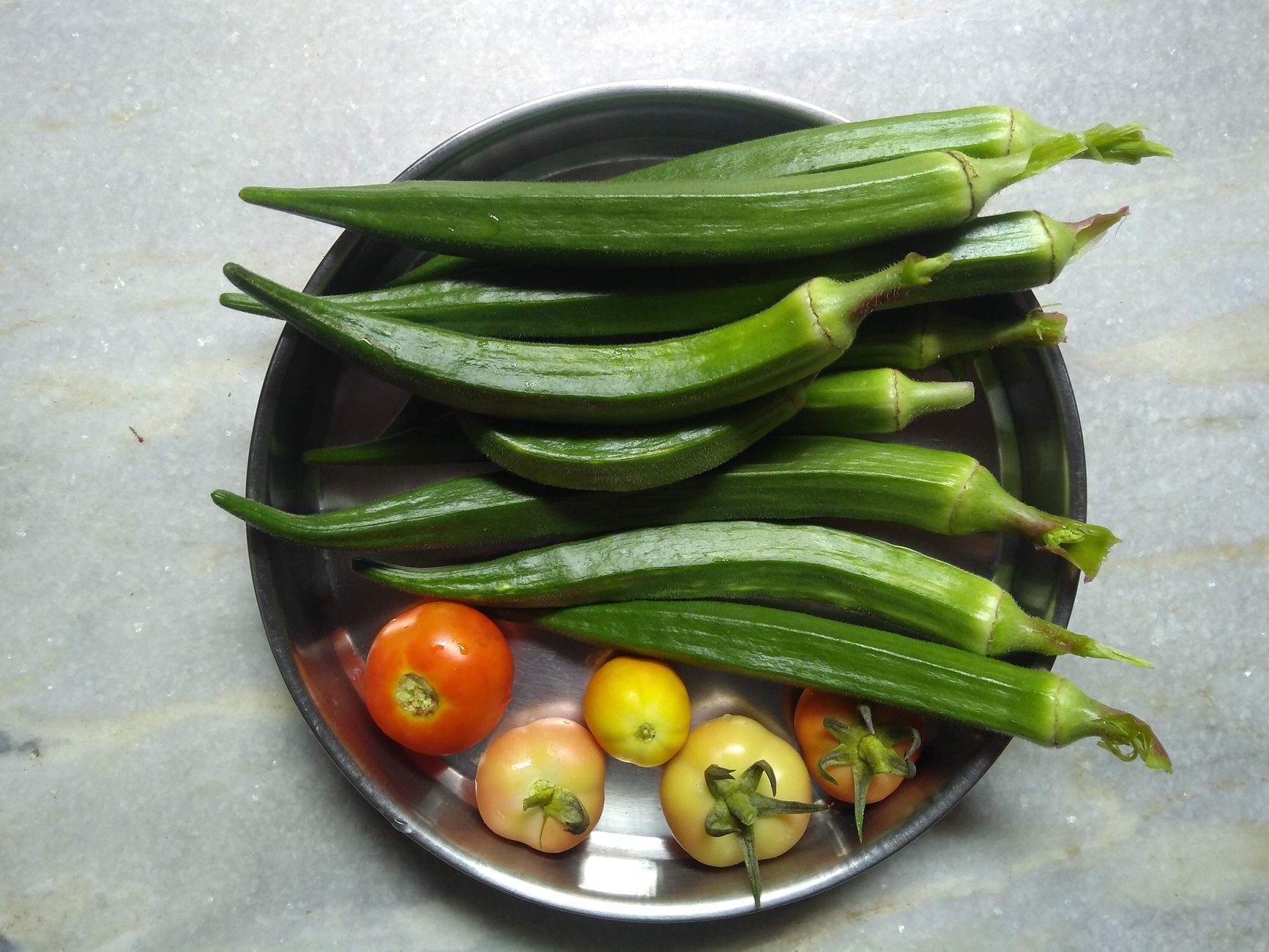
- Okra 200g (green beans can substitute)
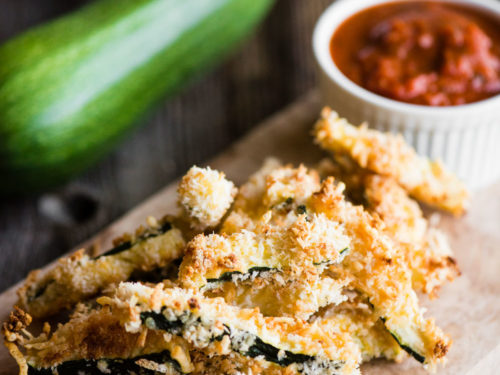
- Eggplant (Brinjal) 150g (zucchini as alternative)
- Drumstick pods 100g (green beans substitute)
- Bitter gourd 100g (optional, omit if preferred)
- Tomatoes 100g (fresh preferred, canned okay)
- Turmeric powder 1 tsp
- Cumin powder 1 tsp
- Mustard seeds 1 tsp
- Salt to taste
- Cooking oil 2 tbsp (mustard or vegetable oil preferred)
Equipment Needed
A sharp knife and sturdy cutting board make prep smooth and safe. For cooking, use a thick-bottomed pan or a traditional kadhai for even heating. A steamer basket is handy to preserve nutrition when using steaming methods.
Choosing Fresh Vegetables
Look for bright, firm vegetables without blemishes or soft spots. Organic produce reduces pesticide risks but is optional. Fresh okra should snap easily, and drumstick pods should be slender and firm. Avoid wrinkled or dull-hued vegetables to ensure freshness and flavor.
Step-by-Step Instructions
Step 1 Wash and Prep Carefully
Rinse all vegetables under cold running water to remove dirt and pesticides. Peel eggplant only if its skin feels tough or waxy. Okra and drumstick pods keep their skin ontrim the ends gently. Tomatoes should be chopped finely. Proper prep sets the stage for perfect cooking.
Step 2 Cook with Care to Avoid Overcooking
Heat 2 tablespoons of oil on medium (about 160C or 320F). Add mustard seeds and wait until they pop, releasing aroma (around 30 seconds). Add drumstick pods first, cooking for 7 minutes, stirring occasionally. Next, add okra and eggplant, cooking covered on low-medium heat for 10 minutes. Avoid cooking beyond tender-crisp texture to retain nutrients and avoid mushiness.
Step 3 Add Spices and Mix Gently
Add turmeric powder, cumin powder, and salt to taste after vegetables are nearly cooked. Stir gently for 23 minutes, taking care not to mash delicate slices. Salt added late prevents excess moisture release, which keeps your dish crisp and vibrant.
Step 4 Serve or Store Properly
Serve hot to enjoy fresh aromas and optimal texture. For leftovers, cool completely before refrigerating in airtight containers. Store for up to 4 days at 4C (39F). Reheat gently on low heat to preserve moisture. Avoid microwaving on high to prevent drying out.
Variations & Substitutions
Seasonal Swaps and Local Choices
Depending on availability, substitute bitter gourd with zucchini or bottle gourd for milder taste. Leafy greens like spinach or fenugreek leaves add freshness and nutritional boost. Feel free to adjust vegetables based on whats fresh and accessible.
Swapping Ingredients and Flavor Effects
Replacing drumstick pods with green beans will soften the earthiness you expect but adds a fresh crunch. Zucchini instead of eggplant lightens the dishs texture and flavor. Each swap changes your dishs character slightly, allowing experimentation.
Adjusting Flavors
Add chili powder or fresh green chilies to elevate heat, or a pinch of sugar to balance bitter flavors like those from bitter gourd. You can tailor your spice levels and seasonings to your liking with ease.
Storage & Shelf Life
Refrigerator Storage
Store cooked vegetables in airtight containers at 4C (39F). They keep fresh for 34 days if not exposed to moisture or contamination. Glass containers are preferred for maintaining flavor and avoiding odors.
Freezer Tips
Freeze cooled dishes in portion-sized airtight bags or containers. Label with date and store at -18C (0F). Use within 2 months for optimal taste and texture. Thaw overnight in the refrigerator before reheating on low heat.
Batch Cooking Advice
For gatherings or meal prepping, scale ingredients proportionally. Cook larger quantities but cool quickly before storing. Mark containers with preparation date to manage freshness and prevent waste.
Pro Tips & Troubleshooting
Preventing Onion and Turmeric Stains
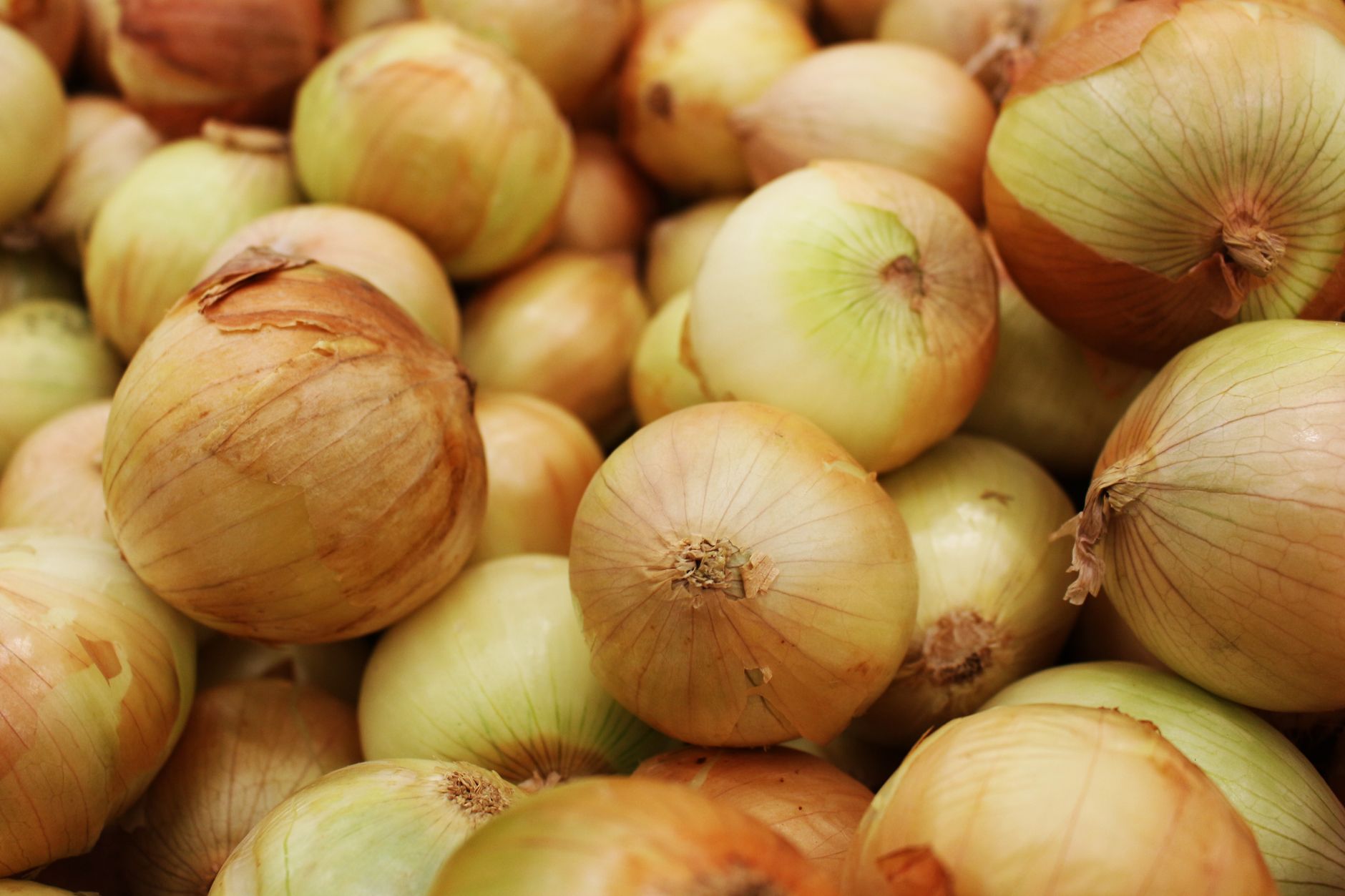
Turmeric and onions stain skin easily. Wear disposable gloves during prep or rub hands with lemon juice afterward. This neutralizes stains and keeps your hands looking clean and fresh.
Fixing Mushy or Bitter Vegetables
Vegetables become mushy when overcooked or from using old produce. Use crisp, fresh vegetables and cook over medium heat until just tenderabout 15 minutes total. Reduce cooking time for softer varieties or smaller cuts. Bitter taste often signals immature or overcooked bitter gourd; soak slices briefly in salt water to reduce bitterness.
Expert Flavor Upgrade
Add a tempering (tadka) of mustard seeds and curry leaves in hot oil right before serving. This sizzling step releases fragrant oils that boost aroma and adds a delightful texture contrast, lifting your dish from simple to spectacular.
Frequently Asked Questions
When is the best time to eat Indian vegetables list dishes?
Indian vegetable dishes are great for lunch or dinner when you want a nutrient-rich meal. Cooking vegetables to tender-crisp just before serving preserves their fresh flavors and nutritional value.
Can I make a big batch of Indian vegetable dishes ahead?
Yes, you can batch cook and refrigerate leftovers in airtight containers for up to 4 days. Reheat gently on low to keep flavors and textures intact.
Which is better: fresh vegetables or dried Indian spices?
Fresh vegetables provide essential texture and subtle taste, while dried spices bring concentrated aroma and heat. Using both together yields authentic and flavorful meals.
Is this indian vegetables list safe for pregnant women and kids?
Generally safe when prepared hygienically and cooked well. Pregnant women and children should avoid extremely bitter or spicy varieties like bitter gourd if tolerance is low.
How often can I eat Indian vegetable dishes?
Indians often eat vegetable dishes daily as part of a balanced diet. Variety is keyrotating vegetables helps keep meals interesting and nutritious.
Why does my cooked vegetable dish taste bitter sometimes?
Bitterness often comes from overcooked bitter gourd or underripe vegetables. Using mature produce and limiting cooking time reduces bitter flavor.
What pairs well with Indian vegetable dishes?
Serve with plain basmati rice, chapati, or lentil dal for a complete meal. Side yogurts or raitas balance spices nicely.

More Recipes You Will Love
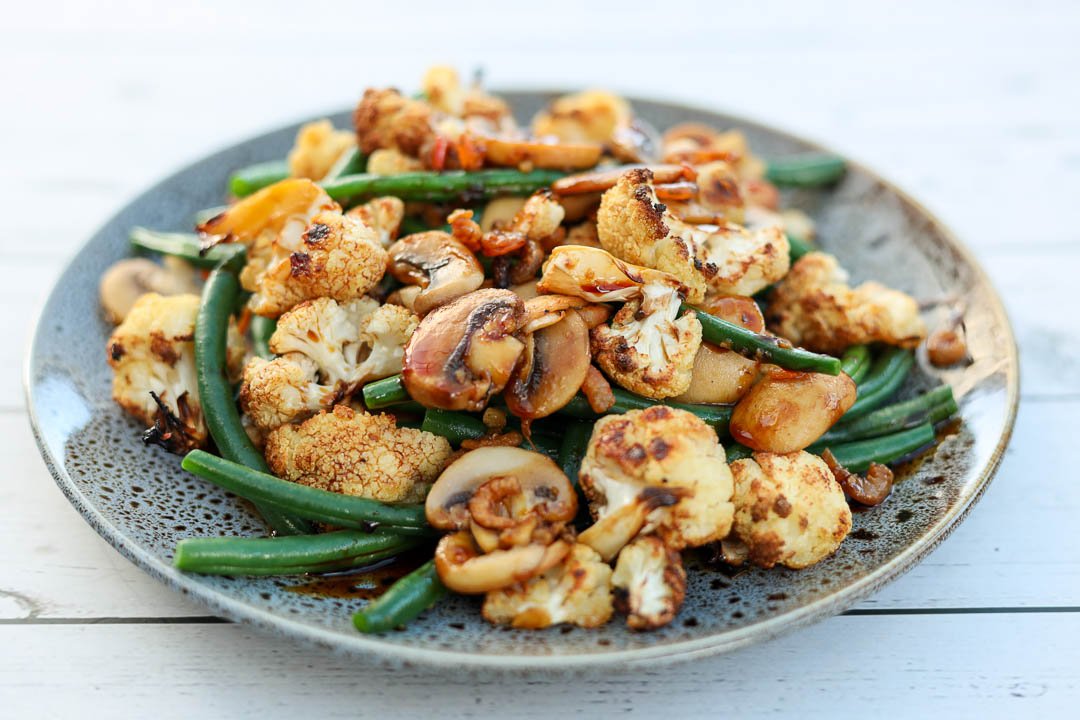
- Indian roasted vegetables recipe offers a smoky twist on your everyday vegetable sides.
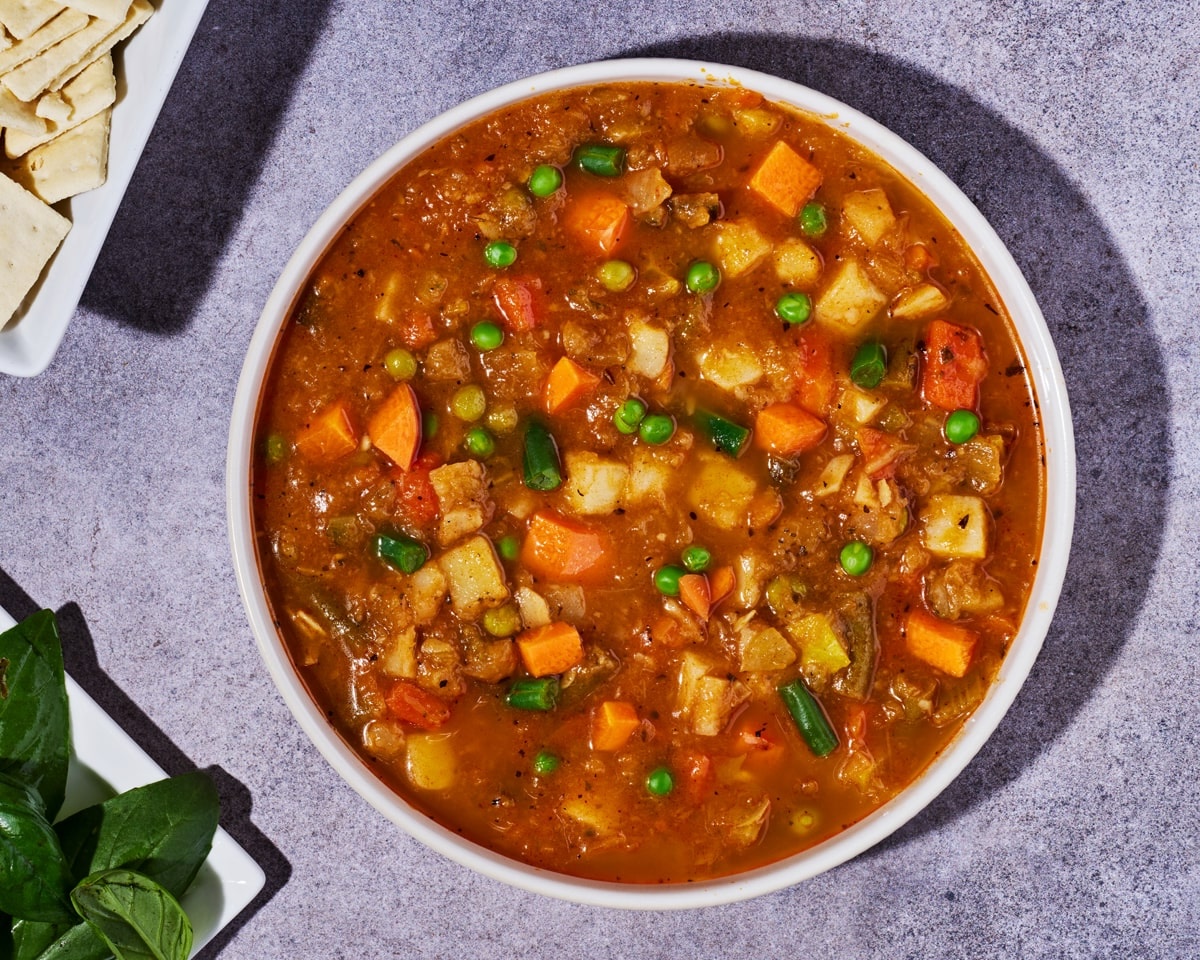
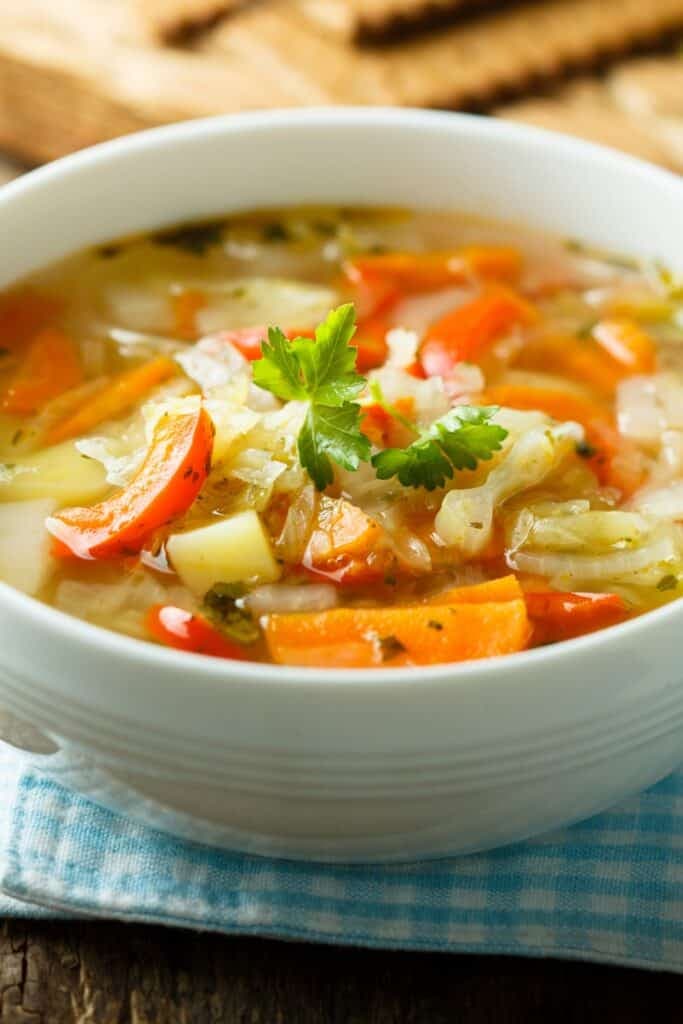
- Enjoy a hearty 10 vegetable soup recipe for weight loss packed with wholesome veggies and spices.
- Try the comforting and flavorful 10 vegetable soup recipe to warm you on chilly days.
Conclusion
Understanding the indian vegetables list helps you avoid common mistakes and unlock authentic flavors. Cooking these vegetables just right ensures vibrant, healthy meals that satisfy your palate and body. Give these tips a try next time you prepare an Indian vegetable dish. Share your culinary wins or questions below, and explore our classic aloo gobi recipe for more inspiration.
FAQs
When is the best time to eat indian vegetables list?
Indian vegetable dishes are best enjoyed at lunch or dinner when you want a nutrient-rich meal. Cooking vegetables to a tender-crisp texture just before serving preserves their fresh flavors and nutritional value, ensuring the most satisfying experience.
Can I make a big batch of Indian vegetable dishes ahead?
Yes, you can batch cook Indian vegetable dishes and refrigerate leftovers in airtight containers for up to 4 days. Reheat gently on low heat to maintain flavors and texture without drying out the dish.
Which is better: fresh vegetables or dried Indian spices?
Using fresh vegetables provides texture and subtle taste, while dried spices add concentrated aroma and heat. Combining both creates authentic and flavorful Indian meals that balance nutrition and rich flavors.
Is this indian vegetables list safe for pregnant women and kids?
Generally, Indian vegetables are safe when prepared hygienically and cooked properly. However, pregnant women and children should avoid extremely bitter or spicy varieties like bitter gourd if their tolerance is low to prevent discomfort.
Why does my cooked vegetable dish taste bitter sometimes?
Bitterness usually arises from overcooking bitter gourd or using underripe vegetables. Using mature produce, soaking bitter gourd slices in salt water, and limiting cooking time can reduce unwanted bitterness.