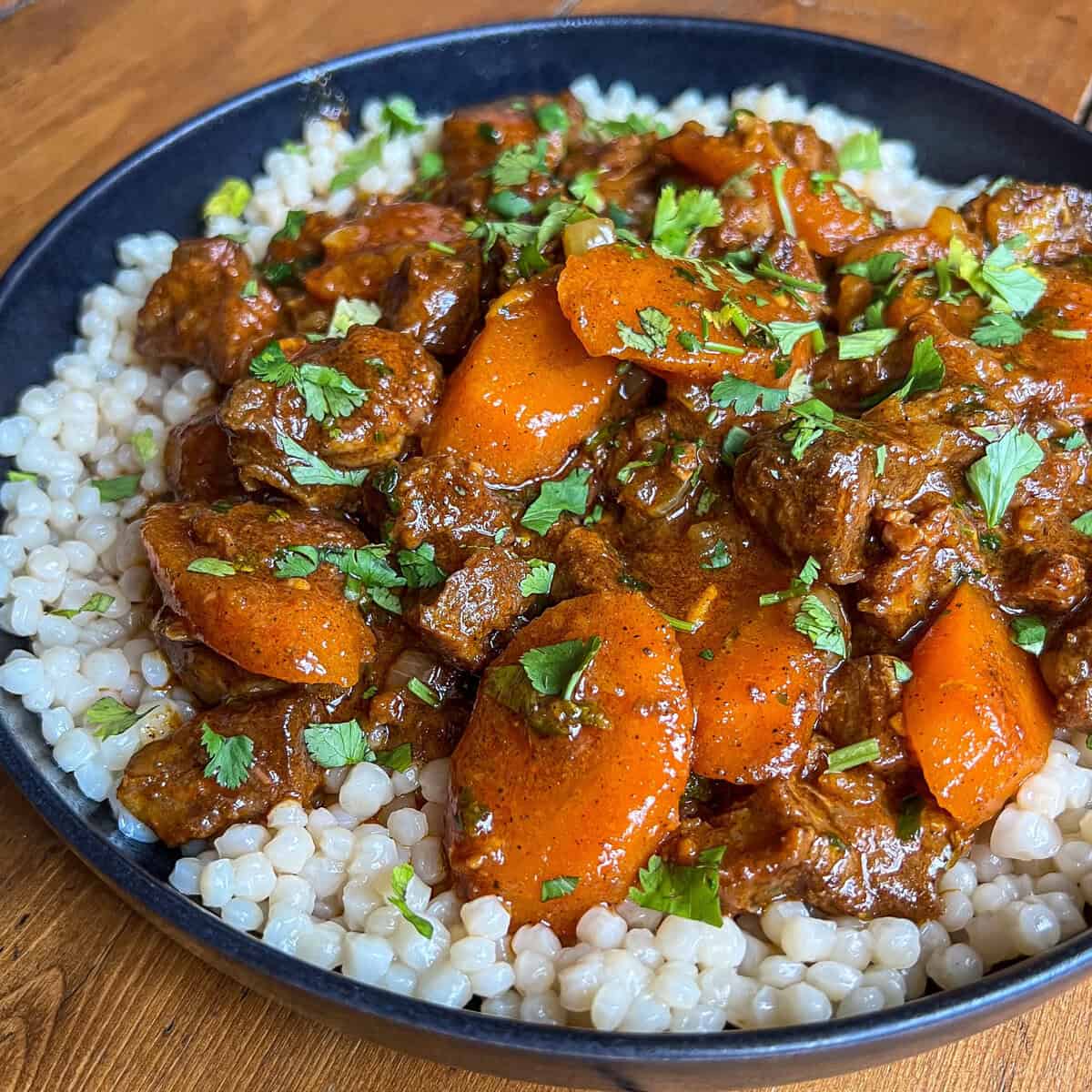
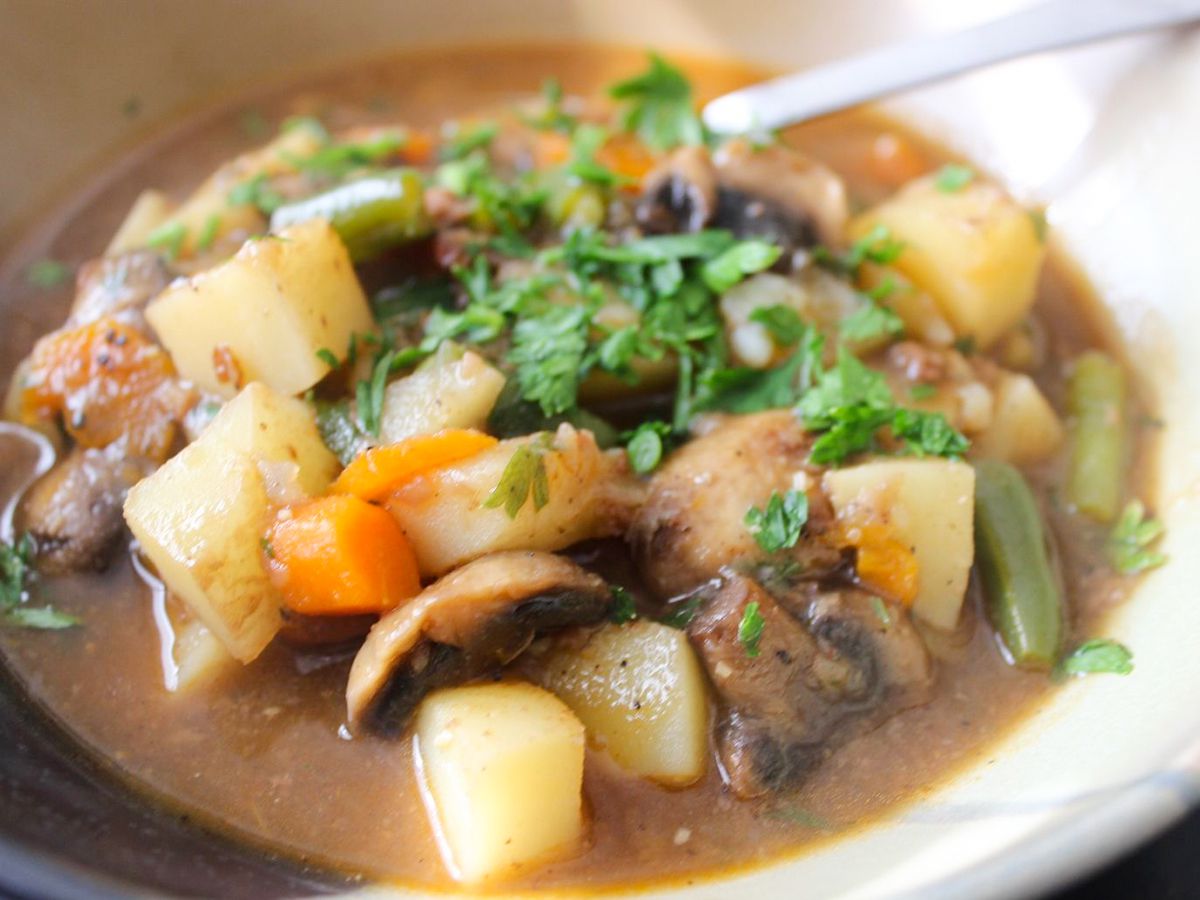
Craving a dish that feels both comforting and adventurous? This Indian coconut beef curry delivers buttery richness from a beef curry recipe with coconut milk, tender beef that falls apart with a fork, and a zing of SouthIndian spices all in under an hour. No need to hunt for obscure ingredients; everything you need is likely already in your pantry or a quick stop at the market.
Below you’ll find everything from the exact ingredient list to easy shortcuts, health‑focused side notes, and personal tips that turned a simple dinner into a family favorite. Let’s get cooking, shall we?
What Sets It Apart
Indian vs. Thai Coconut Beef Curry
Both Indian and Thai versions share coconut milk as a creamy base, but the flavor direction diverges. Indian coconut beef curry leans on toasted mustard seeds, curry leaves, and a blend of coriander and fennel that give it an earthy, aromatic profile. Thai coconut beef curry, on the other hand, introduces lemongrass, galangal, and Thai basil for a brighter, citrus‑forward taste. The difference is like comparing a deep, velvety jazz piece to a lively samba—both delightful, just tuned to different moods.
Quick Comparison
| Aspect | Indian Coconut Beef Curry | Thai Coconut Beef Curry |
|---|---|---|
| Key Aromatics | Mustard seeds, curry leaves, fennel | Lemongrass, galangal, kaffir lime |
| Typical Heat | Medium to hot (red chilies) | Medium (birds eye chilies) |
| Common Sides | Steamed rice, appam, naan | Jasmine rice, coconut rice |
Why Coconut Milk Works with Beef
The fat in coconut milk acts like a sponge, soaking up fat‑soluble spice compounds such as turmeric and cumin. This creates a sauce that feels luxurious without being greasy, while the gentle simmer breaks down collagen in the beef, turning tough cuts into melt‑in‑your‑mouth morsels.
Key Ingredients
Core Essentials
- Beef: Chuck or short ribs work best; they have enough marbling to stay juicy.
- Coconut milk: Full‑fat varieties (around 20% fat) give the sauce its silkiness.
- Spice blend: Mustard seeds, fennel seeds, coriander seeds, cumin, red chili powder, and a pinch of turmeric.
- Aromatics: Onion, garlic, ginger, and fresh curry leaves.
- Acid balance: A splash of tamarind paste or a squeeze of lime brightens the palate.
Optional Add‑Ons for South Indian Beef Curry with Coconut Milk
If you want to push the flavor envelope, toss in a handful of grated coconut, a teaspoon of fenugreek, or a couple of dried red chilies. These extras give the dish the signature smoky depth found in many South Indian households.
Ingredient Substitution Chart
| Original | Substitute | Effect |
|---|---|---|
| Full‑fat coconut milk | Light coconut milk | Less richness, lower calories |
| Beef chuck | Ground beef | Shorter cooking time, different texture |
| Curry leaves | Bay leaf + extra mustard seed | Milder aroma |
Step‑by‑Step Guide
QuickPrep Overview (5‑Minute Prep)
Grab a cutting board, slice the onion, mince garlic and ginger, and measure your spices. While the beef rests at room temperature for a few minutes, you’ll have everything ready to go the moment the pan heats up.
Detailed Instructions
1. Sear the Beef
Heat a heavy‑bottomed pot over medium‑high heat, add a splash of oil, and brown the beef in batches. Don’t crowd the pan—those golden crusts are flavor powerhouses. Once seared, set the meat aside.
2. Temper the Spices
In the same pot, toss in mustard seeds. When they start to pop, add curry leaves, fennel, and cumin. Let them sizzle for 30 seconds; the fragrant oils will rise, creating a fragrant base that feels like a warm hug.
3. Build the Sauce
Add onions, garlic, and ginger. Stir until the onions turn translucent, then sprinkle in chili powder, turmeric, and coriander. Cook for another minute—this step unlocks the spices’ full potential.
4. Add Coconut Milk & Simmer
Return the beef to the pot, pour in the coconut milk, and stir to coat every piece. Bring the mixture to a gentle boil, then reduce to a simmer. Cover and let it cook for 30‑40 minutes, or until the meat is fork‑tender. If you prefer a thicker sauce, uncover for the last 10 minutes.
5. Finish with Freshness
Stir in tamarind paste or a squeeze of lime, sprinkle chopped cilantro, and give it one last taste. Adjust salt and heat if needed—your palate is the final judge.
Video Inspiration
For visual learners, check out a quick step‑by‑step cooking video that walks through each stage.
Easy Variations
One‑Pot Shortcut (Easy Beef Curry with Coconut Milk)
Swap the searing step for a quick sauté of the spices and aromatics, then add raw beef cubes directly. If you prefer a faster version, try our easy beef curry recipe. The dish will still be delicious, though it may need a few extra minutes to become fully tender.
Slow‑Cooker Version (Beef Coconut Curry Slow Cooker)
After sautéing the spices and aromatics, transfer everything to a slow cooker. Cook on low for 6‑8 hours or high for 3‑4 hours. The low‑and‑slow method renders the beef incredibly melt‑in‑your‑mouth soft, perfect for busy weekdays.
Veggie Boost: Potatoes & Tomatoes
Dice potatoes or add cubed tomatoes about halfway through simmering. The starch from potatoes thickens the sauce naturally, while tomatoes lend a subtle tang that balances the coconut’s sweetness. This aligns with popular searches for beef curry with coconut milk and potatoes and beef curry with coconut milk and tomatoes.
Side‑Dish Pairings
- Steamed basmati rice lets the sauce shine.
- Appam or dosa—traditional South Indian breads.
- Garlic naan for a fusion twist.
- Coconut rice echoes the curry’s creamy profile.
Health Benefits & Risks
Nutritional Boost from Coconut Milk
Coconut milk provides medium‑chain triglycerides (MCTs) that are quickly metabolized for energy, plus vitamins C, E, and several B‑vitamins. According to a study by the International Journal of Food Sciences, MCTs may support heart health when consumed in moderation.
Potential Downsides
The dish is rich in saturated fat, and excessive intake can raise cholesterol for some individuals. Also, the heat from chilies may irritate sensitive stomachs. If you’re watching calories, use light coconut milk or trim excess fat from the beef.
Balanced Tips
- Use a mix of full‑fat and light coconut milk for a creamy yet lighter sauce.
- Add plenty of fresh cilantro or mint at the end for a burst of antioxidants.
- Pair with fiber‑rich brown rice or quinoa to offset the richness.
Chef Tips & Stories
Chef’s Secret: Toast Before Grinding
A small but mighty trick—toast fennel, cumin, and coriander seeds in a dry pan for a minute before grinding. This releases hidden aromatics, turning a good curry into an unforgettable one.
My First Attempt
I still remember the first time I tried this recipe. I overspiced the chilies and nearly set off the smoke alarm! After dialing it back and adding a splash of coconut milk, the flavors mellowed beautifully. That mishap taught me the value of tasting as you go—a habit that now saves countless culinary disasters.
Credible Sources for Safety
When handling raw beef, always follow USDA guidelines for safe cooking temperatures (internal temperature should reach 145°F followed by a three‑minute rest). This ensures both taste and food safety.
Final Thoughts
This Indian coconut beef curry strikes a perfect balance between indulgence and nutrition, offering a creamy, aromatic sauce that cozies up to tender beef. Whether you’re using a stovetop, a pressure cooker, or a slow‑cooker, the core flavors stay true—deep, spicy, and irresistibly comforting. Give it a try tonight, experiment with the veggie add‑ins, and let us know which variation became your go‑to. Happy cooking, and may your kitchen always be filled with warmth and good smells!
FAQs
What cut of beef works best for this curry?
Chuck or short ribs are ideal because the marbling keeps the meat juicy and they become melt‑in‑your‑mouth tender during the simmer.
Can I use a pressure cooker to speed up the recipe?
Yes—after sautéing the aromatics, add the beef and coconut milk, then pressure cook on high for 25‑30 minutes. Let the pressure release naturally for best texture.
Is it possible to make this dish vegetarian?
Swap the beef for firm tofu, tempeh, or hearty vegetables like cauliflower and potatoes; keep the spices and coconut milk for the same depth of flavor.
How spicy is the curry and can I adjust the heat?
The recipe uses red chili powder and optional dried chilies for medium‑to‑hot heat. Reduce or omit the chilies for a milder version, or add extra for more kick.
What are the best side dishes to serve with Indian coconut beef curry?
Steamed basmati rice, fluffy coconut rice, appam, dosa, or garlic naan all pair beautifully, letting the creamy sauce shine.