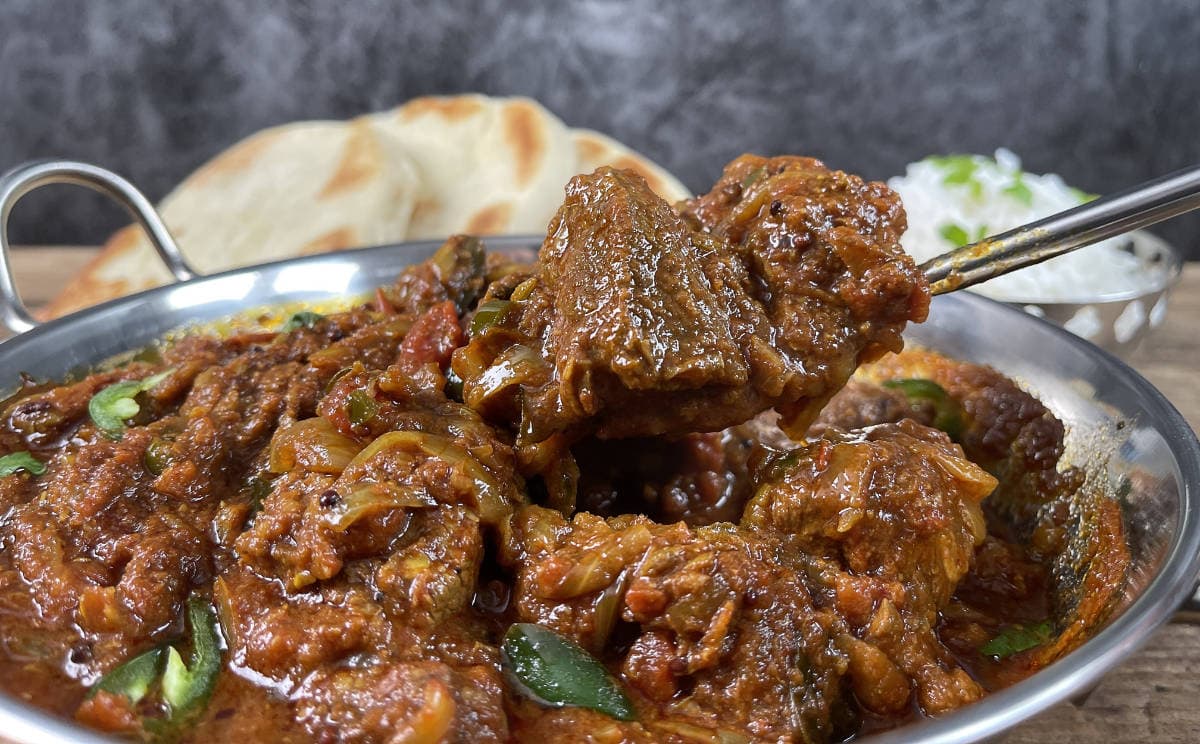
Craving a bold, coconut‑kissed beef curry that’s ready in under an hour? You’ve just stumbled on the south Indian beef curry recipe that will give you that rich, aromatic punch without any guesswork. Whether you’re a seasoned home‑cook or just starting out, this guide walks you through the ingredients, the steps, and a handful of tasty twists so you can serve a plate that feels both comforting and unforgettable.
Why It Stands Out
Core Ingredients That Define the Flavor
What makes a South Indian curry sing? It’s the marriage of fresh aromatics, earthy spices, and a splash of creamy coconut milk. Below is the essential pantry list:
- Beef (chuck or short ribs, about 1 kg)
- Onion, garlic, ginger – the holy trinity of flavor
- Turmeric, mustard seeds, fennel seeds, curry leaves
- Red chilies (adjust to taste)
- Coconut milk (for that silky finish)
- Tomato puree, salt, and a pinch of sugar
- Optional: potatoes for heartiness
The Science Behind the Spice Blend
Each spice brings a chemical that does more than taste good. Turmeric’s curcumin has anti‑inflammatory properties, while fennel’s anethole can aid digestion. According to a study on spice phytochemicals, these compounds work synergistically to boost both flavor and health benefits research shows. Knowing the why helps you appreciate the bowl a little more.
Step‑by‑Step Guide
Marinating the Beef
Start by cutting the beef into bite‑size chunks. A quick 30‑minute marination in yogurt, a dash of turmeric, and a sprinkle of salt does wonders:
- Yogurt: its acidity tenderises the meat.
- Turmeric: adds colour and depth.
Set it aside while you prep the aromatics.
Building the Curry Base
Heat a heavy‑bottomed pot and add a splash of oil. Toss in mustard seeds; when they pop, throw in the curry leaves, fennel seeds, and chopped onions. Saute until the onions turn golden‑brown – that’s when the sugars caramelise and give the curry its sweet‑savory backbone.
Adding Liquids: Tomato vs. Coconut Milk
Once the onions are soft, stir in ginger, garlic, and red chilies. Add tomato puree and let it simmer for a few minutes. Now comes the fork in the road:
- Tomato‑rich: perfect for a traditional, slightly tangy profile.
- Coconut‑rich: pour in 400 ml coconut milk for a luscious, creamy texture – the hallmark of the south Indian beef curry recipe with coconut milk.
Cooking Methods
You can finish the curry in three ways, depending on your schedule:
| Method | Time | Result |
|---|---|---|
| Stovetop simmer | 30‑40 min | Classic, slightly thick sauce |
| Slow‑cooker | 4‑6 h low | Fall‑apart tenderness |
| Pressure‑cooker | 15 min | Ultra‑quick, juicy bites |
Whichever you pick, add the marinated beef after the base is fragrant, then cover and let the magic happen.
Timing & Temperature Cheat Sheet
For a foolproof result, keep these numbers in mind:
- Sear beef (if you like a crust) – 2 min per side on high heat.
- Simmer after adding liquids; maintain a gentle boil (about 180 °F/82 °C).
- Check tenderness at 25 min; if it’s still firm, give it another 10‑15 min.
Tasty Curry Variations
South Indian Beef Curry with Coconut Milk
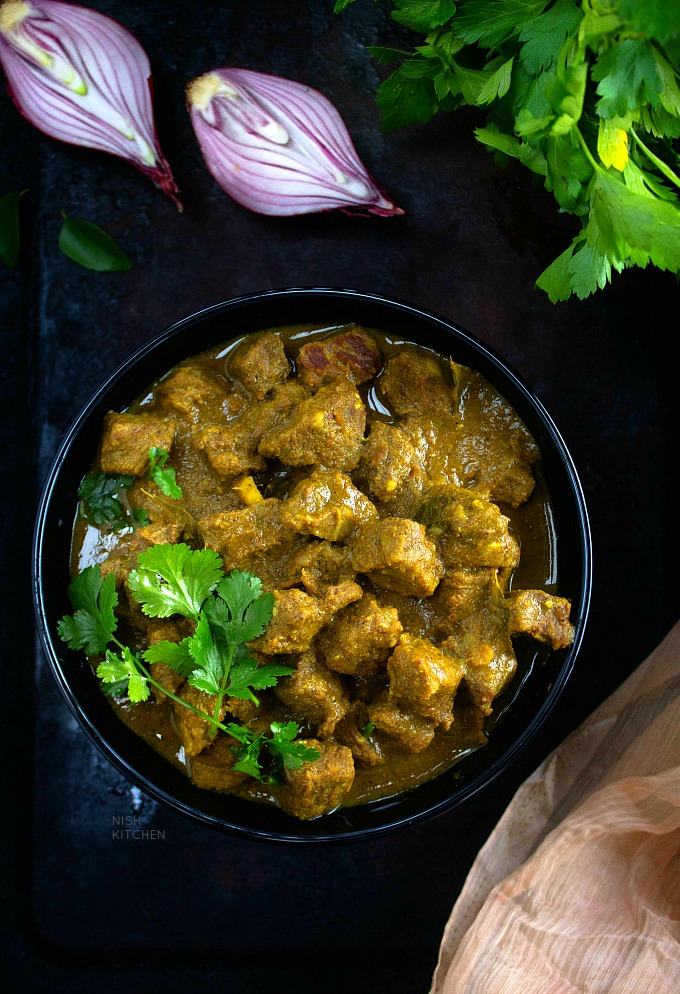
This is the headline version – rich, velvety, and perfect over a mound of steamed rice.
Indian Beef Curry with Potatoes
Drop in two medium potatoes, peeled and cubed, right after you add the liquid. They soak up the spices and add a comforting heft. It also works beautifully as an Indian beef curry recipe for those who love a heartier bite.
Easy Beef Curry Recipe
Skip the mustard seeds and fennel, and use store‑bought curry powder. It’s still delicious and cuts prep time in half.
Best Beef Curry Recipe
If you’re after the ultimate depth of flavor, try the best beef curry recipe – simply extend the simmer by 10 minutes and finish with a drizzle of fresh coconut oil.
Old‑Fashioned Beef Curry
For those nostalgic evenings, use a blend of whole spices, a splash of tamarind, and garnish with fried onions – a nod to classic Kerala kitchens.
Coconut Beef Curry (Southeast‑Asian Twist)
Swap the coconut milk with coconut cream, add kaffir lime leaves, and finish with a squeeze of lime. It’s a bright, tropical version that pairs well with jasmine rice.
Comparison Table
| Variation | Flavor Profile | Spice Level | Prep / Cook Time | Best For |
|---|---|---|---|---|
| Coconut Milk | Creamy, sweet‑savory | Medium | 45 min | Rice lovers |
| With Potatoes | Hearty, earthy | Medium‑Low | 50 min | Family meals |
| Easy | Simplified, smooth | Low | 30 min | Beginners |
| Old‑Fashioned | Robust, smoky | Medium‑High | 1 h | Traditional gatherings |
| Southeast‑Asian | Tart, aromatic | Medium | 45 min | Adventurous diners |
Pro Cooking Tips
Selecting the Right Cut
Chuck and short ribs have enough connective tissue to become melt‑in‑your‑mouth after a gentle simmer. If you’re watching calories, lean sirloin works too; just shorten the cooking time to avoid dryness.
Balancing Heat & Aromatics
Start with one dried red chili, taste, and then add more if you like it hotter. Remember, the heat mellows as the curry cooks, so a little extra at the start is fine.
Common Pitfalls & Fix‑It Solutions
Problem: Curry looks grainy.
Fix: Blend a tablespoon of water‑soaked cashews into the sauce – it smooths the texture instantly.
Problem: Beef stays tough.
Fix: Make sure the pot is simmering, not boiling; a gentle bubble keeps the meat tender.
Quick FAQ
- Can I freeze the curry? Absolutely – cool it quickly, portion, and freeze for up to three months.
- How to make it less spicy? Omit the dried chilies and add a spoonful of coconut cream at the end.
Nutrition & Balance
Nutritional Snapshot
One serving (250 g) provides roughly:
- Protein: 22 g
- Fat: 12 g (saturated ~5 g from coconut milk)
- Carbohydrates: 8 g (plus any potatoes you add)
- Calories: ~250 kcal
Health Benefits of Key Spices
Turmeric, ginger, and black pepper together boost absorption of curcumin, a known antioxidant. Fennel seeds aid digestion, while curry leaves are rich in vitamin C and iron.
Potential Risks & Mitigation
Those watching cholesterol may want to use light coconut milk or a plant‑based alternative. Salt should be added gradually; taste as you go to keep sodium in check.
Lighter Alternatives
Swap half the coconut milk for low‑fat Greek yogurt, and add extra vegetables like carrots or bell peppers. You’ll still get that signature creaminess without the extra fat.
Serving & Pairings
Traditional Accompaniments
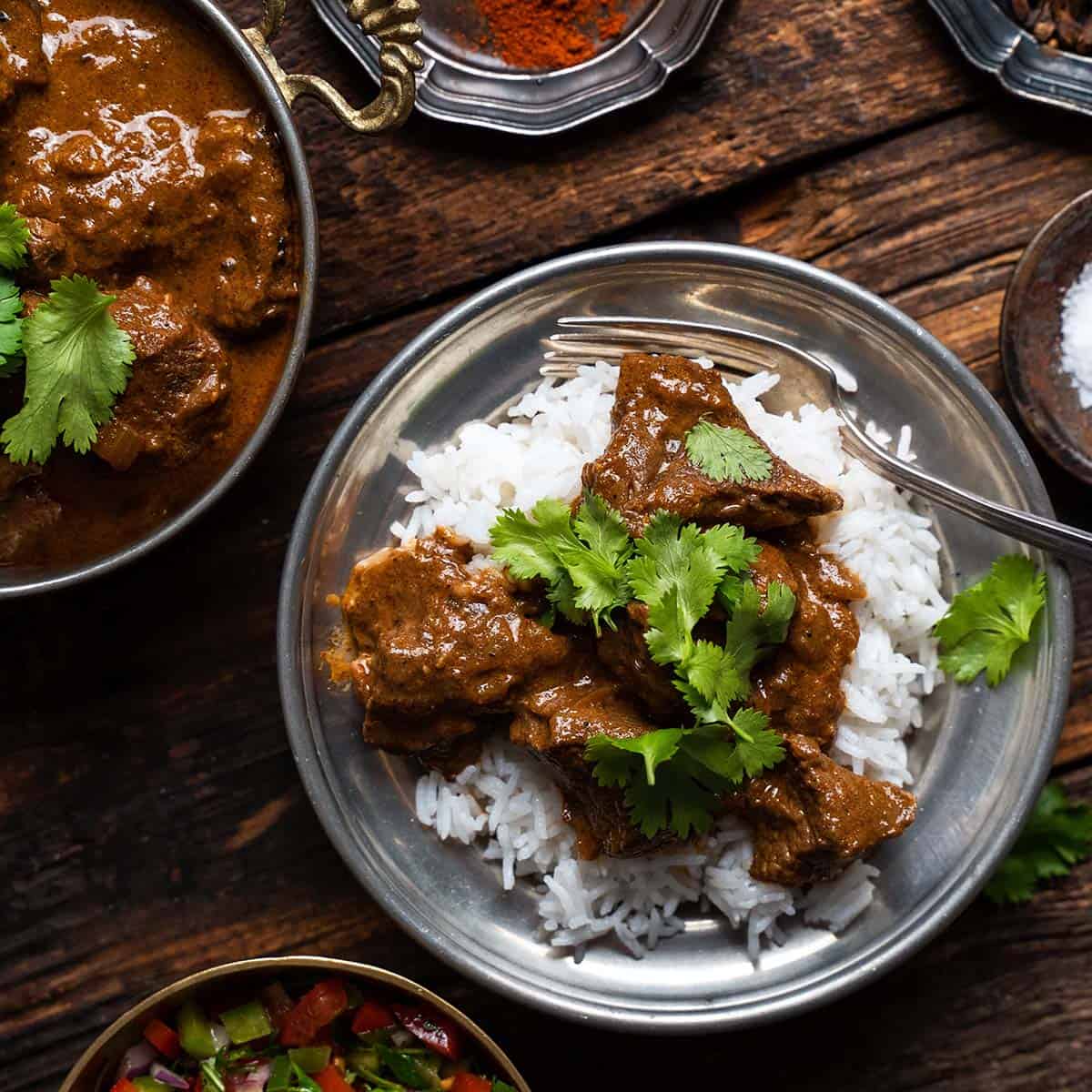
In Kerala homes, this curry often partners with steaming hot appam (rice‑floured pancakes) or a fluffy bowl of basmati rice. The slight sweet‑sour tang of the coconut balances the bold spices perfectly.
Modern Twists
Try it over quinoa for a protein boost, or spoon it onto a toasted naan for a fusion bite. A quick garnish of fresh cilantro and a wedge of lime adds colour and zing.
Plating & Photography Tips
For that Instagram‑ready look, place a generous ladle of curry in the centre of a white plate, sprinkle toasted coconut flakes on top, and line the side with a sprig of curry leaf. The contrast of the deep brown sauce against the bright garnish makes the dish pop.
Real‑World Experience
Home‑Cook Story
Last winter, I tried this recipe for a friends‑gathering. One guest, a devout vegetarian, asked for a just‑the‑sauce version. I simply omitted the beef and added extra potatoes and chickpeas. The result? Everyone claimed it was the best vegetarian curry they’d ever tasted – proof that the flavor base stands on its own.
Restaurant‑Style Kerala Beef Curry
After watching a chef’s demo on a popular cooking channel, I discovered that the secret to restaurant‑level tenderness is a short sear before the simmer. The chef also recommends finishing with a drizzle of fresh coconut oil for an extra glossy sheen video tutorial.
Expert Voices
Chef Anjali Menon, a noted Kerala specialist, stresses the importance of fresh curry leaves. She says they lose their aroma within minutes of being harvested, so using them right after washing makes a noticeable difference.
Credible Sources & Further Reading
For deeper dives into spice chemistry, check out The Flavor Bender blog, and for traditional Indian cooking techniques, the Food & Wine article on Kerala cuisine is a goldmine.
Enjoying a bowl of this South Indian beef curry isn’t just about the taste; it’s about the story, the culture, and the simple joy of sharing something homemade. I hope the steps, tips, and variations above inspire you to roll up your sleeves and give it a go.
Got a twist of your own? Maybe you added a handful of spinach or swapped beef for lamb. I’d love to hear what you discovered in your kitchen. Happy cooking!
FAQs
What cut of beef works best for this South Indian curry?
Chuck or short ribs are ideal because their connective tissue breaks down during simmering, giving a melt‑in‑your‑mouth texture.
Can I make this curry in a pressure cooker?
Yes! After building the base, add the marinated beef and cook on high pressure for about 15 minutes for quick, tender results.
How do I control the spiciness of the curry?
Start with one dried red chili; taste and add more if you prefer extra heat. You can also remove the seeds to reduce the heat.
Is it possible to freeze leftovers?
Absolutely. Cool the curry completely, portion it into airtight containers, and freeze for up to three months. Reheat gently on the stove.
What are good side dishes to serve with this curry?
Traditional pairings include steamed basmati rice, appam, or naan. For a twist, try quinoa, cauliflower rice, or a fresh cucumber raita.