Why Hot Chocolate Recipe Is a Timeless Treat
Picture a mug filled with steaming, velvety hot chocolate, its rich aroma wrapping you in warmth. This classic drink captivates with its mix of creamy milk and melting chocolate, delivering comfort with every sip. Whether on chilly evenings or whenever you crave a luscious dessert, a well-made hot chocolate recipe evokes a cozy feeling like no other. Beyond just taste, it ignites your senses with a silky texture and subtly bittersweet flavor, creating an experience that satisfies both body and soul.
Health Benefits & Nutrition
While hot chocolate is often enjoyed as a treat, it also offers surprising health perks when made with quality ingredients. Dark chocolate is rich in antioxidants called flavonoids that support heart health by improving blood flow and reducing inflammation, according to a study published in the American Journal of Clinical Nutrition. Milk adds essential calcium and protein, aiding bone strength and muscle repair. Additionally, the comforting warmth of hot chocolate can promote relaxation and reduce stress levels, thanks to its mood-enhancing compounds like theobromine and phenylethylamine.
However, be mindful if you have caffeine sensitivity or lactose intolerance. Pregnant individuals should consume moderate amounts due to caffeine content. For people with allergies, double-check ingredient labels to avoid reactions to dairy or chocolate.
Ingredients & Preparation
Recipe Card
| Prep Time | Total Time | Servings | Calories (per serving) | Diet Tags |
|---|---|---|---|---|
| 20 minutes | 25 minutes | 4 to 5 servings | 449 kcal | Gluten-Free, Nut-Free, Vegetarian |
Full Ingredient List
- 2 ½ cups whole milk
- 2 cups half-and-half cream
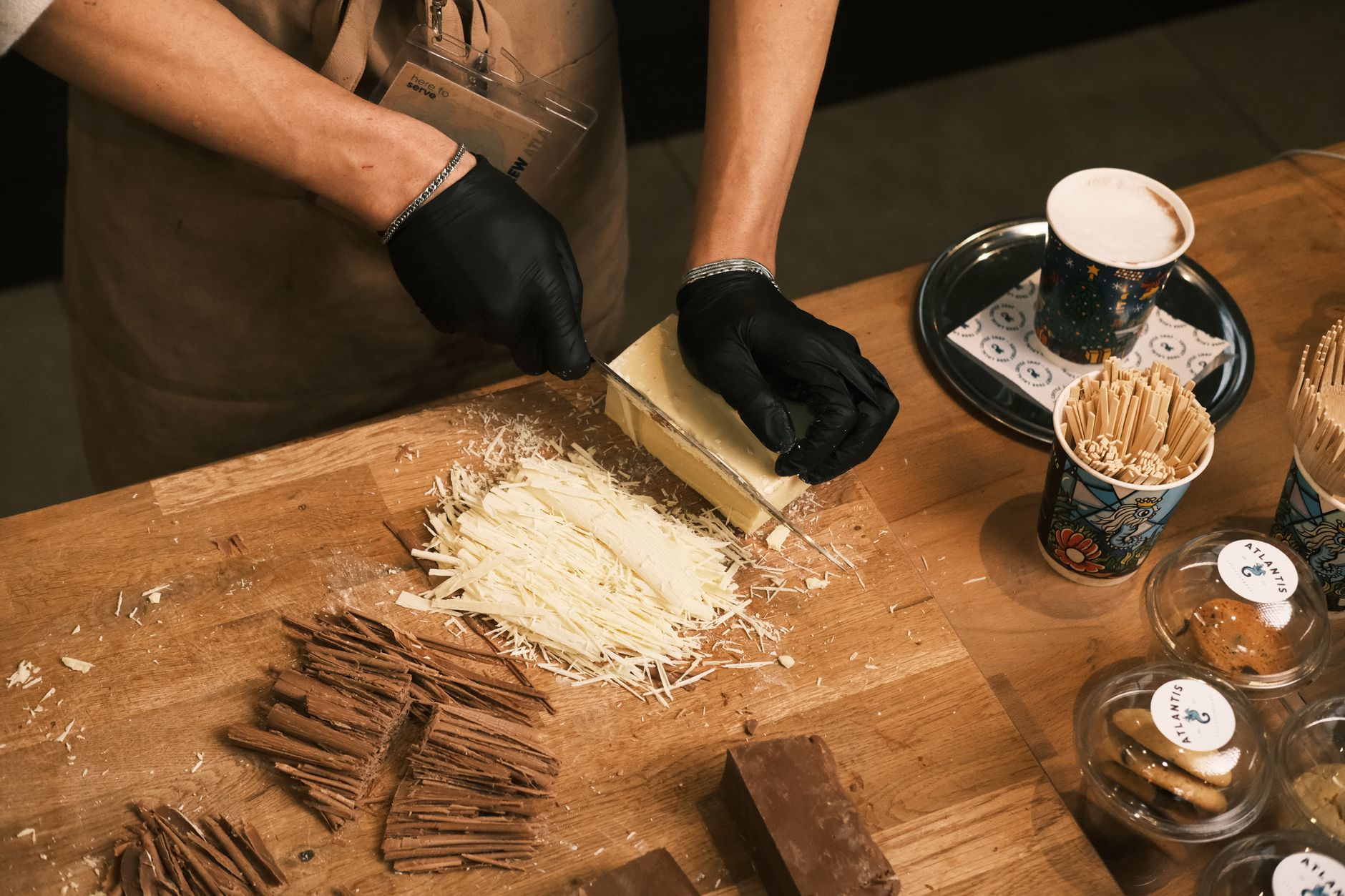
- 4 ounces bittersweet chocolate, chopped
- 4 ounces milk chocolate, chopped
- 1 tablespoon sugar
- 1 teaspoon pure vanilla extract
- 1 teaspoon instant espresso or coffee powder
- Vanilla beans or cinnamon sticks for garnish (optional)
Equipment Needed
- Medium saucepan
- Whisk
- Chopping board and knife
- Measuring cups and spoons
- Serving mugs
Tips for Choosing Quality Ingredients
Select high-quality chocolate with at least 60% cocoa content to balance richness and natural sweetness. Opt for fresh whole milk and half-and-half to create a creamy mouthfeel without overpowering fat content. Pure vanilla extract elevates the flavor, so avoid artificial substitutes. When using espresso powder, choose a fine grind to dissolve fully and avoid grit. Fresh vanilla beans or cinnamon sticks enhance aroma and presentation if you want a fancy garnish.
Step-by-Step Instructions
Step 1: Warm the Dairy (15 minutes)
Pour whole milk and half-and-half into a medium saucepan. Heat over medium flame until just below a simmer—around 180°F (82°C). This gentle warmth prevents scorching while preparing the liquid for chocolate melting.
Step 2: Melt the Chocolate (5 minutes)
Remove the pan from heat. Add chopped bittersweet and milk chocolate to the warm milk mixture. Stir continuously until all chocolate pieces dissolve completely, forming a smooth, glossy base.
Step 3: Add Flavorings (2 minutes)
Whisk in the sugar, pure vanilla extract, and instant espresso powder vigorously. This blends sweetness, depth, and rich aroma into the hot chocolate.
Step 4: Reheat Gently (3 minutes)
Return the pan to low heat. Warm gently while stirring—avoid boiling—to maintain texture and flavor balance until ready to serve.
Step 5: Serve and Garnish
Pour hot chocolate into mugs. Garnish each with a vanilla bean or cinnamon stick for a sensory touch that enhances the sipping experience.
Variations & Substitutions
Customizing your hot chocolate recipe can add exciting new flavors and accommodate dietary needs.
- Vegan Version: Replace whole milk and half-and-half with unsweetened almond, oat, or coconut milk. Use dairy-free chocolate for a plant-based delight.
- Spiced Hot Chocolate: Add a pinch of cayenne pepper, chili powder, or ground nutmeg while heating the milk mixture for a warm, spicy kick.
- Mint Chocolate: Stir in ½ teaspoon peppermint extract along with the vanilla for a refreshing twist reminiscent of holiday flavors.
Storage & Shelf Life
Store leftover hot chocolate in an airtight container in the refrigerator for up to 2 days. Gently reheat on low heat, stirring often to restore smoothness. Freezing hot chocolate is possible but not recommended, as chocolate can separate and powder may clump, altering texture.
Signs of spoilage include sour smell, curdled appearance, or off taste. Discard immediately if any of these occur to ensure safety.
Pro Tips
- Warm milk slowly to prevent burning and maintain a creamy texture.
- Use a whisk to melt chocolate thoroughly and avoid clumps for a silky finish.
- Add espresso powder for a slight bitterness that balances the sweetness without a strong coffee taste.
- For a thicker texture, stir in a small amount of cornstarch dissolved in milk during reheating.
- Prevent staining on cups and cloth by wiping immediately after serving with warm water.
When is the best time to drink Hot Chocolate Recipe?
Hot chocolate shines best during chilly weather or as a comforting evening treat. It’s perfect after outdoor activities in cold climates or as a cozy dessert to unwind. Its warming properties make it ideal for sipping by the fireplace or during holiday gatherings.
Can I use low-fat milk instead of whole milk?
While you can substitute low-fat milk, the drink will lose some creaminess and richness. For best texture, combine low-fat milk with a splash of cream or use half-and-half as in the original recipe.
Is this hot chocolate recipe suitable for children?
Yes, this recipe is safe for children if you omit the espresso powder. The sugar content is moderate, but you can adjust sweetness according to your child’s preference.
How do I prevent the chocolate from burning?
Heat milk slowly over medium to low heat and remove from direct heat once hot. Stir constantly as you add chocolate to melt it gently and avoid scorching.
Can I use cocoa powder instead of chopped chocolate?
Yes, but you’ll need to adjust the recipe. Cocoa powder requires additional fat like butter or cream to replicate the creamy texture and richness of melted chocolate.
What’s the difference between bittersweet and milk chocolate in this recipe?
Bittersweet chocolate provides deep cocoa flavor and slight bitterness that balances sweetness. Milk chocolate adds creaminess and a milder cocoa note. Combining both creates a harmonious, full-bodied hot chocolate.
How can I make this recipe vegan?
Use plant-based milk like almond or oat milk and select vegan dark chocolate free of dairy. Skip half-and-half or replace it with coconut cream for richness.
Can I prepare this hot chocolate ahead of time?
You can prepare the base a few hours ahead, refrigerate it, and reheat gently before serving. Avoid boiling upon reheating to preserve smooth texture and prevent wearing down delicate chocolate flavors.

More Recipes You Will Love
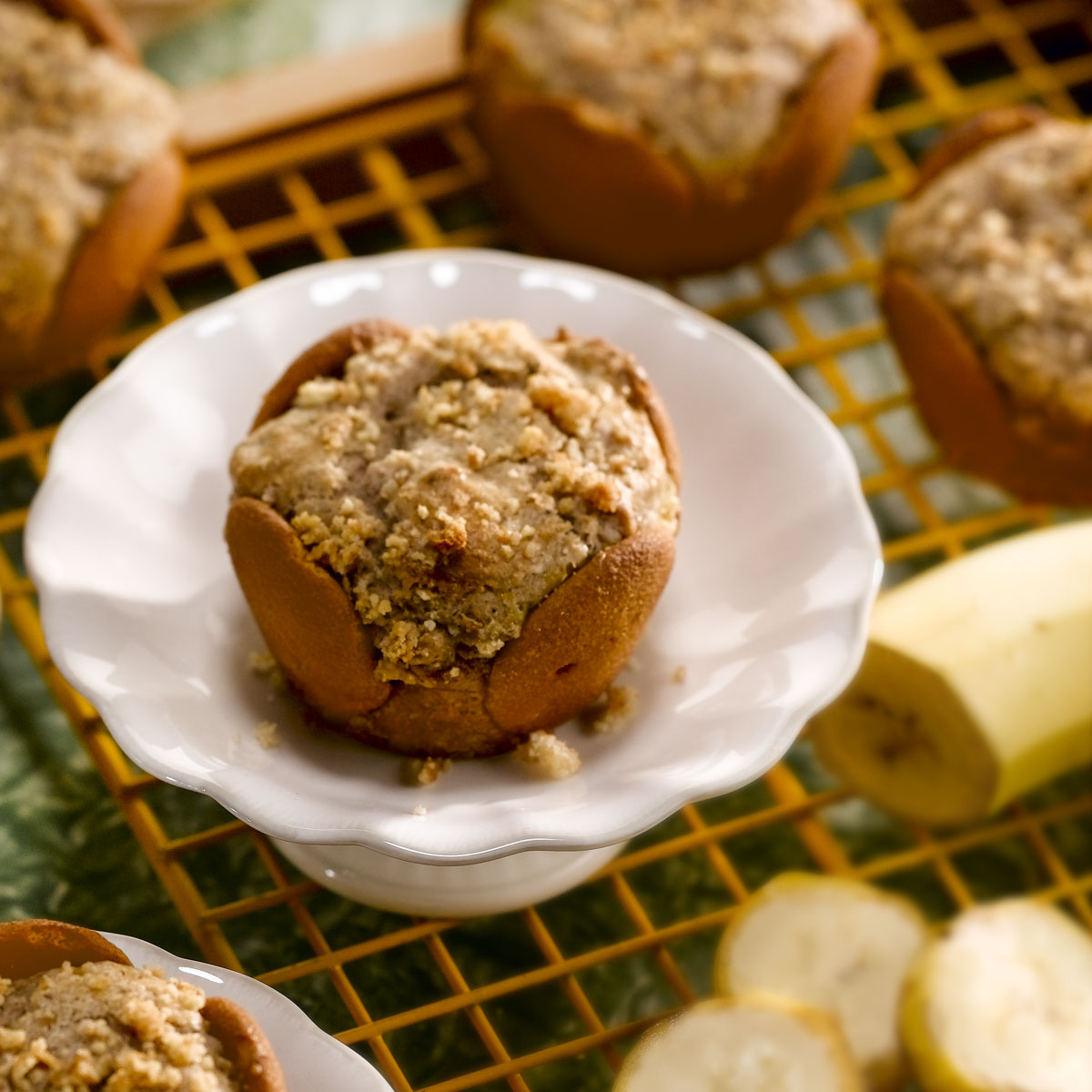
If you enjoy the decadence of this hot chocolate recipe, you might love pairing it with a Nigella ice cream, condensed milk dessert that balances cold and warm treats beautifully. For a wholesome snack to accompany your drink, the Healthy banana bread recipe offers moist, flavorful bites that complement the creamy richness of hot chocolate wonderfully.

Conclusion
A perfectly crafted hot chocolate recipe fills your cup with creamy warmth and deep chocolaty goodness. With simple ingredients and easy steps, you can transform your kitchen into a cozy café. Feel free to experiment with variations and share your favorite twists. Your thoughts and experiences matter—feel free to comment below, rate this recipe, or share it with friends who love delightful desserts.
FAQs
When is the best time to drink Hot Chocolate Recipe?
The best time to enjoy hot chocolate is during cold or chilly weather when you need a warm, comforting drink. It is also perfect as a cozy dessert or relaxing treat any time you want to indulge in a creamy, chocolatey beverage.
Can I make this hot chocolate recipe dairy-free?
Yes, you can substitute whole milk and half-and-half with plant-based milk alternatives like almond, oat, or coconut milk to make a dairy-free version. Adjust sweetness as needed when using these substitutes for the best flavor.
Is there a way to make hot chocolate less sweet?
To reduce sweetness, you can lower or omit the added sugar and use bittersweet chocolate with a higher cocoa content. This will keep the richness while balancing the sweetness to your preference.
How should I store leftover hot chocolate?
Store leftover hot chocolate in an airtight container in the refrigerator for up to 2 days. Reheat gently on the stove over low heat or in the microwave, stirring frequently to restore its creamy texture.
Can I add other flavors to this hot chocolate recipe?
Absolutely! You can enhance the recipe by adding spices like cinnamon or nutmeg, a splash of peppermint extract, a pinch of chili powder for heat, or even a shot of espresso to deepen the flavor.