Gaining weight with diabetes can feel like walking a tightrope. You want to build muscle and add healthy pounds without pushing your blood sugar sky-high. Thats where high protein foods for weight gain for diabetics come in. They offer energy and muscle-building nutrients while supporting steady glucose levels. If youre wondering which proteins work best and how to fit them into your meal plan, this guide has you coveredwith clear tips, practical recipes, and balanced meal ideas.
Protein Benefits
How does protein support healthy weight gain in diabetics?
Protein is the building block of muscle, skin, and tissues. For diabetics aiming to gain weight, protein helps increase lean mass rather than just fat. It also slows digestion, which can prevent blood sugar spikes when paired with the right carbs and fats. Eating enough protein promotes steady energy and builds strength, especially when combined with resistance training.
Why balancing protein with blood sugar control matters
Too much protein at once can stress the kidneys or throw off glucose control, especially if paired with high glycemic carbs. Diabetics must balance protein intake evenly throughout the day. Prioritizing proteins with low glycemic impact helps maintain stable blood sugar. That means pairing proteins with fiber-rich vegetables or healthy fats instead of sugary sauces or starch-heavy sides.
What makes certain proteins better for diabetics aiming to gain weight?
Proteins low in saturated fat and minimal in added carbs are ideal. Lean meats, fish rich in omega-3s, and plant-based options like lentils provide protein without raising cholesterol or blood sugar. Dairy sources with controlled fat content also work well. Avoid highly processed or cured meats that can worsen insulin resistance.
Best Protein Foods
| Prep time | Total time | Servings | Calories | Diet tags |
|---|---|---|---|---|
| 10 min | 30 min | 4 | 350 | High protein, diabetic-friendly, gluten-free |
What animal-based proteins are safe and effective for diabetics?
Lean cuts of turkey, chicken breast, and white fish like cod or tilapia are excellent choices. These provide high protein with minimal saturated fat. Eggs are nutrient-dense and versatile, offering complete protein. A skinless breast of turkey, for example, supplies about 30 grams of protein per 100 grams and hardly affects blood sugar.

Which plant-based protein sources support muscle and weight gain in diabetes?
Legumes like lentils, chickpeas, and black beans deliver fiber and protein without a large glucose hit. Quinoa and tofu also provide quality plant proteins. Incorporating nuts and seeds like almonds, chia, and hemp seeds adds healthy fats and extra protein. These foods help keep blood sugar steady while increasing your caloric intake safely.
How to choose protein shakes and supplements tailored for diabetics?
Look for shakes with low or no added sugar and moderate carbs. Whey isolate or pea protein powders without fillers work well. Mixing your shake with unsweetened almond milk and adding a tablespoon of natural nut butter increases calories without spiking glucose. Avoid premade shakes loaded with hidden sugars and artificial additives.
What substitutions work if you have allergies or dietary restrictions?
If dairy or nuts arent an option, focus on seeds like pumpkin or sunflower. Pea or rice protein powders provide alternatives to whey. For meat allergies, shellfish or egg whites may fit. Rotating protein sources reduces nutrient gaps and keeps meals interesting, which supports adherence to your diabetic weight gain plan.
| Protein Source | Protein per 100g (g) | Approx. Glycemic Index | Comments |
|---|---|---|---|
| Chicken breast | 31 | 0 | Lean, no carbs, ideal for diabetics |
| Lentils | 9 | 21 | High fiber, low GI, supports blood sugar |
| Quinoa | 14 | 53 | Moderate GI, complete plant protein |
| Eggs | 13 | 0 | Zero carbs, versatile, nutrient-rich |
| Almonds | 21 | 0 | Good fats, low carbs, high protein |
Meal Planning
What are easy meal and snack ideas that boost protein without spiking blood sugar?
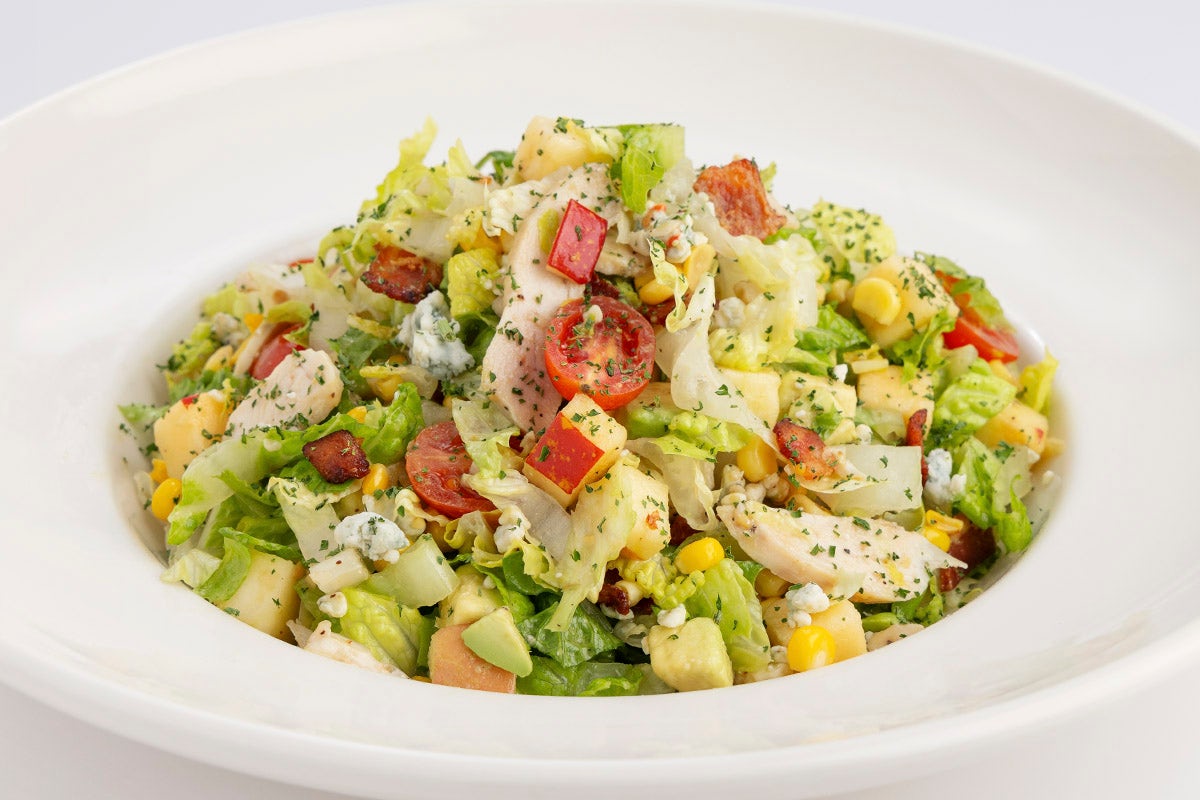
Try grilled turkey slices paired with steamed broccoli and a small quinoa salad. For snacks, Greek yogurt with a sprinkle of chia seeds or a handful of mixed nuts keeps protein high while avoiding carb overload. Another idea is a simple egg white omelet with sauted spinach and mushroomsquick, creamy, and packed with muscle-building protein.

How to prepare high-protein meals to maximize weight gain and muscle building?
Cooking methods matter. For meats, baking at 375F (190C) for 2530 minutes or pan-searing with minimal oil preserves juiciness and protein quality. Overcooking can denature protein and reduce nutrient availability. When using legumes, soak for 8 hours and simmer gently for 40 minutes to preserve texture and nutrients. Combine protein with fats like olive oil or avocado to increase calorie density and support muscle growth.
What common cooking mistakes reduce the effectiveness of these foods?
Boiling vegetables too long destroys fiber and vitamins. Frying meats at high heat can introduce unhealthy fats and advanced glycation end products (AGEs) harmful in diabetes. Relying on sugary sauces or marinades adds unwanted carbs. Avoid skipping protein at breakfast, which often leads to overeating carbs later.
For a tasty twist, consider making your own sugar free weight gainer for diabetics shakes. These provide controlled protein and calories without interference with blood sugar.
Special Diet Swaps
How to adjust protein options for type 1 vs. type 2 diabetes weight gain?
Type 1 diabetics often require more flexibility but must time insulin doses smartly around meals to prevent highs and lows. Lean animal proteins with moderate carbs work well here. Type 2 diabetics benefit from focusing on plant-based proteins and avoiding saturated fats to improve insulin sensitivity. Both types should prioritize even protein distribution throughout the day.
What vegan or vegetarian high protein swaps work without raising blood sugar?
Tempeh, seitan, and edamame are excellent vegan protein sources. Pair these with non-starchy vegetables like zucchini or kale to keep blood sugar low. Nutritional yeast sprinkled on meals adds a cheesy flavor plus B vitamins. Combining legumes with grains, such as lentils and wild rice, creates complete proteins.*

How to gain weight without increasing cholesterol or fat intake?
Focus on lean proteins and plant-based fats like avocado or flaxseed. Swap butter for olive oil and choose low-fat dairy options. Avoid processed meats and fried foods. Incorporate omega-3 rich fish such as salmon or mackerel twice weekly to improve heart health while gaining weight.
Meal Pairings
What low-carb sides complement high protein foods to aid weight gain?
Roasted non-starchy veggies like Brussels sprouts or asparagus with olive oil bring crunchy texture and nutrients. Cauliflower mashed with garlic mimics comfort foods with fewer carbs. Small servings of quinoa or barley add fiber and a moderate glycemic footprint.
How to use healthy fats alongside protein to support energy and muscle?
Adding a tablespoon of nut butter or a drizzle of flaxseed oil to meals enhances calorie intake without blood sugar spikes. Fats slow digestion, helping protein work better at muscle repair. Including a small avocado or olives in salads provides both creaminess and heart-healthy fats.
What beverages and snacks best support protein-rich meals for diabetics?
Unsweetened green tea or black coffee can support metabolism without calories. For snacks, homemade nut and seed bars or low-carb Greek yogurt with cinnamon make filling, protein-packed options. Avoid sugary drinks that cause glucose spikes and energy crashes.
Storage & Prep
How to store high protein foods safely for diabetics?
Cooked lean meats and legumes refrigerate well for 45 days in airtight containers at 40F (4C) or below. Freeze portions if not eaten within this timemost proteins keep safely frozen for 23 months. Label containers with the date to avoid confusion. Fresh eggs last 35 weeks in their carton.
Best reheating methods to preserve protein quality and flavor without blood sugar spikes
Reheat meats in a 325F (165C) oven for 1015 minutes, covered with foil to lock moisture. Microwaves can dry food but using a microwave-safe cover and shorter bursts (30 seconds at a time) help preserve texture. Avoid reheating proteins repeatedly, which breaks down amino acids.
What make-ahead meal prep ideas help maintain consistent calorie and protein intake?
Batch cook grilled chicken breasts or roasted tofu, portion into 4-ounce servings, and pair with pre-steamed green beans or spinach. Prepare lentil salads with olive oil and lemon dressing for grab-and-go meals. DIY protein shakes made from powder, nut butter, and low-carb milk store refrigerated for up to 24 hours.
Pro Tips
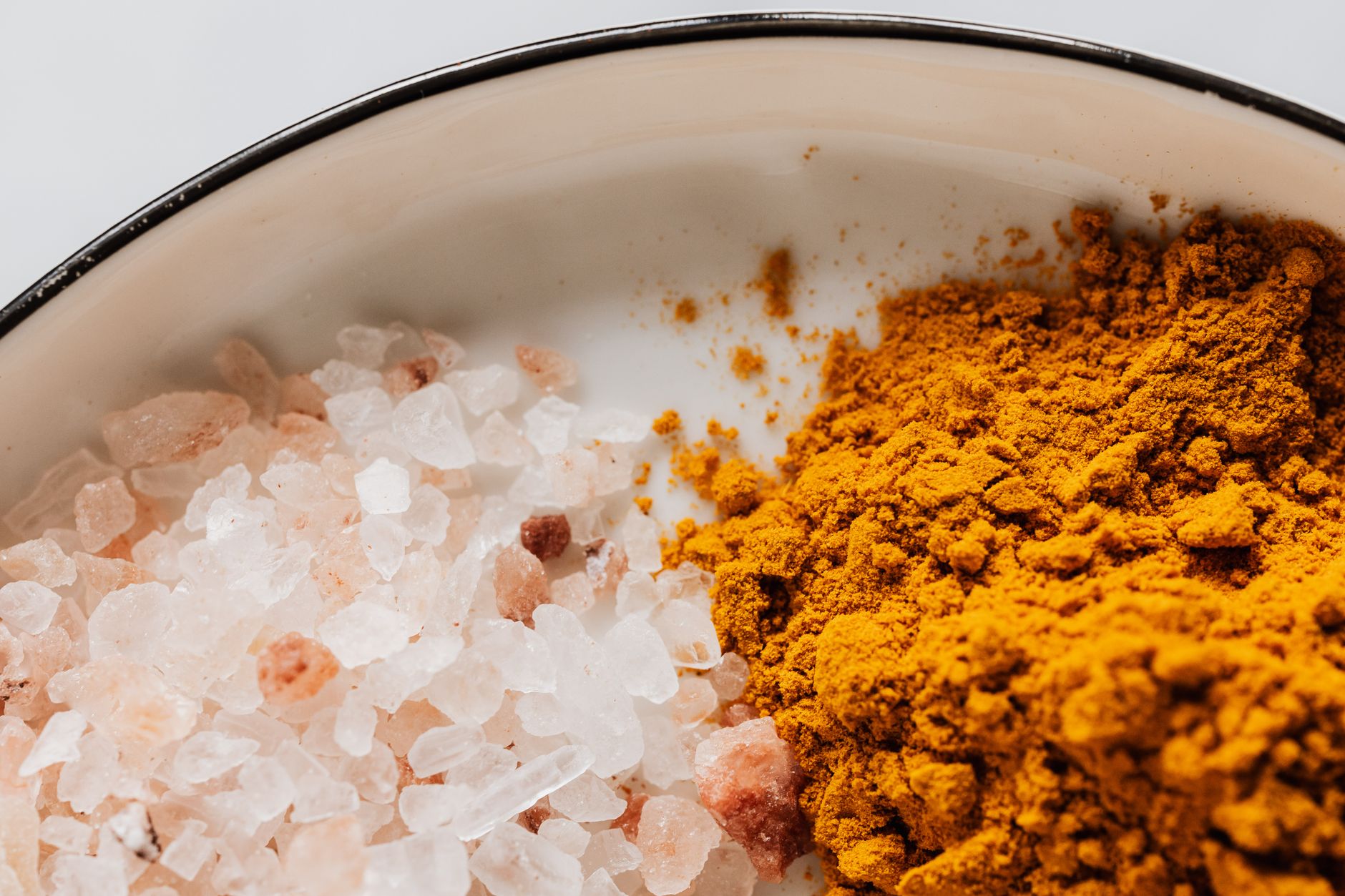
- Prevent staining from turmeric or curry powders: Rinse utensils immediately after use to avoid residue buildup.
- For better protein absorption: Combine carbs with protein in the same meal; fiber delays glucose release and increases muscle uptake of amino acids.
- Balancing flavors: Use herbs like rosemary or thyme to enhance lean meats without adding sodium or carbs.
- Upgrade reheated chicken: Add a splash of lemon juice and fresh parsley at the end of heating to revive flavor and moisture.
- Keep protein shakes creamy: Blend on high speed for 45 seconds with a teaspoon of avocado oil to improve texture without raising carbs.
If you want a crowd-pleaser that balances flavor and nutrition, the Cajun butter spatchcock turkey 11942129 is a savory, protein-packed choice perfect for a diabetic-friendly dinner.
When is the best time to eat high protein foods for weight gain for diabetics?
The best times are evenly spaced across mealsbreakfast, lunch, dinner, and snacks. Starting your day with protein aids muscle repair after overnight fasting. Post-workout meals with protein support muscle growth while controlling blood sugar. Avoid large protein loads at once to prevent unnecessary metabolic stress.
What foods can help a diabetic gain weight quickly and safely?
Lean meats, eggs, legumes, and dairy like Greek yogurt provide high protein with controlled calories. Pairing these with healthy fats such as avocado or nuts boosts calories without raising sugar. Homemade protein-rich smoothies without added sugars also support safe, gradual weight gain.
How can a diabetic gain weight and muscle without raising blood sugar?
Focus on combining protein with fiber-rich vegetables and healthy fats to slow digestion. Choose low glycemic index carbs sparingly. Spread meals evenly to avoid blood sugar spikes. Regular strength training paired with high protein intake encourages muscle gain over fat.
Are protein shakes safe and effective for diabetics to gain weight?
Yes, when chosen carefully. Look for low-carb, low-sugar options such as whey isolate or plant protein powders without fillers. Mix with unsweetened almond milk and add natural fats like nut butter. Homemade shakes let you control ingredients, preventing unwanted glucose surges.
What is the fastest way for a diabetic to gain weight without health risks?
Gaining weight gradually by increasing calories with balanced meals is safest. Prioritize nutrient-dense proteins, avoid processed carbs, and monitor blood sugar closely. Regular exercise optimizes muscle gain. Quick fixes with sugary foods can cause dangerous spikes and should be avoided.
How to gain weight in diabetes type 1 vs. type 2 are there differences?
Type 1 diabetics must carefully coordinate insulin dosing with protein-rich meals to avoid highs or lows. Type 2 diabetics focus more on improving insulin sensitivity by choosing plant proteins and avoiding saturated fats. Both benefit from moderate carb intake and consistent protein distribution to support muscle mass.
Can high protein diets affect kidney health in diabetics trying to gain weight?
Moderate protein intake spread throughout the day is generally safe for diabetics with healthy kidney function. However, those with existing kidney disease should consult healthcare providers before increasing protein. Staying hydrated and monitoring kidney markers regularly helps prevent complications.
What role does fiber play when eating high protein foods for weight gain?
Fiber slows carbohydrate absorption, reducing blood sugar spikes often triggered by meals. Pairing protein with fiber-rich veggies or legumes improves digestion and promotes satiety. This balance is crucial for diabetics aiming to gain weight without glucose instability.
For a crunchy, savory snack that pairs well with your protein meals, try the Homemade black pepper potato chips recipe 2089841. Its a low-sugar way to add texture and flavor without overwhelming your blood sugar.
More Recipes
- Sugar free weight gainer for diabetics A delicious shake alternative without sugar to boost calories and muscle safely.
- Cajun butter spatchcock turkey 11942129 A hearty, lean protein feast that fits perfectly in diabetic meal planning.
Gaining weight safely with diabetes doesnt have to be overwhelming. Trying these high protein foods for weight gain for diabetics can help you build muscle and boost energy without throwing off your blood sugar. Experiment with the meal ideas and swaps here, then share your favorite combos or questions below. Your bodyand your taste budswill thank you.
FAQs
When is the best time to eat high protein foods for weight gain for diabetics?
The best times are evenly spaced throughout the day at breakfast, lunch, dinner, and snacks. Spreading protein intake helps muscle repair, supports steady blood sugar, and prevents metabolic stress.
Are protein shakes safe and effective for diabetics to gain weight?
Yes, when choosing low-carb, low-sugar protein powders like whey isolate or pea protein. Mixing with unsweetened almond milk and natural fats helps prevent blood sugar spikes and supports weight gain.
What animal-based proteins are ideal for diabetics aiming to gain weight?
Lean meats such as turkey and chicken breast, white fish like cod, and eggs provide high protein with minimal saturated fat and no carbohydrates, supporting muscle gain without raising blood sugar.
How can diabetics balance protein intake with blood sugar control?
Distribute protein evenly over meals, pair with fiber-rich vegetables and healthy fats, and avoid high glycemic carbs or sugary sauces to maintain stable glucose levels.
Can high protein diets affect kidney health in diabetics trying to gain weight?
Moderate protein intake is generally safe for diabetics with healthy kidneys. Those with kidney disease should consult their doctor before increasing protein and stay hydrated while monitoring kidney function.