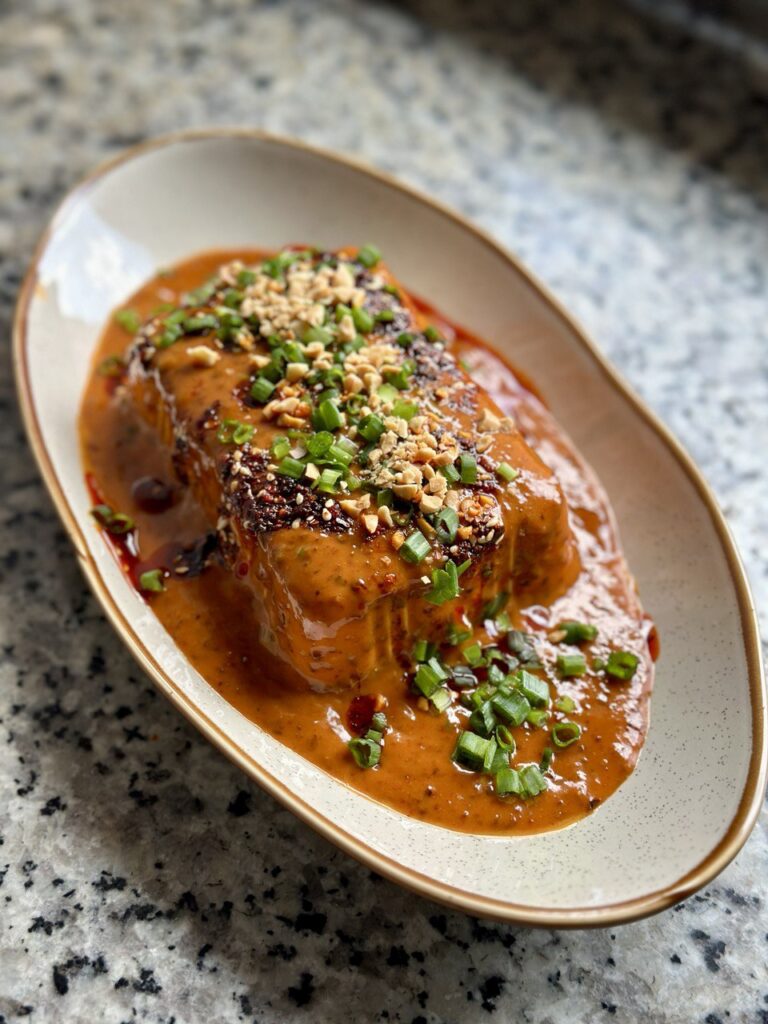
Hey there! If you’ve ever wondered how to turn a simple block of tofu into a bold, spicysweet masterpiece, you’re in the right spot. In the next few minutes I’ll walk you through a gochujang peanut sauce tofu recipe that’s as easy as it is unforgettable. No fuss, no mystery—just a sticky, nutty glaze, a couple of cooking methods, and a handful of pantry staples. Let’s dive in and get that craving satisfied!
What You’ll Get
Before we start, here’s the quick‑fire rundown of what you’ll walk away with:
- A foolproof sauce blend that balances heat, sweetness, and nuttiness.
- Three cooking options—pan‑seared, baked, or air‑fried—so you can choose what fits your schedule.
- Nutrition info and easy swaps for low‑sodium or allergy‑friendly versions.
- Tips for turning leftovers into a fresh stir‑fry or bowl.
Sounds good? Great! Grab a cutting board and let’s get started.
Ingredients & Tools
Core Ingredients
These are the stars of the show. All of them are pantry‑friendly, and you’ll find each one listed in the USDA FoodData Central database for easy nutrition lookup.
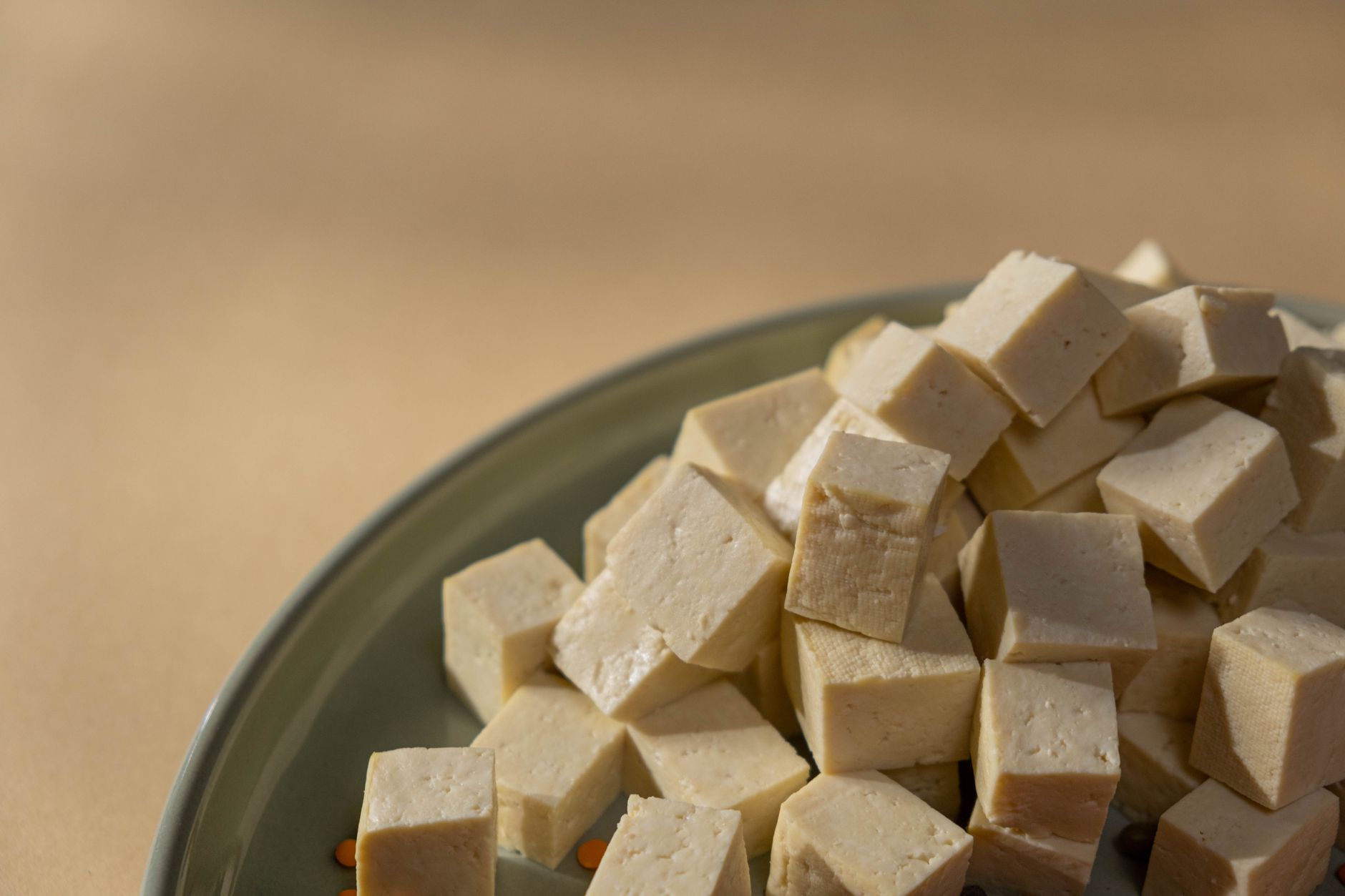
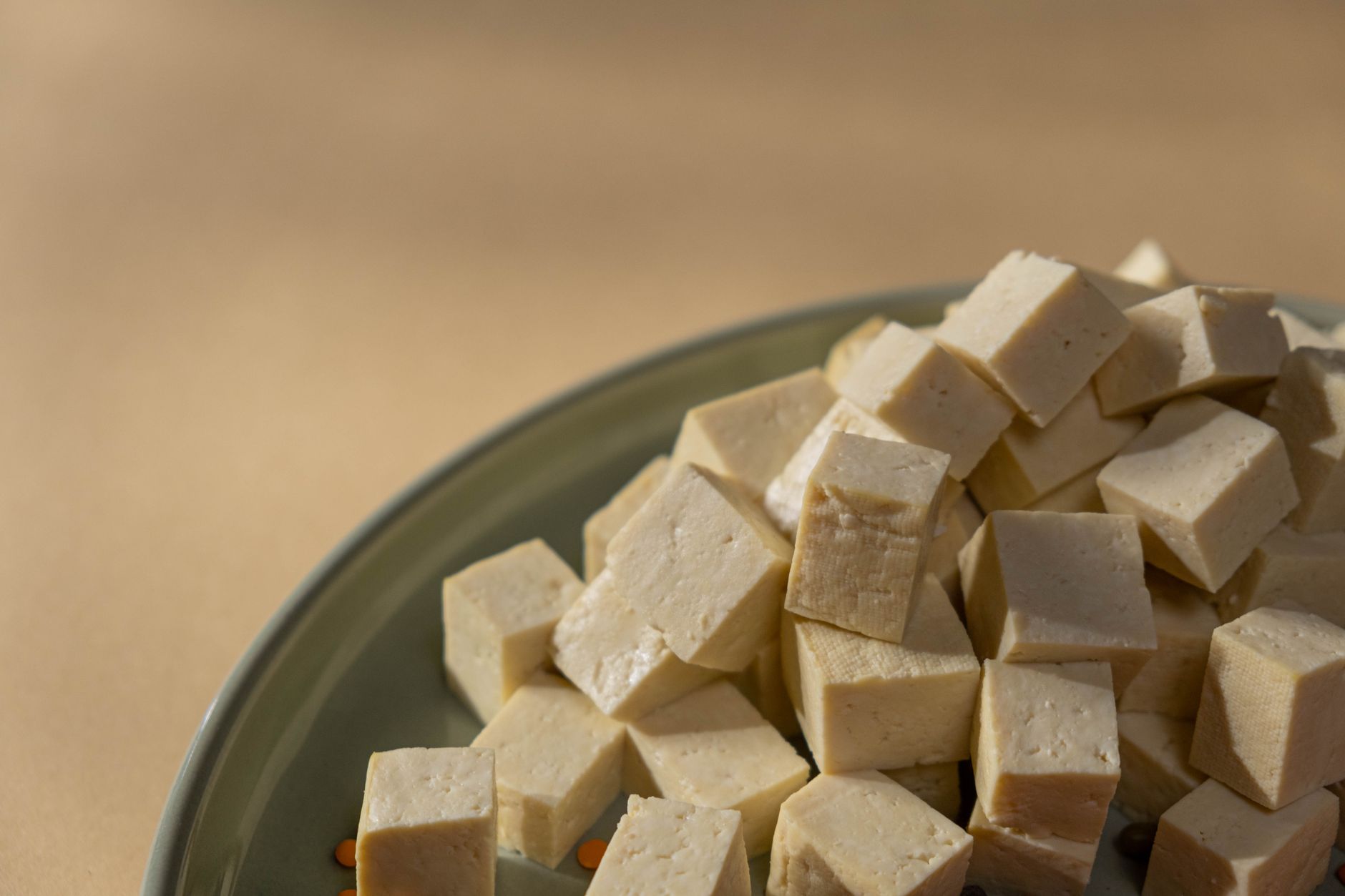
- 1 block extra‑firm tofu (press and cube) gochujang tofu
- 3 Tbsp gochujang (Korean fermented chili paste)
- 2 Tbsp smooth peanut butter
- 2 Tbsp sesame oil
- 2 Tbsp soy sauce (or tamari for gluten‑free)
- 1 tsp garlic powder
- Optional: 1 Tbsp brown sugar, 1 tsp rice‑wine vinegar for a brighter note
Optional Add‑Ins & Veggies
If you want to stretch this into a fuller meal, toss in any of these:
- Bell peppers, snap peas, carrots — great for a gochujang tofu and vegetables combo.
- Fresh cilantro or Thai basil for an aromatic finish.
- Crushed peanuts for extra crunch.
Essential Tools (EEAT Expertise)
- Nonstick skillet or a rimmed baking sheet.
- Air‑fryer basket (if you love the gochujang tofu air fryer route).
- Small bowl and whisk for the sauce.
- Paper towels and a tofu press (or a heavy plate).
Step‑by‑Step Prep
Prep the Tofu
Start by pressing your tofu for at least 20 minutes. That extra moisture is the biggest reason tofu ends up soggy instead of crispy. Once pressed, pat it dry and cut it into bite‑size cubes. If you’re aiming for crispy gochujang tofu, toss the cubes lightly in cornstarch—just enough to coat each piece.
Make the Gochujang Peanut Sauce
This is where the magic happens. In a small bowl, whisk together:
- 3 Tbsp gochujang
- 2 Tbsp peanut butter
- 2 Tbsp sesame oil
- 2 Tbsp soy sauce
- 1 tsp garlic powder
- Optional: brown sugar and a splash of water (or rice‑wine vinegar) to thin.
Keep whisking until the mixture is smooth and glossy. If it looks too thick, add a tablespoon of water at a time—your sauce should coat the back of a spoon without clumping.
Cooking Methods
Pick whichever method feels right for your kitchen. All three give you a delicious result, just with a slightly different texture.
| Method | Time | Key Tips | Related Keyword |
|---|---|---|---|
| Pan‑Seared | 8‑10 min | Cook tofu on medium‑high, turn until golden; pour sauce, toss to coat. | gochujang tofu stir fry |
| Baked (Oven) | 25 min @ 200 °C | Spread tofu on parchment, bake; brush sauce halfway through. | baked gochujang tofu |
| Air‑Fryer | 12 min @ 180 °C | Same cornstarch coating; spray lightly; toss in sauce after crisping. | gochujang tofu air fryer |
| Crispy Finish | 2 min under broiler | For extra crunch, broil quickly after saucing. | crispy gochujang tofu |
Pan‑Seared: Heat a splash of sesame oil in a skillet, add the tofu cubes, and let them sizzle without moving for about 2 minutes per side. Once golden, pour the sauce over, lower the heat, and stir until every piece is lacquered.
Baked: Preheat the oven, line a sheet with parchment, and spread the tofu out in a single layer. Bake until the edges turn deep golden, then brush with sauce and return for another 5 minutes.
Air‑Fryer: Arrange the coated tofu in a single layer, spray lightly with oil, and air‑fry. When the cubes are crisp, toss them with the sauce in a bowl. No mess, no extra oil.
Serving & Storage
Serve the tofu over steamed brown rice, quinoa, or a bed of noodles. For a twist, try our creamy gochujang noodles vegan—the creamy broth pairs beautifully with the smoky, spicy tofu. Sprinkle chopped peanuts and fresh herbs for that final pop of texture and aroma. If you have leftovers (which is rare, because it’s so good), store the sauce and tofu separately in airtight containers for up to four days. Reheat in a skillet to bring back the crispness.
Nutrition & Balance
Health Benefits of Main Components
Gochujang is a fermented chili paste, and according to a study from the National Institutes of Health, fermented foods can support gut health by providing beneficial bacteria. The peanut butter adds plant‑based protein and heart‑healthy monounsaturated fats, while sesame oil supplies a dose of vitamin E.
Potential Risks & How to Mitigate
- Sodium: Both soy sauce and gochujang can be salty. Choose a low‑sodium soy sauce or dilute the sauce with a splash of water.
- Allergies: If peanuts aren’t your thing, swap in almond butter or sunflower seed butter without losing that creamy richness.
Calorie & Macro Snapshot
| Serving (1 cup) | Calories | Protein | Carbs | Fat |
|---|---|---|---|---|
| Gochujang Peanut Sauce Tofu | 340 | 18 g | 20 g | 18 g |
These numbers are approximate; you can adjust the portion sizes or swap ingredients to fit your dietary goals.
Expert Tips & Personal Stories
Pro Chef’s Secret
Finish the dish with a drizzle of toasted sesame oil right before serving. The nutty aroma lifts the whole plate and makes it feel restaurant‑level without the price tag.
My First Attempt
I remember my first gochujang tofu experiment—my tofu turned out mushy because I skipped the pressing step. After learning to press and dust with cornstarch, the difference was night‑and‑day. Now I swear by the press‑then‑coat routine for any tofu recipe.
Community Insight
Reddit threads on the gochujang tofu recipe often suggest a splash of rice‑wine vinegar for extra brightness. I tried it, and the sauce sang! Feel free to experiment with a teaspoon of lime juice if you like a citrus kick.
Sources & Credits
The core inspiration for this recipe comes from Pinch of Yums “Sticky Gochujang Tofu with Herbs and Peanuts.” Additional ideas were drawn from Brown Girl Vegans “5‑min Peanut Gochujang Silken Tofu” and Vegan Rich “Misogochujang Stir‑Fry.” Nutritional data were verified using USDA’s FoodData Central, and the health benefits of fermentation were confirmed by NIH research.
Conclusion
There you have it—a vibrant, satisfying gochujang peanut sauce tofu that’s ready in under 30 minutes, adaptable to any cooking method, and balanced enough to fit a health‑conscious lifestyle. Whether you’re feeding a hungry family, meal‑prepping for the week, or just craving a bold, savory bite, this dish delivers on flavor and convenience. Give it a try, tweak the heat level to your liking, and don’t be shy about sharing your own twists. Happy cooking, and may every bite bring a smile to your face!
FAQs
What is the best way to press tofu for this recipe?
Wrap the tofu in paper towels, place a heavy skillet or a tofu press on top, and let it sit for at least 20 minutes to remove excess moisture.
Can I use silken tofu instead of extra‑firm tofu?
Silken tofu will become very soft when cooked, so it’s not ideal for achieving a crispy coating. Stick with extra‑firm or firm tofu for best results.
How spicy is the gochujang peanut sauce?
The heat level depends on the amount of gochujang you use. Start with 2‑3 Tbsp and add more if you like it hotter; you can also thin it with a bit of water.
Is there a gluten‑free version of this dish?
Yes—swap regular soy sauce for tamari or a gluten‑free soy sauce, and be sure your gochujang doesn’t contain wheat.
What can I serve with the gochujang peanut sauce tofu?
It pairs perfectly with steamed rice, quinoa, rice noodles, or a bed of mixed greens. Add steamed veggies or a fresh salad for extra crunch.