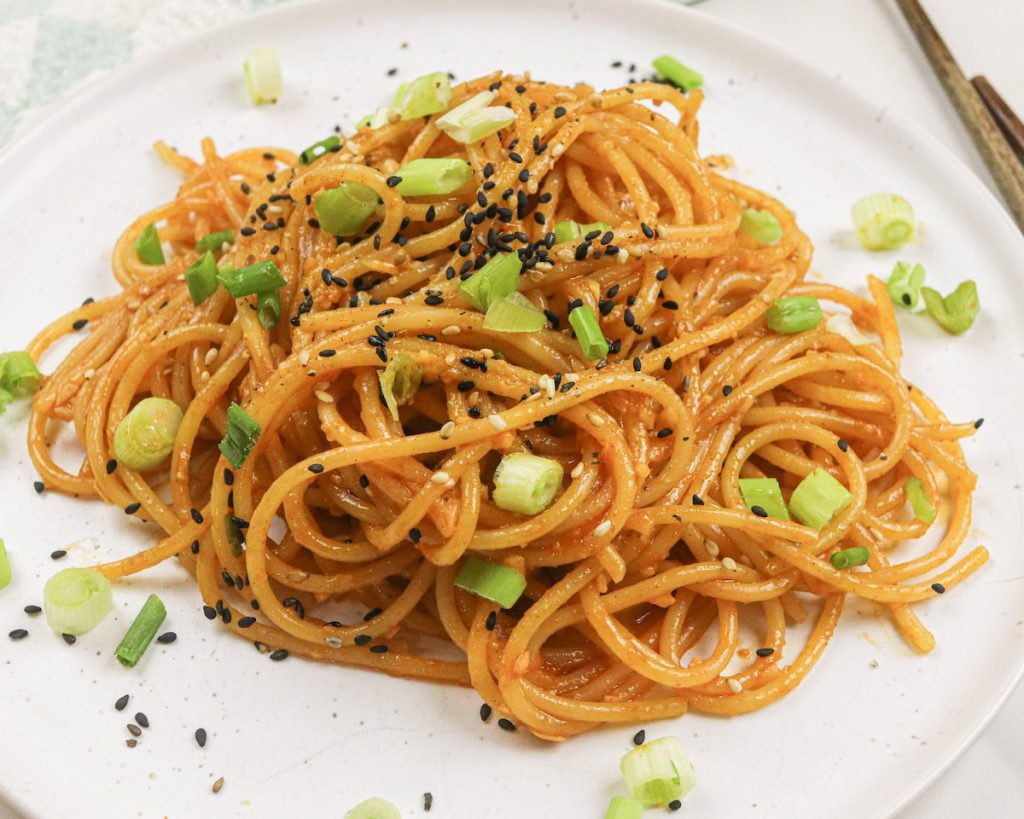
Hey there! If youre scrolling for a quick, comforting dinner thats 100% vegan and packs a punch of Korean umami, youve just hit the jackpot. In the next few minutes Ill walk you through a creamy gochujang noodles vegan recipe that takes less than 20minutes from start to finish. No dairy, no mystery ingredientsjust simple pantry staples, a splash of spice, and a bowl of silky goodness.
What Are Creamy Noodles?
Definition & Core Components
When we talk about creamy in a vegan context were not reaching for a carton of soycream. Instead, we use plantbased cream that naturally emulsifies: coconut milk, blended cashews, or even silken tofu. Pair that with gochujangthe fermented Korean chilli paste that delivers a sweetheat depth youll fall in love with.
Gochujang Paste
Gochujang is a fermented blend of red pepper, glutinous rice, soybeans, and salt. Its flavor sits somewhere between a mild miso and a tangy BBQ sauce, with a mellow heat that builds as it cooks.
Cream Alternatives
Coconut milk: thick, slightly sweet, perfect for a luscious mouthfeel.
Cashew cream: earthy, neutral, great if you prefer a less tropical flavor.
Silken tofu: ultrasmooth, highprotein, and blends invisibly into sauces.
Is Gochujang Vegetarian?
Most commercial gochujang is vegan, but a few brands add a dash of fish sauce for extra depth. The safest bet is to read the label or check the manufacturers website. Is gochujang vegetarian? is a common question, and the answer is usually yes when you choose the right brand.
Benefits vs Risks
Why This Dish Is a Win for Vegans
Beyond the taste, this bowl scores high on nutrition. The noodles (whether wheat, udon, or rice) give you carbs for energy. Gochujang brings probiotics from fermentation, which can support gut health. Coconut milk adds mediumchain triglycerides (MCTs) that some studies suggest boost metabolism.
Potential Cautions
Gochujang and soy sauce can be salty, so if youre watching sodium, use lowsodium soy sauce or rinse the noodles briefly after cooking. Also, if you have nut or coconut allergies, swap the cream for oatbased milk or extra silken tofu.
Expert Insight
Registered dietitian Jenna Lee recommends pairing fermented foods like gochujang with a source of proteinhere, the noodles and a handful of edamame do the trick, keeping the meal balanced.
Essential Ingredient Checklist
Core Pantry Items
- 200g wheat noodles, udon, or rice noodles (choose your favorite) gochujang rice noodles work great for a glutenfree version.
- 2tbsp gochujang paste the star of the show.
- 1cup coconut milk (fullfat for creaminess) or cup cashew cream.
- 1tbsp soy sauce (lowsodium if desired).
- 2cloves garlic, minced; 1tsp grated ginger.
- 1tbsp sesame oil, plus extra for finishing.
- Vegetables: sliced bell pepper, snap peas, shredded carrots.
- Optional protein boost: edamame, tofu cubes, or tempeh.
- Garnish: sliced green onions, toasted sesame seeds, a drizzle of chili oil.
Substitutions & Tweaks
If youre craving a lighter sauce, swap half the coconut milk for water or vegetable broth. Hate nuts? Use oatmilk cream instead of cashews. Want extra heat? Add a spoonful of Korean gochugaru (red pepper flakes).
StepbyStep Recipe
Preparation Checklist (Timing + Equipment)
- Large pot for boiling noodles.
- Medium skillet or wok.
- Measuring spoons, whisk, wooden spoon.
- Optional: blender for cashew cream.
Cooking Instructions
1. Boil the noodles. Bring a pot of salted water to a boil, add your noodles, and cook until just aldente (usually 23minutes less than the package suggests). Drain, reserving cup of pasta water.
2. Make the sauce. In the skillet, heat 1tbsp sesame oil over medium heat. Saut garlic and ginger for 30seconds until fragrant.
3. Add flavor bases. Stir in gochujang, soy sauce, and a splash of the reserved pasta water. Cook for 1minute, letting the paste dissolve.
4. Cream it up. Slowly whisk in coconut milk (or cashew cream). Lower the heat and let the sauce simmer 23minutes until it thickens enough to coat the back of a spoon.
5. Toss the noodles. Add the drained noodles to the sauce, tossing to coat every strand. If the sauce looks too thick, drizzle in a bit more pasta water.
6. Finish & serve. Drizzle a little sesame oil, sprinkle green onions and sesame seeds, and serve hot. A quick splash of chili oil adds an extra layer of heat if you like.
ProTip: Creaminess Without StoreBought Vegan Cream
If youre out of coconut milk, blend cup raw cashews with cup water for 30seconds. Add a pinch of salt and a dash of lemon juice for brightness. This creates a velvety base that rivals any premade cream.
Flavorful Noodle Variations
Gochujang Udon Noodles
Swap regular noodles for thick udon. The chewiness of udon pairs beautifully with the rich sauce. Follow the same stepsjust increase the simmer time by a minute to allow the udon to soak up the flavor.
RiceNoodle Version
For glutenfree eaters, rice noodles are perfect. They absorb the sauce quickly, so add them at the very end of the simmer to prevent overcooking.
OnePan Veggie StirFry
Want more veggies? Toss sliced bok choy, mushrooms, and baby corn into the skillet after the sauce forms. Let them wilt for a couple of minutes before adding the noodles. This creates a balanced bowl without extra dishes.
Cheesy Umami Twist
Sprinkle a tablespoon of nutritional yeast into the sauce for a cheesy depth that complements the gochujangs sweetspicy notes. Its an easy way to add Bvitamins, too.
Storage & Meal Prep
Best Containers
Glass jars with airtight lids keep the noodles fresh for up to four days. If youre prepping for the week, store the sauce separately and combine just before reheating to maintain texture.
ReCreaming Technique
When reheating, add a splash of plantmilk (coconut or oat) and whisk over low heat. The sauce will become silky again without turning watery.
PortionControl for Weekly Prep
Make a double batch, divide into two containers, and enjoy a readytoheat dinner on busy nights. Pair with a simple side salad or steamed broccoli for extra greens.
Sources & Further Reading
Credible References
For a deeper dive into the health benefits of fermented foods, see this fermented foods health benefits article, which outlines how probiotics can improve digestion and immunity.
Suggested Further Recipes
If you loved this bowl, you might also enjoy exploring other vegan gochujang recipes like a spicy tofu bibimbap or a gochujangglazed cauliflower. The possibilities are endless!
Conclusion
There you have ita comforting, creamy, and completely vegan gochujang noodle bowl that you can whip up in under 20minutes. Whether youre using coconut milk, cashew cream, or silken tofu, the key is that gorgeous, umamirich sauce that clings to every strand. Feel free to experiment with udon, rice noodles, or extra veggies; the base is versatile enough to suit any palate or dietary need. Give it a try tonight, and let the warm, spicy aroma fill your kitchen. If you end up customizing the recipe, Id love to hear how you made it your ownshare your twists, ask questions, and lets keep the conversation going!
FAQs
Can I make this recipe gluten‑free?
Yes! Swap wheat or udon noodles for rice noodles or gluten‑free wheat‑free spaghetti to keep the dish gluten‑free.
Is coconut milk necessary for the creaminess?
No. You can use blended cashews, silken tofu, or oat‑based cream as alternatives for a similarly silky sauce.
How can I reduce the sodium content?
Use low‑sodium soy sauce, rinse the cooked noodles briefly, and adjust the amount of gochujang to your taste.
What protein additions work best?
Edamame, cubed tofu, or tempeh are great plant‑based protein options that pair well with the spicy sauce.
Can I store leftovers and reheat them?
Store noodles and sauce separately in airtight containers; reheat gently and add a splash of plant milk to restore creaminess.