Why Fried Pies Recipe Is a Southern Comfort Classic
Imagine biting into a golden, crispy crust that crackles beneath your teeth, revealing warm, gooey fruit filling inside—that’s the magic of a perfectly made fried pie. With a subtle crunch outside and a burst of sweet or tangy fruit within, a fried pies recipe brings an irresistible balance of textures and flavors. This cozy dessert hails from Southern kitchens but has captured hearts far beyond. Whether apple, cherry, or any favorite filling, these handheld delights are an every-day comfort and a nostalgic treat worth savoring.
Health Benefits & Nutrition
While fried pies are undeniably indulgent, they also pack some nutritional value depending on the ingredients used. Here are a few benefits:
- Fruit fillings provide antioxidants: Apple and cherry fillings offer vitamins C and E, which support immune health and skin vitality (Journal of Nutritional Biochemistry).
- Energy boost: The carbohydrates in the crust supply quick energy, perfect for an afternoon pick-me-up or dessert after a meal.
- Mood enhancement: Warm comfort foods like fried pies can trigger serotonin release, helping improve mood and relaxation.
Safety note: Because these pies are fried in shortening or oil, those with dietary restrictions should adapt accordingly. People with gluten intolerance or specific allergies should seek alternatives. Pregnant individuals should enjoy fried treats in moderation due to oil content.
Ingredients & Preparation
Recipe Card
| Prep Time | Total Time | Servings | Calories (Approx.) | Diet Tags |
|---|---|---|---|---|
| 20 minutes | 1 hour 40 minutes | 8 to 10 pies | 340 per pie | Vegetarian (can be gluten-free with substitutions) |
Full Ingredient List
- 6 cups all-purpose flour
- 4 tablespoons granulated sugar
- 1/2 teaspoon salt
- 1 cup shortening (plus extra for frying)
- 2 large eggs, beaten
- 2 cups buttermilk (plus extra if needed)
- Canned apple pie filling
- Canned cherry pie filling
- Powdered sugar (for dusting)
Equipment Needed
- Large mixing bowl
- Pastry cutter or fork
- Rolling pin
- Butter knife or pizza cutter
- Medium deep saucepan or deep fryer
- Thermometer (to monitor oil temperature)
- Paper towels for draining
Tips for Choosing Quality Ingredients
- Use fresh, high-quality all-purpose flour for the best dough texture.
- Select full-fat shortening for richness and proper dough flakiness.
- Use fresh eggs and real buttermilk to build deep flavor and moisture.
- Pick canned fruit fillings with whole chunks and natural juices for an authentic taste.
Step-by-Step Instructions to Make Fried Pies
Step 1: Prepare the Pastry Dough (20 minutes prep + 1 hour chilling)
Mix 6 cups flour, sugar, and salt in a large bowl. Cut in 1 cup shortening using a pastry cutter until crumbly, like coarse sand. Stir in 1 beaten egg and 2 cups buttermilk until the dough just comes together—add more buttermilk by tablespoons if too dry. Form a dough ball, cover, and chill for 1 hour to relax the gluten.
Step 2: Roll and Shape the Dough (10 minutes)
On a floured surface, roll dough into a large rectangle roughly 12x15 inches. Trim edges for clean lines and cut into 8 to 10 long rectangles using a butter knife or pizza cutter.
Step 3: Fill and Seal the Pies (15 minutes)
Place about one tablespoon of fruit filling on the top half of each rectangle. Use the remaining beaten egg to brush edges. Fold bottom half over filling and press edges firmly. Crimp edges with a fork to fully seal.
Step 4: Heat the Shortening (5 minutes)
Fill a deep saucepan with shortening and heat over medium-high until the temperature reaches 350°F (175°C). Use a thermometer to maintain steady heat.
Step 5: Fry Until Golden Brown (10 to 15 minutes)
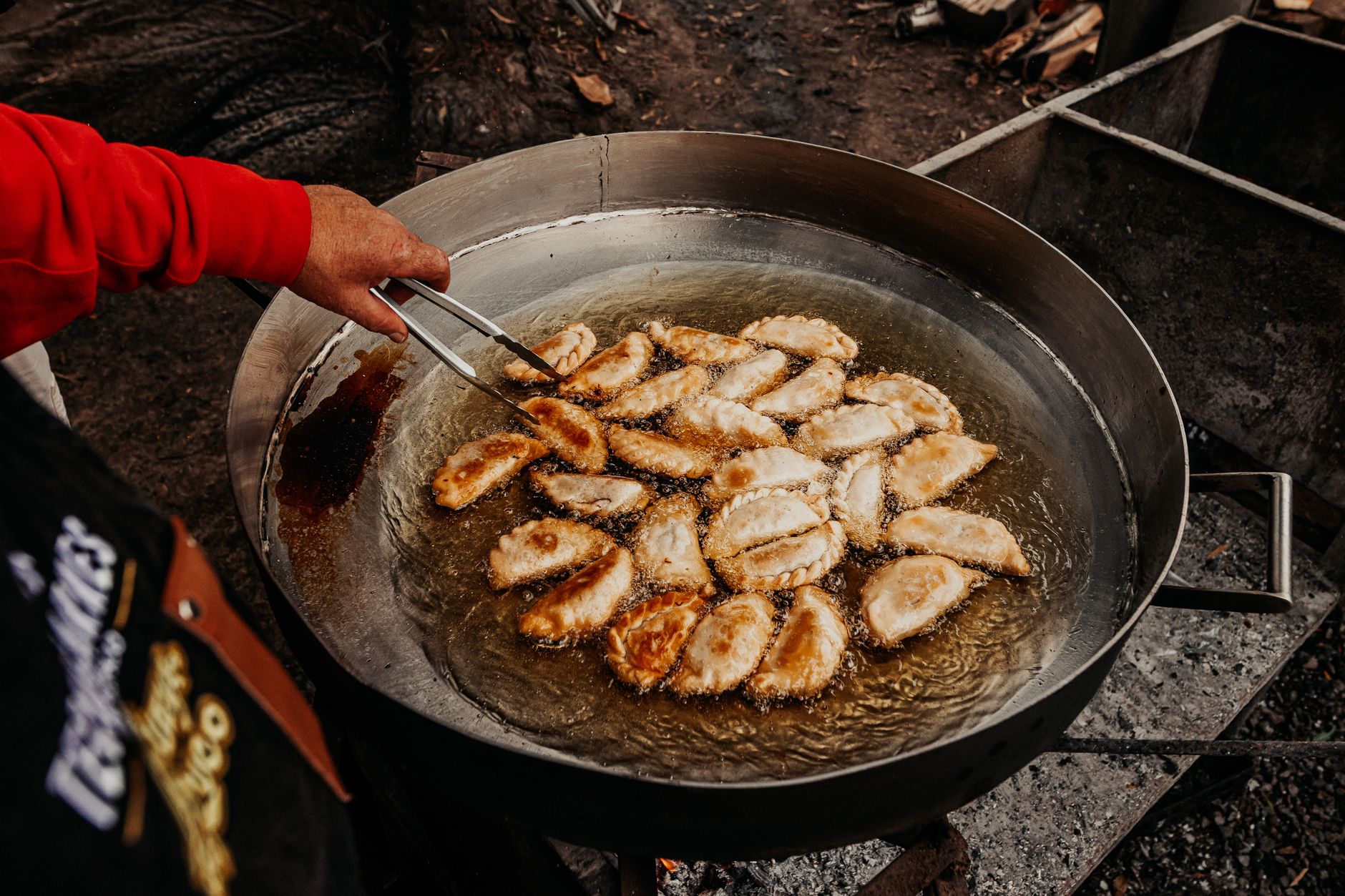
Carefully place pies in hot shortening. Fry 2 to 3 minutes per side until golden and crispy. Remove pies with a slotted spoon and drain on paper towels immediately.
Step 6: Finish & Serve (5 minutes)
Lightly dust the fried pies with powdered sugar while warm. Serve immediately for optimal crispy and creamy experience.
Variations & Substitutions
- Different Fillings: Swap canned apple or cherry with peach, blueberry, or pumpkin pie filling for seasonal twists.
- Gluten-Free Option: Use a gluten-free all-purpose flour blend plus xanthan gum; watch dough hydration closely.
- Healthier Frying: Bake pies at 375°F for 20 minutes, flipping halfway for a lighter version.
- Vegan Adaptation: Replace eggs with flax eggs (1 tbsp ground flax + 3 tbsp water = 1 egg) and use vegetable shortening.
Storage & Shelf Life
Refrigeration: Store fried pies in an airtight container in the fridge for up to 3 days. Reheat in a toaster oven to restore crispiness.
Freezing: After frying and cooling, freeze pies individually wrapped in plastic wrap and foil for up to 2 months. Reheat directly from frozen in an oven at 350°F for 15-20 minutes.
Signs of Spoilage: Discard if dough becomes soggy, the filling smells sour, or mold appears.
Pro Tips for Perfect Fried Pies Every Time
- Keep dough cold throughout preparation to ensure a flaky, tender crust.
- Do not overfill pies; excess filling can leak and cause frying oil to splatter.
- Maintain oil temperature at 350°F for even browning and avoiding greasy pies.
- Use a slotted spoon to gently flip pies to prevent tearing the crust.
- Allow pies to drain well on paper towels to remove excess oil, enhancing that perfect crispy texture.

When is the best time to eat Fried Pies Recipe?
Fried pies are ideal any time you want a comforting sweet snack or dessert. Evening family gatherings, afternoon tea, or weekend treats are perfect moments to enjoy their warm, golden crunch with a cup of coffee or milk.
Can I make the dough ahead of time?
Yes, the dough can be prepared and refrigerated for up to 24 hours before rolling and shaping, which helps deepen flavors and ease handling.
What can I substitute for shortening in the recipe?
Butter or vegetable oil can replace shortening, but expect variations in flakiness and dough handling. Butter will add rich flavor but may create a softer crust.
Is it necessary to use buttermilk in the dough?
Buttermilk adds a subtle tang and tenderizes the dough. You can substitute regular milk plus 1 tablespoon vinegar or lemon juice per cup as a quick buttermilk alternative.
How do I prevent the pies from absorbing too much oil?
Keep the frying oil at the correct temperature (around 350°F). Lower temperatures will cause the crust to absorb excess oil, making pies greasy.
Can I freeze the uncooked pies?
Yes, you can freeze shaped, uncooked pies on a baking sheet. Once firm, transfer to an airtight container and fry directly from frozen, adding a couple of minutes to cooking time.
What else can I serve with fried pies?
These pies pair beautifully with vanilla ice cream, whipped cream, or a drizzle of caramel or chocolate sauce for an extra indulgent touch.
More Recipes You Will Love
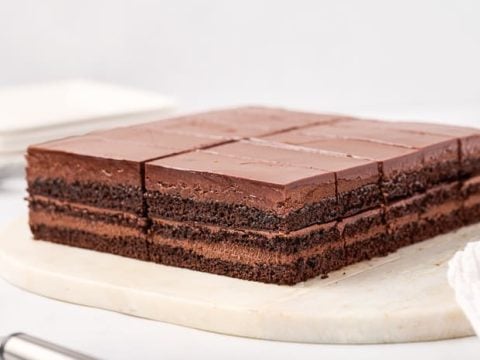
If you enjoy the crispy sweetness of fried pies, you might appreciate our Dark chocolate fridge cake—a no-bake treat perfect for chocolate lovers. For a more elegant option, try the refreshing Earl grey panna cotta with cereal brittle, combining creamy textures with crunchy layers.
Conclusion
This fried pies recipe delivers everything you want from a classic dessert: a flaky, golden crust enveloping rich, fruity filling that settles into a harmonious blend of flavors. Whether you‘re making them as a weekend indulgence or a family favorite, these pies bring warmth and joy to any table. Try your hand at this straightforward recipe, and don’t forget to share your results or tips in the comments below. Your perfect fried pies await!
FAQs
When is the best time to eat Fried Pies Recipe?
Fried pies are best enjoyed fresh and warm, making them perfect for dessert after meals, afternoon snacks, or comforting treats during colder months. They can also be a delightful addition to gatherings or holidays.
Can I use fresh fruit instead of canned fillings for the fried pies?
Yes, you can use fresh fruit as filling, but make sure to cook it down with sugar and spices to reduce excess moisture. This helps prevent soggy crusts and keeps the filling thick and flavorful.
How do I know the oil temperature is right for frying the pies?
Use a thermometer to keep the oil between 350°F and 375°F (175°C to 190°C). This range ensures the crust fries quickly to a crispy golden brown without absorbing too much oil or burning.
Are fried pies suitable for people with dietary restrictions?
Traditional fried pies contain gluten and are fried in oil, which may not suit all diets. However, you can adapt recipes with gluten-free flour alternatives and suitable frying oils, or opt for baking instead of frying.
What are some tips to make the crust extra flaky and crispy?
Use cold shortening and minimal handling of the dough to keep it tender. Chilling the dough before rolling out also helps. Frying at the correct oil temperature and draining pies well on paper towels will maintain crispiness.