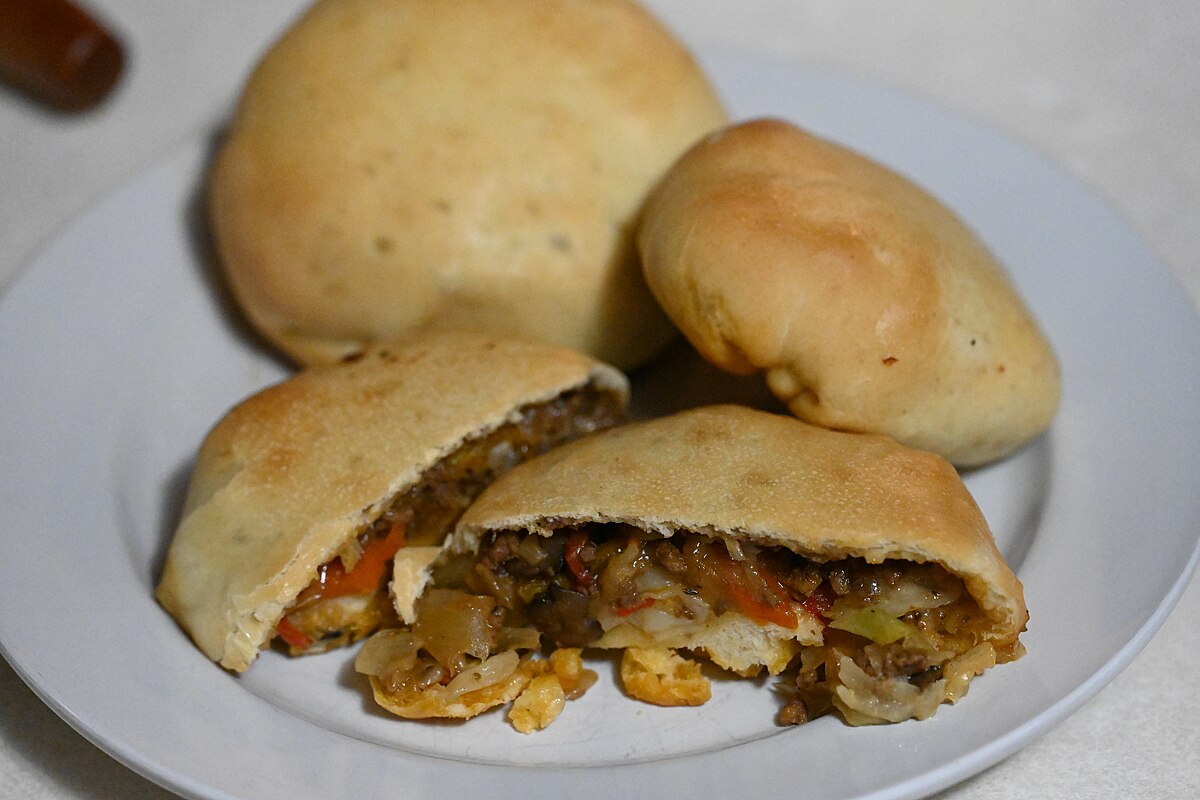
Ever bite into a warm, doughy pocket stuffed with savory beef, cabbage, and onion, and wonder where that little masterpiece actually began? The short answer: the bierocks place of origin is the VolgaGerman colonies of 19thcentury Russia, which later trekked across the prairies to become a beloved Midwestern staple. Below, Ill walk you through that journey, break down the core ingredients, share a foolproof authentic recipe, and even compare the bierock to its cousins like the runza and kolache. Grab a coffee, settle in, and lets dig in together.
Historical Roots Overview
What region in Europe first baked bierocks?
The first bierocks emerged among German settlers whod been invited by Catherine the Great to farm along the Volga River in what is now Russia. These VolgaGermans called their handheld pies Pirogi or Bierock, a name that blended German and Russian linguistic flavors. Their cuisine was practical: easy to carry, hearty, and capable of feeding a family after a long day in the fields.
When did the first bierocks arrive in the United States?
In the 1870s and 1880s, waves of VolgaGerman immigrants boarded steamships heading for the American Heartland. Kansas, Nebraska, and Oklahoma were the first places they settled, and with them came their treasured doughfilled parcels. By the early 1900s, local bakeries were already advertising fresh bierocks alongside loaves of rye.
Why did VolgaGerman immigrants bring bierocks with them?
For them, a bierock was more than food; it was a comfortobject, a reminder of home. The dough could be made ahead, the filling cooked in bulk, and the whole thing reheated on a simple stove. In a new, often harsh environment, that reliability proved priceless.
Expert Insight
According to Dr. Katherine Mullins, a culinary historian at the University of Kansas, the migration of the bierock mirrors the broader story of food as cultural memoryeach bite carries the imprint of the journey.
Migration Across America
Which states became the bierock belt?
Today, the strongest concentrations of bierock lovers are found in Kansas, Nebraska, Oklahoma, and Texas. If you type bierocks near me into a search engine, youll most likely get a blend of familyrun bakeries, regional chain restaurants, and even some food trucks proudly displaying the name.
What role did Kansas farms and breweries play?
Kansas farms supplied the beef and cabbage, while local breweries often provided a yeast starter for the dough, giving the bierocks a subtly sweet rise. The synergy between agriculture and baking turned the bierock into a staple of Midwestern comfort food.
Modernday hotspots
Looking for the best bierocks right now? Here are a few places that consistently get rave reviews:
- Ls Bierock House Lawrence, KS
- Runza (actually a runza, but their bierocks are spoton) multiple locations
- St. Peters Bakery Wichita, KS
- Kolache Kitchen Oklahoma City, OK (they serve both kolaches and bierocks)
- GermanRussian Caf Austin, TX
Core Ingredients Guide
What makes a bierock authentic?
The authenticity of a bierock hinges on four pillars:
- Yeasted dough a soft, slightly sweet bread thats airy on the inside.
- Ground beef traditionally lean, seasoned only with salt and pepper.
- Sauted cabbage & onion the veggies are cooked until just tender, preserving a bit of bite.
- Subtle spices a pinch of caraway or black pepper adds depth without overwhelming the palate.
Can you substitute ingredients?
Absolutely! For a vegetarian twist, swap the beef for seasoned lentils or crumbled tofu. Glutenfree dough works if you use a blend of rice flour and xanthan gum. And if youre feeling adventurous, experiment with sweet potato mash or cheese as the filling.
Nutritional Snapshot
| Component | Per Bierock (150g) |
|---|---|
| Calories | 340kcal |
| Protein | 16g |
| Carbohydrates | 42g |
| Fat | 12g |
| Fiber | 2g |
These numbers come from the USDA FoodData Central, a reliable source for nutrition data.
Authentic Bierock Recipe
Full ingredient list
For the dough: 3cups allpurpose flour, 1cup warm water, 2tsp active dry yeast, 1tsp sugar, tsp salt, 2tbsp melted butter.
For the filling: 1lb ground beef (80% lean), 2cups finely shredded cabbage, 1 medium onion (diced), 2tbsp butter, tsp black pepper, tsp salt.
Stepbystep preparation
- Activate the yeast: Mix warm water, sugar, and yeast. Let sit 5minutes until foamy.
- Make the dough: Combine flour and salt, stir in the yeast mixture and melted butter. Knead 810minutes until smooth. Cover and rise 1hour, or until doubled.
- Cook the filling: In a skillet, melt butter, saut onion until translucent, add ground beef, brown it, then stir in cabbage. Season, then let cool.
- Assemble: Punch down dough, divide into 810 equal balls. Flatten each, spoon a generous amount of filling onto the center, fold edges and pinch to seal.
- Bake: Place on a greased sheet, brush tops with a little butter, and bake at 375F (190C) for 2025minutes, until golden.
Common pitfalls & how to avoid them
- Dry dough: If the dough feels crumbly, add a tablespoon of water at a time until it comes together.
- Soggy filling: Drain excess liquid from the cooked cabbagebeef mixture; excess moisture leads to a soggy bottom.
- Undercooked interior: Make sure the oven is fully preheated; a cooler oven can leave the dough underbaked.
Personal anecdote
My grandma taught me this recipe on a rainy Kansas afternoon. Wed knead the dough while the thunder rolled, and the scent of sauted cabbage filled the kitchen. Every bite still transports me back to that cozy, flourdusty kitchen.
Bierock vs Runza
Shape & dough differences
Both are pocketstyle pastries, but a runza typically has a slightly thicker crust and a more rectangular shape, while a bierock is rounder and a tad softer due to a higher butter content in the dough.
Filling traditions
Runzas often feature a richer, spicier beef blend with additional herbs, whereas bierocks stick to the classic cabbageonion mix. Some runzas even add cheese, making them a bit cheesier.
Regional naming conventions
In Nebraska and the Dakotas, youll hear runza far more often. In Kansas and Oklahoma, bierock is the goto term. The overlap can be confusing, but both celebrate the same immigrant spirit.
Comparison Table
| Feature | Bierock | Runza | Kolache |
|---|---|---|---|
| Origin | VolgaGerman (Russia) | GermanAmerican (Nebraska) | CzechGerman (Texas) |
| Typical Filling | Beef, cabbage, onion | Beef, onions, cheese | Fruit, cheese, poppyseed |
| Shape | Round, pocket | Rectangular, pocket | Sweet pastry, often round |
| Popular States | KS, NE, OK, TX | NE, SD, IA | TX, OK, NM |
Bierock Pronunciation Tips
How to say bierock
Think of BEErock. The ie sounds like the long ee in see, and the rock is pronounced just like the English word rock. If youre still unsure, try saying beerock twice fast thats the rhythm you want.
Common misspellings
People often write it as birock, bierok, or bieroke. The correct spelling, however, stays bierock. When you see a menu item with any of the variants, you can be confident its the same tasty treat.
Finding Bierocks Near You
Top bierocks restaurant picks in Kansas
If youre in the Sunflower State, these spots consistently earn fivestar reviews:
- St. Peters Bakery Wichita
- The GermanRussian Caf Lawrence
- Ls Bierock House nearby downtown Lawrence
- Runza multiple locations (they serve a hybrid version)
- Prairie Hearth Bakery Topeka
How to verify authenticity
Look for signs of VolgaGerman heritage: photographs of old farms, family recipes displayed on walls, or a mention of traditional dough. Authentic bakeries often bake the dough fresh daily rather than using premade dough from a supplier.
DIY vs. storebought
Making your own gives you control over the filling and lets you tweak ingredients for dietary needs. Storebought options are handy for a quick snack, but they may contain preservatives and lack that homecooked heart.
Quick FAQ Answers
What is the bierock place of origin?
The bierock originated among VolgaGerman settlers along the Volga River in Russia before migrating to the American Midwest in the late 1800s.
Are bierocks the same as runzas?
Theyre similar pocket pastries but differ in shape, dough composition, and regional traditions. See the comparison table above for details.
Can I freeze homemade bierocks?
Yes! Freeze after baking, then reheat in a 350F oven for 1012minutes. Theyll taste almost as fresh as the day they were made.
Where did the name bierock come from?
The word blends German Bier (beer) and a Slavic suffix rock, reflecting the cultural crossroads of the VolgaGerman community.
Sources & Further Reading
For deeper historical context, the National Park Service overview of Volga German history provides an excellent look at migration patterns. Nutrition data comes from USDA FoodData Central, a trusted government source. Additional culinary insights can be found in regional food histories published by the Kansas Farm Food Connection.
Whether youve just discovered the bierock or youre a lifelong fan craving that perfect bite, I hope this guide gives you a richer appreciation of the bierocks place of originand maybe even inspires you to roll out some dough yourself. If you decide to give the recipe a whirl, let a friend know youre sending a taste of history their way. Happy baking!
FAQs
What is the bierock place of origin?
The bierock originated among Volga‑German settlers along the Volga River in Russia before migrating to the American Midwest in the late 1800s.
How does a bierock differ from a runza?
While both are stuffed pastries, bierocks are round with a softer, butter‑rich dough and classic beef‑cabbage filling; runzas are typically rectangular with a thicker crust and often include cheese or extra spices.
Can I make a gluten‑free bierock?
Yes. Use a blend of rice flour, tapioca starch, and xanthan gum for the dough, and follow the same filling and baking steps.
What’s the best way to freeze homemade bierocks?
Cool baked bierocks completely, wrap each tightly in plastic wrap, place in a freezer bag, and store up to 3 months. Reheat at 350 °F for 10‑12 minutes.
Where can I find authentic bierocks in Kansas?
Top spots include L’s Bierock House (Lawrence), St. Peter’s Bakery (Wichita), The German‑Russian Café (Lawrence), and Runza locations throughout the state.