Why Eggs Florentine Recipe Is a Breakfast Favorite
The first bite of Eggs Florentine offers a captivating blend of creamy, savory, and fresh flavors that awaken your senses. This timeless dish layers perfectly poached eggs on a bed of tender, sautéed spinach, all topped with a luscious cheese sauce. Unlike its cousin, Eggs Benedict, Eggs Florentine shines with earthy greens and a pleasing touch of nutmeg and Pecorino Romano. Whether you‘re craving a hearty weekend brunch or a nutritious start to your day, this Eggs Florentine recipe balances rich textures and vibrant flavors in every forkful.
Health Benefits & Nutrition
Eggs Florentine combines ingredients that offer more than just delicious taste. The spinach is a powerhouse of nutrients like iron, vitamin K, and antioxidants, contributing to better bone health and reduced inflammation (National Institutes of Health). Eggs provide high-quality protein and essential choline, which supports brain function, making breakfast both satisfying and nourishing. The cheese adds calcium for strong bones but should be enjoyed in moderation due to saturated fat content. Remember, this dish contains eggs and dairy—those with allergies or pregnant women should consult with their healthcare provider to ensure safety.
Ingredients & Preparation
Recipe Card
| Prep Time | Cook Time | Total Time | Servings | Calories | Diet Tags |
|---|---|---|---|---|---|
| 18 minutes | 35 minutes | 53 minutes | 4 | 468 kcal | Vegetarian, Gluten-Free |
Full Ingredient List
- Vegetable oil cooking spray
- 4 thin slices prosciutto
- 3 tablespoons olive oil
- 1 small onion, finely chopped
- 3 cloves garlic, minced
- 5 cups (5 ounces) baby spinach
- 1/4 teaspoon ground nutmeg
- 3/4 cup heavy cream
- 2/3 cup grated Pecorino Romano cheese
- 1 tablespoon kosher salt, plus extra for seasoning
- Freshly ground black pepper, to taste
- 1 tablespoon fresh lemon juice
- 4 eggs, at room temperature
- 2 beefsteak tomatoes, trimmed and cut into 1-inch thick slices
Equipment Needed
- Oven-safe baking sheet
- Medium skillet
- Small saucepan
- Slotted spoon
- Wooden spoon
- Paper towels
Tips for Choosing Quality Ingredients
Pick fresh, vibrant baby spinach with deep green leaves free of wilt or yellowing. Fresh eggs at room temperature poach better and yield a tender white around runny yolks. Opt for thin prosciutto slices with a balanced marbling of fat for crispy texture without dryness. When selecting tomatoes, choose firm yet ripe beefsteak varieties to add juicy acidity that complements the creamy spinach. Finally, Pecorino Romano should be finely grated for smooth incorporation and a tangy punch.
Step-by-Step Instructions
Step 1: Prepare Prosciutto
Preheat your oven to 400°F (204°C). Spray a baking sheet lightly with vegetable oil cooking spray. Lay the 4 slices of prosciutto flat and bake for 6 to 8 minutes, until crisp but not burnt. Remove and let cool completely, then crumble into small pieces.
Step 2: Sauté Spinach Base
Heat 3 tablespoons olive oil over medium-high heat in a medium skillet. Add the finely chopped onion and cook for 5 minutes, stirring frequently until softened. Stir in 3 minced garlic cloves and cook for 30 seconds more, releasing their aroma. Add 5 cups baby spinach and 1/4 teaspoon ground nutmeg. Cook for 1 to 2 minutes until spinach wilts. Pour in 3/4 cup heavy cream, bring to a gentle simmer, and cook for 5 minutes, stirring until thickened. Remove from heat and stir in 2/3 cup grated Pecorino Romano. Season with 1 tablespoon kosher salt and freshly ground black pepper to taste.
Step 3: Poach the Eggs
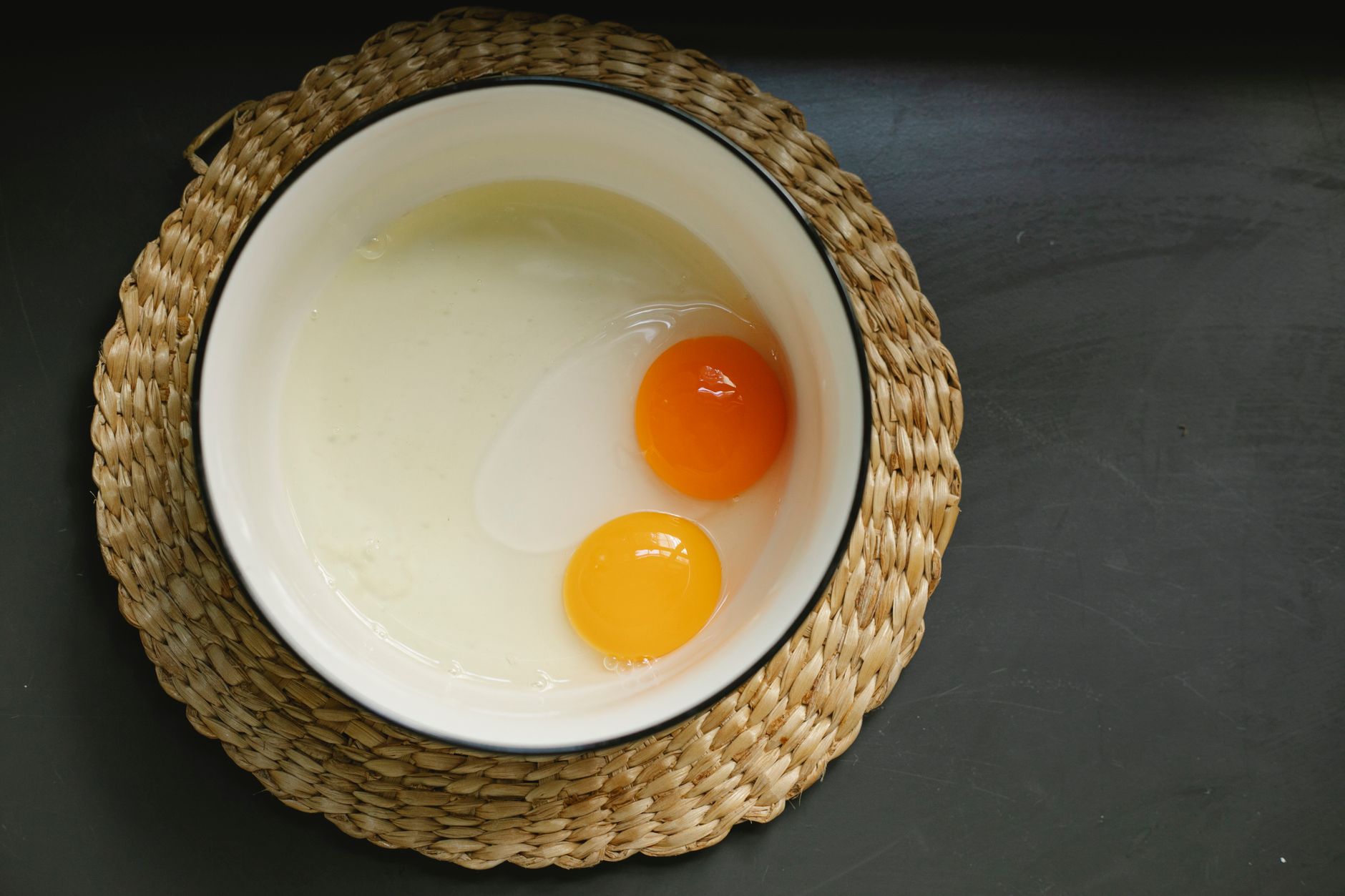
Fill a small saucepan with 3 inches of water. Add 1 tablespoon salt and 1 tablespoon fresh lemon juice. Heat over medium until the water simmers. Crack one egg into a small bowl, then gently slide it into the simmering water. Stir the water slowly with a wooden spoon to help the egg white envelop the yolk. Cook for 2 to 2½ minutes until the whites are set but yolks remain soft. Remove with a slotted spoon, drain on paper towels, and repeat for remaining eggs.
Step 4: Assemble and Serve
Place a thick slice of tomato on each serving plate. Sprinkle with salt and freshly ground black pepper to enhance flavor. Spoon a quarter of the creamy spinach mixture over the tomato slice. Top each with a perfectly poached egg. Finish by sprinkling the crisped prosciutto pieces on top. Serve warm for a comforting breakfast experience.
Variations & Substitutions
- Swap Prosciutto with Smoked Salmon: Replace prosciutto with thin slices of smoked salmon for a delicate, briny twist that pairs well with spinach and eggs.
- Lighten with Greek Yogurt: Substitute heavy cream with thick Greek yogurt to reduce fat and add a tangy creaminess to the spinach sauce.
- Use Swiss Chard or Kale: Replace spinach with either Swiss chard or kale for earthier flavor and additional nutrients like vitamin A and C.
- Cheese Options: Swap Pecorino Romano for Parmesan or Gruyère to achieve varied cheesy notes, from nutty to buttery.
Storage & Shelf Life
Store leftover Eggs Florentine in an airtight container in the refrigerator for up to 2 days. To keep the poached eggs intact, store them submerged in lightly salted water in a separate container. Reheat gently by placing eggs in simmering water for 30 seconds. This prevents overcooking. Avoid freezing as the texture of poached eggs and creamy spinach sauce can deteriorate, resulting in separation and watery texture. Signs of spoilage include off odors, discoloration of eggs, or slimy spinach.
Pro Tips
- Room Temperature Eggs: Bring eggs to room temperature before poaching to ensure even cooking and tender whites.
- Gentle Simmer: Poach eggs in water that’s just below boiling (approx. 180-190°F) to prevent tough whites and broken yolks.
- Spinach Sauce Thickness: Simmer the spinach and cream mixture until it coats the back of a spoon for a perfectly creamy texture that holds your poached eggs.
- Reheating: Always warm leftovers gently to maintain a silky sauce and maintain the integrity of the poached eggs.
When is the best time to eat Eggs Florentine Recipe?
Eggs Florentine shines as a weekend brunch or a leisurely breakfast during holidays. Its rich flavors and balanced nutrition make it a perfect way to start your day with energy and satisfaction. Enjoy it within a couple of hours of preparation to experience the ideal texture and warmth.
Can I prepare Eggs Florentine ahead of time?
Yes, you can poach the eggs a day in advance and store them in cold salted water in the refrigerator. Reheat gently by simmering for 30 seconds before serving. Prepare the spinach sauce fresh for the best flavor and consistency.
Is Eggs Florentine gluten-free?
Traditional Eggs Florentine is naturally gluten-free since it uses vegetables, eggs, cheese, and prosciutto without bread. Just ensure that all ingredients are certified gluten-free if you have sensitivities.
Can I make this recipe vegetarian?
Absolutely. Simply omit the prosciutto or replace it with a vegetarian-friendly alternative like sautéed mushrooms or smoked paprika-seasoned tempeh for similar savory depth.
What is the best cheese to use for Eggs Florentine?
Pecorino Romano offers salty, tangy notes that complement the spinach and eggs. Parmesan and Gruyère also work well if you prefer milder or nuttier flavors.
How do I prevent the egg whites from spreading while poaching?
Using very fresh eggs helps the whites stay compact. Stirring the water gently before adding the egg encourages the whites to wrap around the yolk for a neat poach.
Can I substitute the heavy cream with a lighter option?
Yes, Greek yogurt or half-and-half can replace heavy cream to reduce calories and fat while maintaining creaminess. Add yogurt off the heat to avoid curdling.
Is there a vegan version of Eggs Florentine?
Traditional Eggs Florentine relies on eggs and dairy, but you can create a vegan variation using tofu scramble or plant-based egg alternatives with cashew cream instead of heavy cream and nutritional yeast instead of cheese.

More Recipes You Will Love
If you enjoy the comforting blend of savory and creamy in Eggs Florentine, you might also love our Sausage and gravy pie with biscuit crust 3364653, which offers a hearty and indulgent twist on breakfast classics. For lighter, sweeter mornings, try our Carrot cake baked oatmeal 10004844, a nutritious way to satisfy your sweet tooth while keeping things wholesome.
Conclusion
This Eggs Florentine recipe brings a rich harmony of creamy, fresh, and crispy elements that easily elevates your breakfast or brunch table. Its balance of protein, greens, and indulgent cheese sauce makes it a satisfying yet sophisticated dish to prepare at home. Give this recipe a try, and don’t hesitate to share your cooking experience or favorite variations in the comments below. Your perfect Eggs Florentine awaits—enjoy every delightful bite!
FAQs
When is the best time to eat Eggs Florentine Recipe?
The best time to eat Eggs Florentine is during breakfast or brunch when you want a hearty and nutritious meal to start your day. It’s especially ideal for weekends or special occasions when you have time to enjoy a classic, savory dish.
Can Eggs Florentine be prepared ahead of time?
You can prepare some components like the spinach base and cheese sauce ahead of time, but poached eggs are best cooked fresh. Assemble just before serving for the best texture and flavor.
Is Eggs Florentine suitable for a vegetarian diet?
Yes, Eggs Florentine is suitable for vegetarians if you omit the prosciutto or substitute it with a vegetarian-friendly alternative. The main ingredients are eggs, spinach, and cheese, all vegetarian-friendly.
How can I make Eggs Florentine healthier?
To make it healthier, you can use low-fat cream or milk instead of heavy cream and reduce the amount of cheese. Using fresh spinach and limiting added salt also helps maintain a nutritious balance.
What is the difference between Eggs Florentine and Eggs Benedict?
Eggs Florentine uses sautéed spinach as its base, often with a nutmeg-seasoned cheese sauce, while Eggs Benedict traditionally features Canadian bacon and hollandaise sauce over English muffins. The key difference is the spinach and cheese flavor in Florentine.