Why Citrus Chicken in a Brown Paper Bag Recipe?
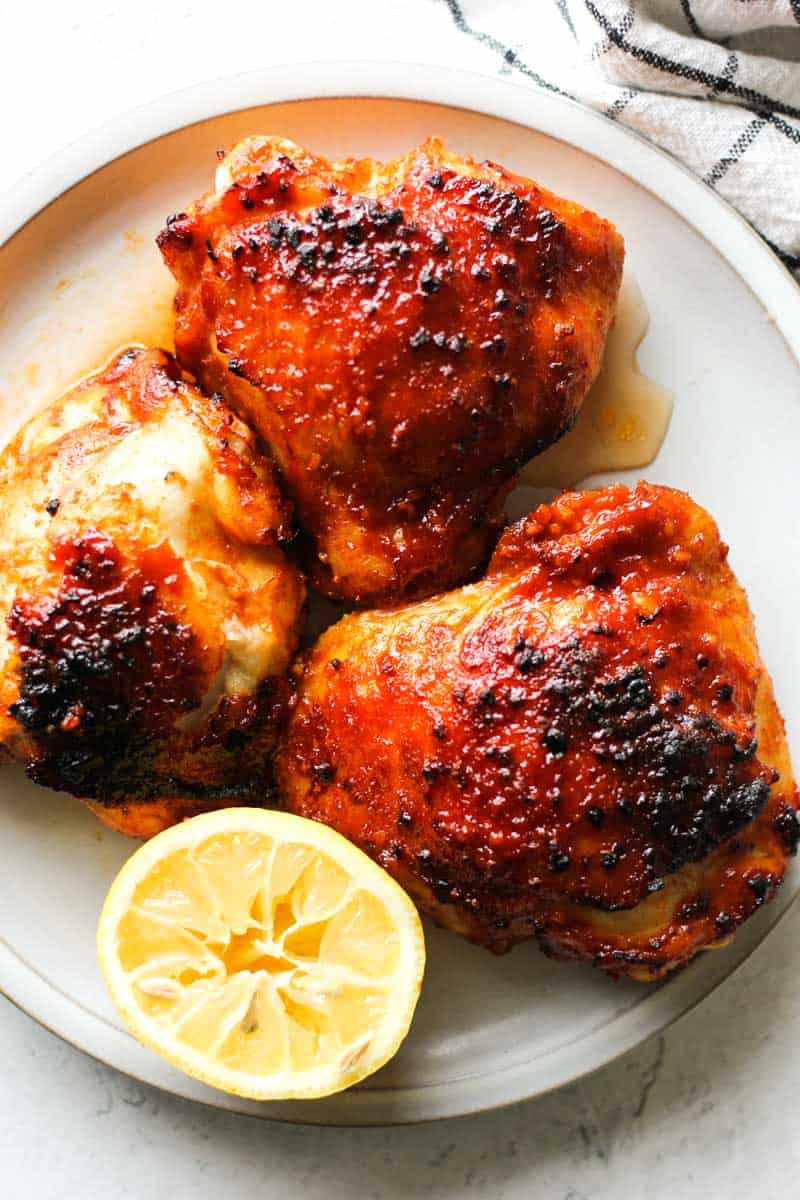
Imagine tender chicken infused with vibrant citrus notes, cooked to juicy perfection inside a brown paper bag that locks in flavor and moisture. This Citrus Chicken in a Brown Paper Bag recipe delivers just that—an aroma of fresh oranges, lemons, and lime that fills your kitchen while the chicken roasts golden-brown and succulent. The unique cooking method creates a perfectly steamed yet crisp-skinned chicken that‘s both impressive and easy to make. This recipe brings together bright, tangy flavors complemented by a subtly sweet orange glaze, transforming your dinner into a refreshing, satisfying experience.
Health Benefits & Nutrition
This citrus chicken dish is not just delicious but also packed with nutritional benefits:
- Rich Protein Content: Each serving offers approximately 39 grams of protein, essential for muscle repair and immune function (Harvard Health Publishing).
- Vitamin C Boost: The orange, lemon, and lime juices supply antioxidants and vitamin C, which support skin health and immune defense (NIH).
- Low Carb, Balanced Fats: With just 27 grams of carbs and moderate healthy fats, this dish fits well into balanced diets.
- Heart Health: Using a dry rub with herbs and minimal added salt helps keep sodium lower than traditional fried chicken recipes, promoting better cardiovascular health.
Safety note: If you have citrus allergies or are on medication that interacts with grapefruit-like fruits, consult your healthcare provider before trying this recipe.
Ingredients & Preparation
Recipe Card
| Prep Time | Inactive Time | Cook Time | Total Time | Servings | Calories | Diet Tags |
|---|---|---|---|---|---|---|
| 1 hour | 1 hour 30 minutes (marinating) | 2 hours | 4 hours 30 minutes | 6 | 540 kcal per serving | Gluten-free, High-protein |
Full Ingredient List
- 1 whole chicken (3–4 lbs)
- 1 can (12 oz) frozen orange concentrate, thawed
- 3 teaspoons kosher salt
- 1 teaspoon whole peppercorns
- 1/2 cup dry rub seasoning mix (your choice)
- 3 cups fresh orange juice
- Juice of 3 lemons
- Juice of 1 lime
- 3 teaspoons brown sugar
- 2 teaspoons honey (preferably orange blossom honey)
- Water (enough to cover the chicken for marinade)
- 1 large brown paper grocery bag (uncoated and food-safe)
Equipment Needed
- Large pot or mixing bowl for marinating
- Roasting pan or wire cooking rack
- Oven preheated to 400°F (204°C)
- Measuring spoons and cups
- Mixing bowl for sauce
- Thermometer to check chicken doneness (optional but recommended)
Tips for Choosing Quality Ingredients
- Pick a fresh, antibiotic-free whole chicken with firm skin and no off-odor.
- Use fresh citrus fruits for juicing to maximize brightness and reduce preservatives.
- Select a dry rub seasoning blend with complementary herbs like thyme, paprika, and garlic, avoiding those with excessive salt.
- Opt for organic or raw honey varieties for a more natural glaze flavor.
Step-by-Step Instructions
Step 1: Prepare the Marinade and Marinate the Chicken (1 hour prep + 1 hour 30 mins inactive)
In a large pot or bowl, combine the thawed orange concentrate, 3 teaspoons of salt, 1 teaspoon peppercorns, and enough cold water to cover. Submerge the whole chicken completely. Cover and refrigerate for 1 to 1.5 hours to infuse the citrus flavors deeply into the meat.
Step 2: Season and Bag the Chicken (15 minutes)
Remove the chicken from the marinade and pat it dry. Rub your chosen dry seasoning mix liberally inside and out. Pour some marinade over the chicken to keep it moist. Place the chicken carefully into a clean, brown paper grocery bag designed for food use. Do not seal the bag tightly—fold the open end gently to trap steam but allow air circulation.
Step 3: Roast in the Oven at 400°F (204°C) (1 hour 30 minutes)
Set the oven rack to the lowest position to accommodate the bag and ensure even cooking. Place the bagged chicken on a cooking rack or pan for drip collection. Roast for 1.5 hours, until the internal temperature reaches 165°F (74°C). The chicken skin should be golden and slightly crispy while remaining juicy beneath.
Step 4: Prepare the Citrus Glaze (5 minutes)
While the chicken roasts, combine fresh orange juice, lemon juice, lime juice, brown sugar, and honey in a bowl. Stir until sugar dissolves completely. This tangy, sweet sauce will complement the savory chicken beautifully.
Step 5: Serve and Enjoy
Carefully remove the chicken from the paper bag, tent loosely with foil for 10 minutes to rest. Carve and drizzle with the citrus glaze or serve the glaze on the side as a dipping sauce.
Variations & Substitutions
- Spice It Up: Add crushed red pepper flakes or cayenne to the dry rub for a spicy kick.
- Alternative Poultry: Substitute the whole chicken with Cornish game hens for individual servings; adjust cooking time accordingly. Discover a perfect Roasted cornish game hens recipe 1937962 for inspiration.
- Sweetener Swap: Use maple syrup instead of honey in the glaze for a deeper, earthy sweetness.
- Dry Rub Adjustments: Use garlic and herb seasoning if you prefer a milder citrus aroma.
- Oven Method Alternative: For a smoky flavor, cook the bagged chicken on an outdoor grill over indirect heat at similar temperature.
Storage & Shelf Life
Refrigerate: Store leftover cooked chicken in a shallow airtight container for up to 3 days. Keep the citrus glaze separate to maintain its freshness.
Freeze: Slice and wrap the chicken tightly in aluminum foil or freezer-safe bags. Freeze for up to 2 months. Thaw overnight in the fridge before reheating gently.
Signs of spoilage: Avoid eating chicken that smells sour, feels slimy, or has discoloration or mold. Similarly, discard glaze if it ferments or separates unusually.
Pro Tips
- Use a meat thermometer to ensure the chicken reaches 165°F internally for safe consumption while retaining juiciness.
- Pat the chicken dry before adding the rub to help the skin crisp crisply despite cooking inside a paper bag.
- Keep the brown paper bag vented slightly for just enough steam to infuse the meat without sogginess.
- For an intensified citrus aroma, zest the lemon, lime, and orange and sprinkle lightly inside the bag before roasting.
- Protect your counters when rubbing the orange concentrate marinade by working over a bowl to avoid sticky messes.
When is the best time to eat Citrus Chicken in a Brown Paper Bag Recipe?
This dish shines as a comforting yet refreshing meal any time of the year. Serve it hot for a weeknight dinner or make it the centerpiece of a weekend gathering. Its bright citrus notes work well in warmer months, while its hearty protein content warms you in cooler weather.
Can I prepare the marinade ahead of time?
Absolutely. You can prepare the marinade up to 24 hours in advance and refrigerate. Be sure to add the chicken only when ready to marinate to keep flavors fresh and avoid over-salting.
Is it necessary to use a brown paper bag?
The brown paper bag helps steam and crisp the chicken gently, locking moisture and flavor. If unavailable, you could use parchment paper wrapped tightly, but the results may differ slightly.
How do I know when the chicken is fully cooked?
The safest method is using an instant-read thermometer inserted into the thickest part of the thigh, which should read 165°F (74°C). Juices running clear also indicate doneness.
Can I make this recipe gluten-free?
Yes, as long as the dry rub seasoning does not contain gluten-based additives. Always check labels or prepare your own gluten-free spice mix.
What dry rub seasoning works best?
A blend with smoked paprika, garlic powder, onion powder, thyme, and a pinch of brown sugar complements citrus beautifully without overpowering it.
How should I reheat leftover chicken without drying it out?
Reheat gently in a covered pan over low heat or wrap in foil and warm in the oven at 325°F (163°C). Avoid microwave reheating which can dry the meat.
Can I double the recipe for a larger crowd?
Yes, though you will need to adjust cooking times slightly and likely use two paper bags or a larger roasting pan to ensure even heat distribution.

More Recipes You Will Love
If you enjoy the bright citrus flavors and tender chicken of this recipe, you might love trying a Chicken thigh and fennel sausage cacciatore hunter style 2685002. It pairs rustic herbs with rich savory notes for a comforting dish.
Alternatively, explore the elegance and simplicity of a Roasted cornish game hens recipe 1937962 for a more individualized presentation with similar cooking ease and delicious outcomes.

Conclusion
This Citrus Chicken in a Brown Paper Bag recipe brings together juicy, zesty flavors and an innovative cooking technique to delight your taste buds. Using simple ingredients and straightforward steps, you can enjoy a meal bursting with fresh citrus aroma and tender meat. Give this recipe a try and share your experience — your comments and ratings are always welcome!
FAQs
When is the best time to eat Citrus Chicken In A Brown Paper Bag Recipe?
This dish is perfect for lunch or dinner, especially when you want a flavorful and nutritious meal. Its refreshing citrus flavors also make it an excellent choice for warm-weather gatherings or any time you crave a light but satisfying chicken dish.
Can I prepare the Citrus Chicken In A Brown Paper Bag Recipe ahead of time?
Yes, you can marinate the chicken up to 1.5 hours ahead, which allows the citrus flavors to infuse thoroughly. You may also prepare the marinade and seasoning ahead, then cook the chicken fresh for best texture and taste.
Is the brown paper bag safe to use for cooking chicken in the oven?
Yes, using an uncoated, food-safe brown paper grocery bag designed for cooking is safe for oven use. It helps trap moisture and flavor, producing tender chicken. Avoid coated or wax paper bags as they can emit harmful fumes.
What variations can I try with this Citrus Chicken recipe?
You can experiment with different dry rubs, such as adding herbs like rosemary or citrus zest for extra aroma. Using honey or maple syrup variants for the glaze or swapping lime juice for grapefruit can also add unique twists to the flavor.
How do I know when the Citrus Chicken In A Brown Paper Bag Recipe is fully cooked?
The ideal internal temperature for cooked chicken is 165°F (74°C). Use a meat thermometer inserted into the thickest part of the chicken to ensure it is fully cooked and safe to eat, yielding juicy and perfectly tender meat.