Why Use Leftover Egg Yolks?
Have you ever cracked eggs for a recipe only to have a handful of leftover yolks staring back at you? These golden gems are packed with flavor and potential. Instead of tossing them, you can turn egg yolks into velvety sauces, luscious desserts, or even richly textured baked goods. The silky richness egg yolks bring to dishes is unmatched, making your cooking and baking not just sustainable but irresistibly delicious. If you often find yourself wondering what to do with egg yolks, keeping a few creative ideas on hand ensures nothing goes to waste in your kitchen.
Health Benefits & Nutrition of Egg Yolks
Egg yolks are a powerhouse of nutrients many overlook. They provide essential vitamins like A, D, E, and K that support vision, immunity, and bone health. Rich in choline, egg yolks promote brain development and memory function, according to research published in the Journal of Nutrition. They also contain lutein and zeaxanthin, antioxidants that help maintain eye health by filtering harmful light. While rich in cholesterol, moderate consumption of egg yolks doesn’t negatively impact heart health for most people, per studies reported by the American Heart Association. However, if you are pregnant, have specific allergies, or are on medication, always consult your healthcare provider regarding egg yolk consumption.
Ingredients & Preparation
Recipe Card
| Prep Time | Total Time | Servings | Calories | Diet Tags |
|---|---|---|---|---|
| 5 mins | Varies by recipe | Depends on dish | 55 per yolk | Gluten-free, Keto-friendly, Vegetarian (not vegan) |
Ingredients List
- Egg yolks (from large eggs, about 1 tablespoon each)
- Optional: lemon juice, Parmesan cheese, olive oil, sugar, milk, cream, herbs, spices
- Additional ingredients depend on the dish—see specific recipes
Equipment Needed
- Mixing bowls
- Whisk or hand mixer
- Measuring spoons and cups
- Fine sieve (for custards or sauces)
- Non-stick or heavy-bottomed pan
- Oven or stovetop
Tips for Choosing Quality Ingredients
- Select fresh, pasture-raised eggs if possible; they tend to have deeper yellow yolks and richer flavor
- Inspect eggs for cracks or discoloration before separating yolks
- Use pasteurized eggs when recipes call for raw yolks, especially in emulsified sauces
- Organic or free-range eggs can add subtle variation to taste and texture
Step-by-Step Instructions for Using Leftover Egg Yolks
How to Use Leftover Egg Yolks Effectively
Here is a simple guide to transform your egg yolks into delicious dishes or ingredients.
Step 1: Separate Yolks Carefully (5 minutes)
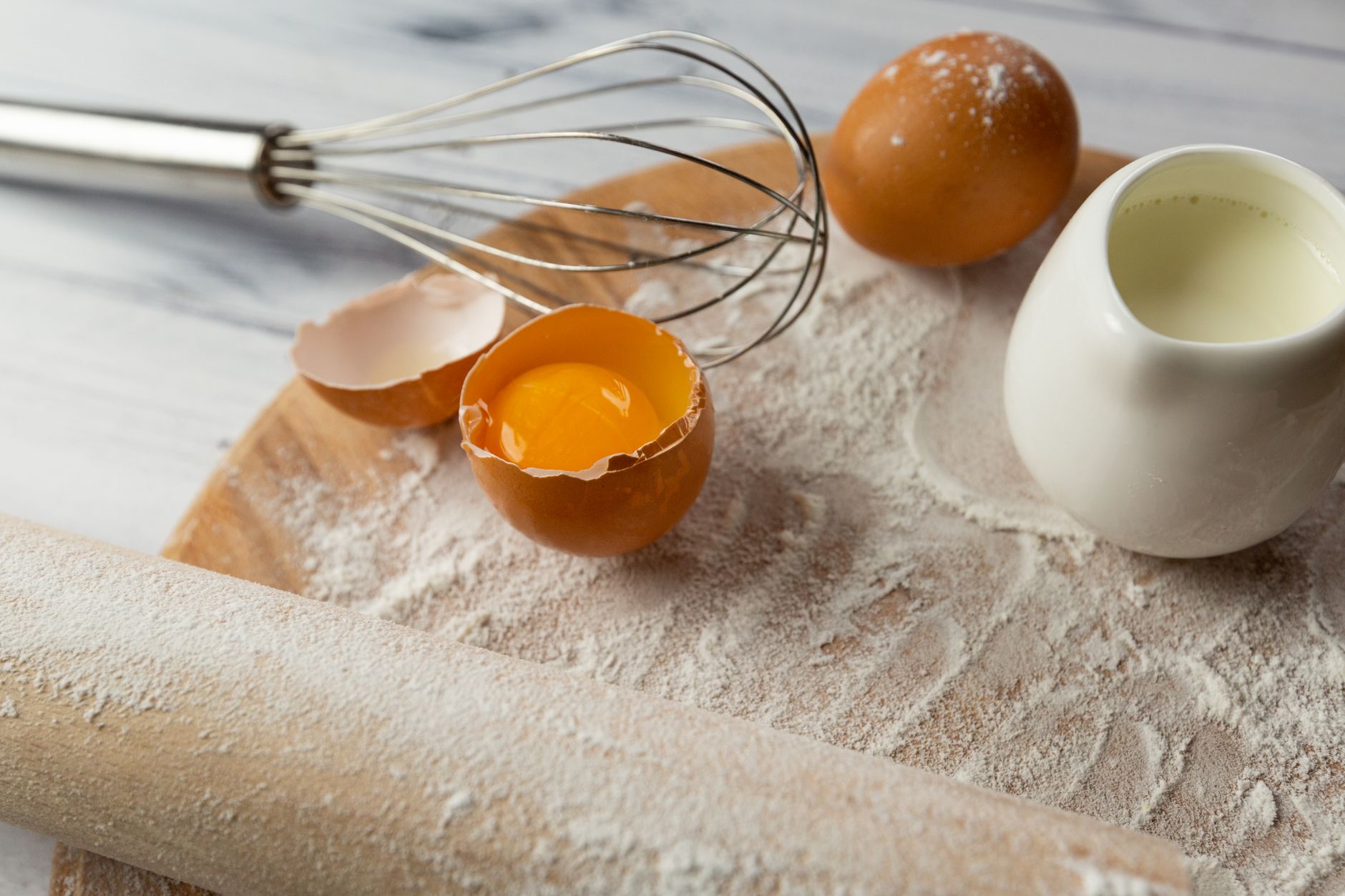
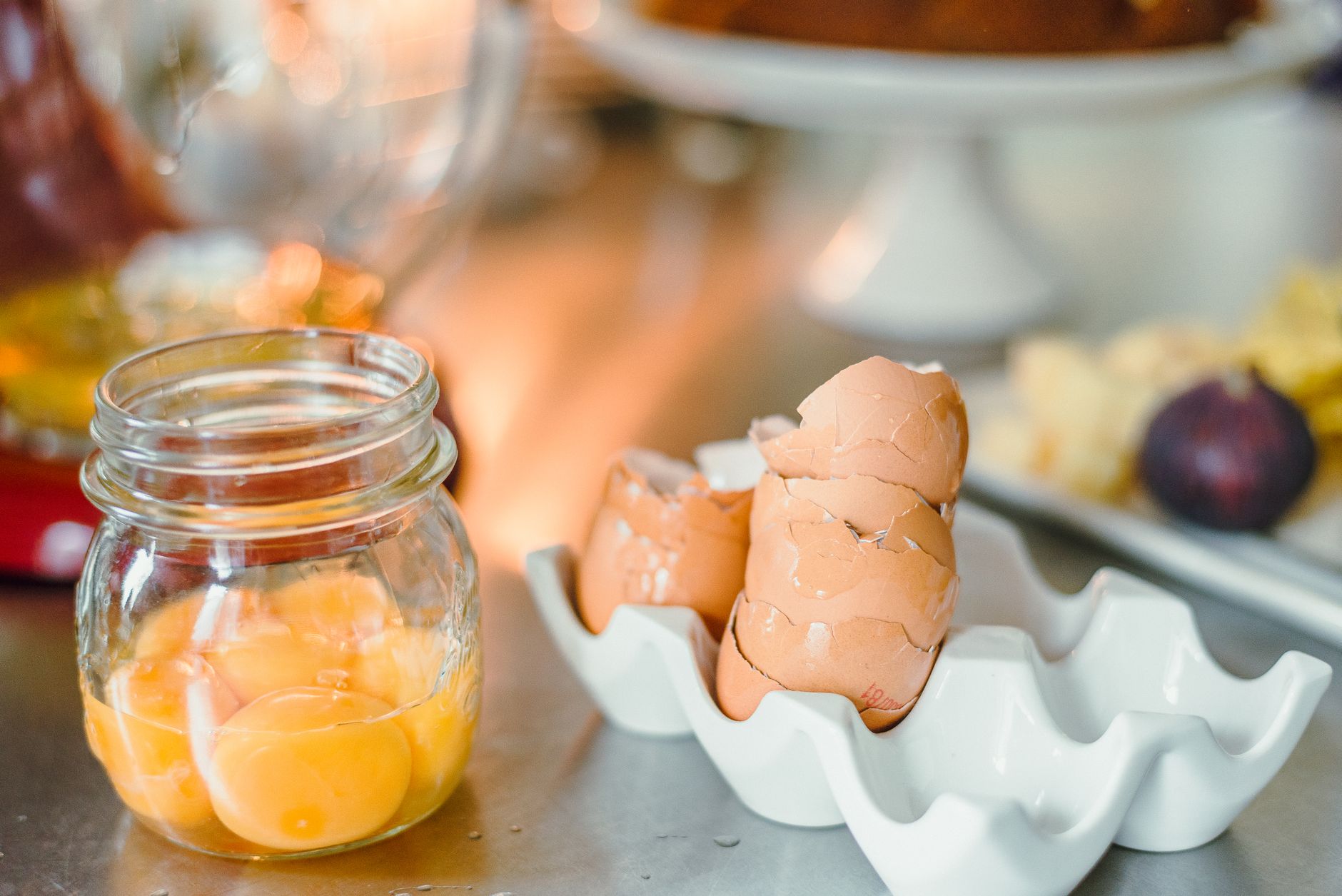
Crack eggs on a flat surface to avoid breaking the yolks. Separate the yolks from the whites by hand or using an egg separator. Gently transfer the yolks to a clean bowl, being careful not to puncture them.
Step 2: Choose Your Dish (Varies)
Select a recipe that calls for egg yolks, such as custard, Caesar dressing, or carbonara. Measure the yolks—remember one large egg yolk equals about one tablespoon.
Step 3: Whisk Yolks with Other Ingredients (3–5 minutes)
For dressings or sauces, whisk yolks with lemon juice or vinegar, salt, and seasonings. For custards, slowly incorporate sugar and dairy over low heat for a smooth, thick base.
Step 4: Cook or Bake Accordingly (Varies)
Depending on your recipe, cook yolk mixtures gently and patiently. For custards, cook over a double boiler at 160°F to 170°F (71°C to 77°C) until thickened but not scrambled.
Step 5: Store or Use Immediately
If not using immediately, refrigerate yolk mixtures in airtight containers for up to four days or freeze them, following proper storage guidelines described below.
Variations & Substitutions for Egg Yolk Recipes
- Substitute with whole eggs: Use when richness is less important, but reduce liquid elsewhere to balance moisture.
- Use egg yolk powder: Great for long-term storage and adds similar creaminess; reconstitute before use.
- Dairy substitutes: For creamy textures without egg yolks, try cashew cream or silken tofu in vegan recipes.
- Vegan alternatives: Aquafaba or commercial egg replacers can mimic whites but not yolks well—opt for recipes that don’t rely on yolks.
Storage & Shelf Life of Egg Yolks
Store leftover egg yolks in an airtight container in the fridge immediately. They remain fresh up to four days. To prevent drying out, cover yolks with a thin layer of water and drain before use. For longer storage, you can freeze yolks:
- Beat yolks lightly with a pinch of salt or sugar (depending on future use) before freezing in ice cube trays.
- Transfer frozen cubes to airtight bags and thaw in the fridge overnight.
Discard yolks if they develop an off smell, discoloration, or slimy texture.
Pro Tips for Handling and Using Egg Yolks
- When separating yolks, work with cold eggs; they are easier to separate cleanly.
- Use room temperature yolks in emulsified sauces to encourage better binding and creamier texture.
- Slowly temper yolks with hot liquids before cooking to prevent curdling.
- For a beautiful golden sheen on pastries, brush egg yolk wash right before baking to avoid burning.
- Use fresh lemon juice or vinegar in dressings to balance the richness of yolks with a tangy brightness.
- Prevent yolk staining on hands by washing promptly with lemon juice or mild soap.
When is the best time to use leftover egg yolks?
You should use leftover egg yolks within four days if refrigerated. They‘re best incorporated fresh in rich sauces, custards, or baked goods where their creamy texture and flavor shine. If frozen properly, you can extend their usefulness but try to use them within three months for optimal taste.
Can I eat raw egg yolks safely?
Eating raw egg yolks carries a small risk of salmonella. Use pasteurized eggs if you need to consume raw yolks in dressings or sauces. Always purchase from reputable suppliers and store eggs chilled.
How do leftover yolks affect baking?
Extra yolks add moisture and fat, making baked goods richer and more tender. For cookies, yolks can increase chewiness; in cakes, they add moistness and a velvety crumb.
Can I freeze raw egg yolks? How?
Yes, freeze yolks by beating them with a pinch of salt or sugar to prevent thickening. Pour into ice cube trays, freeze, then store cubes in airtight bags. Thaw in the fridge and use promptly.
What’s the difference between egg yolk and whole egg wash?
Egg yolk wash delivers a deeper golden color and a shinier finish to baked goods than whole egg wash. It also creates a richer crust, ideal for pastries and pies.
Are egg yolks keto-friendly?
Yes, egg yolks are low in carbs and high in fats and protein, making them ideal for ketogenic and low-carb diets.
How many yolks does a typical custard recipe require?
Most custard recipes need around 4 to 6 yolks per six servings. Adjusting yolk numbers influences the custard’s richness and firmness.
Can I add egg yolks to pasta dough?
Absolutely! Egg yolks enrich pasta dough with color and elasticity, resulting in tender, silky noodles that hold sauce well.
More Recipes You Will Love
If you‘re inspired to make the most of your egg yolks, try complementing your dishes with a fresh Caesar salad dressing or a classic Carbonara recipe. You might also enjoy baking rich cookies with an extra yolk for added chewiness. For a delightful twist, consider exploring our Zucchini bread to use other surplus ingredients efficiently in your kitchen.
For savory bakes and golden crusts, brushing with an egg yolk wash is a simple but transformative technique. Curious how long to perfect your pies? Discover all you need to know about how long to cook a meat pie in the oven and make your baking flawless.
Conclusion
Leftover egg yolks hold a world of culinary possibilities, from creamy custards to tangy dressings and golden baked goods. With some simple know-how, you can turn these often-discarded ingredients into highlights of your meals. Keep experimenting and share your favorite yolk-based recipes with us—we’d love to hear how you use your egg yolks. Your kitchen will thank you for the rich, creamy textures and sustainable cooking habits you develop along the way.
FAQs
When is the best time to use What To Do With Egg Yolks?
The best time to use leftover egg yolks is immediately after separating them to ensure freshness and prevent waste. If not using right away, store them tightly covered in the refrigerator for up to two days before incorporating into your recipes or dishes.
Can egg yolks be frozen for later use?
Yes, egg yolks can be frozen but they require slight preparation first, such as mixing with a pinch of salt or sugar to prevent gelatinization. Frozen yolks can be stored for up to three months and thawed gradually before use in cooking or baking.
Are egg yolks safe to eat raw in dressings and sauces?
Raw egg yolks can be used safely if they come from pasteurized eggs to reduce the risk of foodborne illness. Always ensure proper handling and storage, especially when preparing dressings like Caesar or homemade mayonnaise that use raw yolks.
How do egg yolks enhance the texture of baked goods?
Egg yolks add richness, moisture, and a tender crumb to baked goods. Their fat content helps create a silky texture, while the lecithin acts as an emulsifier to bind ingredients, resulting in smoother and more flavorful cakes, cookies, and custards.
Can I use leftover egg yolks in keto or low-carb diets?
Absolutely. Egg yolks are keto-friendly and low in carbohydrates while providing healthy fats and essential nutrients. They work well in keto sauces, custards, and rich dishes, making them ideal for low-carb meal plans.