Hey there, feeling under the weather? I get itnothing beats the misery of a stubborn cough and that lingering chill. The good news? A warm bowl of soup can be your secret weapon, giving you comfort, hydration, and a boost of immunesupporting goodies all at once. Below, Ill walk you through why soup works, the ingredients that truly matter, and five triedandtrue recipes that have helped me (and countless friends) bounce back faster.
Why Soup Works
What makes soup coldfighting?
First off, soup isnt just a tasty excuse to eat carbs. The warm broth raises your body temperature slightly, which can help loosen mucus and ease that irritating cough. More importantly, broth is a carrier for vitamins, minerals, and antioxidants that your body needs when its fighting a virus. A study from the National Food & Clinical Research Institute showed that sipping chicken broth every few hours reduced the duration of cold symptoms by up to 20%.
Who should reach for soup first?
If youre battling a mildtomoderate cold, flu, or a cough thats more annoying than dangerous, a soothing bowl is a smart first step. Its especially helpful when your appetite is lowsoups are easy to digest and can keep you hydrated without feeling heavy. Of course, if you develop a high fever, persistent chest pain, or a cough that wont quit after a week, its time to see a doctor.
Soup Checklist
Core immunityboosting ingredients
These powerhouses appear in almost every best soup for cold and cough recipe:
- Garlic packed with allicin, which has antimicrobial properties.
- Ginger a natural antiinflammatory that eases throat irritation.
- Turmeric contains curcumin, a strong antioxidant.
- Black pepper & chili the piperine in black pepper helps the body absorb curcumin better.
- Lemon a quick vitaminC boost and a nice zing.
Protein power: chicken vs. plantbased
Chicken broth is the classic chicken soup for cold and cough that many of us grew up with. It delivers lean protein and collagen, which can help repair irritated airway lining. If youre vegetarian or just want variety, try a broth made from lentils, mushrooms, or even miso. Both options supply the amino acids your immune system craves.
Hydration & electrolytes
Dont forget electrolytesespecially sodium and potassiumbecause fever and rapid breathing can dehydrate you quickly. Adding a pinch of sea salt, a splash of miso, or a handful of leafy greens keeps the broth balanced.
Top Soup Recipes
| Rank | Soup Type | Quick Pitch | Prep / Cook |
|---|---|---|---|
| 1 | ColdFighting Chicken Noodle | Classic comfort, brothrich, easy | 30min |
| 2 | Spicy Ginger Garlic Veg Soup (Indianstyle) | Veggieheavy, gingergarlic punch | 25min |
| 3 | Lentil & Root Veggie Soup | Plantprotein, ironrich, hearty | 35min |
| 4 | MisoTamarind Hot & Sour | Tangy, probioticrich, immuneboosting | 20min |
| 5 | Moroccan Chicken & Sweet Potato | Warm spices, sweetpotato carbs | 40min |
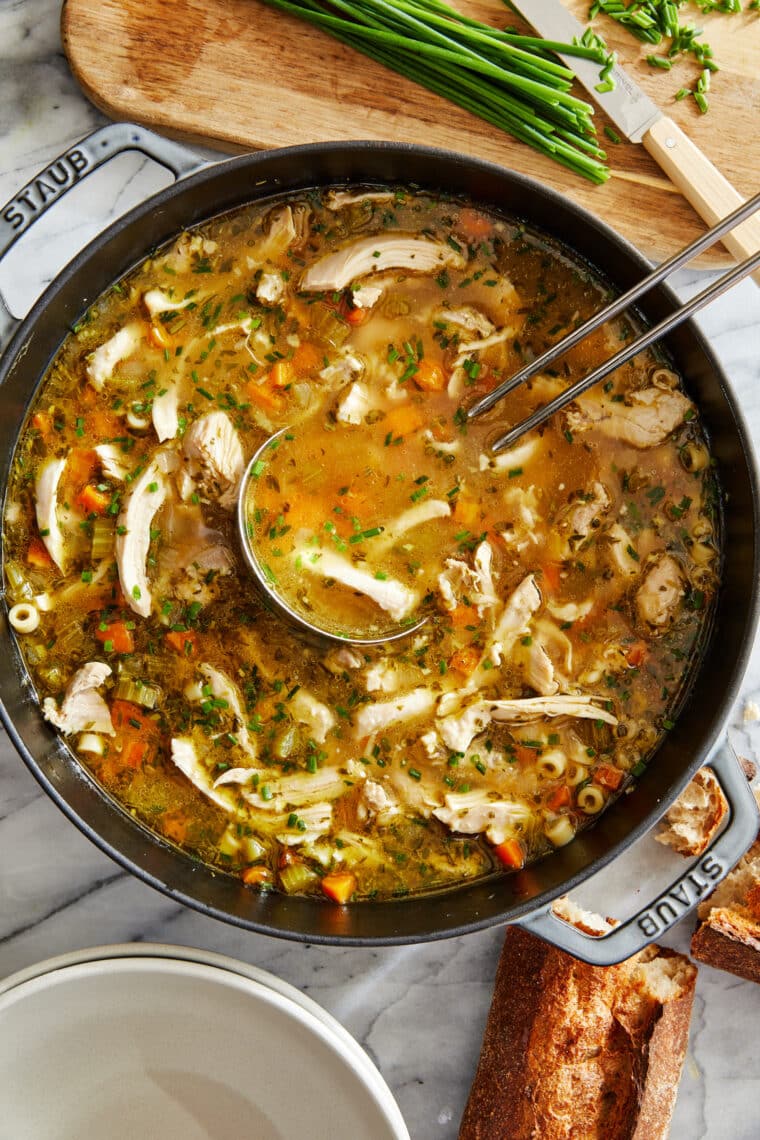
1. ColdFighting Chicken Noodle
Ingredients: shredded chicken breast, carrots, celery, wholegrain noodles, lowsodium chicken broth, garlic, ginger, black pepper, a splash of lemon juice.
How to make it: Saut garlic and ginger in a little olive oil until fragrant. Add broth, bring to a boil, then toss in chopped carrots, celery, and noodles. Simmer until veggies are tender, stir in shredded chicken, season, and finish with lemon.
Why it helps: The broth delivers protein and collagen, while ginger and garlic fight inflammation and help loosen mucus. A squeeze of lemon adds a dose of vitaminC right before you sip.
2. Spicy Ginger Garlic Veg Soup (Indianstyle)
Ingredients: mixed vegetables (cauliflower, beans, carrots), turmeric, cumin seeds, mustard seeds, fresh ginger, garlic, green chilies, vegetable broth, a handful of cilantro.
How to make it: Heat oil, toast cumin and mustard seeds till they pop, then add ginger, garlic, and chilies. Stir in veggies, turmeric, and broth. Cook until everything is soft, then garnish with cilantro.
Why it helps: Turmerics curcumin works with black pepper to boost antioxidant activity. The heat from chilies clears congestion, making it a favorite for those looking for the best soup for cold and cough Indian twist.
3. Lentil & Root Veggie Soup
Ingredients: red lentils, sweet potatoes, carrots, onion, ginger, garlic, lowsodium vegetable broth, cumin, a pinch of smoked paprika.
How to make it: Saut onion, garlic, and ginger. Add lentils, diced sweet potatoes, carrots, broth, and spices. Simmer until lentils break down and the soup thickens.
Why it helps: Lentils provide plantbased protein and iron, essential when youre feeling weak. Sweet potatoes bring betacarotene, which the body converts to vitaminAa key player in immune health.
4. MisoTamarind Hot & Sour
Ingredients: miso paste, tamarind concentrate, shiitake mushrooms, bok choy, tofu cubes, ginger, garlic, lowsodium chicken or veggie broth, a splash of rice vinegar.
How to make it: Dissolve miso and tamarind in hot broth. Add garlic, ginger, mushrooms, and tofu. Simmer briefly, then toss in bok choy. Finish with rice vinegar for a bright tang.
Why it helps: Miso is a probiotic powerhouse that supports gut health, which is intimately linked to immunity. The sour note from tamarind and vinegar can stimulate saliva production, soothing a dry throat.
5. Moroccan Chicken & Sweet Potato
Ingredients: chicken thighs, diced sweet potatoes, cinnamon, cumin, coriander, garlic, ginger, lowsodium chicken broth, fresh parsley.
How to make it: Brown chicken pieces, set aside. Saut garlic, ginger, and spices, then add sweet potatoes and broth. Return chicken to the pot and simmer until everything is tender.
Why it helps: Warm spices like cinnamon and cumin have mild antimicrobial properties, while sweet potatoes supply complex carbs for steady energy during a sluggish day.
Customize Your Soup
Thick phlegm?
Add a pinch of cayenne pepper, black pepper, or a teaspoon of mustard seeds. The extra heat helps break up mucus, making it easier to cough out.
Sore throat & congestion?
Stir in a spoonful of honey (if youre not allergic) and a squeeze of fresh lemon. Both coat the throat and provide soothing sweetness.
Low appetite?
Keep the broth clear and avoid heavy dairy or cream. A light, clear soup is gentler on an upset stomach while still delivering hydration.
Risks & When to Skip
High sodium concerns
If you watch your salt intake, choose lowsodium broth or make your own stock. Too much sodium can raise blood pressure, which isnt ideal when youre already stressed.
Food allergies
Gluten? Swap noodles for rice or spiralized veggies. Dairy? Use coconut milk or skip creamy additions altogether.
Severe symptoms
When fever spikes above 102F, or a cough lasts more than ten days, its best to see a healthcare professional. Soup is supportive, not a substitute for medical care.
Expert Insights
Nutritionists take
According to EatingWell, A broth rich in vitamins C, A, and zinc can shorten the duration of cold symptoms and improve overall recovery. Their research emphasizes the combination of warm fluids and nutrient densityexactly what these soups provide.
Medical perspective
The CDC notes that staying hydrated, resting, and consuming nutrientdense foods are key components of managing flu symptoms. A warm soup checks all those boxes while also offering comfort.
Culinary authority
Food blogger Damn Delicious highlights that the classic chicken noodle soup remains a goto remedy because it balances protein, carbs, and soothing warmth in a single bowl.
Quick Cheat Sheet
Printready guide
If you love having a quick reference on your fridge, download the Soup Saver cheat sheet. It includes ingredient swaps, cooking timers, and a symptommatching chart so you can pick the perfect bowl at a glance.
Take action
Now that you have a toolbox of recipes and tips, why not pick one and give it a try? A comforting bowl could be just the boost you need to feel a little brighter today. And if you experiment with your own twistsmaybe extra ginger, a dash of cumin, or a splash of orange juiceId love to hear how it turned out. Feel free to share your favorite version, ask any questions, or let me know which soup helped you the most.
Conclusion
Soup isnt magic, but its a practical, tasty, and evidencebacked ally when youre battling a cold, flu, or stubborn cough. By choosing the right basewhether its chicken, lentils, or misoand filling it with immunityboosting ingredients like garlic, ginger, and turmeric, you create a bowl that comforts, hydrates, and nourishes your body. Remember to listen to your body, adjust seasoning for your specific symptoms, and stay aware of any allergies or sodium concerns. With these recipes and tips in your kitchen arsenal, youre ready to face the sniffles with a warm, soothing spoonful of health. Stay cozy, stay hydrated, and may your next bowl be the best soup for cold and cough youve ever tasted.
FAQs
What ingredients make a soup effective against cold and cough?
Key ingredients include garlic, ginger, turmeric, black pepper, lemon, and a protein source like chicken or lentils, which provide antimicrobial, anti‑inflammatory, and immune‑supporting benefits.
How often should I sip soup when I have a cold?
Drink a warm bowl every 2–3 hours. Frequent sips keep you hydrated, loosen mucus, and supply steady nutrients without overloading your stomach.
Can I use low‑sodium broth for these recipes?
Yes. Low‑sodium or homemade broth is recommended, especially if you’re watching sodium intake. Add a pinch of salt for flavor if needed.
Are these soups safe for children?
All recipes are mild enough for kids; just adjust the heat level by reducing chilies or pepper and omit honey for children under one year.
What’s the best way to store leftover soup?
Cool the soup quickly, then refrigerate in airtight containers for up to 3 days or freeze for up to 2 months. Reheat gently on the stove or in the microwave.