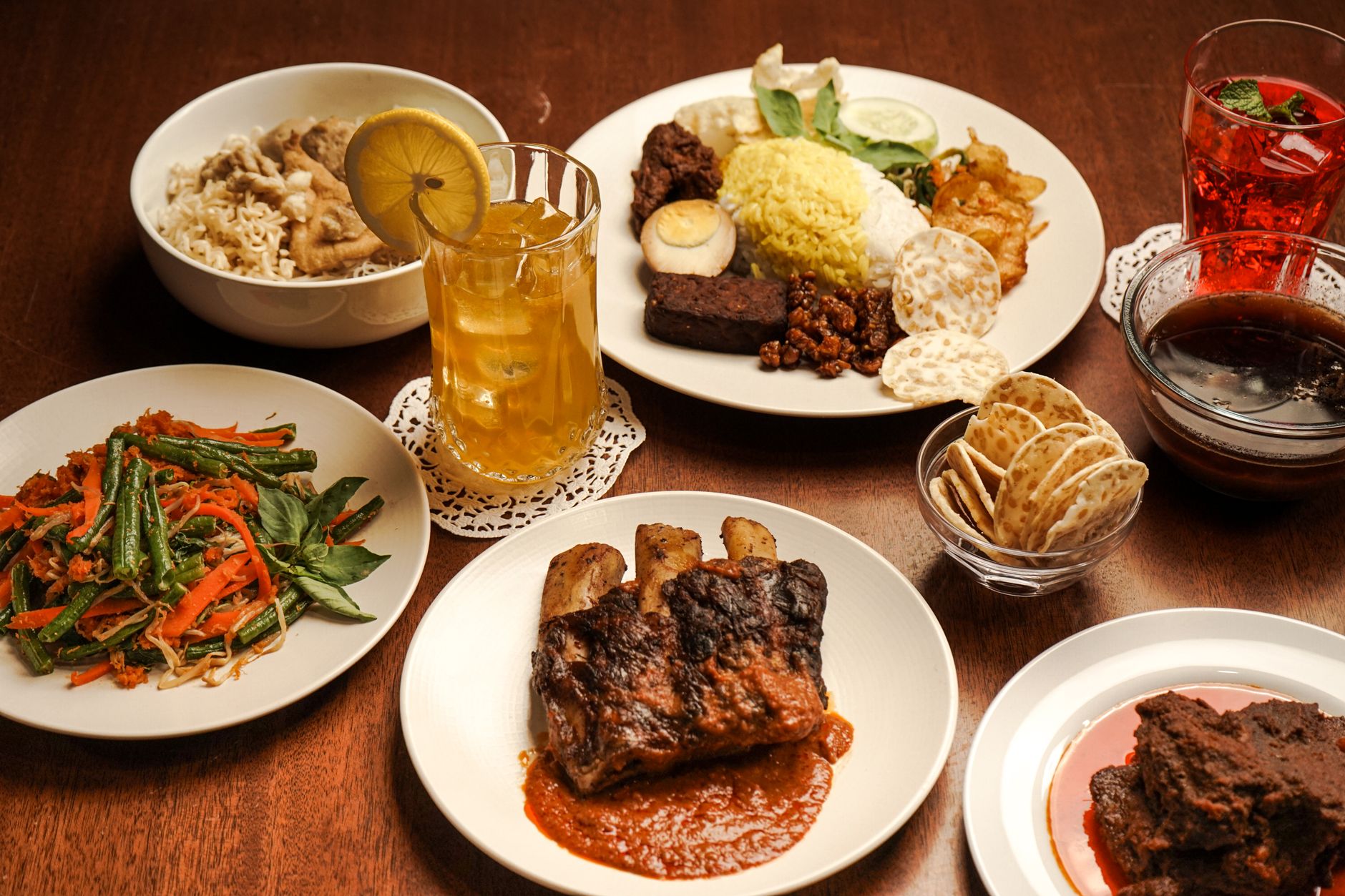
Why Beef Short Ribs Recipe Is a Must-Try
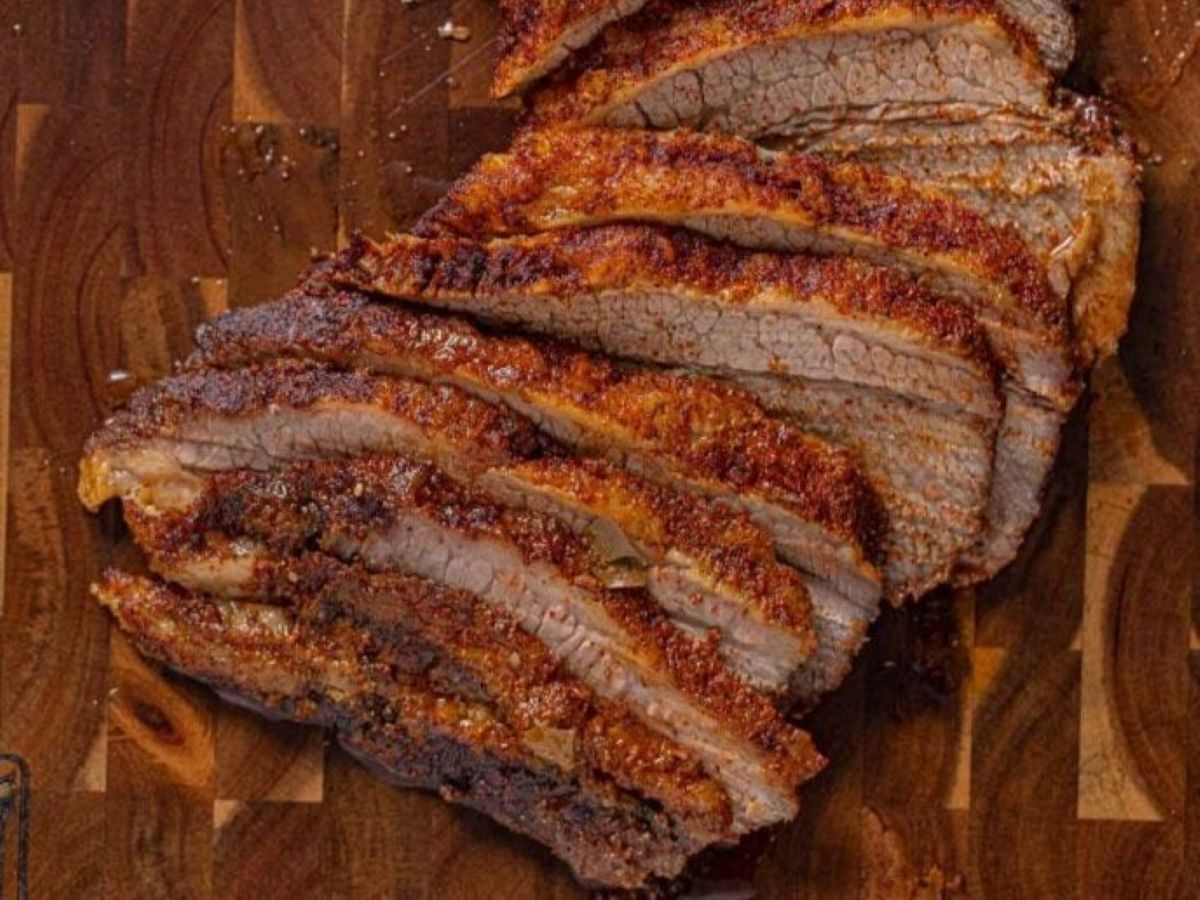
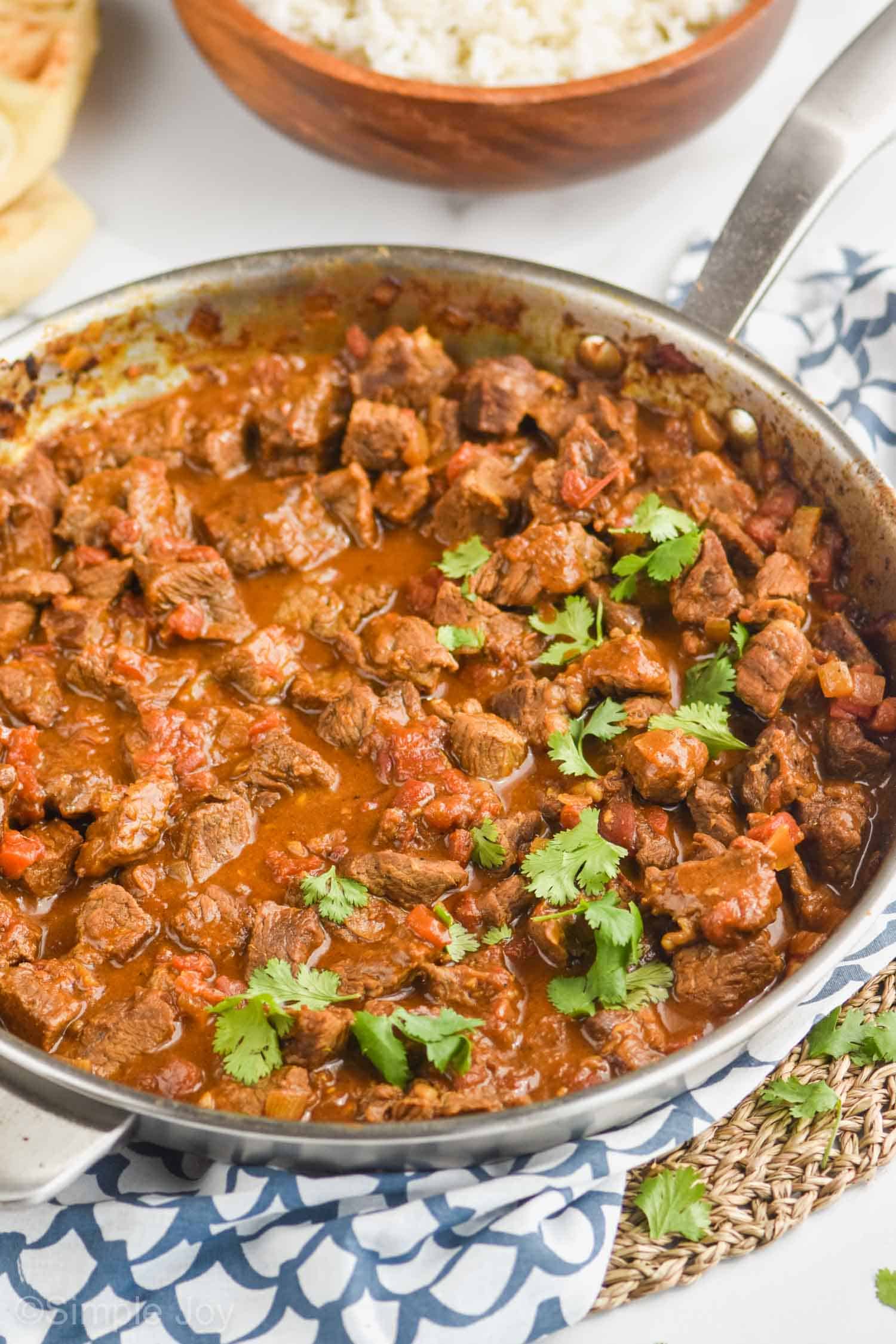
Imagine the rich aroma of slow-braised beef short ribs filling your kitchen, the meat melting off the bone with every bite. This Beef Short Ribs Recipe delivers that culinary magic, transforming a humble cut into a decadent dish. Known for their marbled fat and deep flavor, short ribs develop a golden crust and tender texture through slow cooking. Whether for a cozy family dinner or a special occasion, this recipe promises an indulgent experience that‘s both satisfying and impressive.
Health Benefits & Nutrition
While beef short ribs are undeniably rich and indulgent, they come with some notable nutritional benefits. First, beef is a great source of high-quality protein essential for muscle repair and immune function. It also provides iron, helping prevent anemia, crucial during pregnancy and for active individuals. Furthermore, beef supplies zinc, which supports immune health and wound healing. According to a USDA study, moderate consumption of lean beef can contribute positively to a balanced diet. However, due to the fat content, it‘s wise for those with heart concerns or on certain medications to consume in moderation. Always consult your doctor if you have specific dietary restrictions.
Ingredients & Preparation
Recipe Card
| Prep Time | 30 minutes |
|---|---|
| Cook Time | 2 hours 15 minutes |
| Total Time | 2 hours 45 minutes |
| Servings | 6 |
| Calories | 480 per serving |
| Diet Tags | Gluten-Free, Low-Carb |
Full Ingredient List
- 6 beef short ribs, trimmed of excess fat
- Kosher salt and freshly ground black pepper, to taste
- 1/4 cup high-quality olive oil
- 1 small fennel bulb, diced (fronds, stems, and core removed)
- 1 leek, white part only, diced and cleaned
- 1 1/2 cups chopped onions (about 2 medium onions)
- 4 cups celery, large diced (approximately 6 stalks)
- 2 large carrots, peeled and diced
- 3 cloves garlic, minced
- 2 tablespoons tomato paste
- 1 tablespoon brown sugar
- 6 cups beef stock
- 1 (750 ml) bottle of dry red wine, such as Côtes du Rhône
- Fresh thyme sprigs
- Fresh rosemary sprigs
- Kitchen twine (for tying herbs)
Equipment Needed
- Large sheet pan
- Heavy Dutch oven or oven-safe pot with lid
- Wooden spoon
- Kitchen twine
- Sharp knife and cutting board
- Measuring spoons and cups
Tips for Choosing Quality Ingredients
Choose beef short ribs with even marbling for the best flavor and tenderness. Look for fresh vegetables — crisp celery, firm carrots, and a fresh, clean leek. Select a dry red wine that you enjoy sipping; it will enrich the sauce’s depth. Opt for high-quality beef stock or make your own to avoid excess salt and additives. Fresh herbs like rosemary and thyme are key for authentic aroma, so check for vibrant color and fragrance.
Step-by-Step Instructions
Step 1: Roasting the Short Ribs (15 Minutes at 400°F)
Preheat your oven to 400 degrees Fahrenheit (205°C). Place the trimmed short ribs on a large sheet pan. Generously season with kosher salt and freshly ground black pepper on all sides. Roast the ribs for exactly 15 minutes, allowing the surface to brown and develop a golden crust. Remove the ribs from the oven and reduce the oven temperature to 300°F (150°C).
Step 2: Sautéing the Vegetables (20 Minutes, Medium-Low Heat)
Heat 1/4 cup olive oil in a large Dutch oven over medium-low heat. Add diced fennel, leek, onions, celery, and carrots. Cook gently, stirring occasionally, for 20 minutes until the vegetables are soft and aromatic but not browned. Stir in minced garlic and sauté for an additional 2 minutes. Add the tomato paste and stir well to coat. Pour in the red wine, increase the heat to high, and boil until the liquid is reduced by half, about 10 minutes. Season with 1 tablespoon salt and 1 teaspoon freshly ground black pepper.
Step 3: Braising (2 Hours at 300°F)
Bundle the rosemary and thyme sprigs together tightly with kitchen twine, then add to the Dutch oven. Layer the roasted beef short ribs over the sautéed vegetables. Sprinkle brown sugar evenly over the ribs. Pour in the beef stock, ensuring ribs are mostly submerged. Bring to a vigorous simmer over medium-high heat on the stovetop. Cover the pot securely with its lid, transfer it to the oven, and cook for 2 hours. The meat should become exceptionally tender and nearly fall off the bone.
Step 4: Finishing the Sauce (20 Minutes, Medium Heat)
Remove the short ribs carefully from the pot. Discard the herb bundle and skim off any excess fat from the surface. Return the pot to medium heat and simmer the braising liquid and vegetables for 20 minutes until thickened to a rich, glossy sauce. Return the ribs to the pot to warm through for 5 minutes. Serve the short ribs nestled on a bed of the vegetables with a generous spoonful of the sauce.

Variations & Substitutions
- Spicy Korean Style: Replace tomato paste with gochujang and add sliced ginger and scallions during sautéing. Use soy sauce and sesame oil to finish.
- Slow Cooker Version: After roasting, transfer all ingredients to a slow cooker. Cook on low for 6–8 hours until tender.
- Red Wine Alternatives: Swap red wine for robust stout beer or pomegranate juice for a unique flavor profile.
- Vegetarian Option: Use hearty mushrooms and eggplant braised in vegetable stock with similar aromatics and tomato paste.
Storage & Shelf Life
Refrigerate cooked beef short ribs in an airtight container for up to 4 days. To reheat, warm gently in a saucepan over low heat to preserve moisture. For longer storage, freeze the ribs with sauce in a sealed freezer bag or container; they will keep well for up to 3 months. Thaw overnight in the refrigerator before reheating. Signs of spoilage include off smells, slimy texture, or discoloration, so discard if any appear.
Pro Tips
- When roasting, dry the ribs well with paper towels to achieve a crispy, caramelized exterior.
- Sauté vegetables low and slow to build depth without burning, which would introduce bitterness.
- Reducing the wine by half before braising concentrates flavor and enhances the sauce’s richness.
- Skimming fat after cooking ensures the sauce is velvety, not greasy, improving mouthfeel.
- Tie the herb bundle tightly so it’s easy to remove—this avoids bitter needles in your final dish.
When is the best time to eat Beef Short Ribs Recipe?
Beef short ribs make a perfect dish for cooler months or whenever you crave a hearty, comforting meal. Their rich flavor and tender texture suit weekend dinners, holiday feasts, or special gatherings. Because this recipe involves slow cooking, serving it on a day when you can relax and enjoy the aromas filling your kitchen is ideal.
Can I use a pressure cooker for this Beef Short Ribs Recipe?
Yes, you can adapt the recipe for a pressure cooker by searing the ribs and vegetables, then cooking on high pressure for about 45 minutes followed by natural release. This reduces the overall cooking time significantly while still achieving tender results.
What sides pair well with beef short ribs?
Mashed potatoes, creamy polenta, or roasted root vegetables complement the savory sauce beautifully. A side of sautéed greens or a crisp salad adds brightness to balance the richness.
How do I know when the short ribs are fully cooked?
The meat should be fork-tender and pull apart easily from the bone. The internal temperature will be well over 190°F, but texture is the best indicator of doneness.
Can I prepare this recipe ahead of time?
Absolutely. In fact, beef short ribs often taste even better the next day as the flavors meld. Prepare everything in advance and gently reheat before serving.
Is it necessary to use fresh herbs?
Fresh herbs like rosemary and thyme contribute a bright, fragrant note that dried herbs can‘t fully replicate. If unavailable, use half the amount of dried herbs but add them earlier in the cooking process.
How do I prevent the sauce from being too watery?
Ensure you reduce the wine until it’s thick and concentrate the braising liquid by simmering uncovered after cooking. This intensifies flavor and achieves the perfect sauce consistency.
Can I substitute beef stock with broth?
Yes, beef broth or even vegetable broth can substitute stock, but stock provides a richer flavor due to its longer cooking, making it preferable for this dish.

More Recipes You Will Love
If you enjoy hearty beef dishes, try the Grilled filet mignon with chocolate coffee bbq sauce recipe for an exquisite contrast of flavors. For a comforting savory pie, the Ground beef meat pie recipe offers warm, flaky goodness and is perfect for weeknight meals.
Conclusion
This Beef Short Ribs Recipe is a celebration of rich flavors and tender textures that’s bound to impress. From the initial sizzle of roasting to the slow braise that transforms the meat, every step infuses depth and warmth into your meal. Whether a special occasion or a cozy night in, this recipe delivers comfort and sophistication. Share your experience below and let us know how your short ribs turned out — your feedback enriches the community!
FAQs
When is the best time to eat Beef Short Ribs Recipe?
Beef short ribs are best enjoyed during cooler months or special occasions when you crave a rich, comforting meal. Slow cooking makes them ideal for weekend dinners or holiday feasts that allow time for the flavors to fully develop.
Can I prepare Beef Short Ribs Recipe in advance?
Yes, beef short ribs taste even better the next day after the flavors have melded. You can prepare the dish ahead, refrigerate overnight, and gently reheat before serving for an easy and delicious meal.
What wine pairs well with Beef Short Ribs Recipe?
A dry red wine like Côtes du Rhône or a bold Cabernet Sauvignon complements the rich, braised flavors of beef short ribs. The wine used in cooking can also be served alongside the dish for a harmonious pairing.
Is this Beef Short Ribs Recipe suitable for a gluten-free diet?
Yes, this recipe is gluten-free as it avoids wheat-based ingredients. Always check labels on beef stock and tomato paste to ensure they contain no gluten if you have sensitivities.
What is the best cooking method for tender beef short ribs?
Slow braising at a low temperature is the best method to achieve tender, flavorful beef short ribs. Roasting first to brown the meat, then slow cooking in liquid, helps break down connective tissue and infuses great flavor.