Why Balsamic-Glazed Apricots with Ricotta Clouds?
Imagine golden apricots sizzling gently in a warm pan, their sweet aroma mingling with the tangy depth of balsamic glaze. Paired with fluffy dollops of creamy ricotta, this dish offers a delightful balance of textures and flavors. Balsamic-Glazed Apricots with Ricotta Clouds recipe combines fresh fruit, luscious glaze, and smooth cheese, making it a perfect treat for any season. Whether served as a light dessert or an elegant snack, this recipe offers a delicious way to enjoy the freshest apricots with a twist.
Health Benefits & Nutrition
This recipe is not only indulgent but has some noteworthy health perks. Apricots are packed with antioxidants like vitamins A and C, which support skin and immune health (Harvard T.H. Chan School of Public Health). Ricotta adds a good source of protein and calcium, essential for muscle function and bone strength. Meanwhile, balsamic vinegar contains polyphenols that can promote healthy digestion and heart health by reducing oxidative stress. However, those with allergies to dairy or sensitive to vinegar should enjoy this dish cautiously. Pregnant individuals should consult their doctor if unsure about dietary vinegar intake.
Ingredients & Preparation
Recipe Card
| Prep Time | 5 minutes |
|---|---|
| Cook Time | 15 minutes |
| Total Time | 20 minutes |
| Servings | 4 |
| Calories (per serving) | 164 |
| Diet tags | Vegetarian, Gluten-Free |
Full Ingredient List
- 2 tablespoons unsalted butter
- 4 fresh apricots, pitted and halved
- 3 tablespoons balsamic vinegar
- 2 tablespoons honey
- ½ cup fresh ricotta cheese
Equipment Needed
- Medium skillet
- Small mixing bowl
- Whisk
- Spoon or spatula
- Serving plates
Tips for Choosing Quality Ingredients
For the best flavor, select apricots that give slightly when gently pressed and have a sweet, fragrant aroma. Avoid bruised or underripe fruit. Use fresh, creamy ricotta that isn’t watery or grainy—preferably from a local dairy if possible. Opt for aged balsamic vinegar with a rich, syrupy consistency rather than thin, industrial varieties. High-quality honey will elevate the glaze, so choose raw or unprocessed honey for natural sweetness and depth.
Step-by-Step Instructions
Step 1: Melt Butter (2 minutes, medium heat)
Place 2 tablespoons of unsalted butter in a medium skillet over medium heat. Allow it to melt completely and continue cooking until the foam subsides, about 2 minutes. This preps the pan for sautéing apricots without burning the butter.
Step 2: Cook Apricots (5-6 minutes, medium heat)
Add the halved apricots to the skillet with the cut side down. Cook while stirring occasionally. This helps them soften and develop a slightly caramelized, golden surface. The apricots should become tender and warm through in about 5 to 6 minutes.
Step 3: Prepare Glaze (2 minutes)
While apricots cook, whisk together 3 tablespoons balsamic vinegar and 2 tablespoons honey in a small bowl until fully combined. This mixture creates the tangy-sweet glaze that complements the fruit.
Step 4: Glaze the Apricots (4-5 minutes, medium-high heat)
Pour the honey-balsamic mixture into the skillet with the apricots. Increase heat to medium-high and stir frequently. Cook until the glaze thickens and bubbles, evenly coating the apricot halves. This step deepens the flavors and gives the fruit a glossy finish.
Step 5: Assemble and Serve
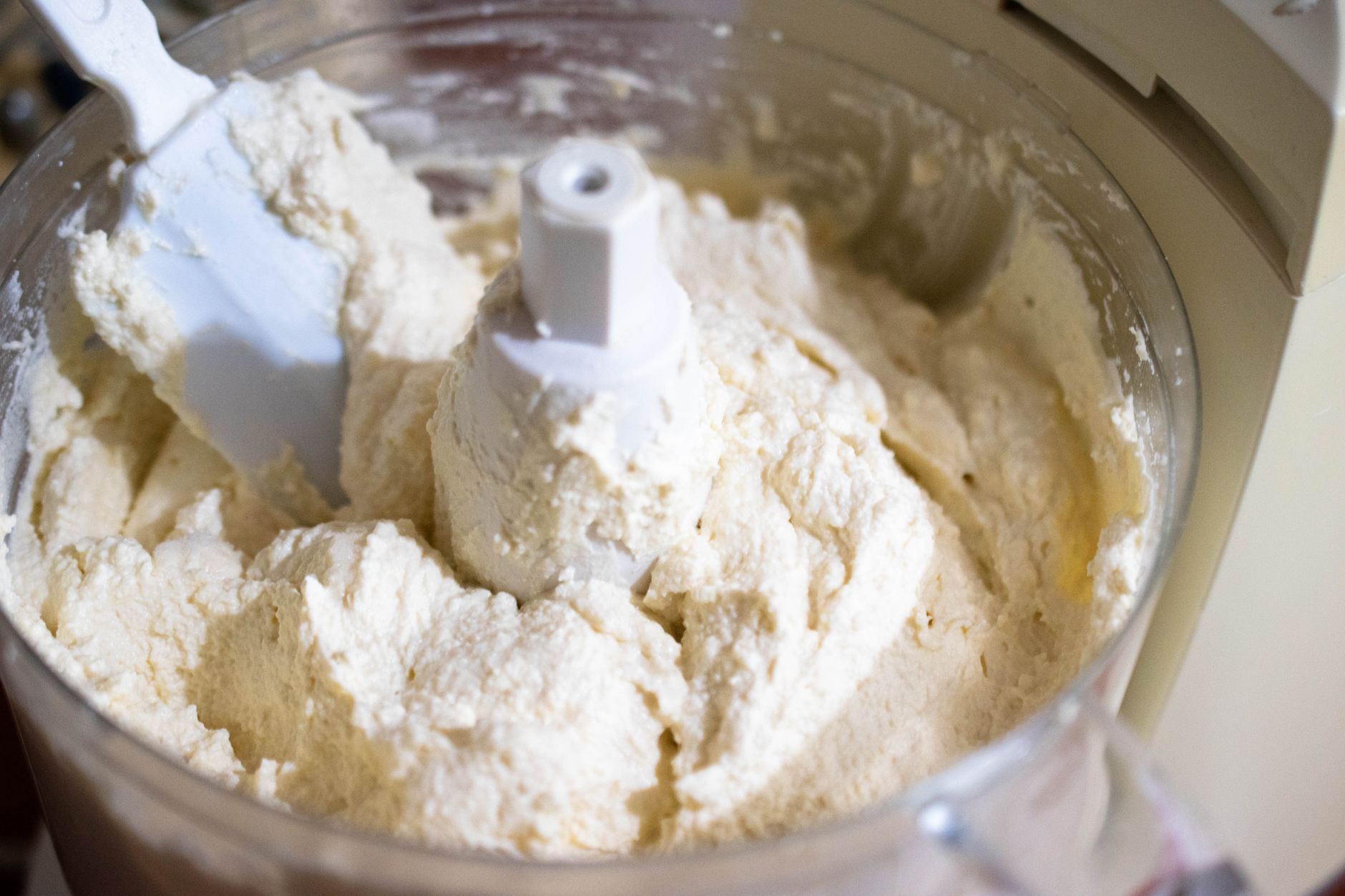
On individual plates, place a generous scoop of ricotta cheese—the "ricotta clouds." Top with two glazed apricot halves per serving. Drizzle any extra warm glaze over the dish to enhance flavor and presentation. Serve immediately for the best texture contrast of creamy and tender.
Variations & Substitutions
- Stone Fruit Swap: Replace apricots with peaches or nectarines for a different yet complementary flavor.
- Ricotta Alternatives: Use mascarpone or whipped cream cheese for a richer texture, or vegan ricotta for dairy-free options.
- Sweetener Options: Substitute honey with maple syrup or agave nectar for different sweetness profiles and vegan-friendly versions.
- Balsamic Variations: Try flavored balsamic vinegars like fig or cherry for enhanced fruitiness.
Storage & Shelf Life
Store leftover glazed apricots and ricotta separately in airtight containers in the refrigerator. The apricots will keep fresh for up to 3 days. Keep ricotta chilled and consume within 2 days for best quality. Avoid freezing this dish, as ricotta texture and apricot integrity can degrade. Signs of spoilage include sour smells, mold on cheese, or slimy fruit surfaces.
Pro Tips
- Cook apricots cut side down first to maximize caramelization and develop that golden sear.
- Warm ricotta slightly before serving to enhance its creamy texture and meld better with the warm apricots.
- Adjust balsamic glaze thickness by controlling cooking time; reduce longer for a syrupy finish or less for a lighter coating.
- Use a non-stick skillet to prevent sticking and burning, especially during glaze reduction.
When is the best time to eat Balsamic-Glazed Apricots with Ricotta Clouds Recipe?
This dish shines best as a light dessert or brunch addition during apricot season, typically late spring to summer. Its fresh fruit offers a bright, seasonal flavor, while the ricotta adds creamy indulgence. Enjoy it soon after preparation to experience the perfect balance of warm and fresh. It can also serve as a beautiful course for special occasions or intimate dinners.
Can I prepare this recipe in advance?
You can prepare the balsamic glaze and pit apricots earlier, but cook apricots and assemble with ricotta right before serving. This keeps apricots tender and preserves ricotta’s delicate texture.
Is this recipe suitable for vegetarians?
Yes, it is vegetarian-friendly. The ingredients contain no meat or animal-derived gelatin, making it ideal for lacto-vegetarians.
Can I use canned apricots instead of fresh?
Fresh apricots provide the best texture and flavor. Canned apricots tend to be softer and may release excess liquid, diluting the glaze, so they are not recommended for this recipe.
How do I store leftovers safely?
Store glazed apricots and ricotta separately in airtight containers in the fridge. Consume within 2-3 days. Do not freeze to avoid texture changes.
What can I serve alongside this dish?
Balsamic-Glazed Apricots with Ricotta Clouds pair well with toasted nuts, fresh basil, or crusty bread for a light appetizer or snack.
Is there an easy way to sweeten this for kids?
Use mild honey and reduce balsamic vinegar slightly to make the glaze sweeter and less tangy. Adding a sprinkle of cinnamon can also make it more appealing to children’s taste buds.
Can I replace butter for a dairy-free option?
Yes, use a plant-based margarine or coconut oil to sauté apricots and develop that delicious golden crust without dairy.
More Recipes You Will Love
If you enjoy the combination of sweet and savory, try the Easy bierocks recipe with frozen dough. These stuffed buns offer a hearty, flavorful alternative.
For soothing remedies after a seasonal cold, explore our guide on Dry cough medicine for adults. It’s a natural way to support wellness during cough season and complements the fresh fruits in this recipe by promoting respiratory comfort.

Conclusion
Balsamic-Glazed Apricots with Ricotta Clouds recipe offers an elegant, easy-to-make dish that highlights the bright sweetness of apricots and creamy richness of ricotta, all wrapped in a luscious balsamic glaze. This delightful treat suits various occasions and satisfies both sweet and savory cravings. If you try this recipe, share your experience in the comments below or rate it to help others discover this tasty balance of flavors. Your feedback means a lot and inspires more delicious creations!
FAQs
When is the best time to eat Balsamic Glazed Apricots With Ricotta Clouds Recipe?
This recipe is best enjoyed fresh as a light dessert or elegant snack during spring and summer when apricots are in season and at their sweetest. It also makes a refreshing treat after meals or a sophisticated option for brunch or afternoon gatherings.
Can I substitute fresh apricots with canned or frozen apricots in this recipe?
Fresh apricots are preferred for their texture and flavor, but you can use canned or frozen apricots if fresh are unavailable. Just be sure to drain canned apricots well and thaw frozen apricots before cooking to avoid excess liquid.
Is this recipe suitable for vegans or those avoiding dairy?
This recipe is vegetarian but not vegan because of the ricotta cheese and butter. For a vegan option, substitute ricotta with a plant-based cheese alternative and use vegan butter or oil.
What type of balsamic vinegar is best for making the glaze?
Choose an aged balsamic vinegar that is rich and syrupy for the best glaze texture and flavor. Avoid thin or industrial varieties as they won’t produce the same depth of taste or glossy finish on the apricots.
How can I store leftovers of Balsamic Glazed Apricots With Ricotta Clouds?
Store leftover glazed apricots separately in an airtight container in the refrigerator for up to 2 days. Ricotta is best served fresh, so add it just before serving to maintain its creamy texture and flavor.