Why Try Asparagus With Orange Mustard Sauce And Sauce Mousseline Recipe?
Imagine tender asparagus spears coated in a silky, tangy orange mustard sauce, topped with a rich, airy sauce mousseline. This dish combines brightness and creaminess in every bite, making asparagus unexpectedly decadent. The sweetness from the orange perfectly balances the piquant mustard, while the mousseline adds a luxurious texture that delights your palate. This asparagus with orange mustard sauce and sauce mousseline recipe elevates a simple vegetable into an elegant side worthy of any meal or special occasion.
Health Benefits & Nutrition
Asparagus is a nutritional powerhouse packed with vitamins and antioxidants. It’s rich in vitamin K, which supports bone health and proper blood clotting. According to a 2019 study published in Nutrients, asparagus also contains high levels of folate, essential for cell growth and particularly beneficial during pregnancy. The vegetable boasts strong anti-inflammatory properties thanks to its antioxidants, such as glutathione.
The inclusion of mustard provides a low-calorie flavor boost with beneficial compounds like selenium and magnesium. Oranges contribute vitamin C, aiding immune function and enhancing iron absorption from asparagus. However, if you are allergic to mustard seeds or citrus fruits, or on blood-thinning medication, consult a healthcare provider before trying this recipe.
Ingredients & Preparation
Recipe Card
| Prep Time | Total Time | Servings | Calories | Diet Tags |
|---|---|---|---|---|
| 15 minutes | 30 minutes | 4 | 180 kcal | Gluten-Free, Vegetarian |
Full Ingredient List
- 1 lb fresh asparagus, trimmed
- 1 medium orange (zested and juiced)
- 2 tablespoons Dijon mustard
- 1/2 cup unsalted butter, softened
- 2 large egg yolks
- 1/4 cup heavy cream
- Salt and freshly ground black pepper, to taste
- 1 teaspoon white wine vinegar
- 1 teaspoon sugar (optional)
Equipment Needed
- Steaming basket or saucepan for blanching asparagus
- Small saucepan for sauce preparation
- Mixing bowl
- Whisk
- Blender or immersion blender (optional for smooth sauce)
- Measuring spoons and cups
Tips for Choosing Quality Ingredients
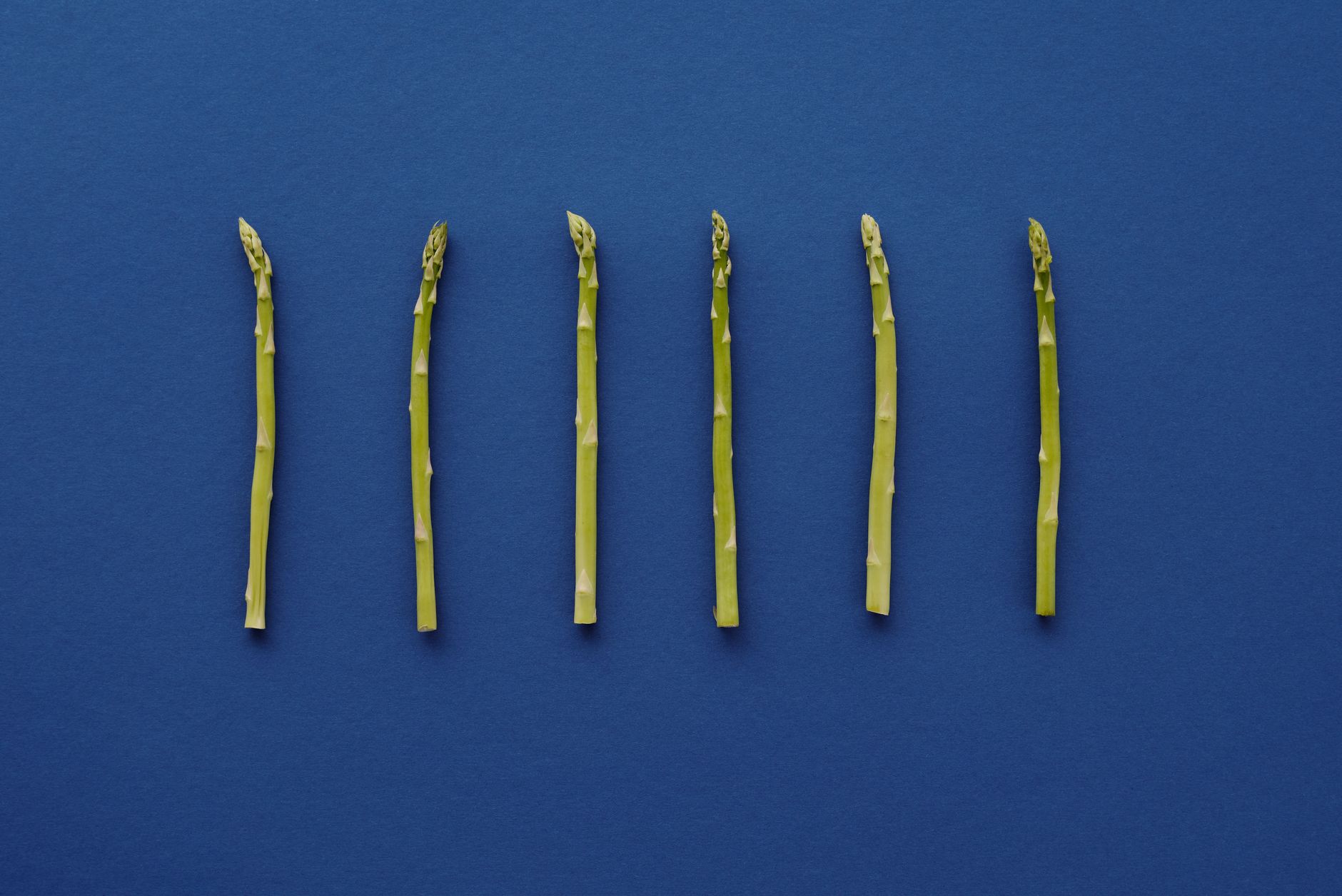
Select asparagus with firm, straight stalks and tightly closed tips. Avoid limp or woody stems. Choose a juicy, fragrant orange for the freshest zest and juice. Use high-quality Dijon mustard for an authentic tang, and fresh eggs for the lightest sauce mousseline. Fresh cream and unsalted butter ensure richness without added saltiness.
Step-by-Step Instructions
Step 1: Blanch the Asparagus (5 minutes)
Bring a large pot of salted water to a boil. Add asparagus and blanch for exactly 3 minutes until bright green and tender-crisp. Immediately transfer to an ice bath to stop cooking. Drain and pat dry.
Step 2: Prepare the Orange Mustard Sauce (10 minutes)
In a small saucepan, combine orange juice, zest, Dijon mustard, sugar, and white wine vinegar. Warm over low heat for 3 minutes, stirring to combine flavors.
Step 3: Make the Sauce Mousseline (10 minutes)
Whisk egg yolks in a heatproof bowl. Slowly whisk in the warm orange mustard sauce (about 2 tablespoons) to temper the yolks. Place the bowl over simmering water and whisk continuously until thickened, about 4 minutes. Remove from heat.
Slowly whisk in softened butter, piece by piece, until creamy and smooth. Fold in whipped cream gently to lighten the sauce. Season with salt and pepper.
Step 4: Serve (Immediately)
Arrange blanched asparagus on a plate. Spoon the sauce mousseline over the asparagus generously. Garnish with extra orange zest or a sprig of fresh herbs if desired. Serve warm for the best flavor.
Variations & Substitutions
- Vegan Version: Replace egg yolks and butter with silken tofu blended with olive oil for a creamy sauce. Substitute heavy cream with coconut cream.
- Spicy Twist: Add a pinch of cayenne pepper or a finely chopped chili to the orange mustard sauce for heat.
- Herb Infusion: Stir fresh tarragon or dill into the sauce mousseline before serving for an herbal aroma.
- Alternate Citrus: Use lemon or grapefruit instead of orange for a different tangy note.
- Mustard Types: Grainy mustard can be swapped for Dijon for texture, or honey mustard for sweetness.
Storage & Shelf Life
Store leftover asparagus and sauces separately in airtight containers in the refrigerator. The asparagus remains fresh for up to 2 days. Sauce mousseline may thicken or separate; rewarm gently over low heat while whisking to restore texture, but consume within 24 hours for best quality.
Freezing this dish is not recommended, as the delicate texture of the asparagus and the cream-based sauce suffer from freezing and thawing, resulting in graininess and watery separation.
Signs of spoilage include sour smell, discoloration, or sliminess in asparagus, and off-odors or curdling in the sauce.
Pro Tips
- To prevent asparagus from becoming mushy, always blanch for the precise time and shock in ice water immediately.
- When tempering egg yolks, add warm sauce slowly to avoid scrambling the eggs.
- Add softened butter gradually to your sauce mousseline to achieve a silky, stable emulsion.
- Whip cream to soft peaks, not stiff, before folding in to keep your sauce airy and light.
- Avoid overheating the sauce mousseline; it can break if it gets too hot.

When is the best time to eat Asparagus With Orange Mustard Sauce And Sauce Mousseline Recipe?
Asparagus is at its best in early spring when its flavor is fresh and tender. This recipe shines served warm, immediately after preparation, while the sauce mousseline is luscious and the asparagus still crisp.
Can I prepare the sauce in advance?
It’s possible to prepare the orange mustard sauce ahead, but sauce mousseline is best made fresh for optimal texture. Prepare the components separately and assemble close to serving time.
Is this dish suitable for vegetarians?
Yes, the traditional recipe uses eggs and dairy but contains no meat. For vegan options, modifications in the sauce as described above are necessary.
How can I reheat leftovers without losing texture?
Gently warm leftover sauce mousseline in a double boiler while whisking. Reheat asparagus briefly in a steamer or microwave with a splash of water to prevent drying out.
What can I serve alongside this asparagus dish?
This rich asparagus pairs beautifully with roasted chicken, grilled fish, or simple grain bowls. For a lighter meal, serve it with crusty bread and a fresh salad.
Can I use frozen asparagus?
Frozen asparagus tends to be softer and less vibrant. If using frozen, thaw gently and reduce blanching time to avoid mushiness. Fresh asparagus yields the best flavor and texture.
What if I don’t have heavy cream for the mousseline?
Heavy cream is essential to make the sauce light and airy. If unavailable, whipping half-and-half may work but won’t achieve the same richness or volume.

More Recipes You Will Love
If you enjoy vibrant, creamy sauces like in this asparagus recipe, you might love our 2 ingredient ice cream with condensed milk. It’s simple yet indulgent, perfect to complement a fresh vegetable dish with a sweet finish.
For even more creamy delights, try our Homemade vanilla ice cream without machine. Its smooth texture and natural flavor will wow your guests after a sophisticated asparagus starter.
Conclusion
This asparagus with orange mustard sauce and sauce mousseline recipe transforms simple ingredients into a dazzling, restaurant-quality dish. The blend of zesty citrus, sharp mustard, and light, creamy mousseline makes each bite a celebration. Try this recipe yourself, and feel free to share your tips or variations in the comments below. Your feedback helps this recipe grow and inspire others to cook with confidence.
FAQs
When is the best time to eat Asparagus With Orange Mustard Sauce And Sauce Mousseline Recipe?
This dish is ideal in the spring and early summer when asparagus is at its freshest and most tender. It makes an elegant side for lunch or dinner and is perfect for special occasions or when you want to elevate your meal with a fresh, flavorful vegetable dish.
Can I prepare the sauces ahead of time for this recipe?
Yes, the orange mustard sauce can be made a few hours in advance and gently reheated. The sauce mousseline is best prepared just before serving to maintain its light, airy texture and avoid breaking or separating.
Is this recipe suitable for vegetarians and gluten-free diets?
Absolutely. This recipe contains no gluten and uses vegetarian-friendly ingredients. Just ensure your mustard and other packaged ingredients are gluten-free certified if needed.
What variations can I try with the sauce mousseline?
You can experiment by adding herbs like tarragon or chives for extra flavor, or substitute lemon juice for orange juice to give a sharper citrus note. Adjust the mustard level to your taste for milder or stronger tanginess.
How should leftover asparagus with sauce be stored?
Store any leftovers in an airtight container in the refrigerator for up to two days. It’s best served warmed gently to avoid altering the texture of the sauce mousseline, which may separate if overheated.