Why Sturgeon With Caper Olive And Tomato Sauce Recipe Works
The pan sizzles as the sturgeon meets hot olive oil, followed by the savory aroma of garlic, rosemary, and sweet onion.
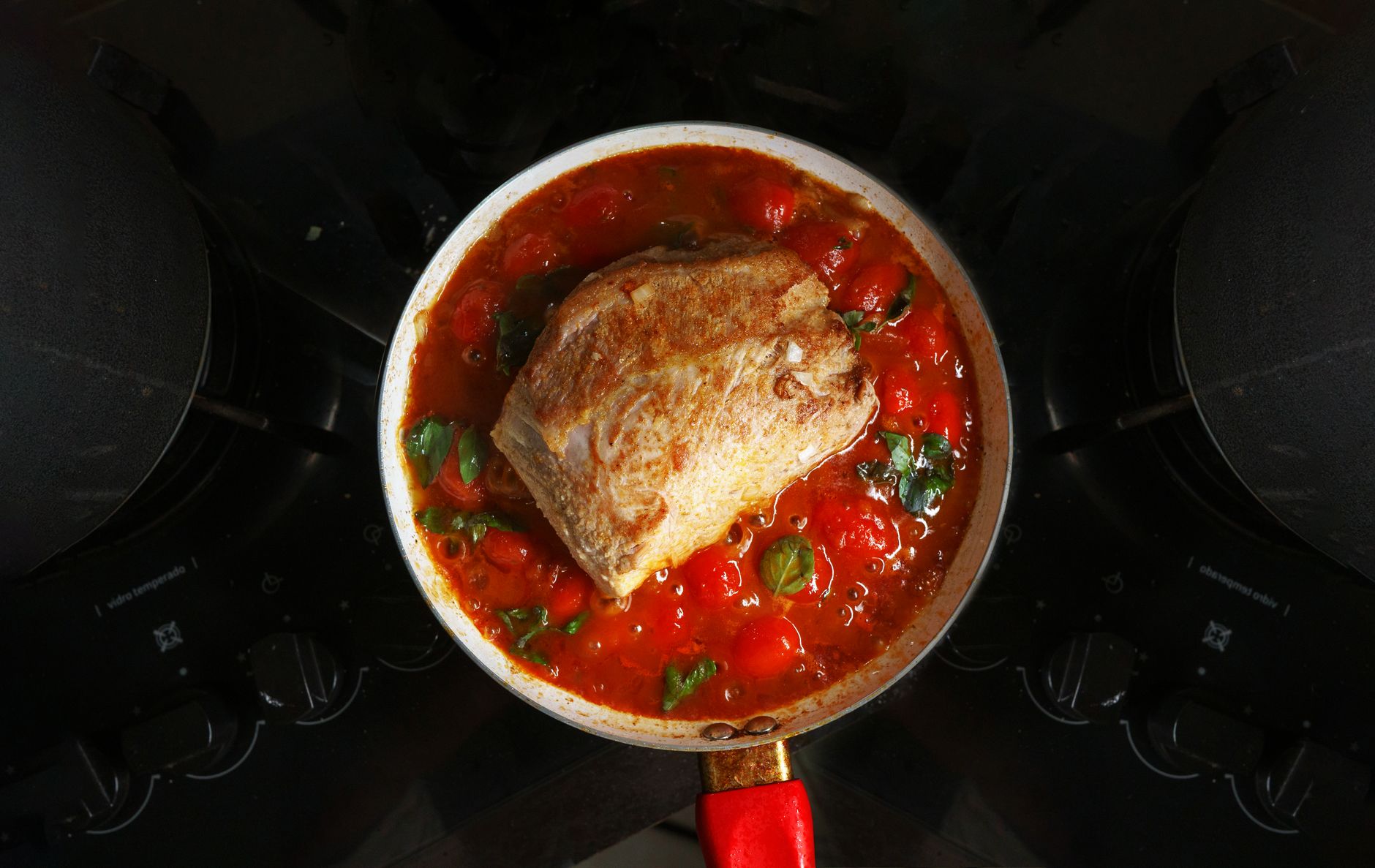
Sturgeon With Caper Olive And Tomato Sauce Recipe is a quick seafood dinner featuring firm, meaty fish simmered with olives, capers, white wine, and tomato sauce. The briny ingredients season the mild sturgeon, while the tomatoes keep the sauce bright and spoonable. The complete meal takes about 35 minutes and serves four.
Sturgeon has a dense texture that holds together well in a skillet, so it is easier to handle than delicate white fish. I like serving it with couscous or rice because both absorb the tangy pan sauce. A simple green salad also adds freshness without competing with the seafood.

Health Benefits & Nutrition
This dish combines a protein-rich fish with vegetables, herbs, and flavorful pantry ingredients. It is satisfying without relying on a heavy cream sauce.
- Sturgeon provides protein: The fish helps make this a filling main course and contributes nutrients needed for normal body maintenance.
- Olive oil adds unsaturated fat: A small amount of olive oil helps brown the fish and carries the flavors of garlic and rosemary.
- Tomato sauce contributes produce: Tomatoes add color, moisture, and naturally occurring nutrients while keeping the sauce light.
- Herbs and aromatics add flavor: Garlic, onion, and rosemary create depth without requiring much added fat or sugar.
Per serving, this recipe contains approximately 250 calories, 27 grams of protein, 8 grams of carbohydrates, and 11 grams of fat before rice, pasta, or couscous is added. Actual values vary with the sturgeon cut, tomato sauce, olive variety, and serving size.
Fish, olives, and capers can all vary in sodium, so taste the sauce before adding salt. Anyone with a seafood allergy should avoid this recipe. For pregnancy, medical conditions, or questions about seafood choices and personal intake, consult a doctor or registered dietitian.
Ingredients & Preparation
Recipe Card
| Prep time | 15 minutes |
|---|---|
| Cook time | 20 minutes |
| Total time | 35 minutes |
| Servings | 4 |
| Calories | Approximately 250 per serving, excluding sides |
| Diet tags | High-protein, pescatarian, dairy-free |
Full Ingredient List
- 1 pound sturgeon fillet, cut into 4 portions
- 1 tablespoon extra-virgin olive oil
- 1/2 cup thinly sliced onion
- 1 teaspoon minced garlic
- 1 teaspoon finely chopped fresh rosemary
- 1/4 cup pitted, sliced olives, either dry-cured or brine-cured
- 3 teaspoons capers, drained
- 1/4 cup dry white wine
- 3/4 cup plain tomato sauce, preferably fresh or a good-quality canned sauce
- 1/4 teaspoon freshly ground black pepper, plus more to taste
- 1 small rosemary sprig, for garnish
Equipment Needed
- Large sauté pan or heavy skillet with a lid
- Fish spatula or wide turner
- Chef’s knife and cutting board
- Measuring cups and spoons
- Instant-read thermometer
Tips for Choosing Quality Ingredients
Choose sturgeon fillets that look moist and firm, with a clean, mild smell. Avoid fish with a strong ammonia-like aroma or dull, dry edges. If the fillet is thick, ask the fishmonger to cut portions of similar size so they finish together.
Use olives with a flavor you enjoy on their own. Brine-cured green olives make the sauce sharper, while black or oil-cured olives bring a deeper, earthier taste. I found that very salty olives can overwhelm the fish, so rinse them briefly and pat them dry when needed.
A smooth, lightly seasoned tomato sauce works best. Chunky sauces can make the skillet crowded and may not coat the fish evenly. For the wine, choose a dry white wine that you would be comfortable drinking. Avoid sweet wine, which can make the tomato sauce taste oddly sugary.

Step-by-Step Instructions
1. Prepare the sturgeon and aromatics — 5 minutes
Pat the sturgeon dry with paper towels and cut it into four portions of similar thickness. Set the fish aside while you slice the onion, mince the garlic, chop the rosemary, and drain the capers. Season the fish with black pepper only; the olives and capers usually provide enough salt.
2. Sear the sturgeon — 4 minutes over medium-high heat
Place a large sauté pan over medium-high heat for 1 minute. Add the olive oil, then lay in the sturgeon when the oil looks glossy but is not smoking. Sear for 2 minutes on the first side, until the underside is lightly golden and releases from the pan. Turn the portions carefully and cook for 2 minutes more.
3. Cook the onion, garlic, and rosemary — 4 minutes over medium heat
Reduce the heat to medium and add the sliced onion around the fish. Cook for 2 minutes, stirring the onion gently, until it begins to soften and turn translucent. Add the garlic and rosemary, then cook for 1 to 2 minutes. Stop when the garlic smells fragrant and is pale golden, not dark brown.
4. Reduce the wine — 3 minutes over medium-high heat
Add the olives and capers, stirring them through the onion mixture for 1 minute. Pour in the white wine and raise the heat to medium-high. Simmer for about 2 minutes, until the sharp alcohol smell fades and the liquid reduces by roughly half.
5. Finish the tomato sauce and check doneness — 4 to 5 minutes over medium-low heat
Stir in the tomato sauce, reduce the heat to medium-low, and spoon the sauce over the sturgeon. Cover the pan and simmer for 4 to 5 minutes, turning the fish once if the portions are thick. The fish is ready when the center reaches 145°F, flakes easily, and feels firm but springy when pressed gently. The sauce should make a quiet simmer, not a vigorous boil.
The first time I made this, I let the wine reduce too aggressively and the sauce became salty after the capers went in. Keeping the heat at medium-high for only a couple of minutes prevents that problem. I also found that a wide pan works better than a small one because the fillets sit in one layer and brown instead of steaming.
Variations & Substitutions
- Use another firm fish: Substitute halibut, cod loin, swordfish, or mahi mahi for the sturgeon at a one-to-one weight ratio. Adjust the cooking time according to thickness and cook to 145°F.
- Make it alcohol-free: Replace the 1/4 cup white wine with 1/4 cup seafood stock or water plus 1 teaspoon lemon juice. Add the lemon juice after the tomato sauce so the flavor stays bright.
- Add heat: Stir 1/4 teaspoon red pepper flakes into the garlic and rosemary. For more heat, use 1/2 teaspoon, but avoid adding extra salt until the sauce is finished.
- Use fresh tomatoes: Replace the 3/4 cup tomato sauce with 1 cup finely chopped ripe tomatoes. Simmer for an additional 3 to 4 minutes so excess liquid reduces.
- Change the herb: Replace the rosemary with 1 teaspoon fresh thyme leaves. Parsley is best added at the end, using 2 tablespoons chopped, because it loses its fresh flavor during long cooking.
- Add greens: Stir 2 packed cups of baby spinach into the sauce during the final 2 minutes. The leaves will wilt into the tomato mixture without changing the cooking method.
I tried using a strongly sweet tomato-basil pasta sauce in an earlier version, and it did not work well with the capers. The finished dish tasted sweet and briny at the same time. Plain tomato sauce gives you much better control over the balance.
Storage & Shelf Life
Cool leftovers promptly, then transfer the fish and sauce to a shallow airtight container. Refrigerate within 2 hours of cooking and use within 3 days. Keep the fish covered so it does not absorb other refrigerator odors.
Reheat gently in a covered skillet over low heat with 1 tablespoon of water or stock. Warm for 5 to 7 minutes, turning the fish once, until hot throughout. Avoid high heat, which can make sturgeon dry and cause the sauce to separate.
For freezing, place completely cooled fish and sauce in a freezer-safe container, leaving a little space at the top. Freeze for up to 2 months. Thaw overnight in the refrigerator and reheat gently. The sauce freezes better than the fish, so expect a slightly firmer texture after thawing.
Discard leftovers if they smell sour or unusually fishy, feel slimy, develop a gray or green discoloration, or show mold. Do not taste food to decide whether it is safe.
Pro Tips for Better Texture and Flavor
- Dry the fish thoroughly: Surface moisture creates steam and prevents browning. Pat both sides dry just before the sturgeon goes into the pan.
- Do not crowd the skillet: Four portions should fit in a single layer with a little space between them. If your pan is small, sear in two batches.
- Build the sauce in stages: Let the onion soften before adding garlic. Garlic burns quickly, and bitter browned garlic can dominate the delicate fish.
- Control the salt: Capers and olives release salt as they simmer. Taste the finished sauce before adding any additional seasoning.
- Keep the sauce loose: The tomato mixture should flow around the fish. If it becomes thick, stir in 1 tablespoon of water or stock at a time.
- Turn with a wide spatula: Sturgeon is firm, but a thin edge can still break a portion while turning. Slide the spatula fully underneath before lifting.
- Use a thermometer for thick fillets: The exterior can look done while the center remains undercooked. Check the thickest part without touching the pan.
- Prevent tomato staining: Rinse the skillet soon after serving, especially if it has a light enamel interior. Tomato sauce stains more readily when left to dry.

Serving, Cooking & Storage Questions
When is the best time to eat Sturgeon With Caper Olive And Tomato Sauce Recipe?
The best time to eat this dish is immediately after cooking, while the sturgeon is moist and the sauce is hot. Serve it with couscous, rice, pasta, or crusty bread within a few minutes of removing the skillet from the heat. The sauce thickens slightly as it stands.
Can I use frozen sturgeon for this recipe?
Yes, thawed frozen sturgeon works well when it is dried thoroughly before searing. Thaw it overnight in the refrigerator, then pat away all surface moisture. Avoid cooking the fish while still frozen because the outside may overcook before the center reaches a safe temperature.
How do I know when sturgeon is cooked?
Sturgeon is cooked when the thickest part reaches 145°F and the flesh flakes easily with a fork. It should feel firm with a little spring when pressed gently. Because fillet thickness varies, an instant-read thermometer is more reliable than timing alone.
Can I make the tomato sauce ahead?
Yes, prepare the tomato, olive, caper, wine, onion, garlic, and rosemary sauce up to 2 days ahead. Refrigerate it in a sealed container, then reheat it in the skillet before adding the raw sturgeon. Cooking the fish separately at the last minute gives the best texture.
What can I serve with this seafood dinner?
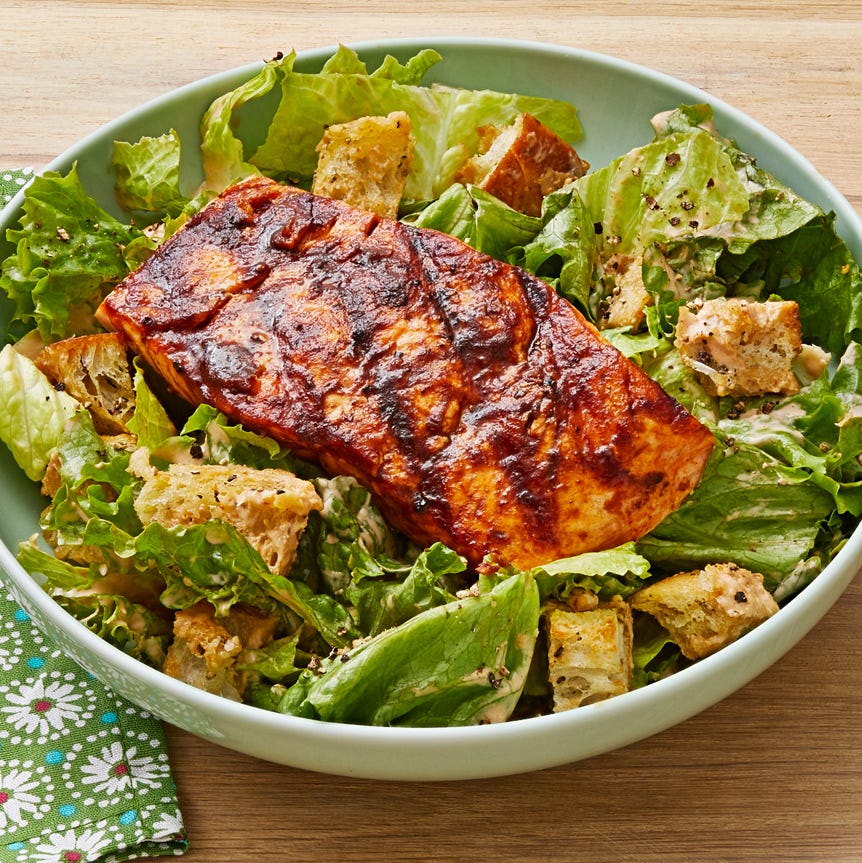
Serve this sturgeon with couscous, rice, or short pasta to catch the tomato sauce. Steamed green beans, sautéed spinach, or a lemony salad provide a fresh contrast. If you want another seafood idea, try Pesto rubbed baked salmon with smashed cucumber and green apple salad 2341492.
Can I leave out the capers or olives?
Yes, you can leave out either ingredient, but the sauce will taste less briny and need more seasoning. If omitting both, add 1 teaspoon lemon juice and an extra pinch of black pepper. For a different seafood combination, Pan seared mahi mahi with preserved lemon tomato chutney thai basil shiitake orzo recipe 2013027 uses a similarly bright tomato-based profile.
Why did my sturgeon turn out dry?
Sturgeon usually turns dry when it is cooked past 145°F or simmered too vigorously. Use medium-low heat after adding the tomato sauce, keep the pan covered, and begin checking thick portions after 4 minutes. Removing the fish as soon as it reaches temperature is the simplest safeguard.
More Recipes You Will Love
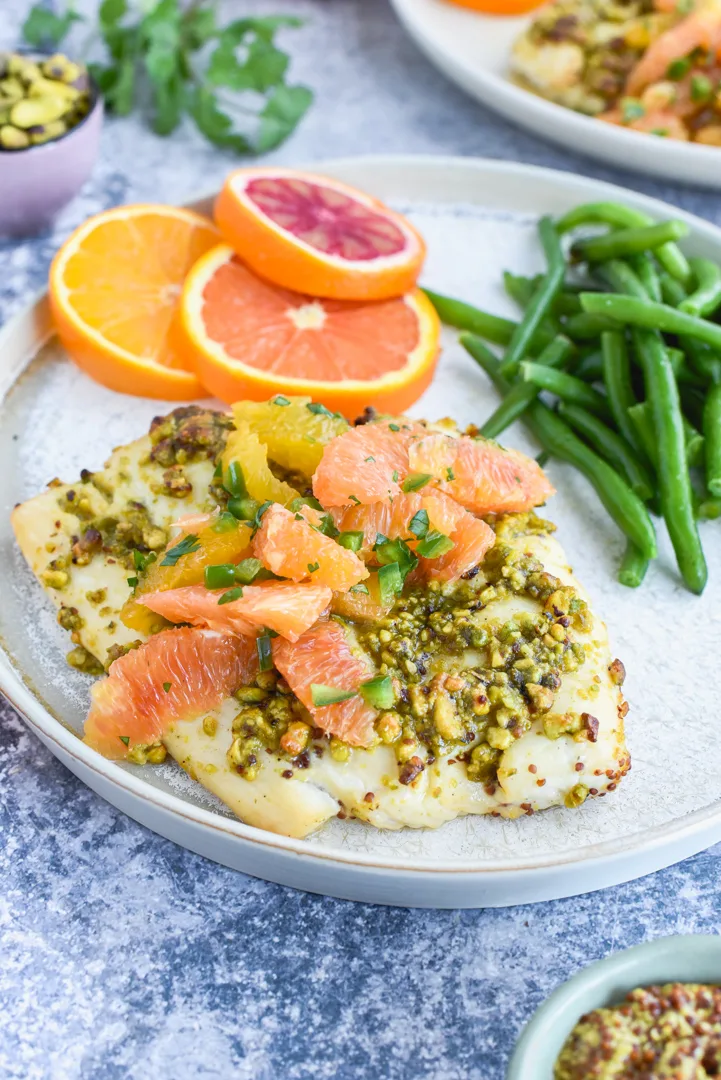
If you enjoy firm fish with bold, savory toppings, the pesto salmon recipe offers a fresh alternative with cool cucumber and green apple on the side. It is especially useful when you want an oven-baked seafood dinner rather than a skillet meal.
For another pan-seared option, the mahi mahi recipe pairs fish with preserved lemon, tomato chutney, Thai basil, shiitake mushrooms, and orzo. Its brighter citrus notes make it a good choice when you want a more aromatic variation.
You can also adapt this sturgeon recipe with halibut or cod loin. Keep the same tomato, olive, and caper sauce, then adjust the cooking time for the thickness of the replacement fish.
Conclusion
Sturgeon With Caper Olive And Tomato Sauce Recipe turns a firm seafood fillet into a flavorful skillet dinner with very little fuss. The key is steady heat: brown the fish gently, soften the aromatics, reduce the wine briefly, and finish the sturgeon in a quiet tomato simmer. Serve it with a simple starch to catch every drop of sauce. If you make it, please leave a rating or share how you served it.
FAQs
When is the best time to eat Sturgeon With Caper Olive And Tomato Sauce Recipe?
The best time to eat this dish is fresh, right after cooking, when the fish is moist and the pan sauce is still warm and bright. It suits a weeknight dinner because the full meal takes about 35 minutes. Serve it with couscous or rice to soak up the tangy tomato sauce.
Can I substitute another fish for sturgeon in this recipe?
Yes, you can use another firm, meaty fish such as halibut, swordfish, or cod. Choose fillets of similar thickness so they cook evenly. Thinner, delicate fish may flake faster, so check doneness early and shorten the time the fish spends in the sauce.
How do I store and reheat leftover sturgeon with caper olive and tomato sauce?
Refrigerate leftover fish and sauce in an airtight container within two hours of cooking, and eat it within three days. Reheat gently in a covered pan over low heat until hot throughout, adding a splash of water if the sauce has thickened.
Why is my sturgeon dry or tough when I cook it?
The most common cause is overcooking. Check the thickest part of the fillet with an instant-read thermometer and remove the fish once it reaches 145°F (63°C). Letting it rest for a minute in the warm sauce helps it stay moist.
What should I serve with sturgeon in caper, olive, and tomato sauce?
Couscous, rice, or another absorbent grain works best because it soaks up the tangy tomato, caper, and olive sauce. A simple green salad adds freshness without competing with the fish. Crusty bread is also useful for mopping up extra sauce.