Why Spicy Tuna Roll Recipe
Cool cucumber, tender tuna, toasted sesame, and tangy rice make every bite fresh and satisfying. This Spicy Tuna Roll Recipe uses a creamy chipotle dressing instead of complicated sushi sauces, so you can build flavorful rolls at home with a bamboo mat and a little patience.
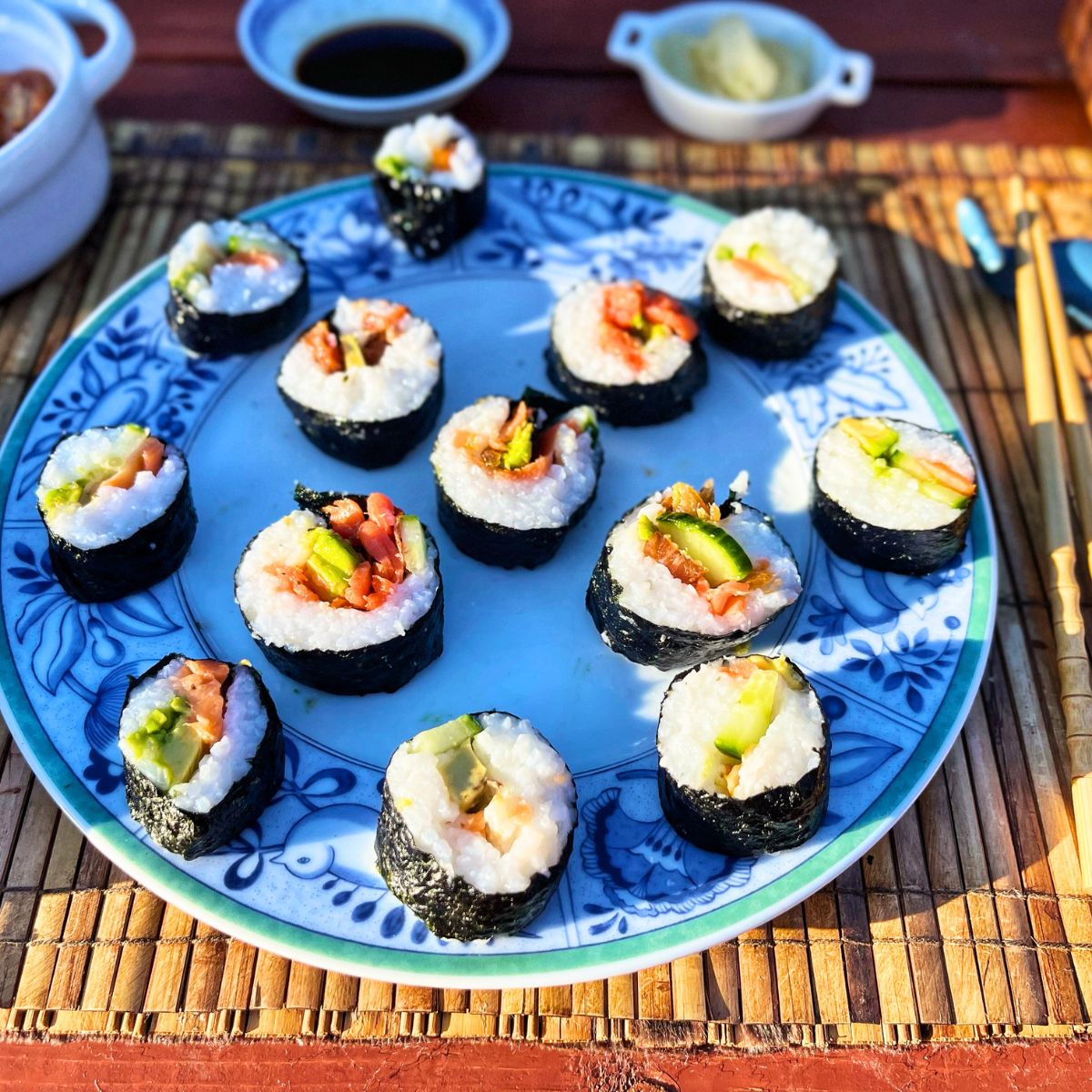
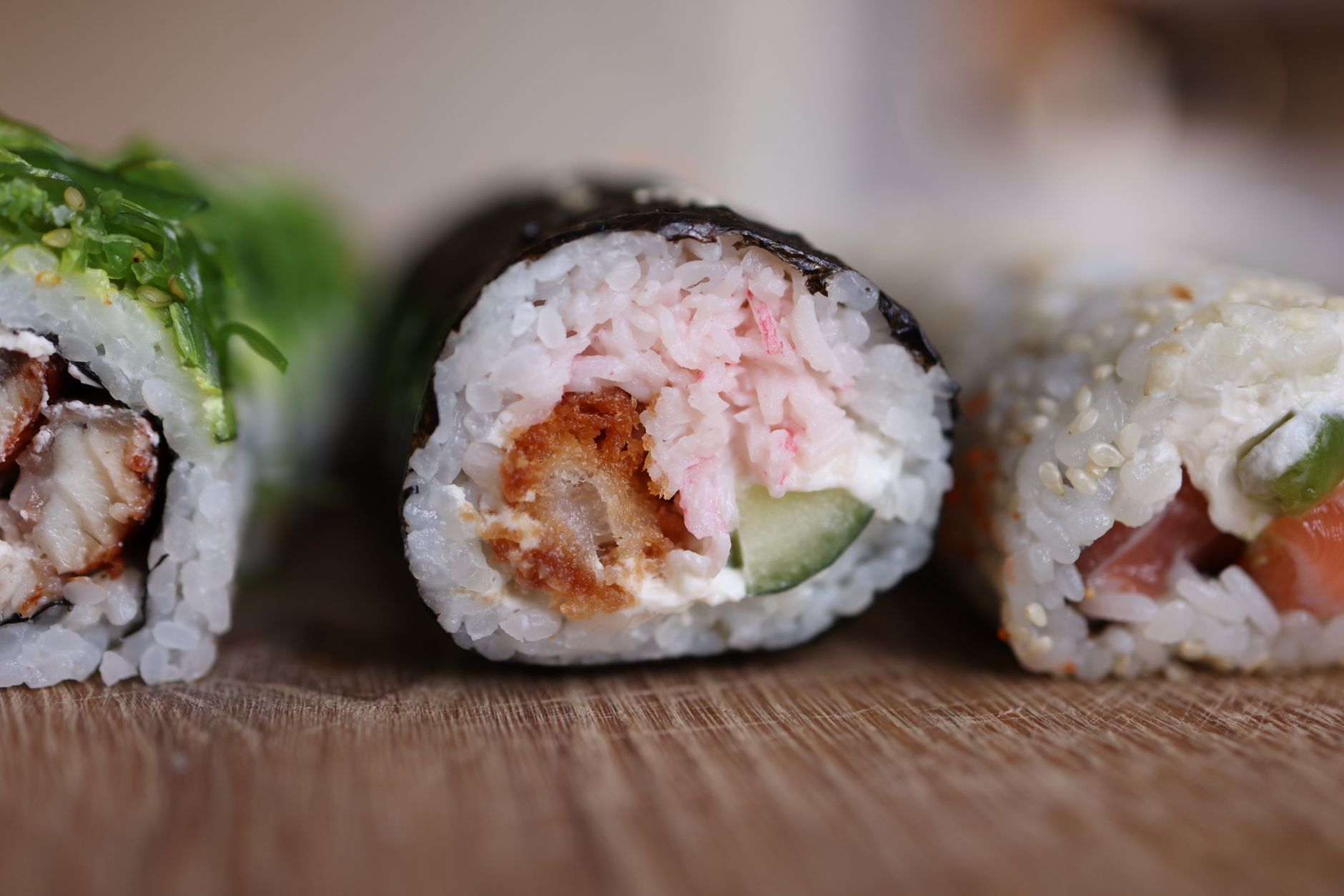
A spicy tuna roll is made by spreading seasoned sushi rice over nori, adding diced raw tuna, cucumber, spicy mayonnaise, cilantro, and scallions, then rolling everything tightly with a sushi mat. The finished roll is sliced into bite-sized pieces and served immediately with soy sauce, wasabi, or pickled ginger.
I tested this recipe several times and found that cooling the rice at room temperature gives the best texture. Refrigerated rice becomes firm and difficult to spread. The first time I rushed the rolling step, the filling pushed out from the ends, so I now use less filling and tighten the roll gradually as I work.
The result is creamy, spicy, crisp, and bright without tasting heavy. It makes four substantial rolls, or about 30 pieces when sliced carefully.

Health Benefits & Nutrition
This recipe combines lean seafood, rice, vegetables, and flavorful fats. It is filling enough for lunch or dinner, although the exact nutrition depends on the tuna, mayonnaise, rice, and amount of sauce used.
- Tuna provides protein: Tuna adds substantial protein, which helps make the rolls more satisfying than rice and vegetables alone.
- Tuna contains useful nutrients: Tuna naturally provides vitamin B12 and selenium. Fatty varieties may also contain omega-3 fats, although the amount varies by species.
- Cucumber adds freshness: Cucumber contributes water and a crisp texture while keeping the filling light.
- Rice supplies energy: Seasoned sushi rice provides carbohydrates that make this dish a substantial meal rather than a very small appetizer.
Raw tuna requires extra care. Buy tuna specifically labeled for raw consumption from a reputable fish seller, keep it properly chilled, and prepare it on a clean surface. People who are pregnant, older adults, young children, and anyone with a weakened immune system should ask a doctor about whether raw seafood is appropriate for them. Anyone with a fish, egg, mustard, or sesame allergy should avoid the relevant ingredient or use professional dietary guidance.
Ingredients & Preparation
Recipe Card
| Prep time | 45 minutes |
|---|---|
| Cook time | 20 minutes |
| Total time | 65 minutes |
| Servings | 4 servings, about 30 pieces |
| Calories | Approximately 900 calories per serving |
| Diet tags | Pescatarian; dairy-free |
Full Ingredient List
- 2 cups medium-grain white rice, such as Calrose
- 2 1/2 cups cold water
- 1 piece dried kelp, about 4 inches square, lightly wiped
- 1/4 cup rice vinegar
- 2 tablespoons granulated sugar
- 2 teaspoons kosher salt
- 1/4 cup mayonnaise
- 2 tablespoons Dijon mustard
- 1 tablespoon chipotle pepper puree
- 1 tablespoon honey
- 2 tablespoons canola oil
- Fine salt and freshly ground black pepper, to taste
- 4 sheets roasted nori, about 8 1/4 by 7 1/4 inches each
- 1 cup white sesame seeds
- 1/2 Kirby cucumber, peeled, seeded, and cut into thin matchsticks
- 1 1/4 pounds sushi-grade fresh tuna, finely diced
- 1/2 cup coarsely chopped fresh cilantro leaves
- 3 scallions, thinly sliced
Equipment Needed
- Fine-mesh strainer
- Heavy medium saucepan with a tight-fitting lid
- Small saucepan
- Large glass or nonreactive bowl
- Bamboo sushi mat
- Sharp chef’s knife
- Small bowl of water for wetting your fingers
- Clean damp kitchen towel
Tips for Choosing Quality Ingredients
Choose short- or medium-grain rice. Long-grain rice stays too separate and will not hold the roll together. Calrose is widely available and gives a soft, slightly sticky texture without becoming gluey.
For the tuna, ask the fishmonger whether it is suitable for raw preparation. Look for firm flesh with a clean, mild smell. Avoid fish that smells strongly fishy, looks dull, or feels mushy. If you cannot find suitable tuna, use cooked seafood rather than ordinary raw tuna.
Fresh nori should smell lightly oceanic and have a crisp, even surface. Cucumber should feel firm. I prefer Kirby cucumber because it stays crunchy after the seeds are removed. If the sesame seeds taste flat, toast them in a dry skillet over medium-low heat for two to three minutes, stirring often, then cool them before using.

Step-by-Step Instructions
1. Rinse and soak the rice for 30 minutes
Place the rice in a fine-mesh strainer and rinse under cold water until the water runs mostly clear, about two to three minutes. Drain thoroughly, then transfer the rice to a heavy saucepan. Add 2 1/2 cups cold water and the wiped kelp. Cover and soak at room temperature for 30 minutes. The grains should look plump and opaque before cooking.
2. Cook and rest the sushi rice for 30 minutes
Remove and discard the kelp. Cover the saucepan and bring the rice to a boil over medium-high heat, about five minutes. Immediately reduce the heat to the lowest setting and cook, covered, for 15 minutes. Turn off the heat and leave the pan covered for another 15 minutes. The rice is ready when the water has disappeared and the grains are tender, with no hard white center.
3. Season and cool the rice for 15 minutes
While the rice cooks, warm the rice vinegar, sugar, and kosher salt in a small saucepan over low heat for two to three minutes, stirring until the sugar dissolves. Do not boil the mixture. Transfer the cooked rice to a large glass bowl, drizzle the vinegar mixture over it, and fold gently with a spatula. Cover with a clean damp towel and cool at room temperature for 15 minutes. The rice should feel warm, not hot, and remain slightly sticky.
4. Mix the spicy tuna filling in 5 minutes
Whisk the mayonnaise, Dijon mustard, chipotle pepper puree, honey, and canola oil in a bowl for about one minute. Season with fine salt and black pepper. Dice the chilled tuna into pieces no larger than 1/4 inch, then combine it with the cilantro and scallions. Keep the tuna mixture chilled while you assemble the rolls.
5. Assemble and slice four rolls in 20 minutes
Place a bamboo mat on your work surface with the slats running crosswise. Put one nori sheet shiny-side down on the mat. With damp fingers, press one-quarter of the rice over the nori, leaving a 1 3/4-inch strip uncovered at the far edge. Sprinkle with one-quarter of the sesame seeds.
Flip the nori and rice over so the nori faces upward. Place cucumber in a narrow line 1 to 2 inches from the near edge. Add a small drizzle of spicy sauce, then arrange one-quarter of the tuna mixture, cilantro, and scallions over the cucumber.
Lift the near edge of the mat and roll forward, pressing gently to tuck the filling under the first turn. Continue rolling while applying even pressure. Moisten the exposed nori edge with water and finish sealing the cylinder. Repeat with the remaining ingredients. Wet a sharp knife, slice each roll into seven or eight pieces, and wipe the blade between cuts.
The first roll may feel slightly loose, but it becomes easier once you see how much filling the nori can hold. If rice sticks to your fingers, dip them briefly in water, then shake off the excess. Too much water makes the nori soft before the roll is finished.
Variations & Substitutions
- Milder tuna rolls: Replace the 1 tablespoon chipotle pepper puree with 1 teaspoon for gentle heat. Add another teaspoon if you want more warmth without changing the sauce texture.
- Cooked tuna version: Replace the raw tuna with 1 1/4 pounds of cooked, cooled tuna. Flake it into small pieces and reduce the mayonnaise to 3 tablespoons if the fish is already moist.
- Salmon rolls: Use 1 1/4 pounds of sushi-grade salmon instead of tuna. The salmon should also be labeled for raw preparation and kept cold throughout assembly.
- Avocado filling: Replace half of the cucumber with one thinly sliced ripe avocado. Add it directly before rolling because avocado softens quickly.
- Sesame-free option: Omit the sesame seeds if needed. The rolls will still hold together, although they will lose their toasted nutty flavor.
- Egg-free sauce: Use an egg-free mayonnaise in the same 1/4-cup quantity. Check the label if mustard or other allergens are a concern.
For another seafood dinner with a very different flavor profile, try this Bay scallops with smoked salmon and balsamic vinegar sauce recipe. It is richer and warmer, while these rolls stay cool and fresh.
Storage & Shelf Life
For the best texture, eat the rolls immediately after slicing. If necessary, refrigerate assembled rolls in a tightly covered container for up to 24 hours. Place a slightly damp paper towel over the rolls before covering them to slow the rice from drying, but do not keep raw tuna at room temperature.
Store leftover seasoned rice separately in the refrigerator for up to one day. It will firm up, so let it sit briefly at room temperature before using, although it will not regain the same texture as freshly prepared rice.
Freezing is not recommended for assembled rolls. Rice becomes hard and crumbly, while cucumber releases water as it thaws. You may freeze cooked tuna filling for up to one month in an airtight container, but raw tuna should be handled according to the fish seller’s storage guidance rather than frozen after assembly.
Discard the rolls if the tuna develops a strong sour or ammonia-like smell, a slimy surface, or an unusual dull color. Also discard rice that smells fermented or feels unusually wet and sticky. When in doubt, do not taste food that may have spoiled.
Pro Tips
- Do not skip the rice rinse: Excess surface starch makes the rice pasty. Rinse until the water changes from cloudy to mostly clear, then drain well so the cooking ratio stays accurate.
- Keep the rice uncovered only briefly: A damp towel prevents the surface from drying while allowing excess heat to escape. Plastic wrap traps steam and can make the grains wet.
- Use restrained filling: A strip of tuna about 1 inch wide is usually enough. Overfilled rolls split, especially when the cucumber adds extra bulk.
- Balance the sauce before adding tuna: The dressing should taste spicy, tangy, and slightly sweet on its own. If it seems too hot, whisk in 1 teaspoon mayonnaise at a time.
- Cut with a wet, sharp knife: Dip the blade in water, shake off the droplets, and slice with one smooth pull. Sawing back and forth crushes the nori and pushes out the filling.
- Protect the bamboo mat: Wrap the mat in plastic wrap if you are new to rolling. It prevents rice from lodging between the slats and makes cleanup easier.
- Keep the tuna cold: Return the diced fish to the refrigerator while the rice cools. Cold tuna is firmer and easier to arrange in a clean, even line.
Questions & Answers
When is the best time to eat Spicy Tuna Roll Recipe?
The best time to eat these rolls is immediately after slicing. Fresh rice is soft and lightly springy, while the nori still has a pleasant crisp edge. If you must prepare them ahead, assemble them no more than a few hours before serving and keep them covered and refrigerated.
Can I make spicy tuna rolls without a bamboo mat?
Yes, you can make them without a bamboo mat by using a sheet of parchment paper or plastic wrap. Roll slowly and use your fingers to press the first turn firmly around the filling. A mat gives you more control, but careful pressure and a modest amount of filling will still produce a neat roll.
How spicy is the tuna mixture?
The tuna mixture has moderate heat from the chipotle puree. Start with 1 teaspoon instead of the full tablespoon if you prefer mild rolls. Taste the sauce before adding the tuna, then adjust with mayonnaise for less heat or a small amount of chipotle for more smoky spice.
What type of tuna is safest for this recipe?
Use tuna sold by a reputable fishmonger as suitable for raw consumption. Ask how it was handled and keep it cold from purchase through preparation. Regular supermarket tuna is not automatically appropriate for eating raw, so cooked tuna is the better substitute when labeling or handling is unclear.
Why does my sushi rice fall apart?
Sushi rice usually falls apart when it was not cooked long enough, was rinsed too aggressively after cooking, or was spread too thinly. Use medium-grain rice, keep the rice layer even, and press it gently onto the nori. Do not rinse the cooked rice, since that removes the starch needed for adhesion.
Can I prepare the rice in a rice cooker?
Yes, you can cook the rinsed rice and water in a rice cooker using its standard white-rice setting. Add the kelp only if your cooker allows it, then remove it before seasoning. Let the rice rest according to the cooker instructions, and season it while warm rather than refrigerating it first.
What should I serve with these sushi rolls?
Serve the rolls with soy sauce, pickled ginger, and a small amount of wasabi if desired. A simple cucumber salad or edamame makes the meal feel complete without competing with the tuna. For a cooked seafood option on another day, this Brown stew fish recipe brings deeper, savory seasoning.
More Recipes You Will Love
If you enjoy seafood with bright, balanced flavors, the Bay scallops with smoked salmon and balsamic vinegar sauce recipe is a lovely next choice. The smoky salmon and tangy sauce create a more elegant plated dish, while the scallops add a tender, delicate bite.
For a comforting cooked seafood meal, try the Brown stew fish recipe. Its bold seasoning and rich sauce are completely different from these cool sushi rolls, making it a useful recipe for days when you want something warm and hearty.
You can also turn this sushi recipe into a casual bowl. Layer the seasoned rice with tuna, cucumber, sesame, cilantro, and scallions instead of rolling. The flavors remain the same, and the preparation is easier when you are cooking for a crowd.
Conclusion
This Spicy Tuna Roll Recipe gives you tender tuna, crisp cucumber, creamy chipotle sauce, and seasoned rice in every bite. The key is to cool the rice without refrigerating it, keep the filling modest, and roll with steady pressure. Use raw tuna only when it is clearly suitable for raw preparation, or substitute cooked fish for a simpler option. If you make these rolls, share how they turned out, leave a rating, or tell us which variation you tried.
FAQs
When is the best time to eat Spicy Tuna Roll Recipe?
The best time to eat Spicy Tuna Roll Recipe is right after rolling, while the tuna is cold and the cucumber is crisp. Serve the rolls immediately with soy sauce, wasabi, or pickled ginger. Rolls held for long periods lose their fresh texture and firm bite, so plan to slice and serve them during the same meal.
How long can spicy tuna rolls be stored in the fridge?
Spicy tuna rolls are best eaten the same day, ideally within a few hours of rolling. If you need to store leftovers, wrap them tightly, keep them refrigerated, and eat them within 24 hours. The rice firms and the cucumber softens over time, and raw tuna should stay chilled until served.
Can I use canned tuna instead of sushi-grade tuna?
Yes, canned tuna can replace fresh tuna, but the roll will taste and feel different. Canned tuna is already cooked, so it avoids the concerns of raw fish, though it has a softer, flakier texture. Drain it thoroughly and mix it with the chipotle mayonnaise so the filling does not turn watery.
Why does my sushi rice stick or turn mushy when rolling?
Sticky or mushy sushi rice usually means it was too wet, too warm, or overworked. Rinse the rice until the water runs mostly clear, cook it with the measured cold water, and season it with the vinegar mixture while it is still warm. Cool it to room temperature, then spread it thinly on the nori using lightly dampened hands.
How do I keep the filling from leaking out of the ends?
To stop filling from leaking, use less filling than you think and roll gradually. Start by pressing the ingredients gently toward the center, then tighten the mat in small increments as you roll. Rushing the roll pushes filling out the ends, so slow, even pressure produces a tighter, cleaner roll.