Why Spaghetti And Meatballs Recipe
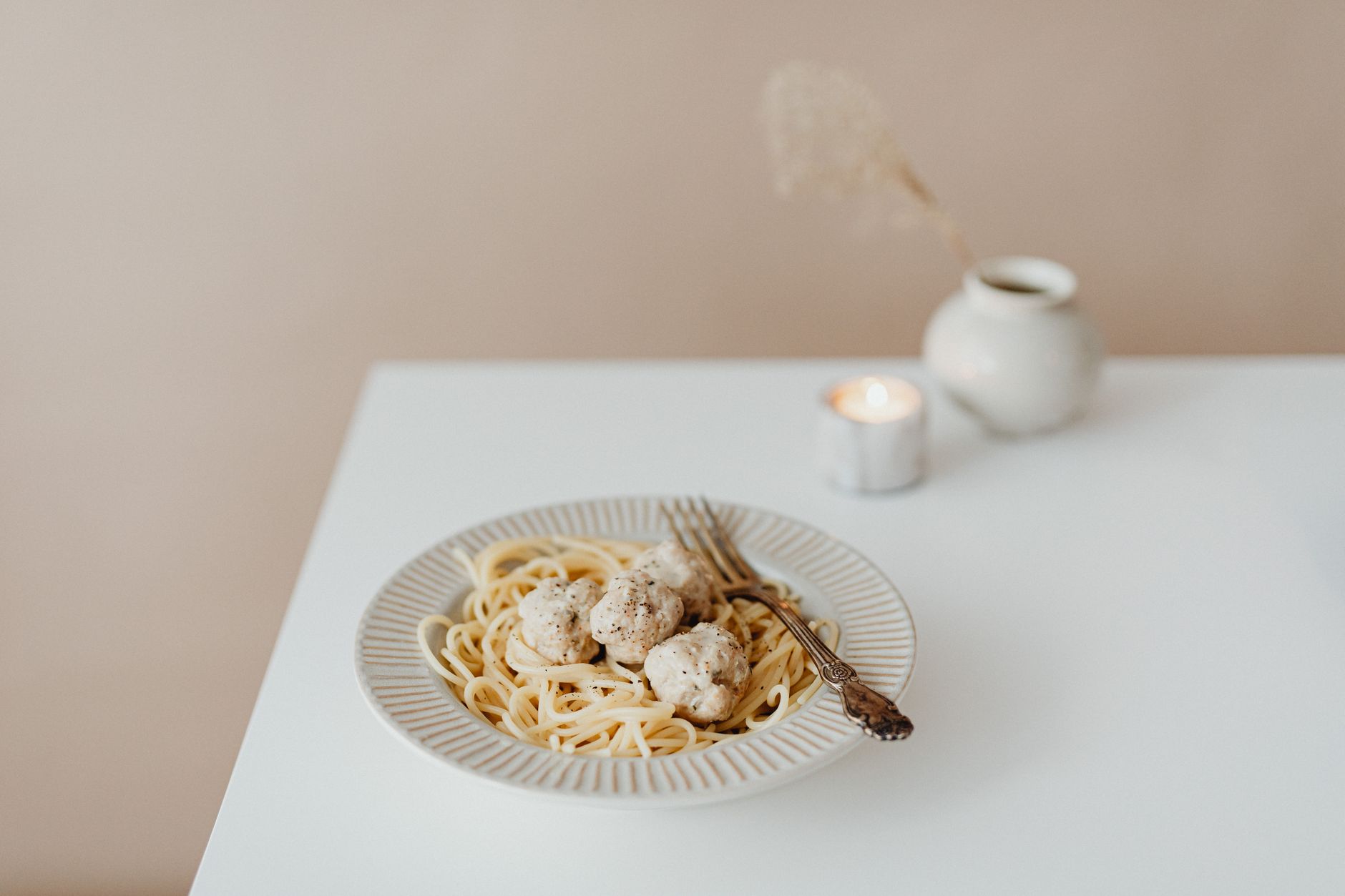
The best part of this meal is the moment the meatballs hit the tomato sauce and the whole kitchen smells of garlic, basil, and slowly simmered beef. This Spaghetti And Meatballs Recipe brings together tender baked meatballs, silky pasta, and a bright tomato sauce in about 35 minutes.
This spaghetti and meatballs recipe makes four generous servings with ground beef, Parmesan, breadcrumbs, crushed tomatoes, garlic, onion, and fresh herbs. The meatballs bake while the sauce simmers, then the cooked spaghetti is tossed with sauce before serving. Baking keeps the method simple and gives the meatballs a lightly browned exterior without needing to fry them in batches.
I tested the meatballs at several sizes and found that 1 1/2-inch balls cook evenly without drying out. Keep the pasta slightly firm, because it softens a little when coated with hot sauce.

Health Benefits & Nutrition
This is a hearty comfort-food dinner rather than a low-calorie meal, but it can still fit into a balanced eating pattern. The ingredients provide several useful nutrients:
- Protein: Ground beef, egg, and Parmesan provide protein, which helps make the meal filling and satisfying.
- Iron and zinc: Beef supplies iron and zinc, minerals involved in normal oxygen transport and immune function.
- Carbohydrates for energy: Spaghetti provides carbohydrates that fuel everyday activity. Whole-wheat pasta can add more fiber.
- Tomato-based flavor: Crushed tomatoes contribute potassium and naturally occurring antioxidant compounds, along with acidity that balances the richness of the beef.
For a lighter plate, serve a smaller portion of pasta with extra sauce and a green salad. You can also use lean ground beef, though very lean meat may produce firmer meatballs. The nutrition estimate below includes the pasta, meatballs, sauce, and a small amount of finishing cheese, but brands and serving sizes can change the totals.
This recipe contains wheat, milk, egg, and beef. Check packaged breadcrumbs, stock, and cheese labels for additional allergens or gluten cross-contact. Anyone managing a medical condition, food allergy, or specific dietary requirement should choose substitutions with advice from a qualified healthcare professional or dietitian.
Ingredients & Preparation
Recipe Card
| Prep time | 15 minutes |
|---|---|
| Cook time | 20 minutes |
| Total time | 35 minutes |
| Servings | 4 |
| Calories | Approximately 1,030 per serving |
| Diet tags | Contains gluten, dairy, egg, and beef |
Full ingredient list
- 1 pound spaghetti
- 1 tablespoon kosher salt, for the pasta water
- 1 1/4 pounds ground sirloin
- 2 teaspoons Worcestershire sauce
- 1 large egg, lightly beaten
- 1/2 cup Italian-seasoned breadcrumbs
- 1/4 cup finely grated Parmesan cheese
- 2 garlic cloves, finely chopped
- 1 teaspoon kosher salt, for the meatballs
- 1/2 teaspoon freshly ground black pepper
- 2 tablespoons extra-virgin olive oil
- 1/2 teaspoon crushed red pepper flakes
- 4 garlic cloves, finely chopped or crushed
- 1 small yellow onion, finely chopped
- 1 cup beef stock
- 1 can (28 ounces) crushed tomatoes
- 1/4 cup chopped fresh flat-leaf parsley
- 10 fresh basil leaves, torn or thinly sliced
- 1/4 cup finely grated Parmesan or Romano cheese, for serving
- 4 slices crusty bread or garlic bread, optional for serving
Equipment needed
- Large pot for the spaghetti
- Large rimmed baking sheet
- Parchment paper or a lightly oiled baking sheet
- Large mixing bowl
- Deep skillet or medium saucepan
- Colander and tongs
- Instant-read thermometer, optional
Tips for choosing quality ingredients
Ground sirloin gives the meatballs a beefy flavor without being excessively greasy. Choose meat that looks fresh and has a little visible marbling. Freshly grated Parmesan melts into the mixture more smoothly than very dry pre-grated cheese.
Use crushed tomatoes with a clean ingredient list and no added Italian seasoning if possible. That lets you control the garlic, basil, and pepper. A low-sodium beef stock is useful here because the Worcestershire sauce, Parmesan, pasta water, and seasoned breadcrumbs all contribute salt.
Step-by-Step Instructions
1. Heat the oven and start the pasta water
Heat the oven to 425°F. Bring a large pot containing at least 4 quarts of water to a rolling boil over high heat, then add 1 tablespoon kosher salt. Line a rimmed baking sheet with parchment or brush it lightly with olive oil.
2. Mix and shape the meatballs
In a large bowl, combine the ground sirloin, Worcestershire sauce, beaten egg, breadcrumbs, Parmesan, chopped garlic, 1 teaspoon kosher salt, and black pepper. Mix gently with your hands just until combined. Shape the mixture into about 20 meatballs, each approximately 1 1/2 inches wide, and place them 1 inch apart on the prepared baking sheet.
3. Bake the meatballs for 10 to 12 minutes
Bake the meatballs at 425°F for 10 to 12 minutes, turning the pan halfway through. They should be browned in spots, firm to the touch, and no longer pink in the center; an instant-read thermometer should register 160°F. The first time I made these, I packed the mixture too tightly, which made the centers dense, so handle it lightly.
4. Simmer the tomato sauce for 10 minutes
While the meatballs bake, warm the olive oil in a deep skillet or medium saucepan over medium heat. Add the red pepper flakes, four chopped garlic cloves, and onion. Cook for 5 to 7 minutes, stirring often, until the onion is soft and translucent and the garlic smells sweet rather than sharp. Add the beef stock, crushed tomatoes, parsley, and basil. Bring the sauce to a gentle simmer, then cook uncovered for 10 minutes.
5. Cook, toss, and serve the spaghetti
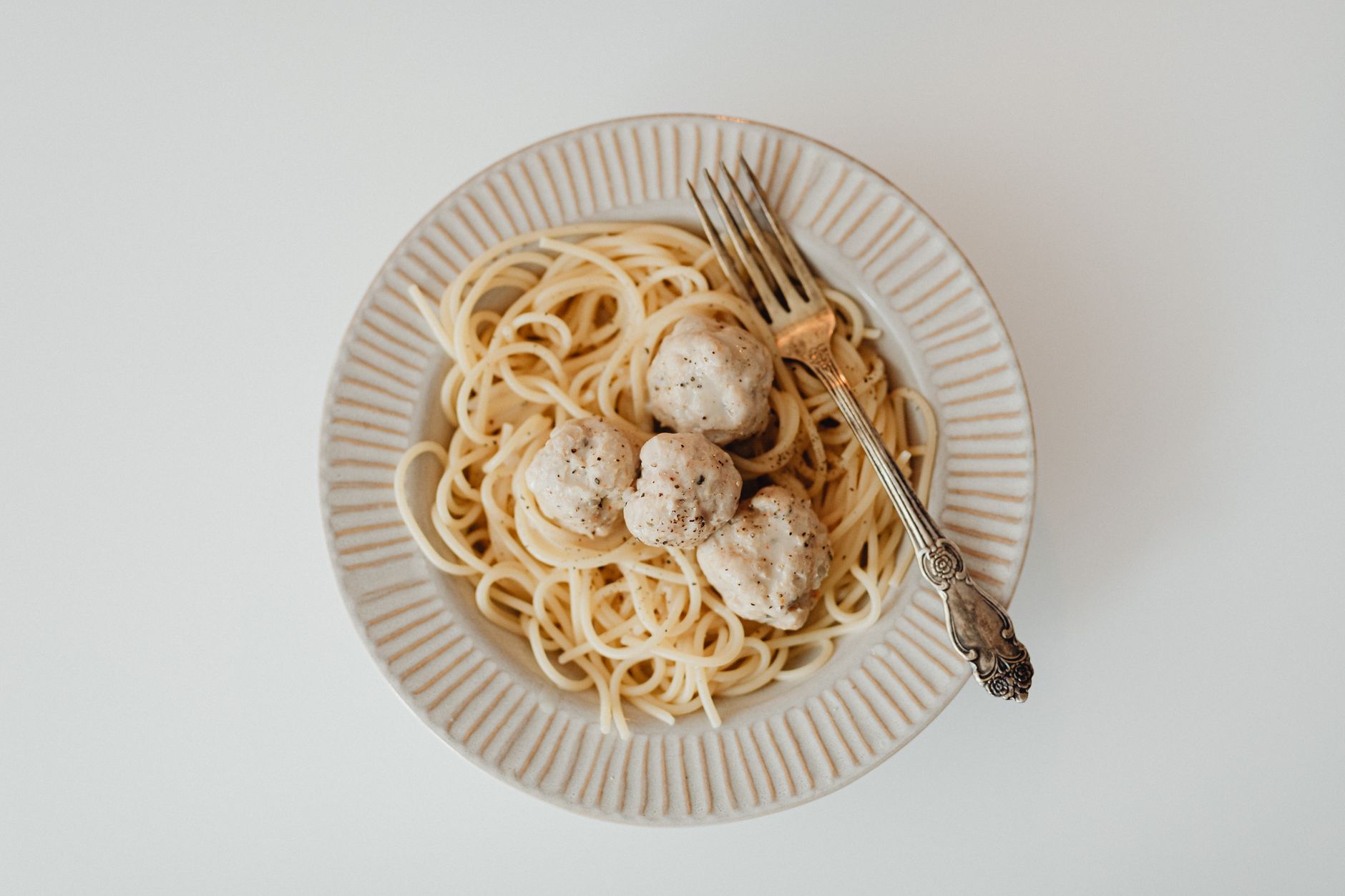
Add the spaghetti to the boiling salted water and cook according to the package directions, usually 8 to 10 minutes, until al dente. Reserve 1/2 cup pasta water, then drain. Toss the hot spaghetti with about 1 1/2 cups sauce and 2 tablespoons grated cheese. Add the baked meatballs to the remaining sauce and turn them gently for 2 minutes. Serve the pasta topped with meatballs, extra sauce, grated cheese, and optional crusty bread.
The sauce is ready when it lightly coats a spoon and the onion has disappeared into the tomatoes. If the pasta looks dry after tossing, add reserved pasta water 1 tablespoon at a time. I found that adding all the water at once makes the sauce too loose.
Variations & Substitutions
Use a beef and pork mixture
Replace the 1 1/4 pounds of ground sirloin with 3/4 pound ground beef and 1/2 pound ground pork. The pork adds moisture and a softer texture. Bake for the same 10 to 12 minutes, checking that the centers reach 160°F.
Make whole-wheat spaghetti
Replace the regular spaghetti with 12 ounces of whole-wheat spaghetti. Whole-wheat pasta absorbs sauce readily, so reserve at least 3/4 cup pasta water and add it gradually while tossing.
Make the meatballs gluten-free
Use 1/2 cup certified gluten-free breadcrumbs in place of Italian breadcrumbs. Add 1/2 teaspoon dried Italian seasoning if the replacement breadcrumbs are plain. Check the Worcestershire sauce and beef stock labels as well.
Reduce the dairy
Omit the Parmesan from the meatball mixture and serving bowl, then add 2 tablespoons nutritional yeast to the meatballs if desired. The texture will be slightly less tender and the flavor less salty, so taste the sauce before adding more salt.
Add vegetables to the sauce
Finely dice 1 small bell pepper or grate 1 medium carrot and sauté it with the onion for the full 5 to 7 minutes. The carrot adds gentle sweetness; the pepper adds a fresh, savory note without changing the cooking time.
For another beef-centered dinner, try these Old fashioned beef stew spices and herbs. The seasoning guidance is especially helpful when you want a deeper, slower-cooked flavor.
Storage & Shelf Life
Refrigerate leftover spaghetti, meatballs, and sauce in shallow airtight containers within 2 hours of cooking. They keep for up to 3 days in the refrigerator at 40°F or below. Store the pasta separately when possible, because it continues absorbing sauce and becomes softer overnight.
For freezing, cool the meatballs and sauce completely, then transfer them to a freezer-safe container or zip-top bag. Freeze for up to 3 months. Cooked spaghetti can also be frozen, but its texture is softer after thawing, so making fresh pasta for the reheated sauce gives the best result.
Thaw frozen meatballs and sauce overnight in the refrigerator, then reheat them in a covered saucepan over medium-low heat until steaming hot throughout. Reheat pasta with a splash of water or sauce. Discard leftovers that smell sour, show mold, develop a slimy surface, or have been left at room temperature for more than 2 hours.
Pro Tips
- Do not overmix the beef: Work the ingredients together only until no dry breadcrumbs remain. Overmixing compresses the proteins and creates chewy meatballs.
- Use a small scoop: A tablespoon cookie scoop helps produce similar-sized meatballs. Uniform portions finish at the same time and keep smaller pieces from drying out.
- Build flavor in layers: Let the onion soften before adding the tomatoes. Raw onion flavor is harsh, while gently cooked onion gives the sauce rounded sweetness.
- Control the sauce texture: Simmer uncovered for a thicker sauce. Cover the pan only if the tomatoes are reducing too quickly or splattering heavily.
- Save pasta water: Its starch helps the tomato sauce cling to the noodles. Add it in small amounts after tossing, rather than thinning the entire pan of sauce.
- Prevent sticking: Stir the spaghetti during the first minute of cooking and drain it only when you are ready to toss it with sauce. Do not rinse it, since rinsing removes surface starch.
- Keep the basil fresh: Add most of the basil during the final simmer and reserve a few torn leaves for the plates. Long cooking dulls its sweet aroma.
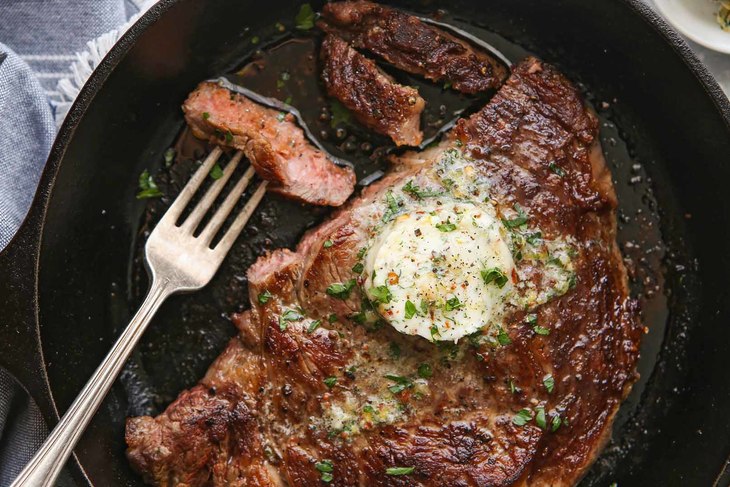
If you enjoy finishing beef dishes with something rich and savory, this Garlic butter for steak recipe offers another useful technique for balancing strong beef flavor with fresh garlic.
Questions & Answers
When is the best time to eat Spaghetti And Meatballs Recipe?
The best time to eat this dish is immediately after the pasta is tossed with the sauce. The noodles are at their springiest, the meatballs are warm, and the basil aroma is freshest. It also works well for a relaxed family dinner, but keep the pasta and sauce separate if you plan to serve leftovers.
Can I prepare the meatballs ahead of time?
Yes, you can shape the meatballs up to 24 hours ahead and refrigerate them covered. Keep them on a parchment-lined tray so they do not stick together. Bake them directly from the refrigerator, adding 2 to 3 minutes to the cooking time and checking that the centers reach 160°F.
Can I fry the meatballs instead of baking them?
Yes, you can pan-fry them in a thin layer of olive oil over medium heat. Brown them for about 8 to 10 minutes, turning every few minutes, then finish them in the sauce. Frying creates a darker crust, but it also adds splatter and requires more hands-on cooking.
Why are my meatballs tough?
Meatballs usually become tough from overmixing, compact shaping, or overcooking. Combine the ingredients gently and roll the portions with light pressure. Use an instant-read thermometer near the end of baking so you can remove them once they reach 160°F instead of leaving them in the oven too long.
Can I use jarred tomato sauce?
Yes, replace the crushed tomatoes, beef stock, parsley, and basil with about 4 cups of plain tomato sauce. Still sauté the onion, garlic, and red pepper flakes first, then simmer the sauce for 8 to 10 minutes. Choose a simple sauce so its seasoning does not overpower the meatballs.
How do I stop the spaghetti from becoming watery?
Drain the pasta well and add pasta water slowly, only as needed. The sauce should lightly coat the noodles rather than pool at the bottom of the bowl. Simmering the tomato sauce uncovered and tossing the spaghetti while it is still hot also helps the starch and sauce bind.
Can I double this recipe for a crowd?
Yes, double all ingredients and bake the meatballs on two baking sheets so they have room to brown. The sauce may need a few extra minutes to return to a simmer, but do not overcrowd the pan. Cook the spaghetti in batches if your pot cannot hold enough water comfortably.
More Recipes You Will Love
If this meal is your kind of comfort food, a classic beef stew is another satisfying choice for a cool evening. It uses the same dependable building blocks: browned beef, aromatics, stock, and herbs that become more flavorful as they cook.
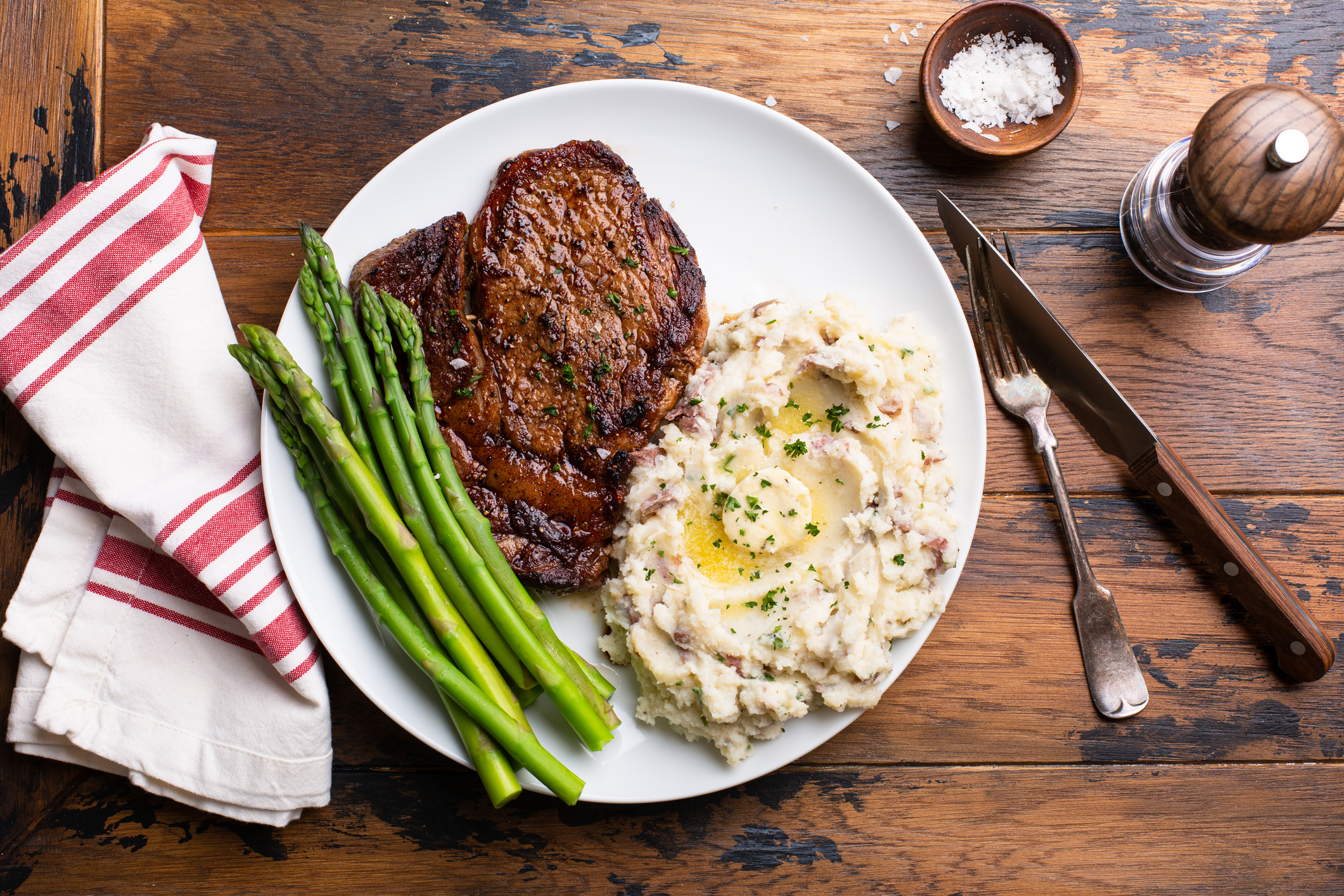
For a quicker beef dinner, pair a simple steak with homemade garlic butter and a crisp salad. You can also serve these meatballs with polenta, toasted bread, or roasted vegetables instead of spaghetti when you want a different presentation.
Conclusion
This Spaghetti And Meatballs Recipe is dependable, filling, and simple enough for a weeknight. Baking the meatballs keeps the process tidy, while a short simmer gives the tomato sauce a rounded garlic-and-herb flavor. Keep the pasta al dente, mix it with sauce just before serving, and finish each plate with Parmesan and basil. If you make it, leave a rating or comment and share what you served alongside it.
FAQs
When is the best time to eat Spaghetti And Meatballs Recipe?
The best time to eat Spaghetti And Meatballs Recipe is at a relaxed dinner, since the full meal takes about 35 minutes and suits busy weeknights or casual gatherings. It is a hearty plate, so it works well when you have time to sit down and enjoy a full serving. Pair it with a green salad for a lighter balance.
Can I substitute ground turkey for the ground sirloin?
Yes, ground turkey can replace ground sirloin, but the meatballs will be lighter and softer. Choose ground turkey with some fat, because very lean turkey can dry out during baking. Adding a little extra Parmesan or a splash of olive oil to the mixture helps keep the meatballs moist.
How do you store leftover spaghetti and meatballs?
Store leftover spaghetti and meatballs in an airtight container in the refrigerator for up to three to four days. Keeping the meatballs in the sauce helps them stay moist. Reheat gently in a covered pan over low heat with a splash of water or stock.
Why are my meatballs falling apart or too dry?
Meatballs usually fall apart when the mixture is too wet or not bound well, and they dry out when the meat is too lean or overbaked. Make sure the egg and breadcrumbs are measured correctly, and roll the balls to about 1 1/2 inches. Bake until cooked through, then simmer gently in the sauce.
Can I freeze spaghetti and meatballs?
Yes, you can freeze cooked meatballs and tomato sauce for up to three months. Pasta is best cooked fresh because it softens and loses texture after freezing. Cool everything completely, store it in freezer-safe containers, and thaw it overnight in the refrigerator before reheating.